Digestive Oncology Research Center, Digestive Disease Research Institute, Tehran University of Medical Sciences, Tehran, Iran,
Eur J Epidemiol. 2014 Feb;29(2):95-109. doi: 10.1007/s10654-014-9883-6. Epub 2014 Feb 21.
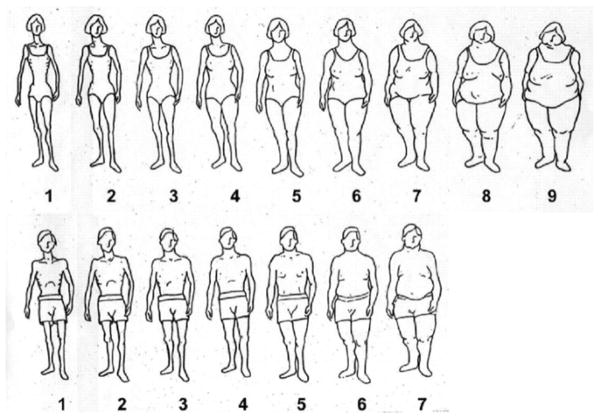
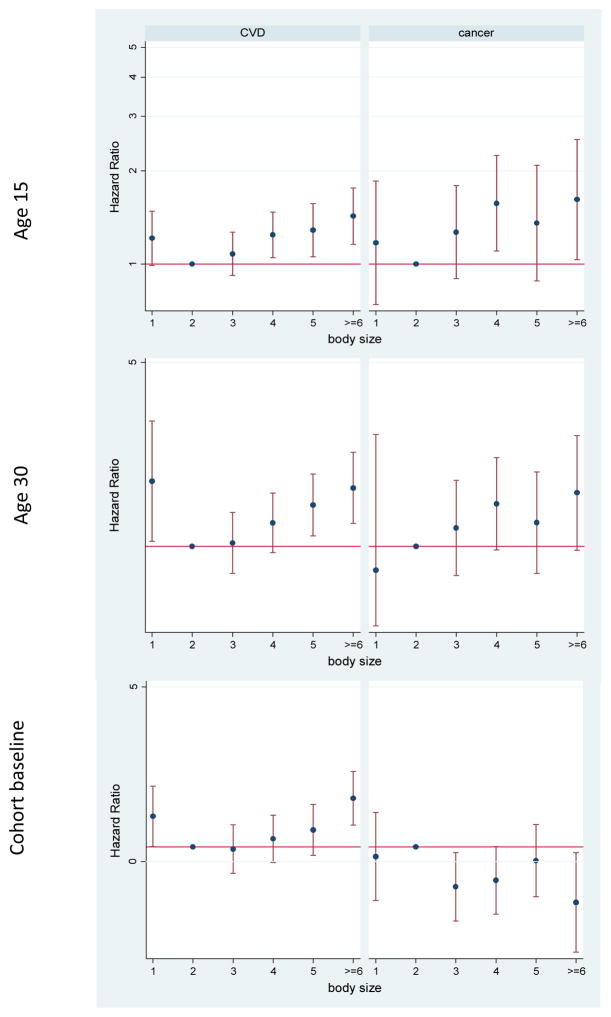
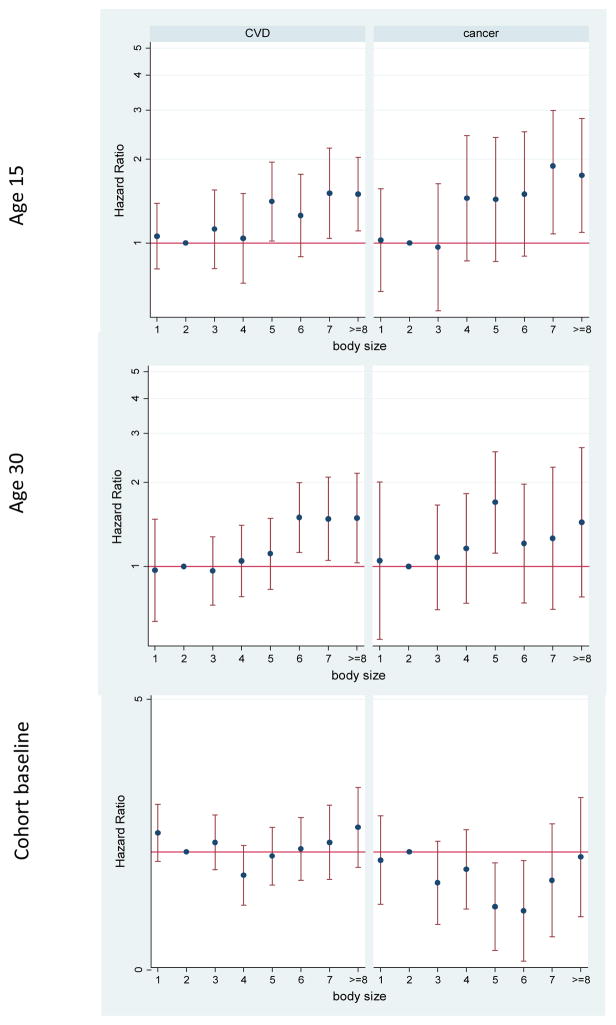
We conducted this study to examine life-course body size and physical activity in relation to total and cause-specific mortality, which has not previously been studied in the low and middle-income countries in Asia. The Golestan Cohort Study is a population-based cohort in northeastern Iran in which 50,045 people above the age of 40 have been followed since 2004. Participants were shown a validated pictogram to assess body size at ages 15, 30, and the time of recruitment. Information on occupational physical activity at these ages was also collected. Subjects were followed up annually, and cause of death was determined. Cox regression models were adjusted for age at cohort start, smoking, socioeconomic status, ethnicity, place of residence, education, and opium use. Models for body size were also adjusted for physical activity at the same age, and vice versa. During a total of 252,740 person-years of follow-up (mean follow-up duration 5.1 ± 1.3 years) through December 2011, 2,529 of the cohort participants died. Larger body sizes at ages 15 or 30 in both sexes were associated with increased overall mortality. Cancer mortality was more strongly associated with adolescent obesity, and cardiovascular mortality with early adulthood body size. Weight gain between these ages was associated with cardiovascular mortality. Obese adolescents who lost weight still had increased mortality from all medical causes in both sexes. Physical activity during adolescence and early adulthood had no association with mortality, but at cohort baseline higher levels of activity were associated with reduced mortality. Mortality in this Middle-Eastern population was associated with obesity both during adolescence and early adult life.
我们进行这项研究旨在探讨一生中的体型和身体活动与总死亡率和特定原因死亡率的关系,这在亚洲的中低收入国家以前尚未进行过研究。戈勒斯坦队列研究是伊朗东北部的一项基于人群的队列研究,自 2004 年以来,共有 50045 名年龄在 40 岁以上的人参与了该研究。研究人员使用经过验证的图表来评估参与者在 15 岁、30 岁和招募时的体型。还收集了这些年龄段的职业体力活动信息。对参与者进行了每年一次的随访,并确定了死因。Cox 回归模型调整了队列开始时的年龄、吸烟、社会经济地位、种族、居住地、教育程度和鸦片使用情况。体型模型还调整了同一年龄的身体活动,反之亦然。截至 2011 年 12 月,在总共 252740 人年的随访期间(平均随访时间为 5.1±1.3 年),有 2529 名队列参与者死亡。在两性中,15 岁或 30 岁时体型较大与总死亡率增加有关。癌症死亡率与青少年肥胖更密切相关,心血管死亡率与成年早期体型有关。这两个年龄段之间的体重增加与心血管死亡率有关。青少年肥胖者减肥后,两性的所有疾病导致的死亡率仍然增加。青少年和成年早期的身体活动与死亡率无关,但在队列开始时,更高水平的活动与死亡率降低有关。在这个中东人群中,肥胖与青少年和成年早期的死亡率都有关。