Kondo D G, Hellem T L, Shi X-F, Sung Y H, Prescot A P, Kim T S, Huber R S, Forrest L N, Renshaw P F
From The Brain Institute (D.G.K., T.L.H., X.F.S., Y.H.S., A.P.P., R.S.H., L.N.F., P.F.R), University of Utah, Salt Lake City, UtahDepartments of Psychiatry (D.G.K., X.F.S., Y.H.S., P.F.R.)
From The Brain Institute (D.G.K., T.L.H., X.F.S., Y.H.S., A.P.P., R.S.H., L.N.F., P.F.R), University of Utah, Salt Lake City, Utah.
AJNR Am J Neuroradiol. 2014 Jun;35(6 Suppl):S64-80. doi: 10.3174/ajnr.A3844. Epub 2014 Feb 20.
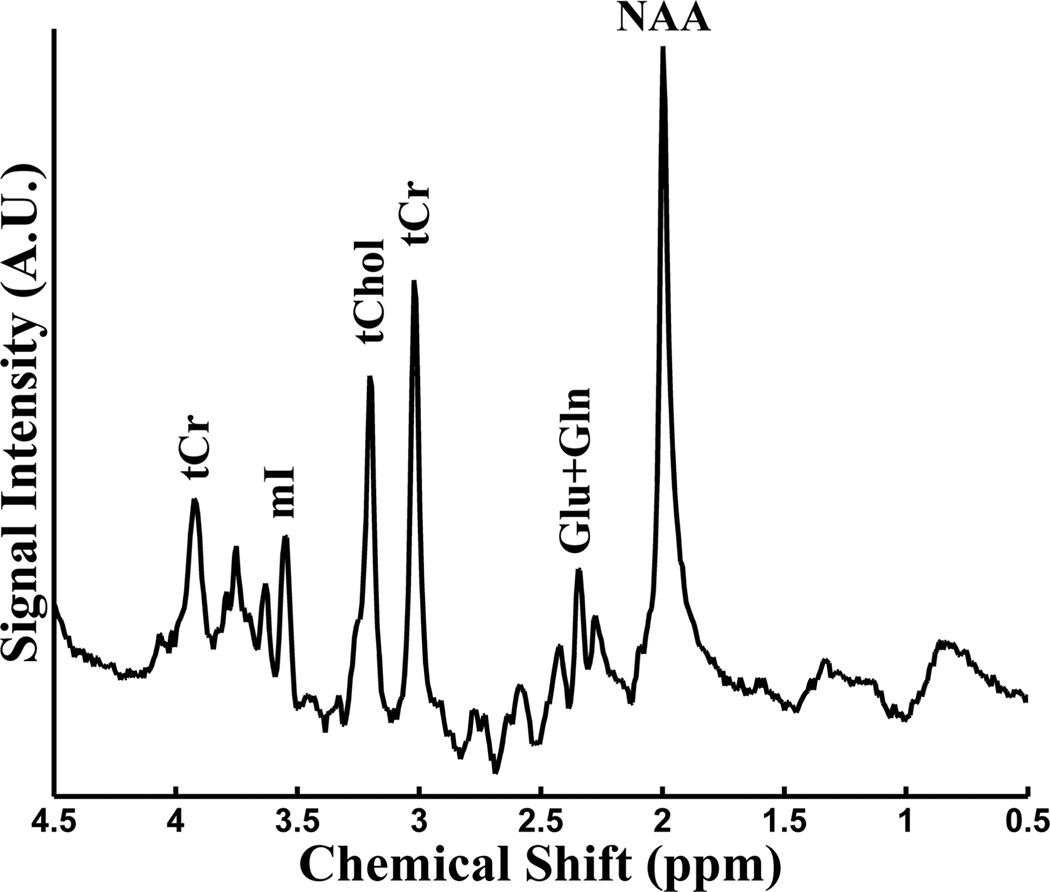
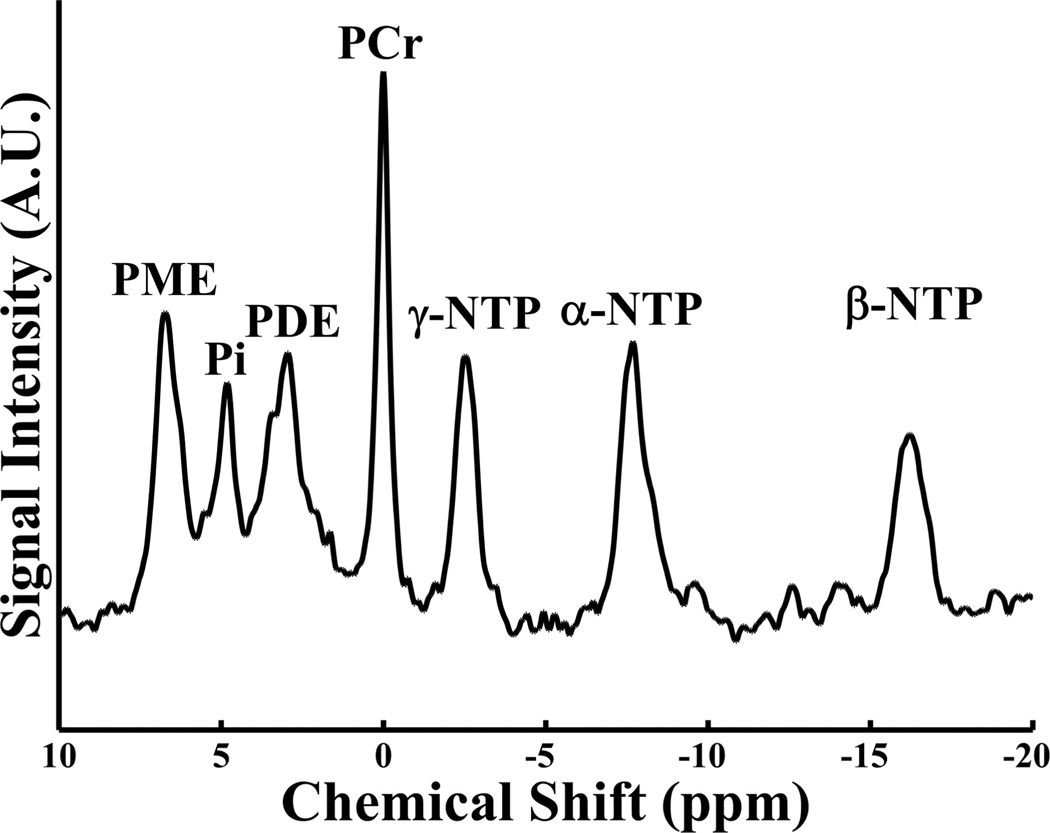
Pediatric bipolar disorder is a severe mental illness whose pathophysiology is poorly understood and for which there is an urgent need for improved diagnosis and treatment. MR spectroscopy is a neuroimaging method capable of in vivo measurement of neurochemicals relevant to bipolar disorder neurobiology. MR spectroscopy studies of adult bipolar disorder provide consistent evidence for alterations in the glutamate system and mitochondrial function. In bipolar disorder, these 2 phenomena may be linked because 85% of glucose in the brain is consumed by glutamatergic neurotransmission and the conversion of glutamate to glutamine. The purpose of this article is to review the MR spectroscopic imaging literature in pediatric bipolar disorder, at-risk samples, and severe mood dysregulation, with a focus on the published findings that are relevant to glutamatergic and mitochondrial functioning. Potential directions for future MR spectroscopy studies of the glutamate system and mitochondrial dysfunction in pediatric bipolar disorder are discussed.
小儿双相情感障碍是一种严重的精神疾病,其病理生理学尚不清楚,迫切需要改进诊断和治疗方法。磁共振波谱是一种神经成像方法,能够在体内测量与双相情感障碍神经生物学相关的神经化学物质。对成人双相情感障碍的磁共振波谱研究为谷氨酸系统和线粒体功能的改变提供了一致的证据。在双相情感障碍中,这两种现象可能有关联,因为大脑中85%的葡萄糖被谷氨酸能神经传递以及谷氨酸向谷氨酰胺的转化所消耗。本文的目的是回顾小儿双相情感障碍、高危样本和严重情绪失调的磁共振波谱成像文献,重点关注与谷氨酸能和线粒体功能相关的已发表研究结果。讨论了未来小儿双相情感障碍谷氨酸系统和线粒体功能障碍磁共振波谱研究的潜在方向。