Shashni Babita, Sharma Karun, Singh Rumani, Sakharkar Kishore R, Dhillon Sarinder K, Nagasaki Yukio, Sakharkar Meena K
BMC Genomics. 2013;14 Suppl 5(Suppl 5):S6. doi: 10.1186/1471-2164-14-S5-S6. Epub 2013 Oct 16.
Coffee contains several compounds that have the potential to influence breast cancer risk and survival. However, epidemiologic data on the relation between coffee compounds and breast cancer survival are sparse and inconsistent.
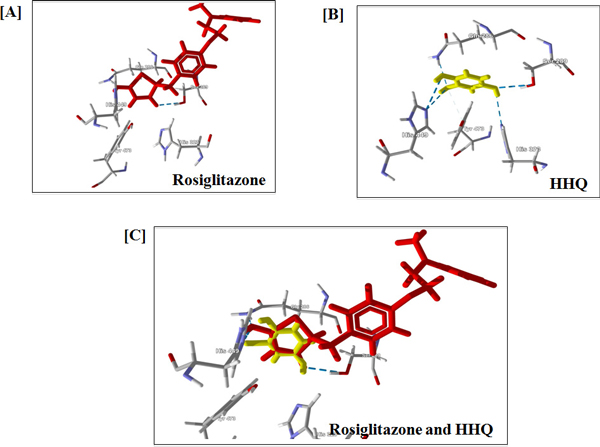
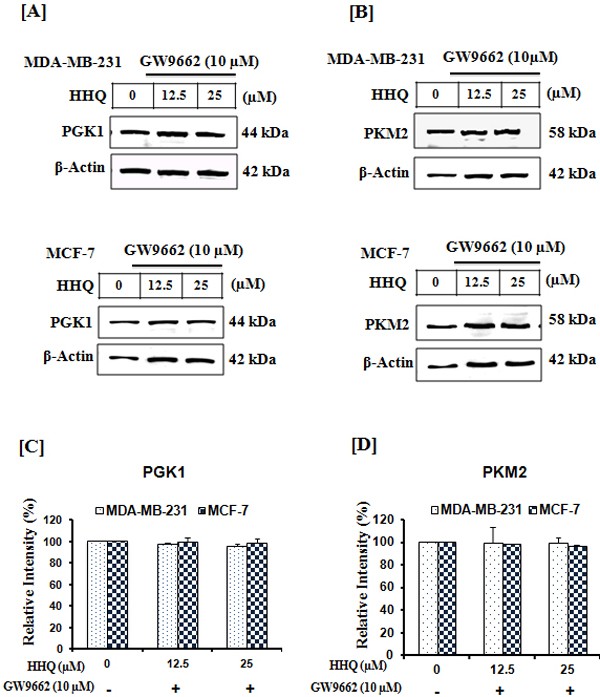
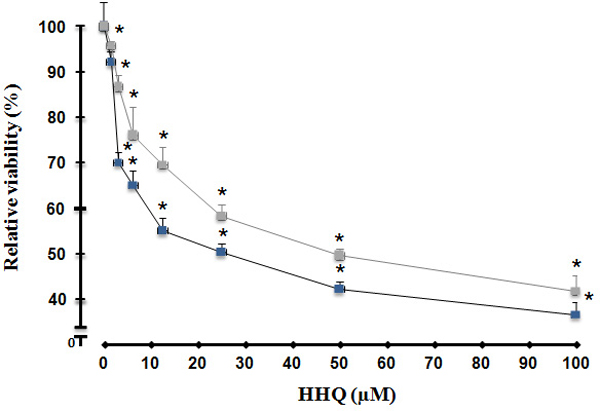
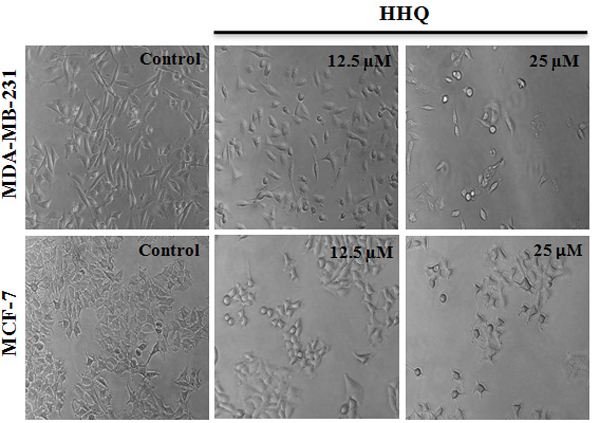
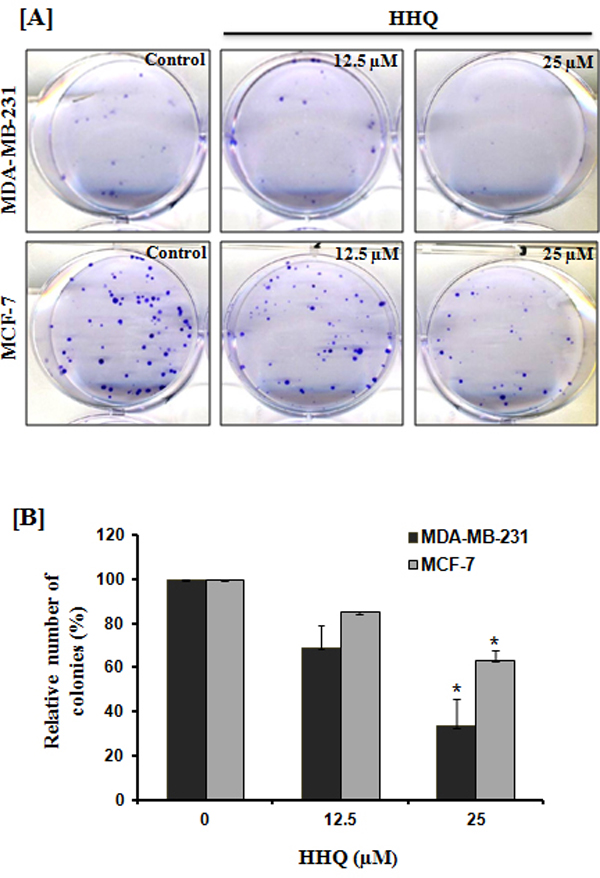
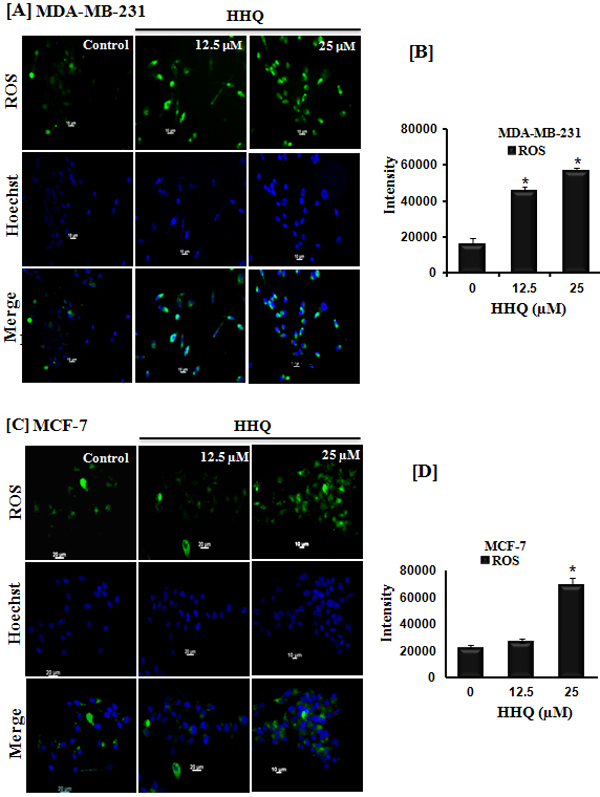
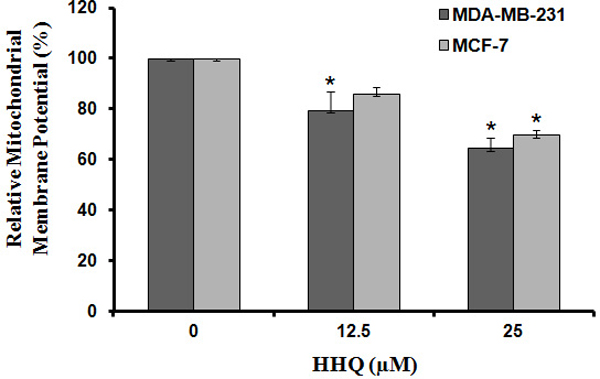
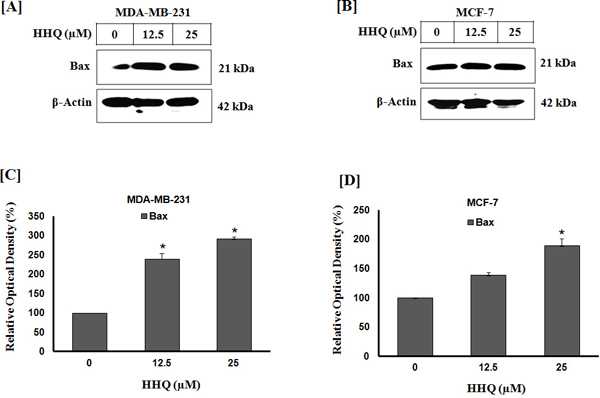
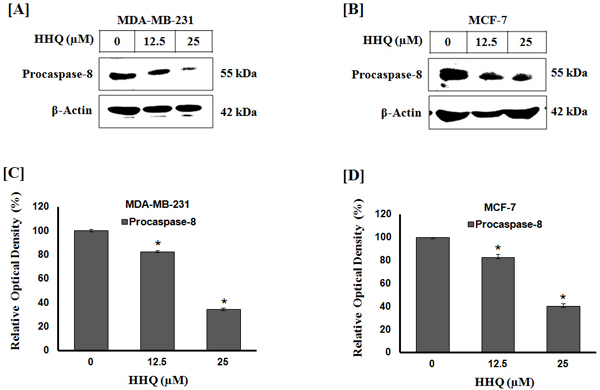
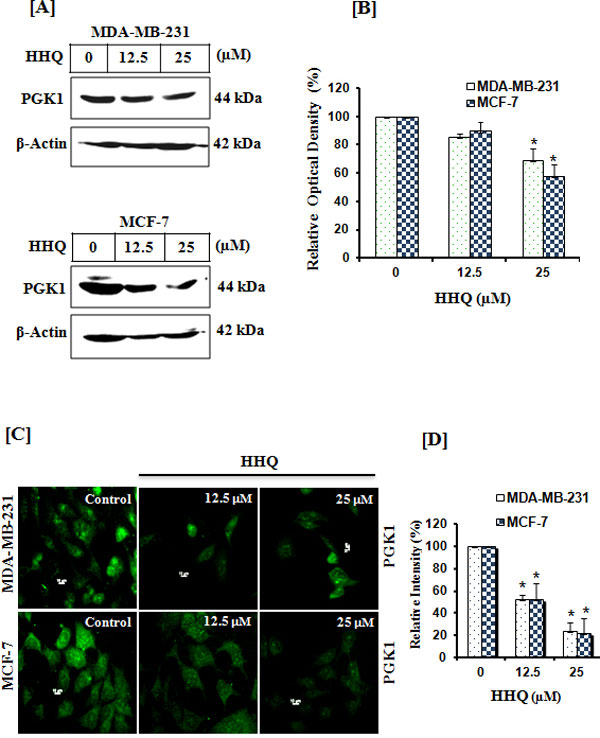
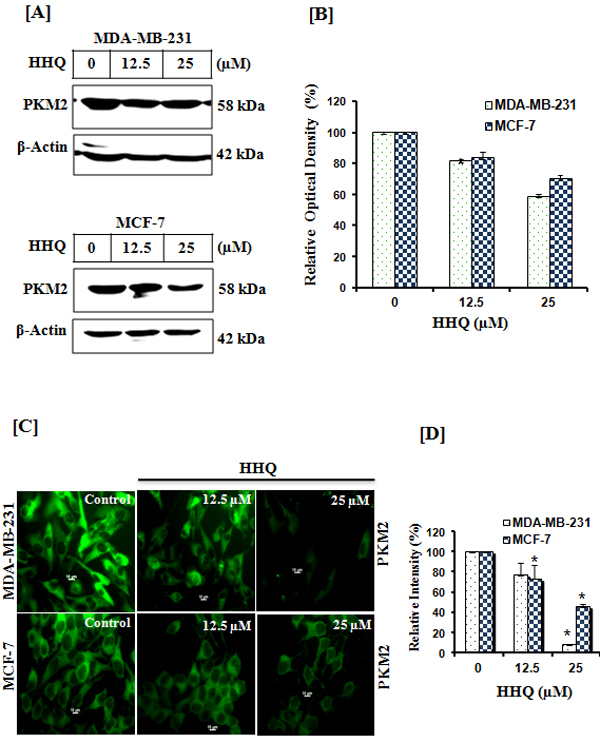
We show that coffee component HHQ has significant apoptotic effect on MDA-MB-231 and MCF-7 cells in vitro, and that ROS generation, change in mitochondrial membrane permeability, upregulation of Bax and Caspase-8 as well as down regulation of PGK1 and PKM2 expression may be important apoptosis-inducing mechanisms. The results suggest that PPARγ ligands may serve as potential therapeutic agents for breast cancer therapy. HHQ was also validated as a ligand for PPARγ by docking procedure.
This is the first report on the anti-breast cancer (in vitro) activity of HHQ.
咖啡含有多种可能影响乳腺癌风险和生存的化合物。然而,关于咖啡化合物与乳腺癌生存关系的流行病学数据稀少且不一致。
我们发现咖啡成分HHQ在体外对MDA-MB-231和MCF-7细胞具有显著的凋亡作用,活性氧生成、线粒体膜通透性改变、Bax和Caspase-8上调以及PGK1和PKM2表达下调可能是重要的凋亡诱导机制。结果表明,PPARγ配体可能作为乳腺癌治疗的潜在治疗剂。通过对接程序,HHQ也被验证为PPARγ的配体。
这是关于HHQ抗乳腺癌(体外)活性的首次报道。