Cancer Vaccine Center, Dana-Farber Cancer Institute, Harvard Medical School , Boston, MA , USA ; Department of Medicine, Harvard Medical School , Boston, MA , USA.
Cancer Vaccine Center, Dana-Farber Cancer Institute, Harvard Medical School , Boston, MA , USA ; Center for Biological Sequence Analysis, Technical University of Denmark , Lyngby , Denmark.
Front Immunol. 2014 Feb 7;5:38. doi: 10.3389/fimmu.2014.00038. eCollection 2014.
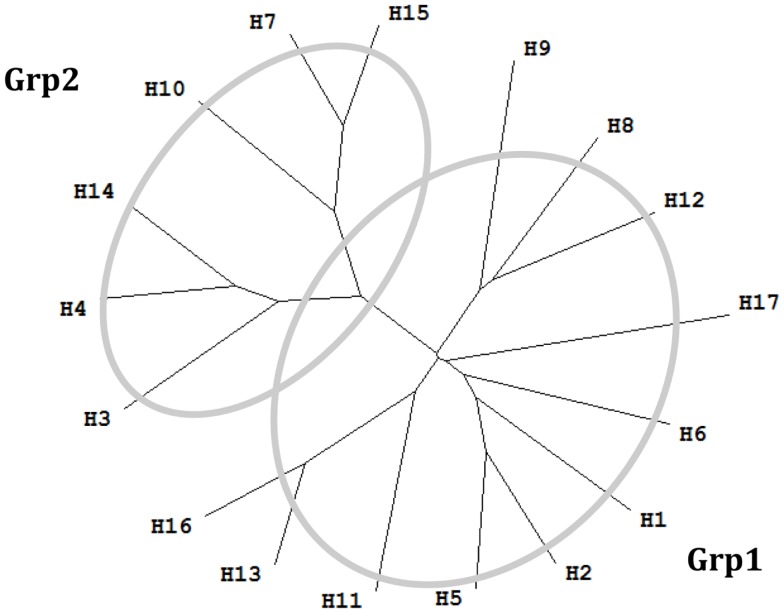
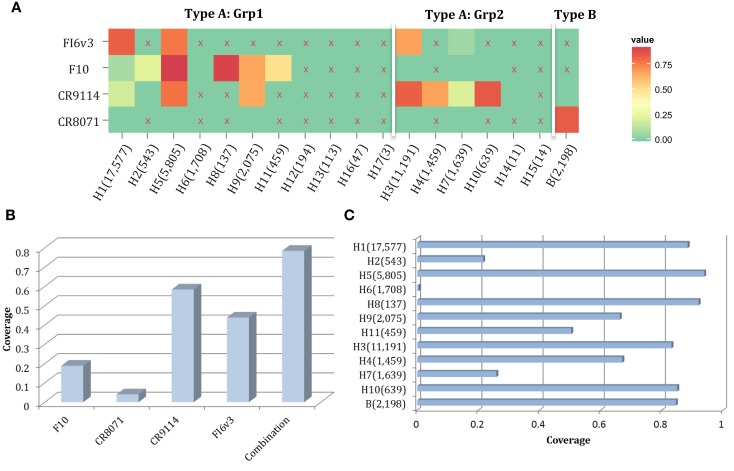
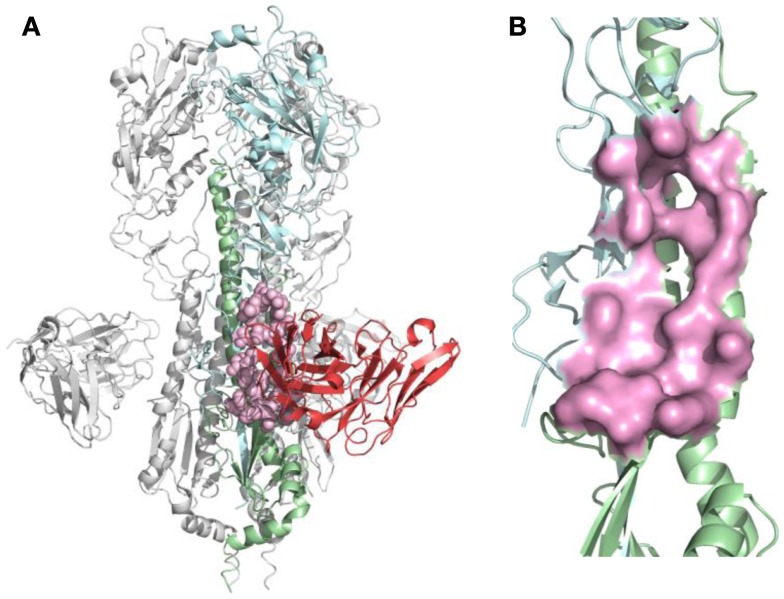
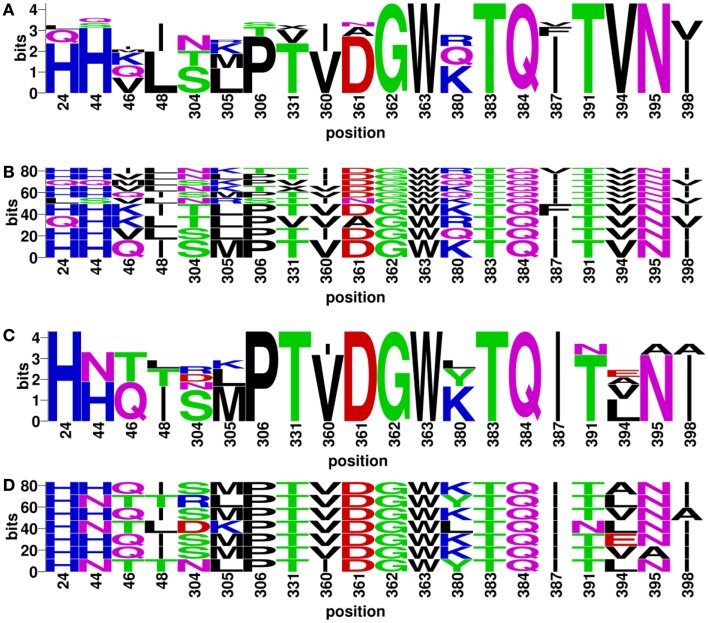
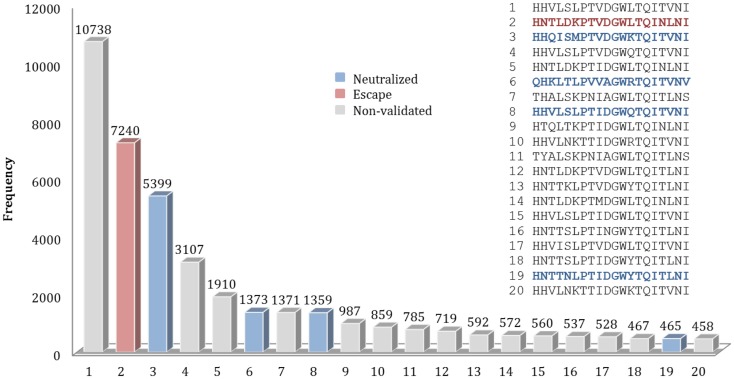
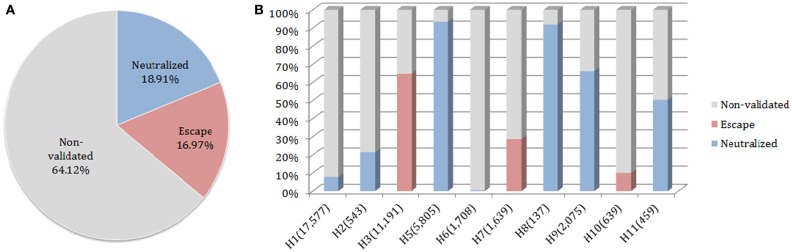
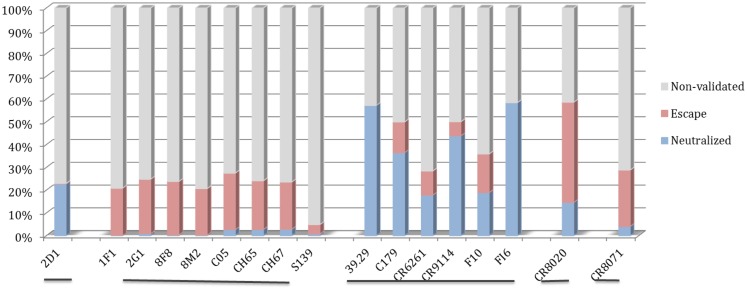
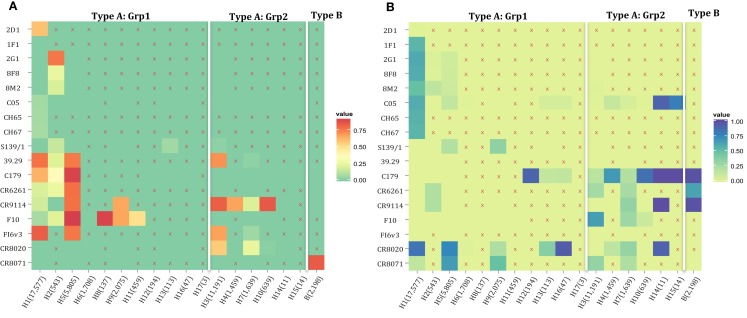
Influenza viruses continue to cause substantial morbidity and mortality worldwide. Fast gene mutation on surface proteins of influenza virus result in increasing resistance to current vaccines and available antiviral drugs. Broadly neutralizing antibodies (bnAbs) represent targets for prophylactic and therapeutic treatments of influenza. We performed a systematic bioinformatics study of cross-reactivity of neutralizing antibodies (nAbs) against influenza virus surface glycoprotein hemagglutinin (HA). This study utilized the available crystal structures of HA complexed with the antibodies for the analysis of tens of thousands of HA sequences. The detailed description of B-cell epitopes, measurement of epitope area similarity among different strains, and estimation of antibody neutralizing coverage provide insights into cross-reactivity status of existing nAbs against influenza virus. We have developed a method to assess the likely cross-reactivity potential of bnAbs for influenza strains, either newly emerged or existing. Our method catalogs influenza strains by a new concept named discontinuous peptide, and then provide assessment of cross-reactivity. Potentially cross-reactive strains are those that share 100% identity with experimentally verified neutralized strains. By cataloging influenza strains and their B-cell epitopes for known bnAbs, our method provides guidance for selection of representative strains for further experimental design. The knowledge of sequences, their B-cell epitopes, and differences between historical influenza strains, we enhance our preparedness and the ability to respond to the emerging pandemic threats.
流感病毒在全球范围内继续导致大量发病率和死亡率。流感病毒表面蛋白的快速基因突变导致对现有疫苗和可用抗病毒药物的耐药性不断增加。广泛中和抗体(bnAbs)是预防和治疗流感的目标。我们对针对流感病毒表面糖蛋白血凝素(HA)的中和抗体(nAbs)的交叉反应性进行了系统的生物信息学研究。该研究利用 HA 与抗体复合物的现有晶体结构分析了数万种 HA 序列。B 细胞表位的详细描述、不同菌株之间表位面积相似性的测量以及抗体中和覆盖范围的估计,为了解现有 nAbs 对流感病毒的交叉反应状态提供了线索。我们开发了一种评估 bnAbs 对新出现或现有流感株可能交叉反应潜力的方法。我们的方法通过一个名为不连续肽的新概念对流感株进行分类,然后对交叉反应性进行评估。可能具有交叉反应性的菌株是那些与经实验验证的中和菌株具有 100%同一性的菌株。通过对已知 bnAbs 的流感株及其 B 细胞表位进行分类,我们的方法为进一步实验设计选择代表性菌株提供了指导。对序列、其 B 细胞表位以及历史流感株之间差异的了解,增强了我们的准备程度和应对新出现的大流行威胁的能力。