
H5N1 流感病毒血凝素的构象稳定性影响对广谱中和茎部抗体的敏感性。
Conformational Stability of the Hemagglutinin of H5N1 Influenza A Viruses Influences Susceptibility to Broadly Neutralizing Stem Antibodies.
机构信息
Laboratory of Immunoregulation, Division of Viral Products, Center for Biologics Evaluation and Research, U.S. Food and Drug Administration, Silver Spring, Maryland, USA
Laboratory of Immunoregulation, Division of Viral Products, Center for Biologics Evaluation and Research, U.S. Food and Drug Administration, Silver Spring, Maryland, USA.
出版信息
J Virol. 2018 May 29;92(12). doi: 10.1128/JVI.00247-18. Print 2018 Jun 15.
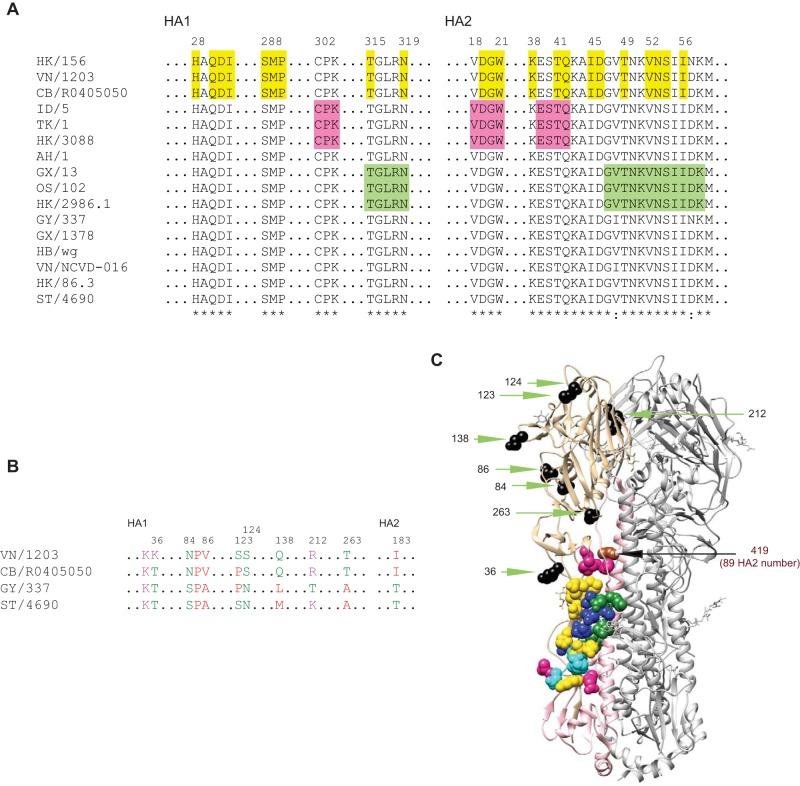
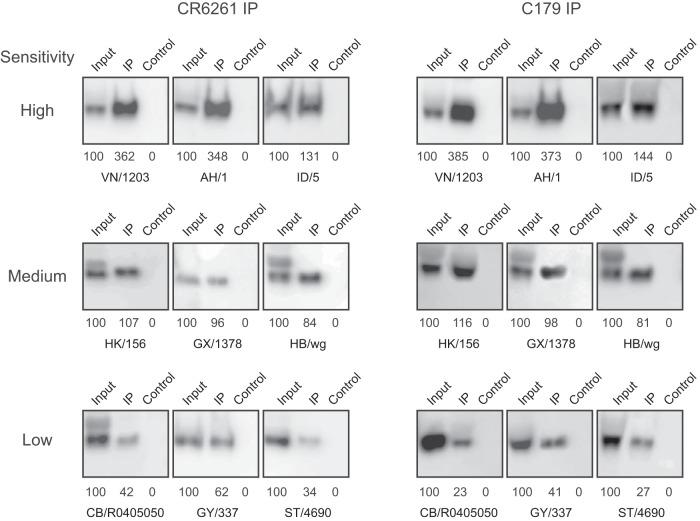
Vaccines that elicit broadly neutralizing antibodies to the conserved stem of hemagglutinin (HA) are being developed as universal influenza vaccines that protect against influenza across multiple years. However, different influenza virus strains, even those in the same subtype with identical stem sequences, can vary in susceptibility to broadly neutralizing stem antibodies, and the reasons are not understood. Here we studied potential mechanisms underlying the differing sensitivities of a panel of H5N1 HA pseudoviruses to broadly neutralizing stem antibodies. We found that greater HA conformational stability, as measured by thermal inactivation and pH triggering of conformational changes, correlates with reduced neutralization sensitivity and antibody binding to HA under neutral- and low-pH conditions. Our data indicate that the conformational stability of HA is an important attribute of susceptibility to broadly neutralizing stem antibodies and is influenced by residues outside the stem antibody epitopes. The influenza virus surface glycoprotein hemagglutinin (HA) mediates virus attachment and membrane fusion between virus and host cells, allowing the viral core to enter the host cell cytoplasm for replication. Fusion occurs when HA undergoes low-pH-induced-conformational changes during endocytosis. Broadly neutralizing antibodies targeted to the conserved stem region of HA interfere with conformational changes required for fusion. Vaccines that elicit such antibodies are being developed as novel universal influenza vaccines for multiyear protection. We investigated why H5N1 HAs from different strains differ in their sensitivity to broadly neutralizing stem antibodies despite having conserved epitopes. We report that HA conformational stability due to residues outside the antibody binding site accounted for much of the variation in susceptibility to neutralization by stem antibodies. These findings highlight the importance of nonepitope residues in influencing neutralization sensitivity to stem antibodies and the complexities in developing universal vaccines targeting conserved epitopes in the HA stem.
正在开发能够诱导针对血凝素 (HA) 保守茎部的广泛中和抗体的疫苗,作为可预防多种流感病毒的通用流感疫苗。然而,不同的流感病毒株,甚至是具有相同茎部序列的同一亚型中的病毒株,对广泛中和茎部抗体的敏感性也可能不同,其原因尚不清楚。在这里,我们研究了一组 H5N1 HA 假病毒对广泛中和茎部抗体的敏感性差异的潜在机制。我们发现,HA 的构象稳定性越高,即热失活和 pH 触发构象变化的程度越高,中和敏感性越低,在中性和低 pH 条件下抗体与 HA 的结合能力越低。我们的数据表明,HA 的构象稳定性是对广泛中和茎部抗体敏感性的一个重要属性,并且受到茎部抗体表位以外的残基的影响。流感病毒表面糖蛋白血凝素 (HA) 介导病毒与宿主细胞之间的病毒附着和膜融合,使病毒核心进入宿主细胞质进行复制。融合发生在 HA 在胞吞作用过程中经历低 pH 诱导的构象变化时。针对 HA 保守茎部区域的广泛中和抗体干扰融合所需的构象变化。正在开发针对这种抗体的疫苗作为用于多年保护的新型通用流感疫苗。我们研究了为什么来自不同株的 H5N1 HAs 尽管具有保守表位,但在对广泛中和茎部抗体的敏感性上存在差异。我们报告称,由于抗体结合位点以外的残基导致的 HA 构象稳定性解释了对茎部抗体中和敏感性差异的大部分原因。这些发现强调了非表位残基在影响对茎部抗体的中和敏感性以及开发针对 HA 茎部保守表位的通用疫苗的复杂性方面的重要性。



 Zotero 插件