Hinton David J, McGee-Lawrence Meghan E, Lee Moonnoh R, Kwong Hoi K, Westendorf Jennifer J, Choi Doo-Sup
Department of Molecular Pharmacology and Experimental Therapeutics, Mayo Clinic College of Medicine, Rochester, Minnesota, United States of America ; Neurobiology of Disease Program, Mayo Clinic College of Medicine, Rochester, Minnesota, United States of America.
Department of Orthopedic Surgery and Orthopedic Research, Mayo Clinic College of Medicine, Rochester, Minnesota, United States of America.
PLoS One. 2014 Feb 19;9(2):e88818. doi: 10.1371/journal.pone.0088818. eCollection 2014.
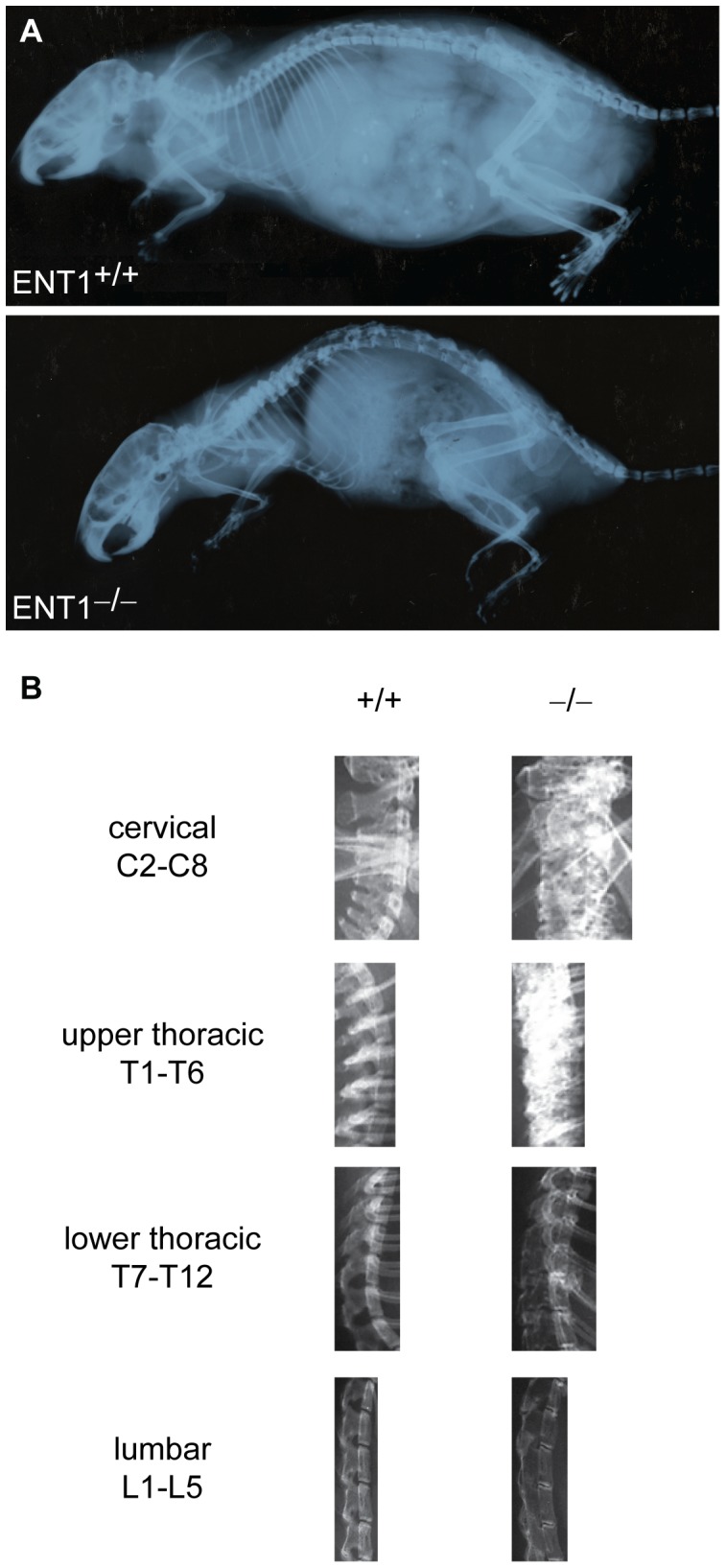
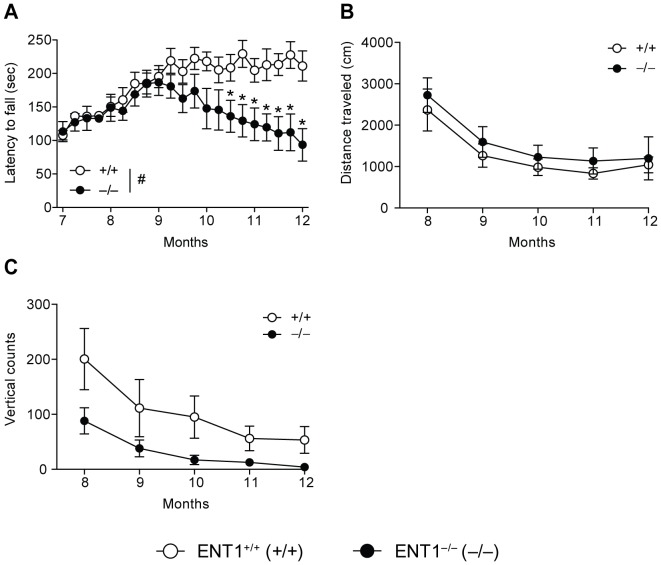
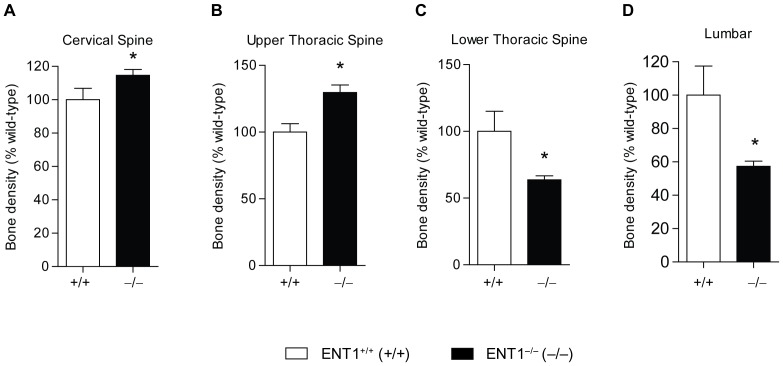
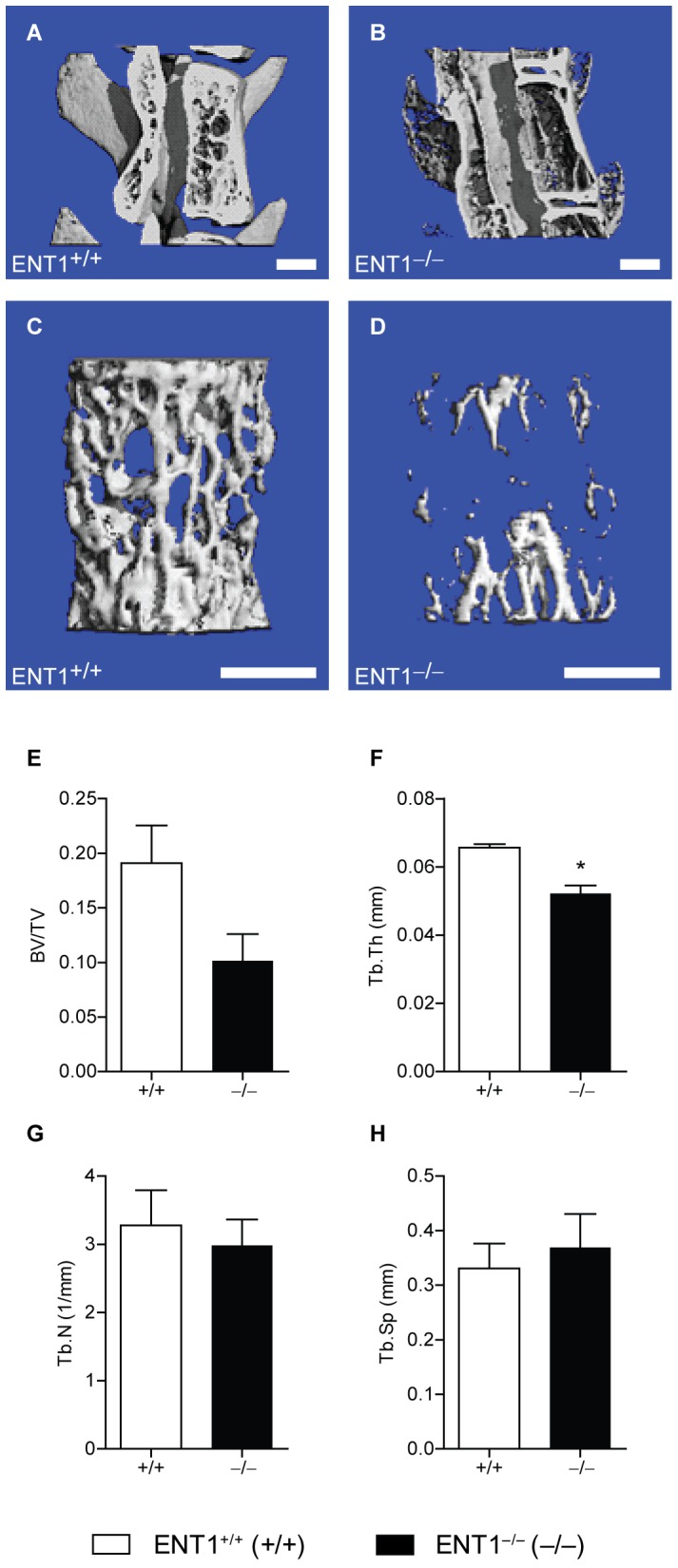
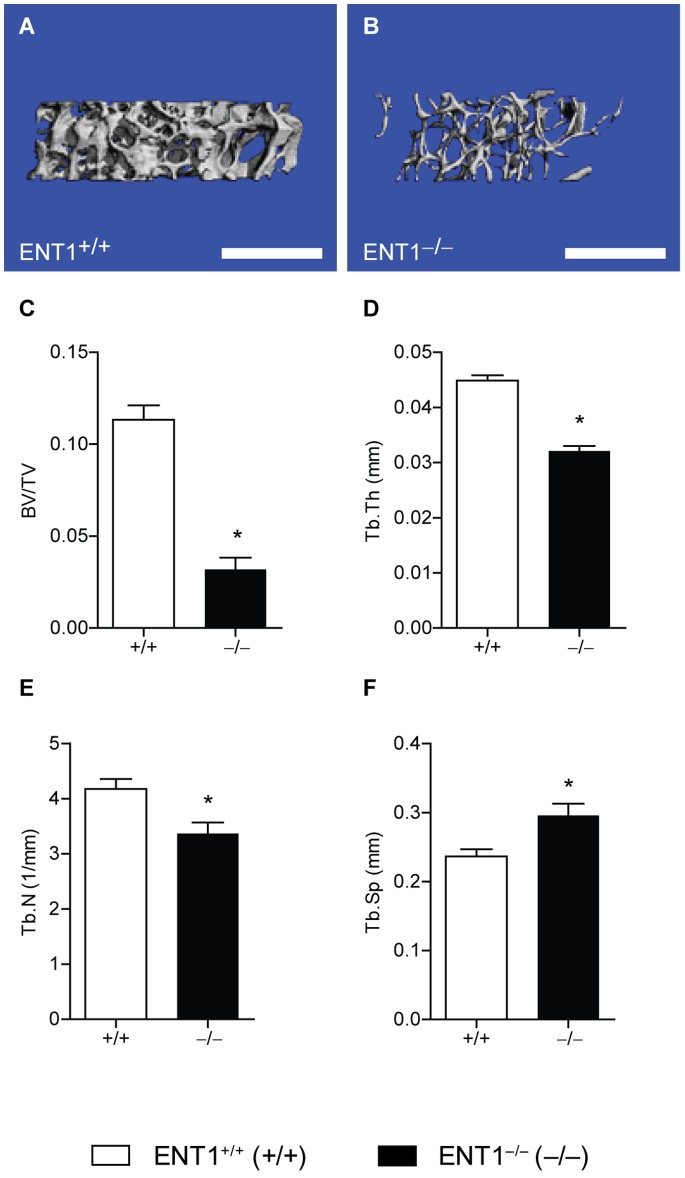
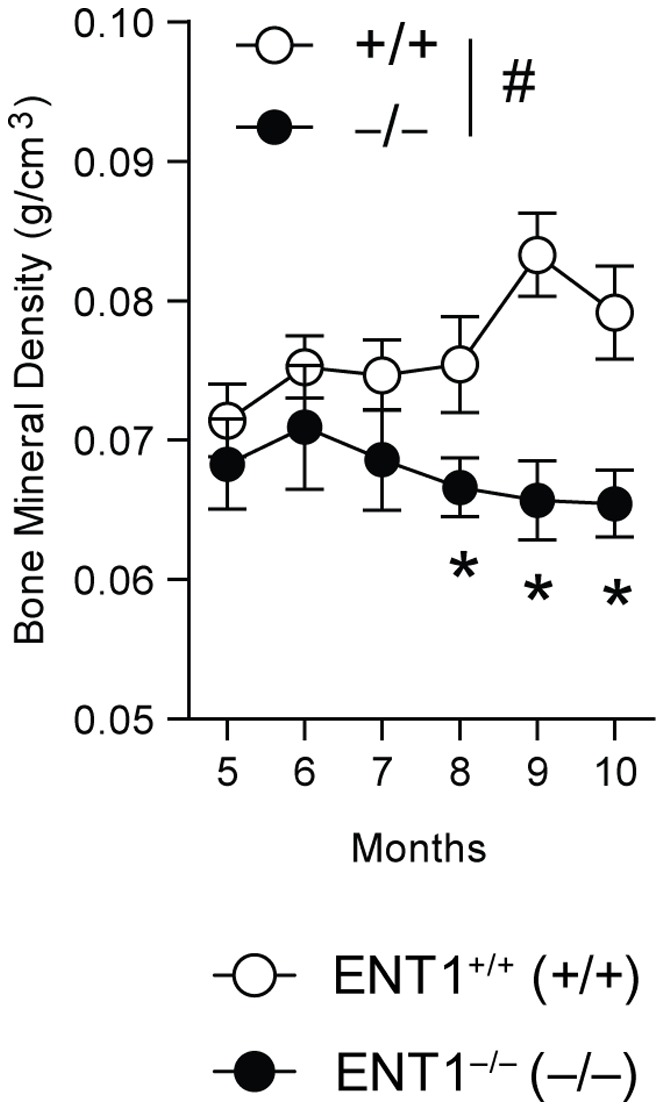
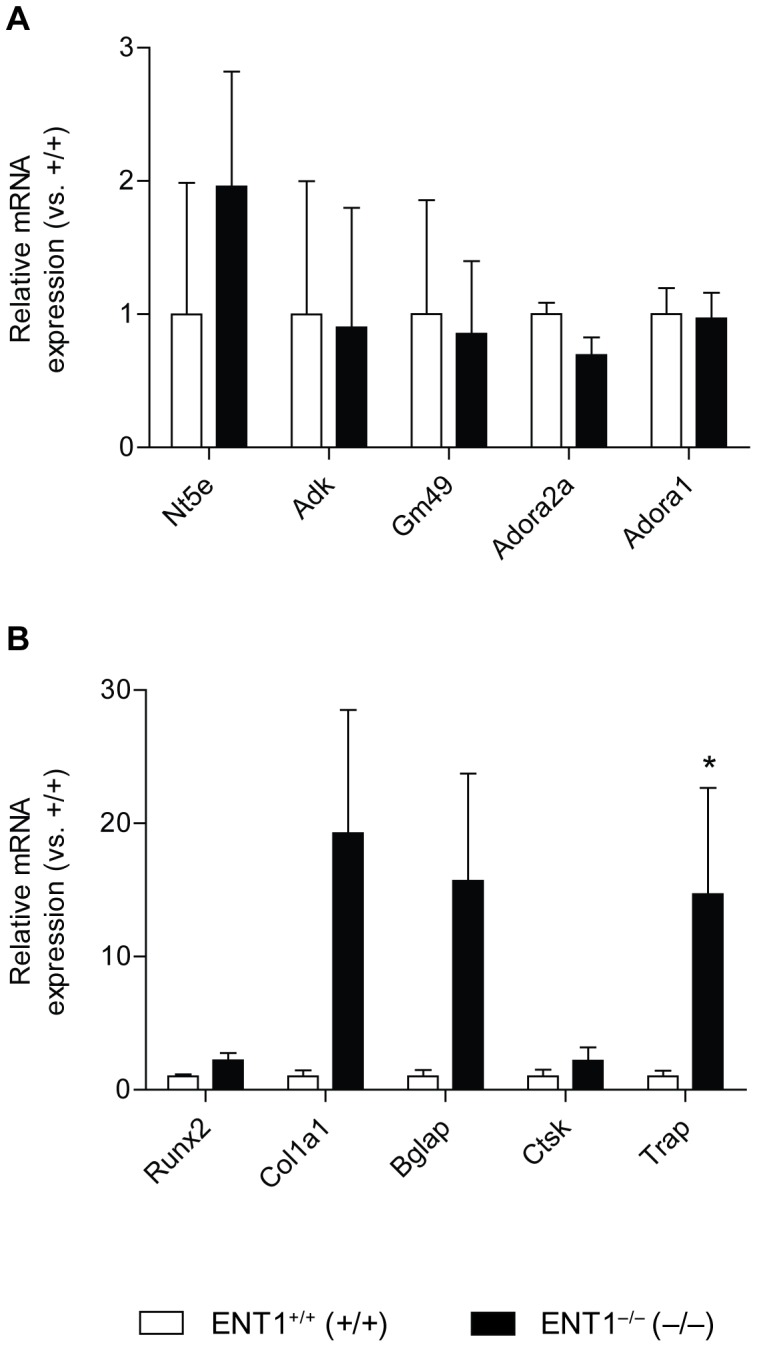
Adenosine is known to regulate bone production and resorption in humans and mice. Type 1 equilibrative nucleoside transporter (ENT1) is responsible for the majority of adenosine transport across the plasma membrane and is ubiquitously expressed in both humans and mice. However, the contribution of ENT1-mediated adenosine levels has not been studied in bone remodeling. With the recent identification of the importance of adenosine signaling in bone homeostasis, it is essential to understand the role of ENT1 to develop novel therapeutic compounds for bone disorders. Here we examined the effect of ENT1 deletion on bone density using X-ray, dual energy X-ray absorptiometry and micro-computerized tomography analysis. Our results show that bone density and bone mineral density is reduced in the lower thoracic and lumbar spine as well as the femur of old ENT1 null mice (>7 months) compared to wild-type littermates. Furthermore, we found increased mRNA expression of tartrate-resistant acid phosphatase (TRAP), an osteoclast marker, in isolated long bones from 10 month old ENT1 null mice compared to wild-type mice. In addition, aged ENT1 null mice displayed severe deficit in motor coordination and locomotor activity, which might be attributed to dysregulated bone density. Overall, our study suggests that ENT1-regulated adenosine signaling plays an essential role in lumbar spine and femur bone density.
已知腺苷可调节人类和小鼠的骨生成与骨吸收。1型平衡核苷转运体(ENT1)负责大部分腺苷跨质膜的转运,在人类和小鼠中均广泛表达。然而,ENT1介导的腺苷水平在骨重塑中的作用尚未得到研究。鉴于最近已确定腺苷信号在骨稳态中的重要性,了解ENT1的作用对于开发治疗骨疾病的新型化合物至关重要。在此,我们使用X射线、双能X射线吸收法和微计算机断层扫描分析,研究了ENT1缺失对骨密度的影响。我们的结果表明,与野生型同窝小鼠相比,老年ENT1基因敲除小鼠(>7个月)的下胸椎和腰椎以及股骨的骨密度和骨矿物质密度降低。此外,我们发现,与野生型小鼠相比,10月龄ENT1基因敲除小鼠分离出的长骨中抗酒石酸酸性磷酸酶(TRAP,一种破骨细胞标志物)的mRNA表达增加。此外,老年ENT1基因敲除小鼠表现出严重的运动协调和运动能力缺陷,这可能归因于骨密度失调。总体而言,我们的研究表明,ENT1调节的腺苷信号在腰椎和股骨骨密度中起重要作用。