Laboratory of Molecular RNA Virology and Antiviral Strategies, Department of Microbiology, Yong Loo Lin School of Medicine, National University Health System, National University of Singapore, Singapore, Singapore.
PLoS Negl Trop Dis. 2014 Feb 20;8(2):e2661. doi: 10.1371/journal.pntd.0002661. eCollection 2014 Feb.
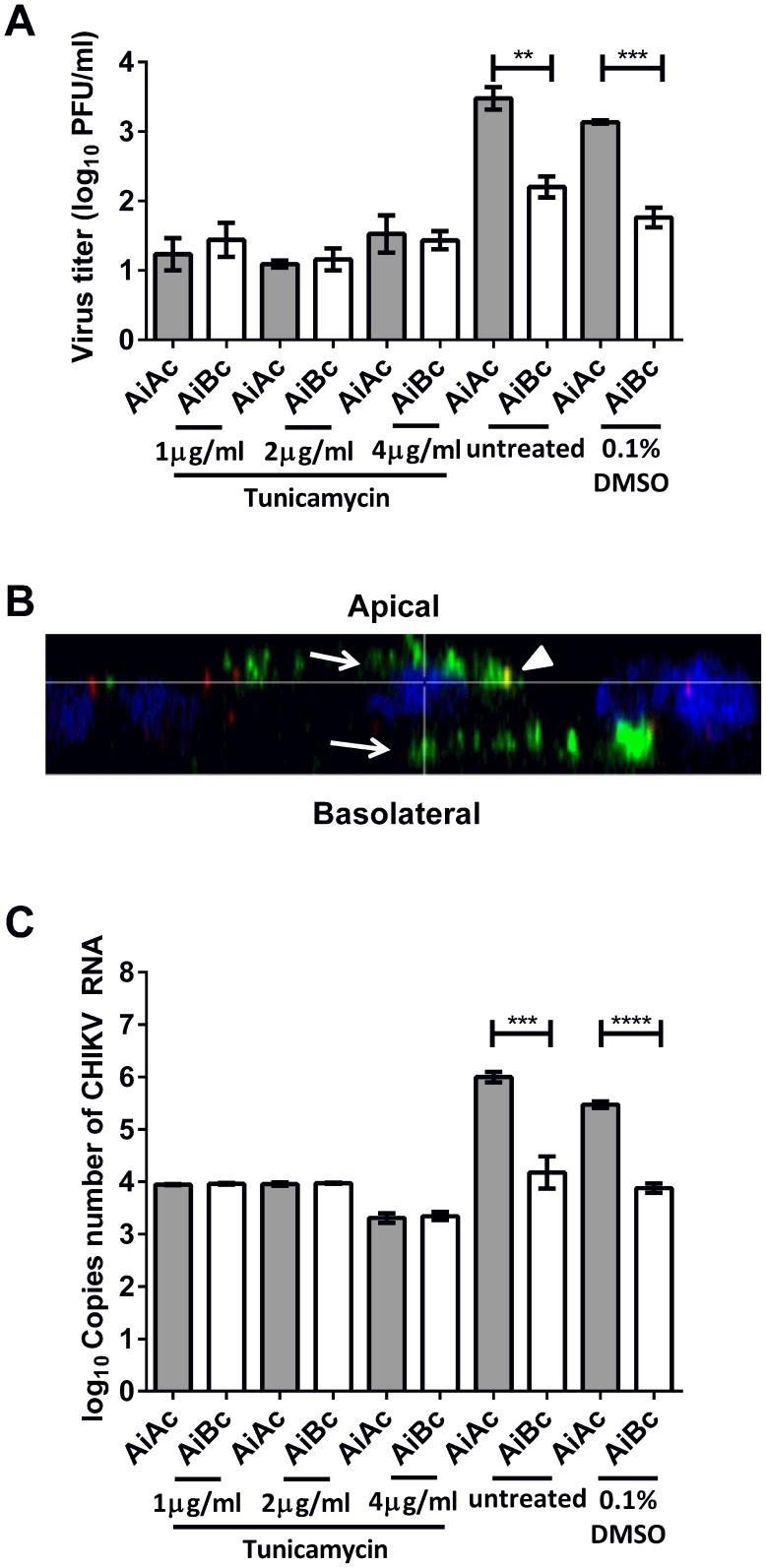
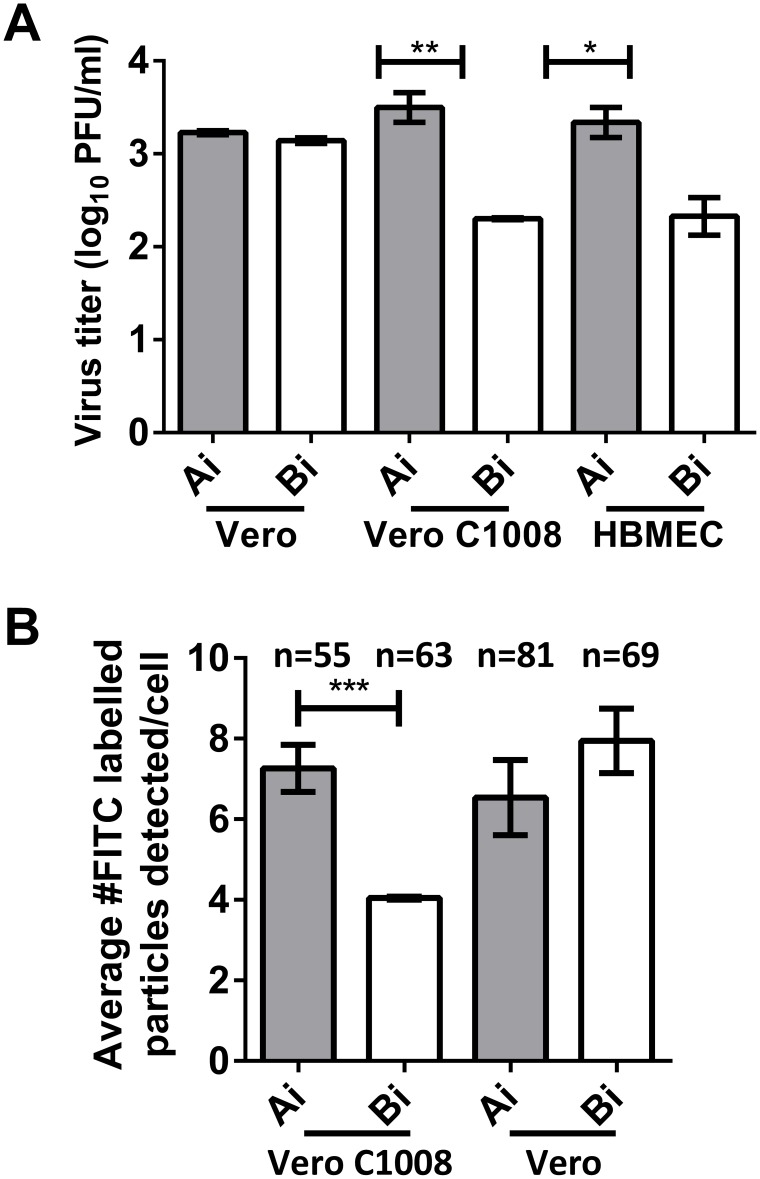
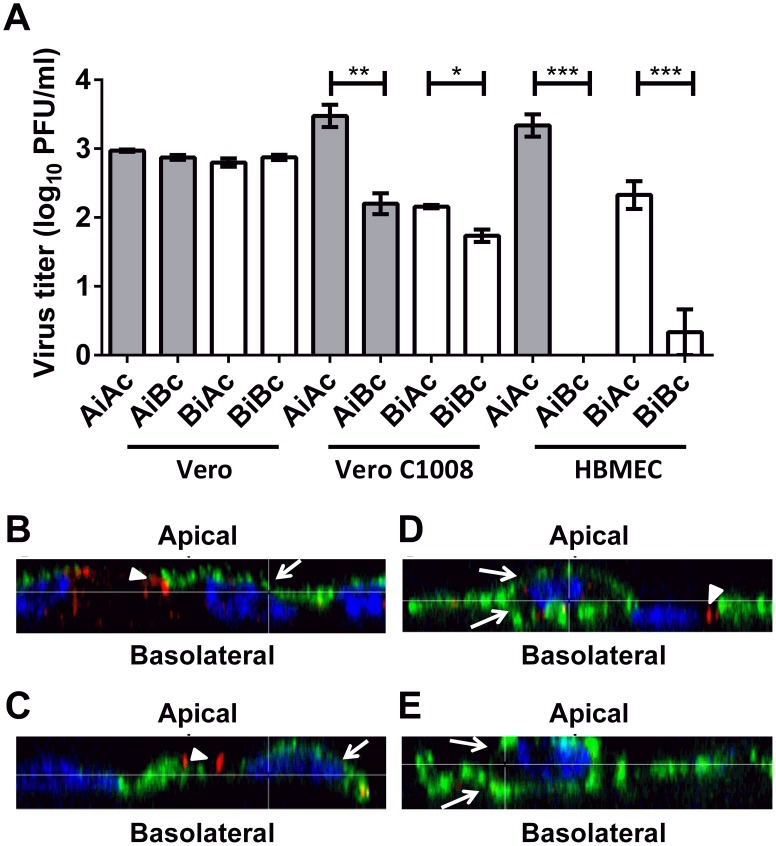
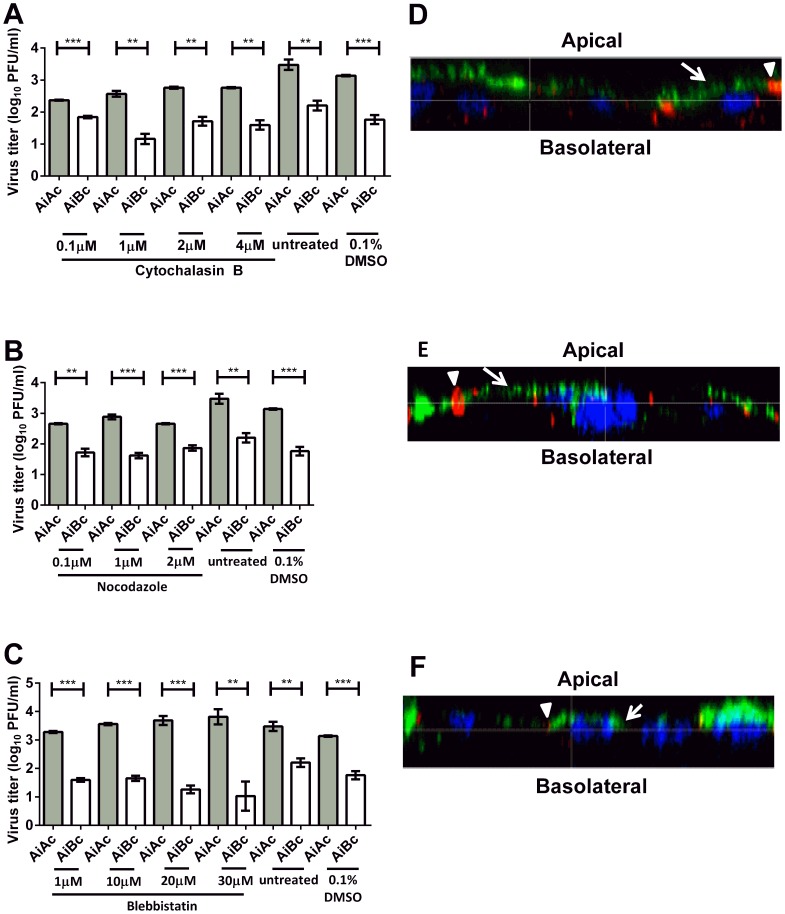
Chikungunya virus (CHIKV) has resulted in several outbreaks in the past six decades. The clinical symptoms of Chikungunya infection include fever, skin rash, arthralgia, and an increasing incidence of encephalitis. The re-emergence of CHIKV with more severe pathogenesis highlights its potential threat on our human health. In this study, polarized HBMEC, polarized Vero C1008 and non-polarized Vero cells grown on cell culture inserts were infected with CHIKV apically or basolaterally. Plaque assays, viral binding assays and immunofluorescence assays demonstrated apical entry and release of CHIKV in polarized HBMEC and Vero C1008. Drug treatment studies were performed to elucidate both host cell and viral factors involved in the sorting and release of CHIKV at the apical domain of polarized cells. Disruption of host cell myosin II, microtubule and microfilament networks did not disrupt the polarized release of CHIKV. However, treatment with tunicamycin resulted in a bi-directional release of CHIKV, suggesting that N-glycans of CHIKV envelope glycoproteins could serve as apical sorting signals.
基孔肯雅病毒(CHIKV)在过去六十年中已经引发了几次爆发。基孔肯雅感染的临床症状包括发热、皮疹、关节痛以及脑炎发病率的增加。CHIKV 具有更强的发病机制再次出现,突出了其对人类健康的潜在威胁。在这项研究中,在细胞培养插入物上生长的极化 HBMEC、极化 Vero C1008 和非极化 Vero 细胞被感染了 CHIKV 的顶端或基底外侧。空斑测定、病毒结合测定和免疫荧光测定表明 CHIKV 在极化 HBMEC 和 Vero C1008 中通过顶端进入和释放。进行药物治疗研究以阐明在极化细胞的顶端区域中参与 CHIKV 分拣和释放的宿主细胞和病毒因素。破坏宿主细胞肌球蛋白 II、微管和微丝网络不会破坏 CHIKV 的极化释放。然而,用衣霉素处理会导致 CHIKV 的双向释放,这表明 CHIKV 包膜糖蛋白的 N-聚糖可以作为顶端分拣信号。