Lopez Valdes Alejandro, Mc Laughlin Myles, Viani Laura, Walshe Peter, Smith Jaclyn, Zeng Fan-Gang, Reilly Richard B
Trinity Centre for Bioengineering, Trinity College, Dublin, Ireland.
Trinity Centre for Bioengineering, Trinity College, Dublin, Ireland; Hearing and Speech Laboratory, University of California Irvine, Irvine, California, United States of America.
PLoS One. 2014 Mar 5;9(3):e90044. doi: 10.1371/journal.pone.0090044. eCollection 2014.
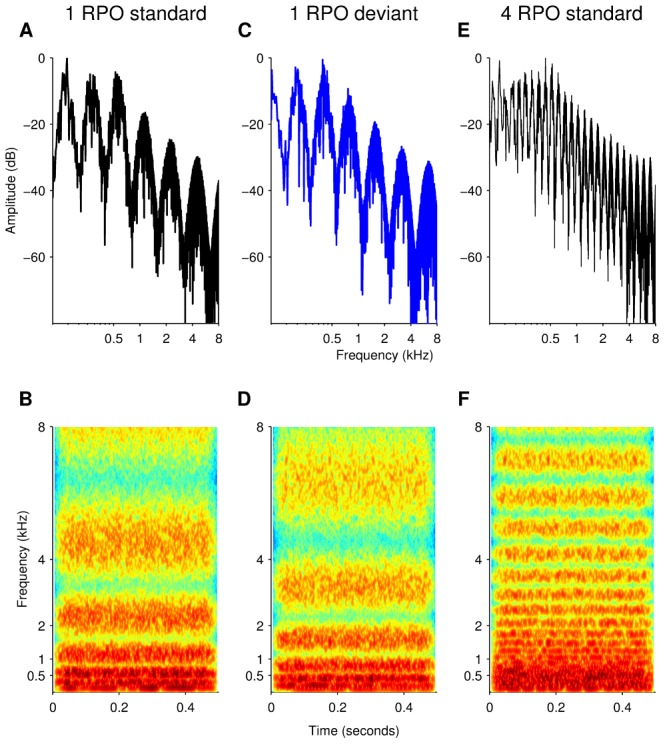
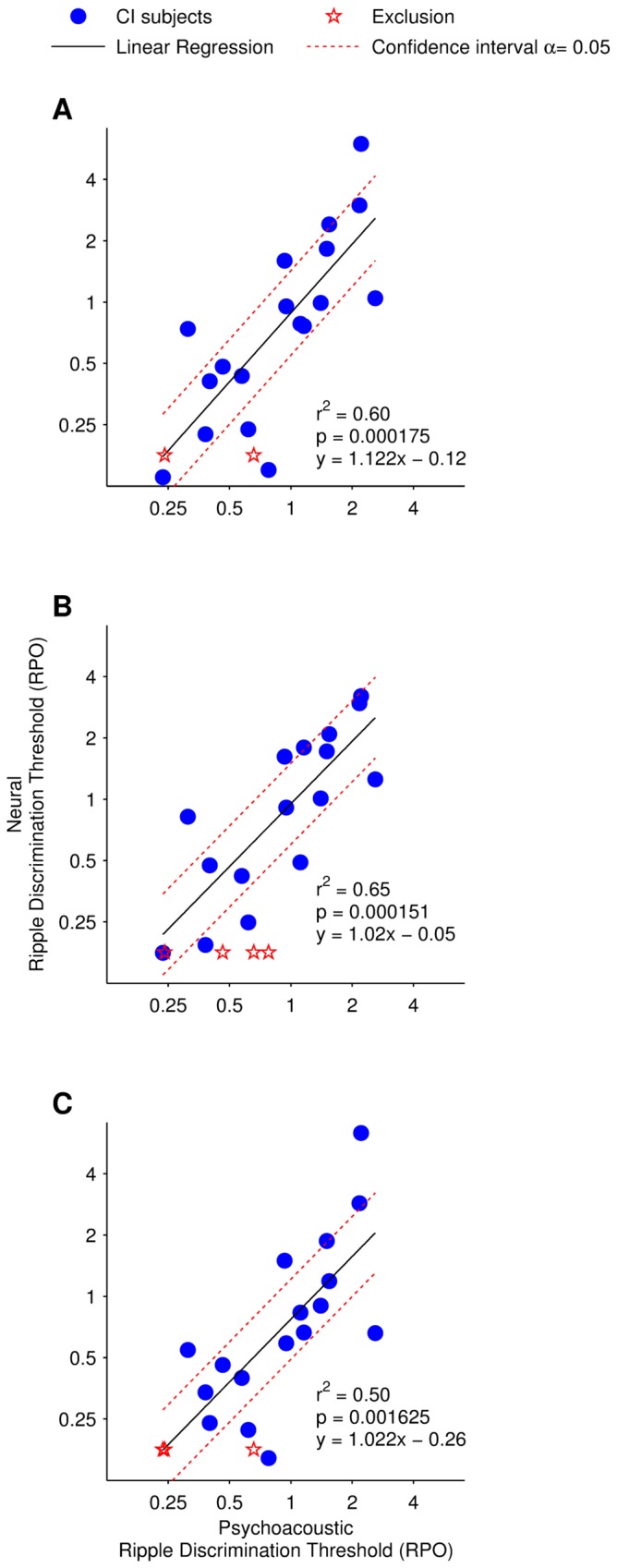
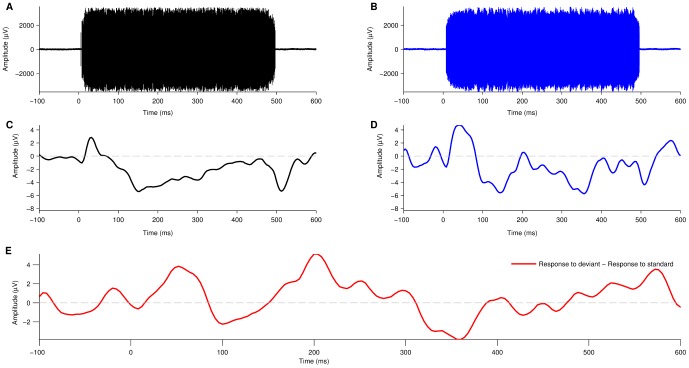
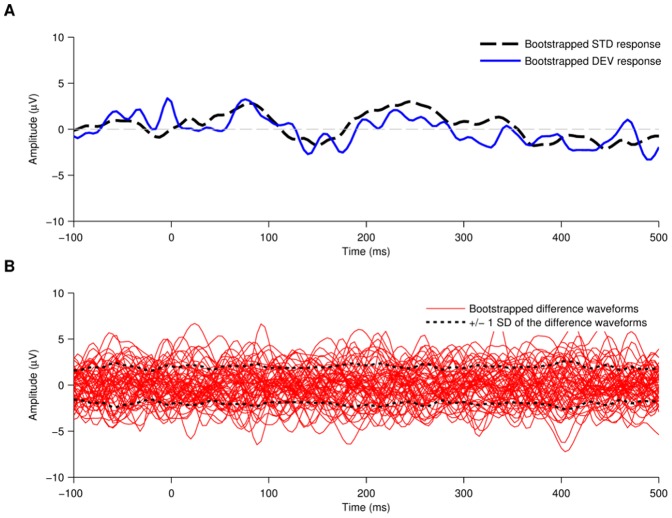
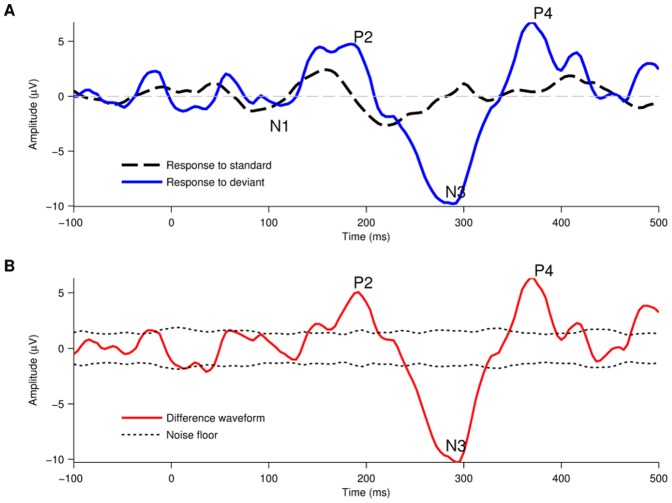
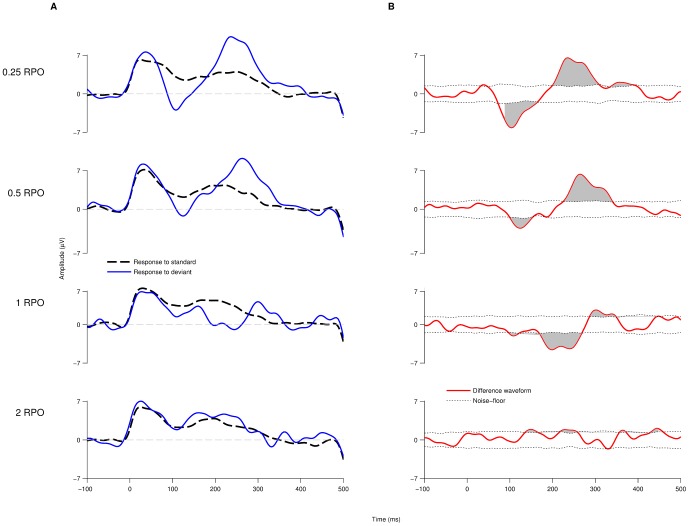
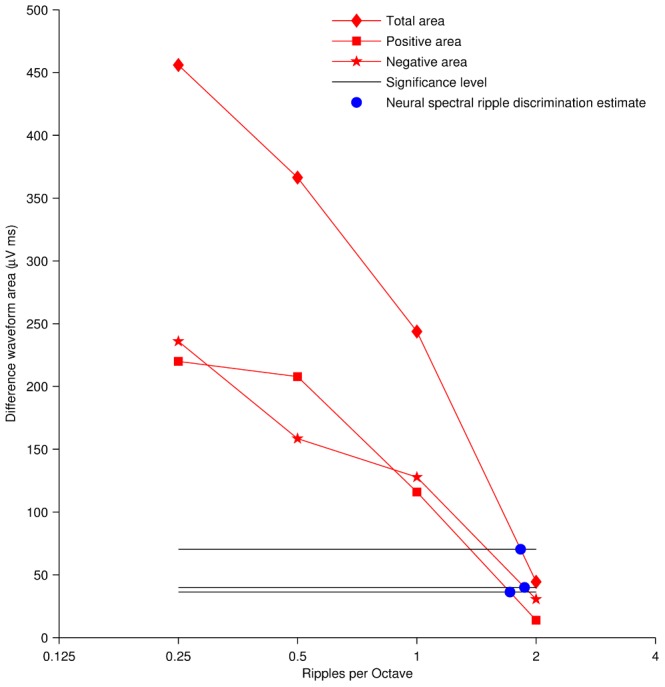
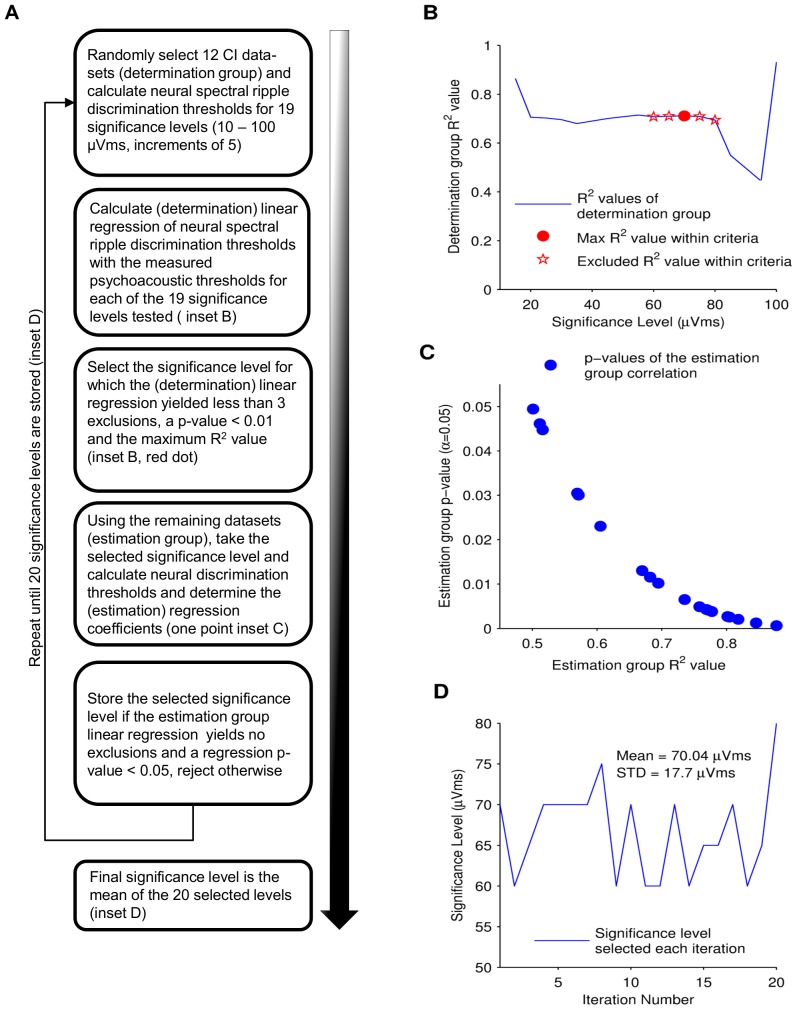
Cochlear implants (CIs) can partially restore functional hearing in deaf individuals. However, multiple factors affect CI listener's speech perception, resulting in large performance differences. Non-speech based tests, such as spectral ripple discrimination, measure acoustic processing capabilities that are highly correlated with speech perception. Currently spectral ripple discrimination is measured using standard psychoacoustic methods, which require attentive listening and active response that can be difficult or even impossible in special patient populations. Here, a completely objective cortical evoked potential based method is developed and validated to assess spectral ripple discrimination in CI listeners. In 19 CI listeners, using an oddball paradigm, cortical evoked potential responses to standard and inverted spectrally rippled stimuli were measured. In the same subjects, psychoacoustic spectral ripple discrimination thresholds were also measured. A neural discrimination threshold was determined by systematically increasing the number of ripples per octave and determining the point at which there was no longer a significant difference between the evoked potential response to the standard and inverted stimuli. A correlation was found between the neural and the psychoacoustic discrimination thresholds (R2=0.60, p<0.01). This method can objectively assess CI spectral resolution performance, providing a potential tool for the evaluation and follow-up of CI listeners who have difficulty performing psychoacoustic tests, such as pediatric or new users.
人工耳蜗(CI)可以部分恢复聋人的功能性听力。然而,多种因素会影响人工耳蜗使用者的言语感知,导致表现存在很大差异。基于非言语的测试,如频谱纹波辨别,可测量与言语感知高度相关的声学处理能力。目前,频谱纹波辨别是使用标准心理声学方法进行测量的,这种方法需要专注聆听和主动反应,而这在特殊患者群体中可能很难甚至无法做到。在此,开发并验证了一种基于完全客观的皮层诱发电位的方法,以评估人工耳蜗使用者的频谱纹波辨别能力。在19名人工耳蜗使用者中,采用奇偶数范式,测量了对标准和倒置频谱纹波刺激的皮层诱发电位反应。在同一受试者中,还测量了心理声学频谱纹波辨别阈值。通过系统地增加每倍频程的纹波数量,并确定对标准刺激和倒置刺激的诱发电位反应不再有显著差异的点,来确定神经辨别阈值。发现神经辨别阈值与心理声学辨别阈值之间存在相关性(R2 = 0.60,p < 0.01)。该方法可以客观地评估人工耳蜗的频谱分辨率性能,为评估和随访难以进行心理声学测试的人工耳蜗使用者(如儿童或新使用者)提供了一种潜在工具。