Tran Seav-Ly, Billoud Lucile, Lewis Steven B, Phillips Alan D, Schüller Stephanie
Norwich Medical School, University of East Anglia, Norwich Research Park, Norwich, UK; Gut Health and Food Safety Programme, Institute of Food Research, Norwich Research Park, Norwich, UK.
Cell Microbiol. 2014 Aug;16(8):1255-66. doi: 10.1111/cmi.12281. Epub 2014 Mar 21.
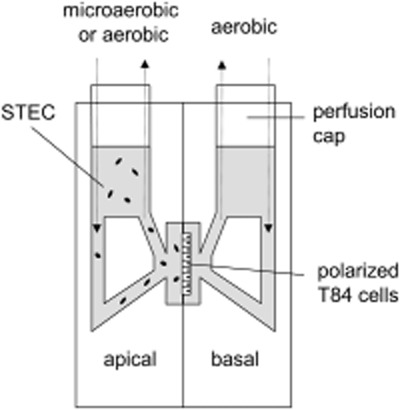
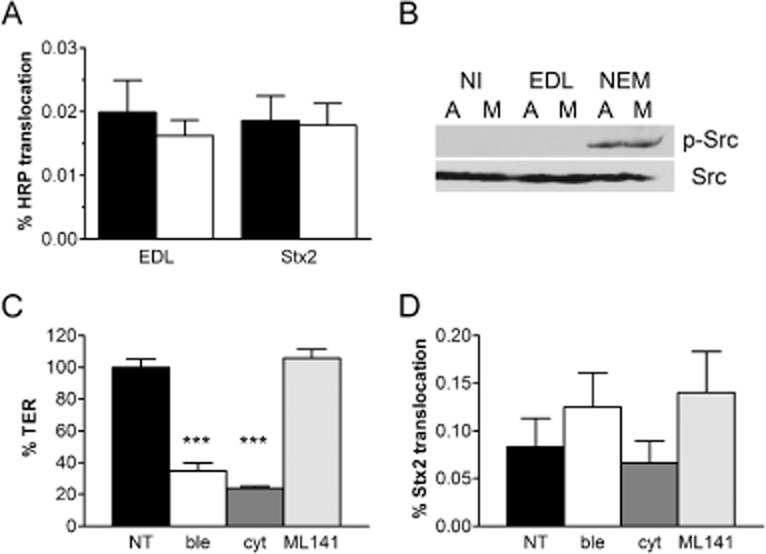
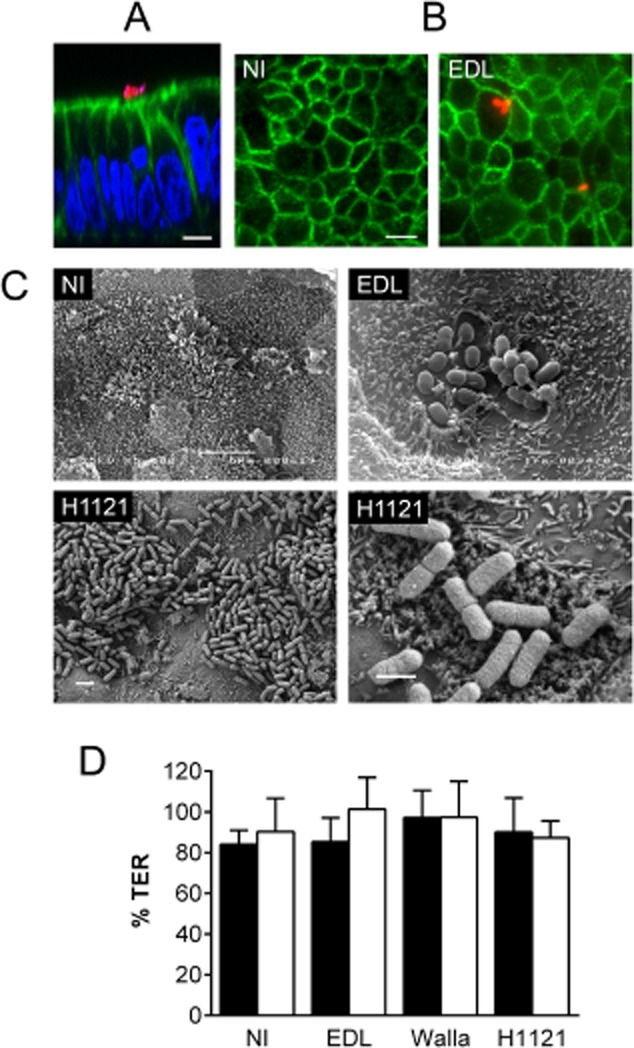
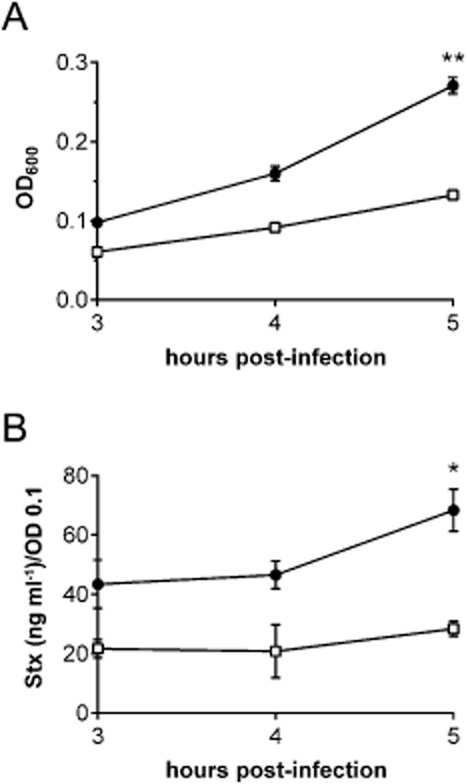
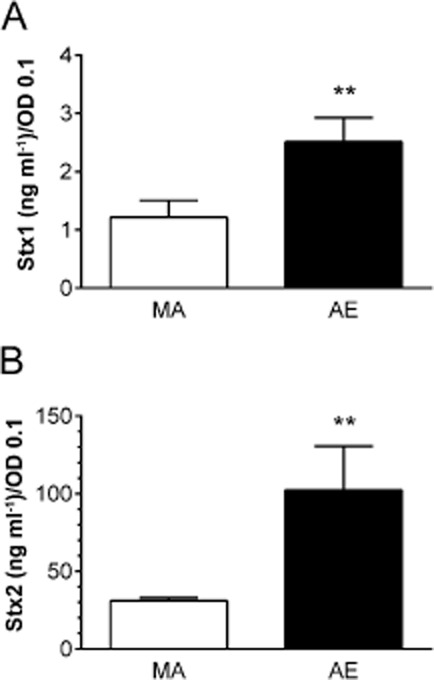
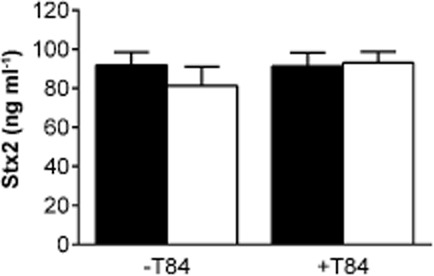
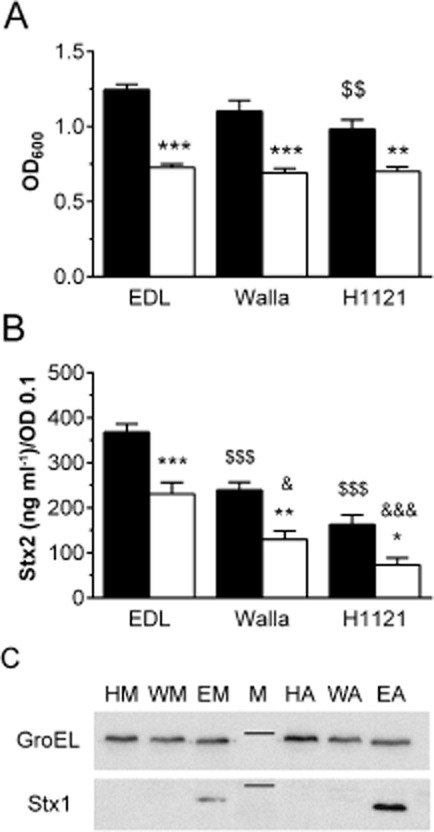
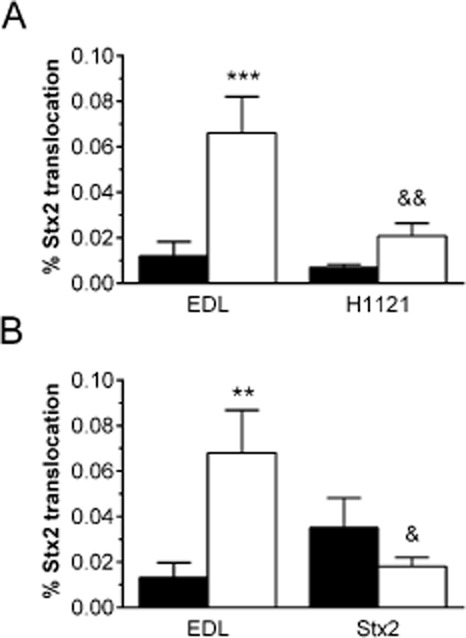
Haemolytic uraemic syndrome caused by Shiga toxin-producing E. coli (STEC) is dependent on release of Shiga toxins (Stxs) during intestinal infection and subsequent absorption into the bloodstream. An understanding of Stx-related events in the human gut is limited due to lack of suitable experimental models. In this study, we have used a vertical diffusion chamber system with polarized human colon carcinoma cells to simulate the microaerobic (MA) environment in the human intestine and investigate its influence on Stx release and translocation during STEC O157:H7 and O104:H4 infection. Stx2 was the major toxin type released during infection. Whereas microaerobiosis significantly reduced bacterial growth as well as Stx production and release into the medium, Stx translocation across the epithelial monolayer was enhanced under MA versus aerobic conditions. Increased Stx transport was dependent on STEC infection and occurred via a transcellular pathway other than macropinocytosis. While MA conditions had a similar general effect on Stx release and absorption during infection with STEC O157:H7 and O104:H4, both serotypes showed considerable differences in colonization, Stx production, and Stx translocation which suggest alternative virulence strategies. Taken together, our study suggests that the MA environment in the human colon may modulate Stx-related events and enhance Stx absorption during STEC infection.
由产志贺毒素大肠杆菌(STEC)引起的溶血性尿毒症综合征取决于肠道感染期间志贺毒素(Stxs)的释放以及随后吸收入血。由于缺乏合适的实验模型,对人类肠道中与Stx相关事件的了解有限。在本研究中,我们使用了带有极化人结肠癌细胞的垂直扩散室系统来模拟人类肠道中的微需氧(MA)环境,并研究其对STEC O157:H7和O104:H4感染期间Stx释放和转运的影响。Stx2是感染期间释放的主要毒素类型。虽然微需氧显著降低了细菌生长以及Stx的产生和释放到培养基中的量,但与需氧条件相比,在MA条件下Stx跨上皮单层的转运增强。Stx转运增加依赖于STEC感染,并且通过除巨吞饮作用之外的跨细胞途径发生。虽然MA条件对STEC O157:H7和O104:H4感染期间的Stx释放和吸收具有类似的总体影响,但两种血清型在定植、Stx产生和Stx转运方面表现出相当大的差异,这表明存在不同的毒力策略。综上所述,我们的研究表明,人类结肠中的MA环境可能调节与Stx相关的事件,并增强STEC感染期间的Stx吸收。