Han C, Lu Y, Wei Y, Wu B, Liu Y, He R
State Key Laboratory of Brain and Cognitive Sciences, Institute of Biophysics, Chinese Academy of Sciences, Beijing, China.
1] State Key Laboratory of Brain and Cognitive Sciences, Institute of Biophysics, Chinese Academy of Sciences, Beijing, China [2] School of Life Science, University of Science and Technology of China, Anhui, China.
Cell Death Dis. 2014 Mar 13;5(3):e1117. doi: 10.1038/cddis.2014.89.
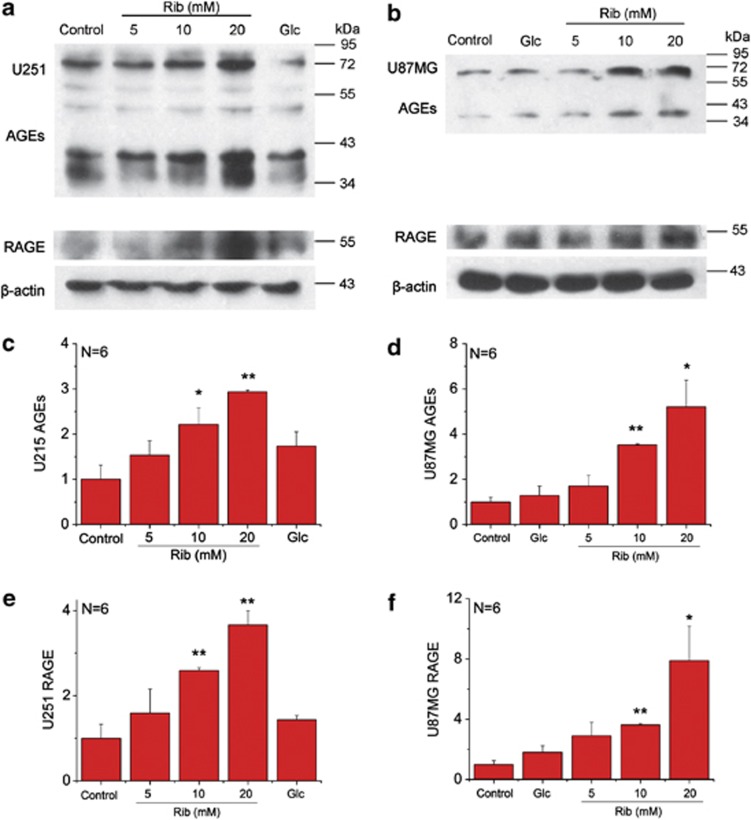
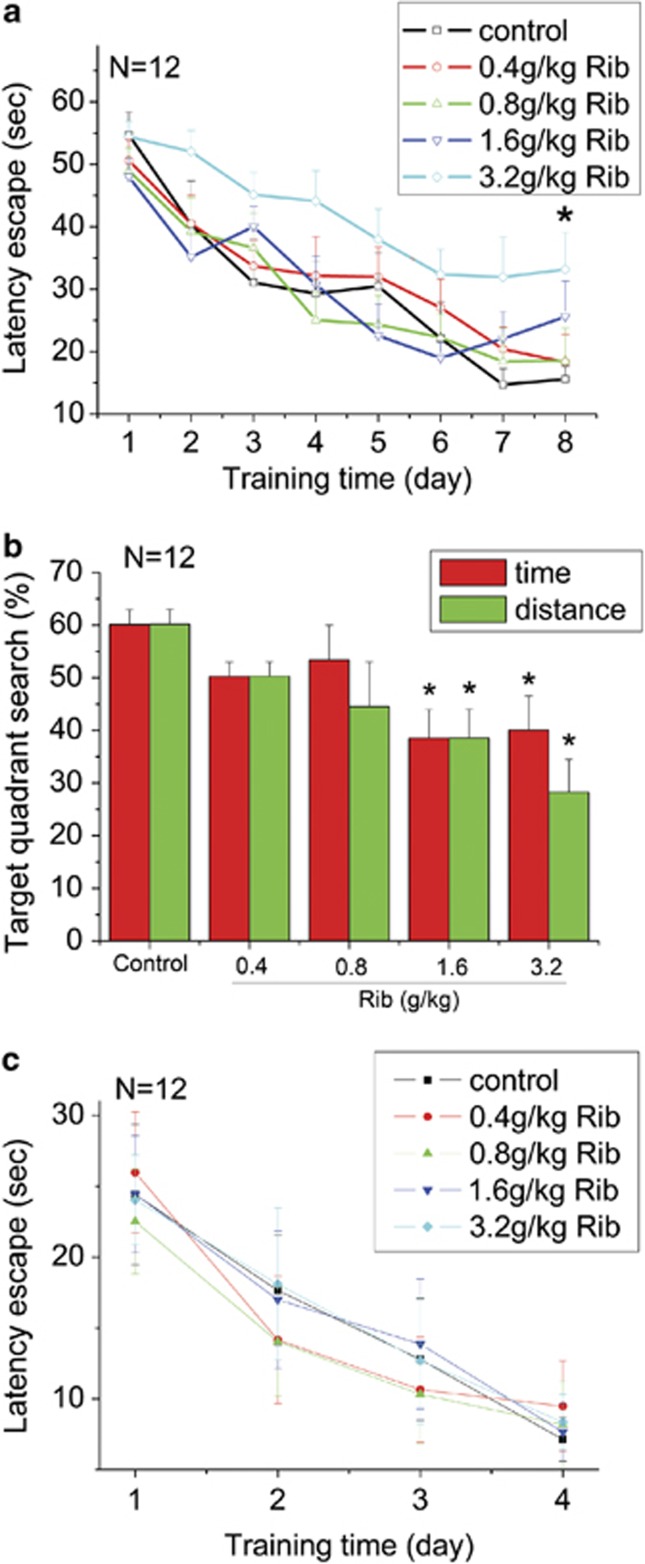
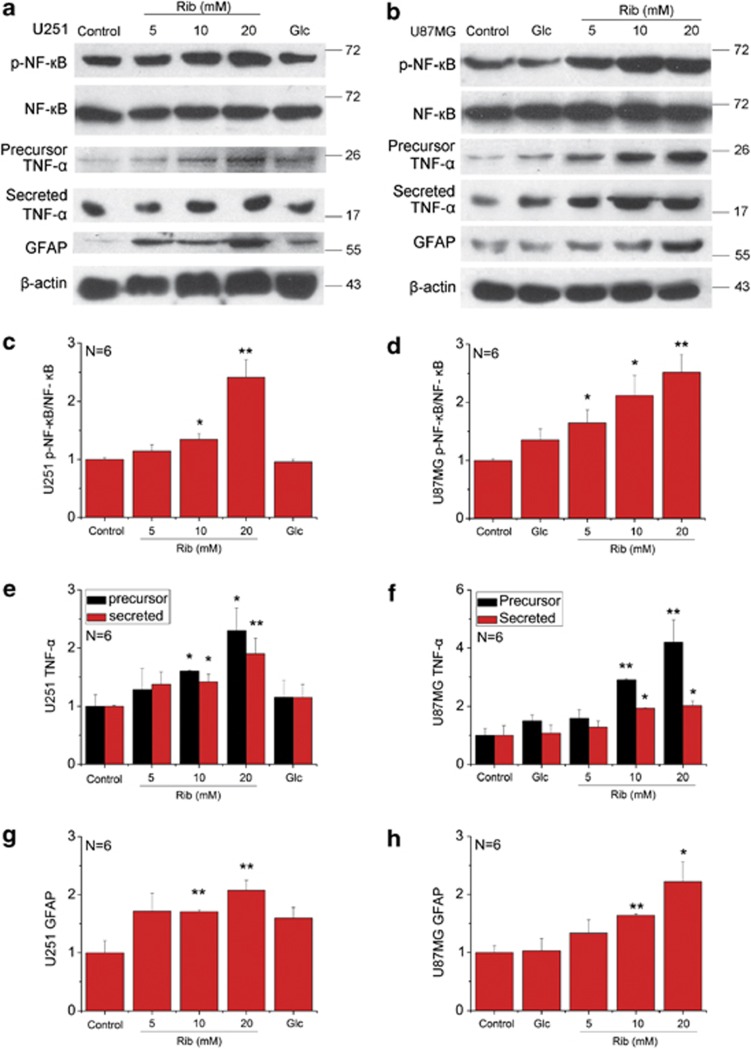
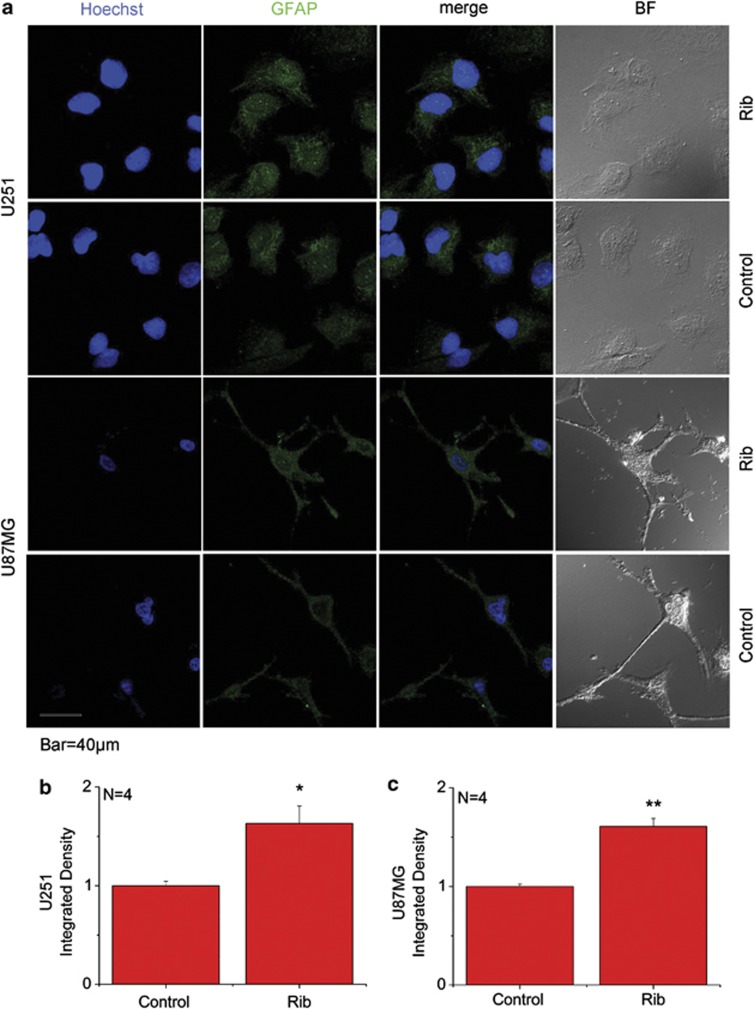
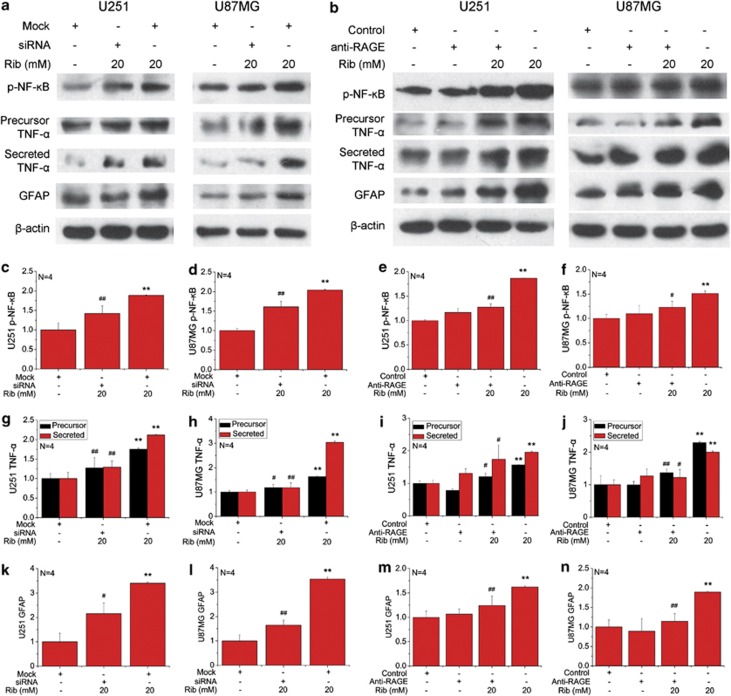
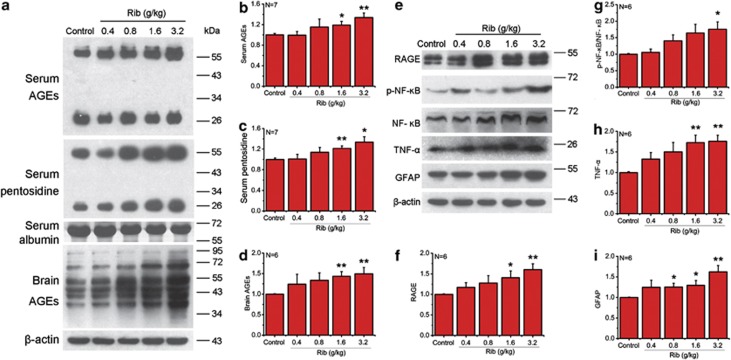
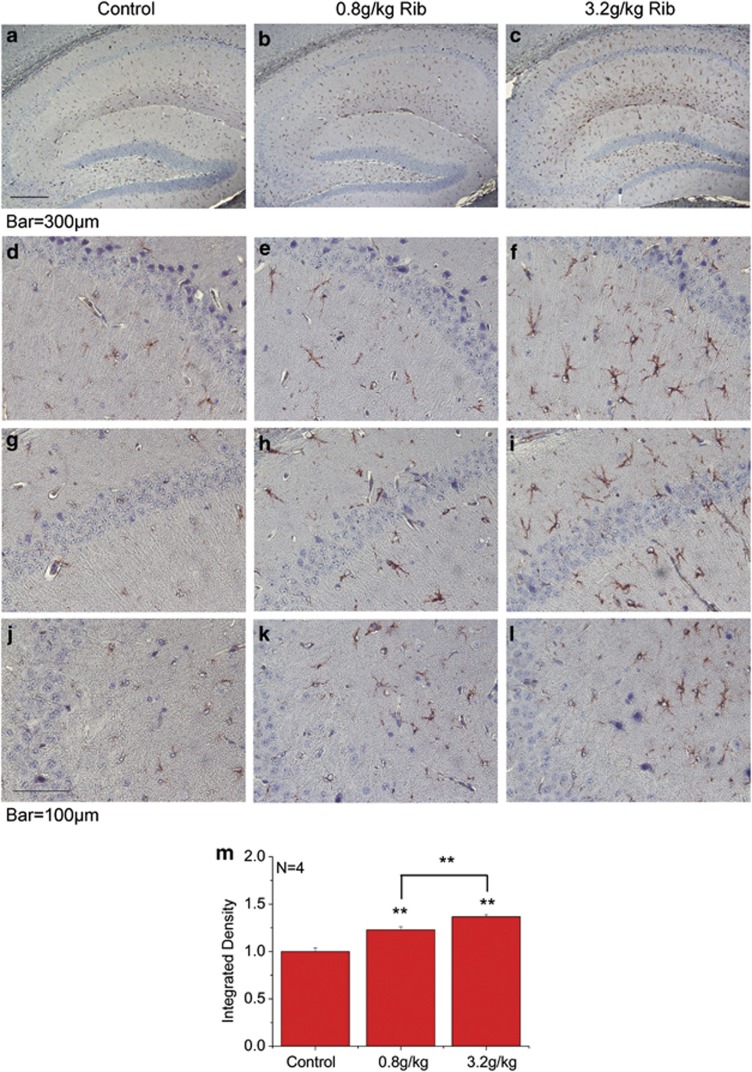
Non-enzymatic glycation of proteins by reducing saccharides for instance D-glucose is an important post-translational modification regulating protein function. Already two centuries ago, D-glucose (Glc) was identified in the urine of diabetic patients. Recently, abnormally high level of D-ribose (Rib) in the urine of type 2 diabetics has been discovered, which is highly active in protein glycation, resulting in the production of advanced glycation end products (AGEs). Accumulation of AGEs leads to altered cellular function, for example AGE accumulation in the nervous system impairs cognitive ability, yet the mechanisms mediating this process for Rib are unknown. Here we found that treatment with Rib accelerated AGE formation in U251 and U87MG astrocytoma cells and in mouse brain, inducing upregulation of receptor for AGEs (RAGE). Astrocytoma cells with elevated levels of RAGE displayed enhanced activity of the proinflammatory nuclear transcription factor kappaB and increased expression of tumor necrosis factor alpha and glial fibrillary acidic protein. Moreover, injection of Rib induced astrocyte activation in mouse hippocampus and impaired spatial learning and memory abilities. These results indicate that mouse spatial cognitive impairment caused by Rib-derived AGEs is correlated with activation of an astrocyte-mediated, RAGE-dependent inflammatory response. This study may provide insights into the mechanism of Rib-involved cognitive impairments and diabetic encephalopathy.
还原糖(如D-葡萄糖)对蛋白质的非酶糖基化是一种重要的翻译后修饰,可调节蛋白质功能。早在两个世纪前,人们就在糖尿病患者的尿液中发现了D-葡萄糖(Glc)。最近,在2型糖尿病患者的尿液中发现了异常高水平的D-核糖(Rib),它在蛋白质糖基化过程中高度活跃,会导致晚期糖基化终产物(AGEs)的产生。AGEs的积累会导致细胞功能改变,例如AGEs在神经系统中的积累会损害认知能力,但介导Rib这一过程的机制尚不清楚。在这里,我们发现用Rib处理可加速U251和U87MG星形细胞瘤细胞以及小鼠大脑中AGEs的形成,诱导晚期糖基化终产物受体(RAGE)上调。RAGE水平升高的星形细胞瘤细胞显示促炎核转录因子κB的活性增强,肿瘤坏死因子α和胶质纤维酸性蛋白的表达增加。此外,注射Rib可诱导小鼠海马体中的星形胶质细胞活化,并损害空间学习和记忆能力。这些结果表明,由Rib衍生的AGEs引起的小鼠空间认知障碍与星形胶质细胞介导的、RAGE依赖性炎症反应的激活有关。这项研究可能为Rib相关认知障碍和糖尿病性脑病的机制提供见解。