Alayash Abdu I
Laboratory of Biochemistry and Vascular Biology, Division of Hematology, Office of Blood Research and Review, Center for Biologics Evaluation and Research, Food and Drug Administration, Bethesda, Maryland 20892, USA.
Trends Biotechnol. 2014 Apr;32(4):177-85. doi: 10.1016/j.tibtech.2014.02.006. Epub 2014 Mar 12.
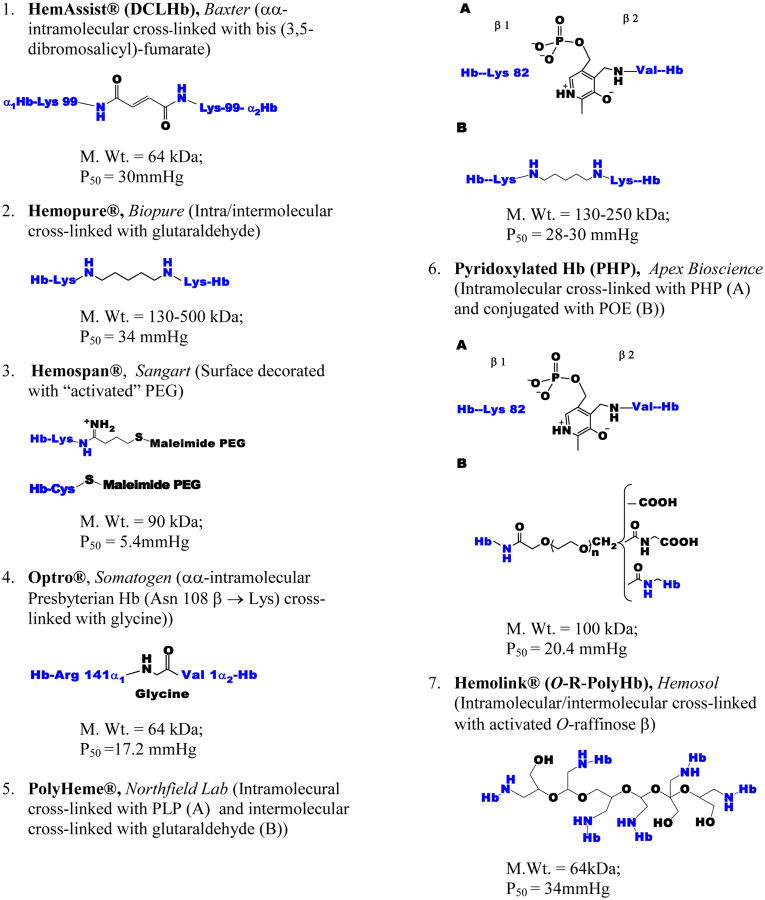
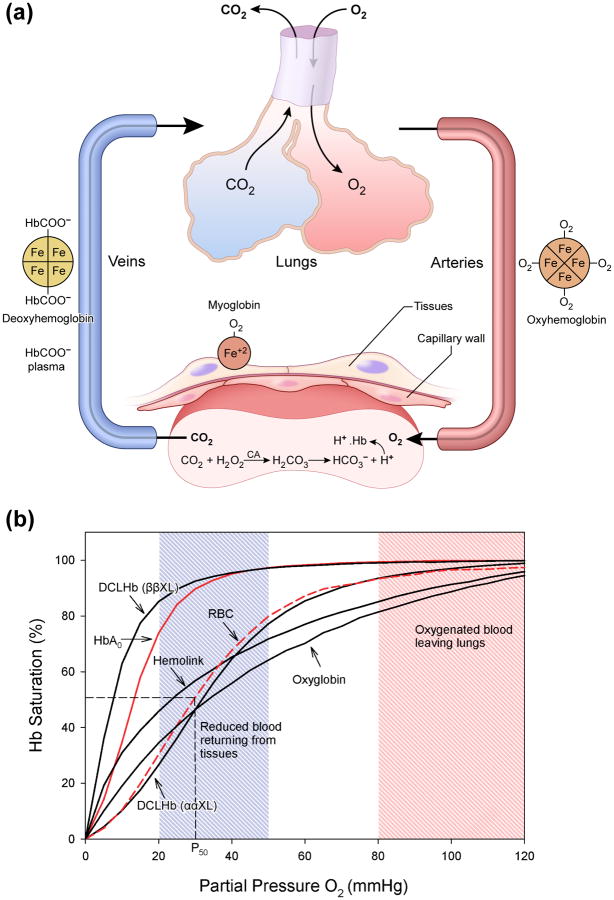
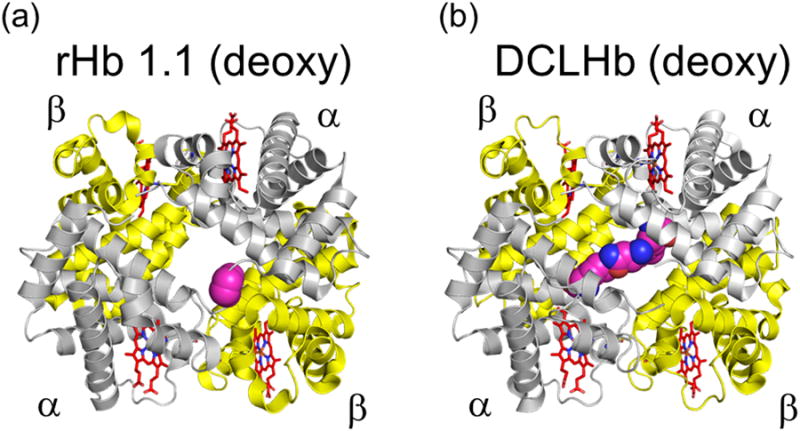
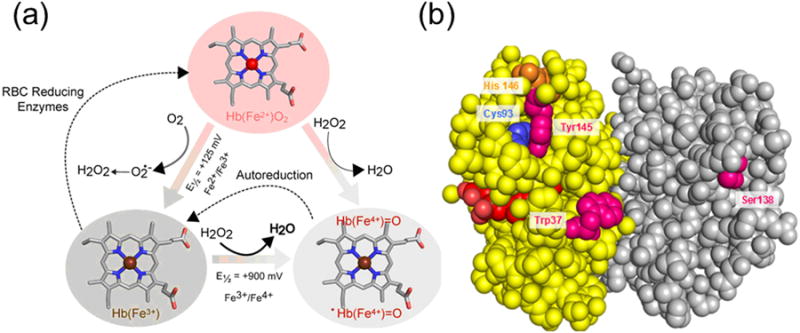
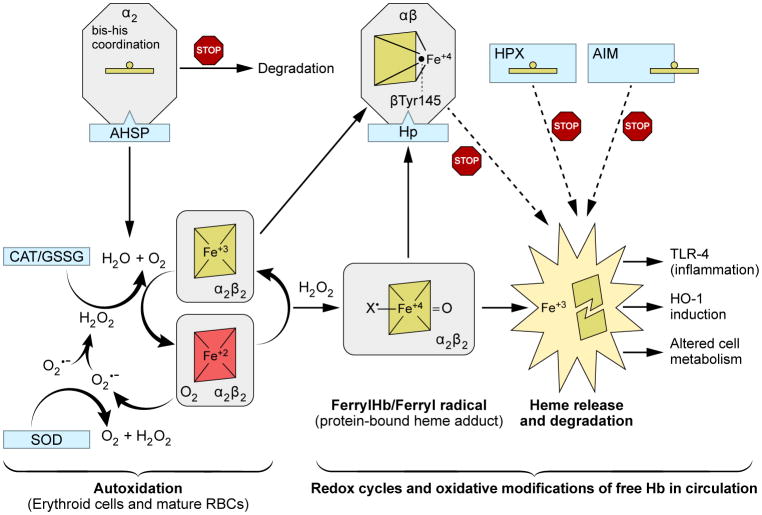
Persistent safety concerns have stalled the development of viable hemoglobin (Hb)-based oxygen carriers (HBOCs). HBOCs have several advantages over human blood, including availability, long-term storage, and lack of infectious risk. The basis of HBOC toxicity is poorly understood, however, several mechanisms have been suggested, including Hb extravasation across the blood vessel wall, scavenging of endothelial nitric oxide (NO), oversupply of oxygen, and heme-mediated oxidative side reactions. Although there are some in vitro and limited animal studies supporting these mechanisms, heme-mediated reactivity appears to provide an alternative path that can explain some of the observed pathophysiological changes. Moreover, recent mechanistic and animal studies support a role for globin and heme scavengers in controlling oxidative toxicity associated with Hb infusion.
持续存在的安全问题阻碍了可行的基于血红蛋白(Hb)的氧载体(HBOCs)的发展。与人类血液相比,HBOCs具有几个优点,包括可获得性、长期储存以及无感染风险。然而,HBOC毒性的基础尚不清楚,不过已提出了几种机制,包括Hb穿过血管壁外渗、清除内皮一氧化氮(NO)、氧供应过多以及血红素介导的氧化副反应。尽管有一些体外研究和有限的动物研究支持这些机制,但血红素介导的反应性似乎提供了一条可以解释一些观察到的病理生理变化的替代途径。此外,最近的机制研究和动物研究支持球蛋白和血红素清除剂在控制与Hb输注相关的氧化毒性方面的作用。