Xu Qingbiao, Wu Yueming, Liu Hongyun, Xie Yingming, Huang Xinbei, Liu Jianxin
Institute of Dairy Science, College of Animal Sciences, Key Laboratory of Molecular Animal Nutrition, Ministry of Education, Zhejiang University, Hangzhou, P.R. China.
PLoS One. 2014 Mar 14;9(3):e88993. doi: 10.1371/journal.pone.0088993. eCollection 2014.
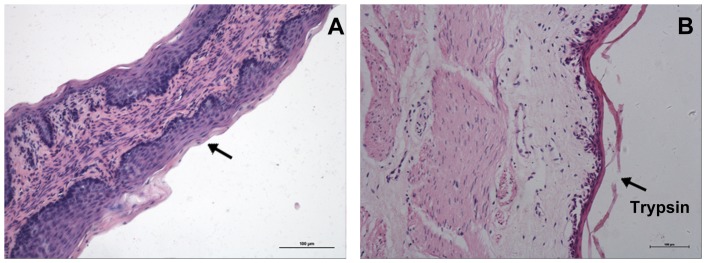
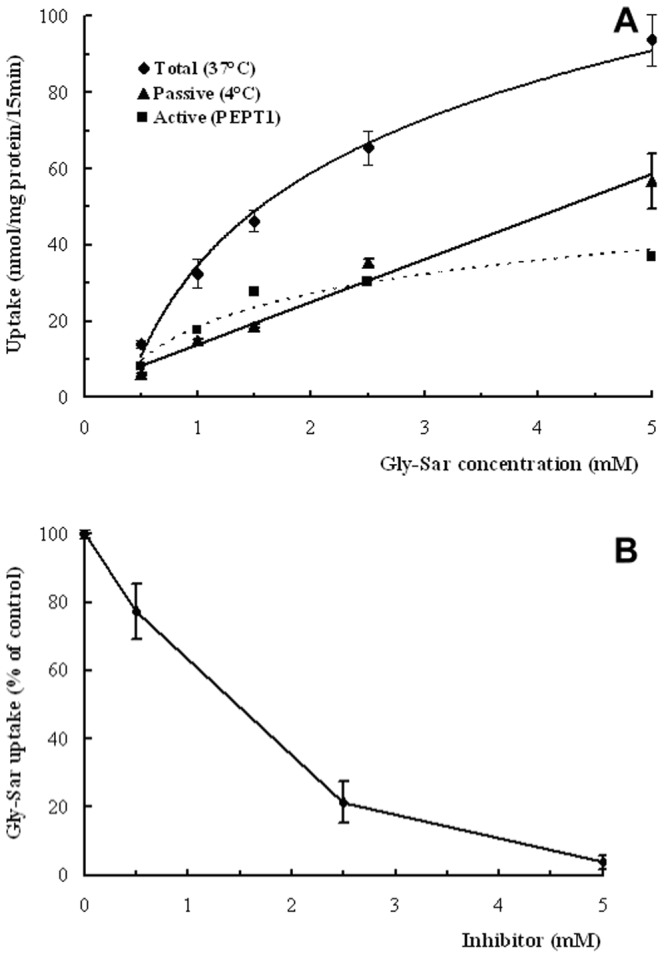
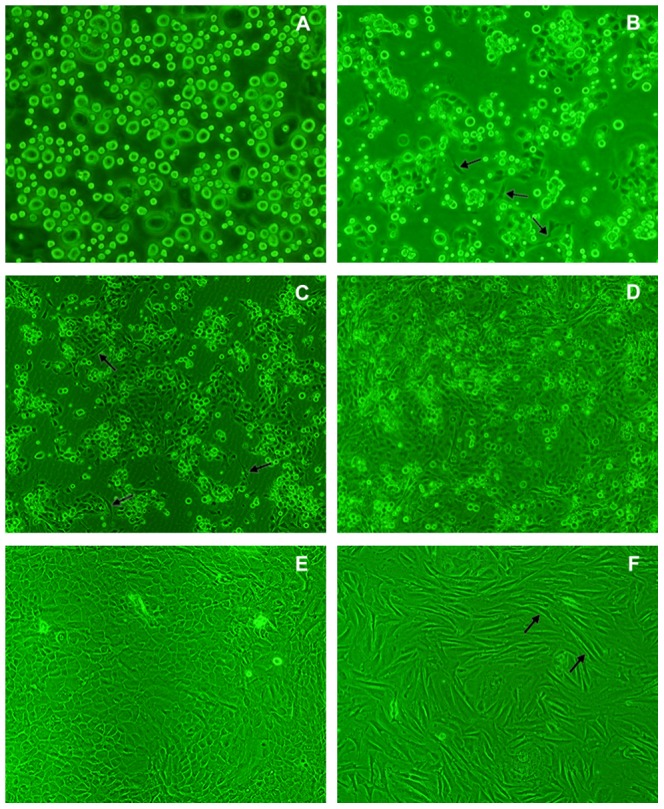
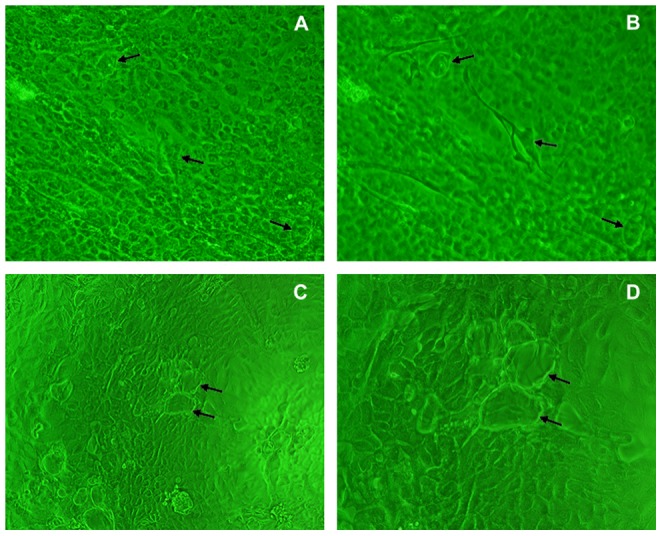
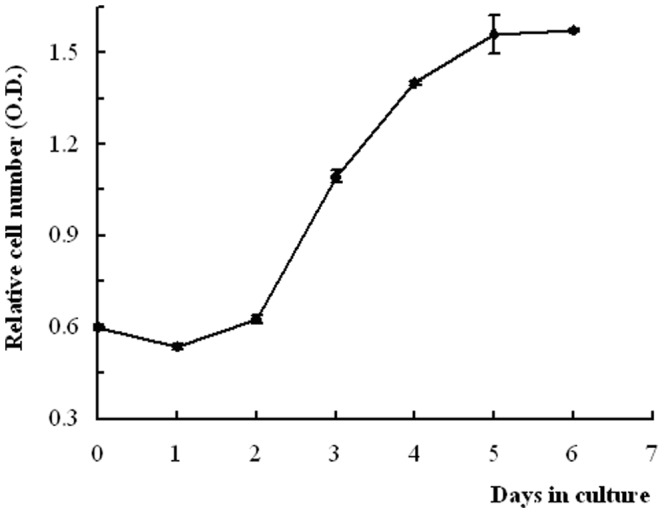
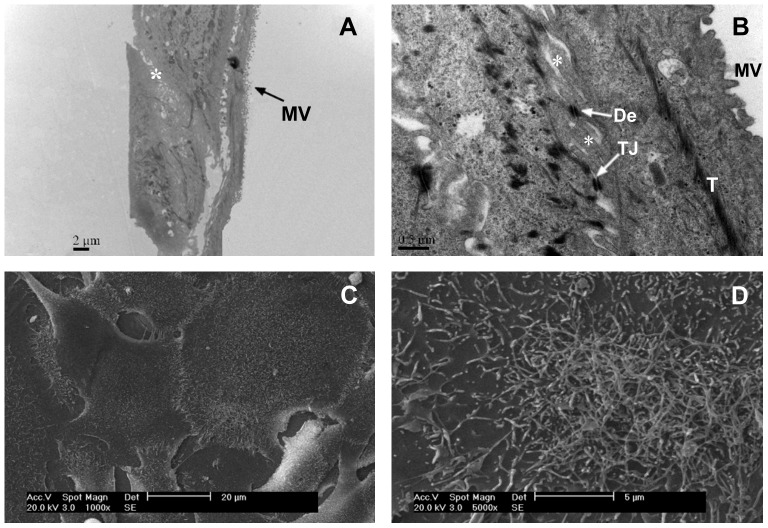
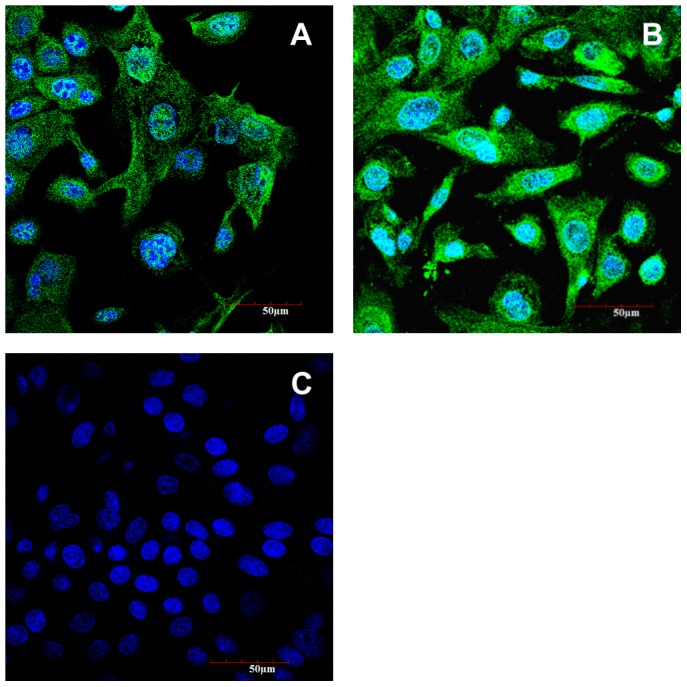
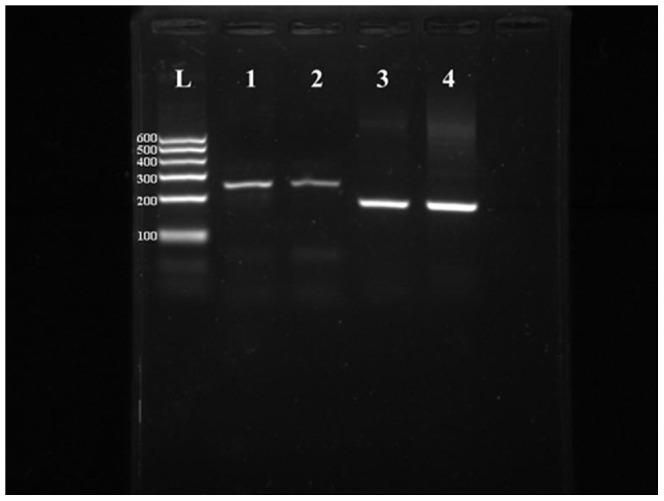
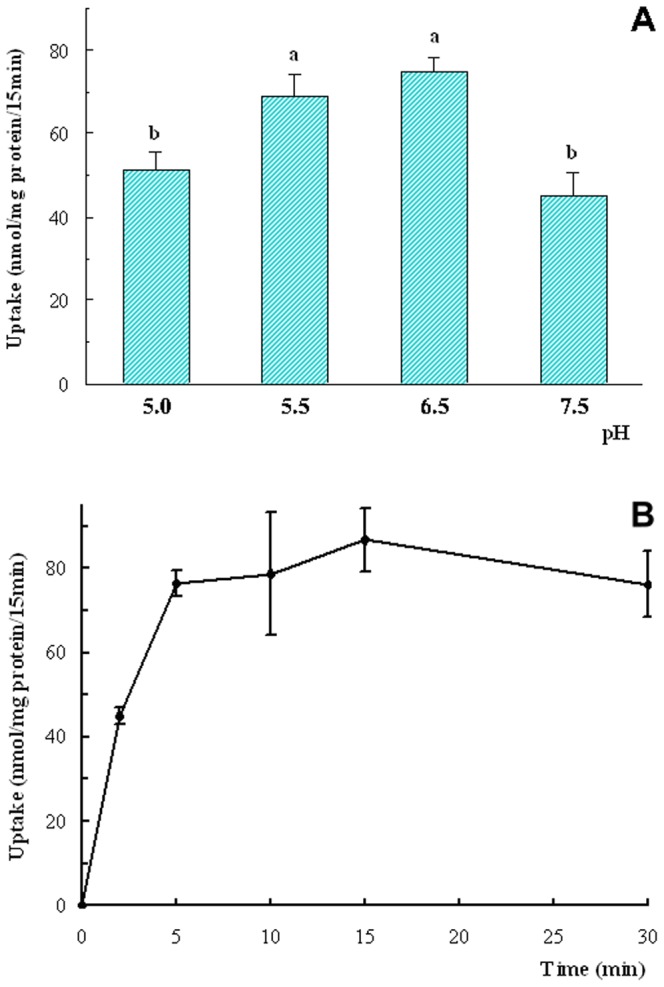
The objective of this study was to establish a primary culture of omasal epithelial cells (OECs) derived from dairy calves and to characterize its function in small peptide absorption. Bovine omasal tissues were obtained from newborn Chinese Holstein calves and digested with a 2.5% trypsin solution to obtain OECs. The isolated cells were later cultured in DMEM containing 10% fetal bovine serum, 5 μg/ml insulin, 10 ng/ml epidermal growth factor, 100 U/ml penicillin, 100 μg/ml streptomycin, 50 μg/ml gentamycin and 2.5 μg/ml amphotericin B. Hematoxylin and eosin staining of omasal tissue after digestion indicated that the cultured cells originated from the epithelial strata. Pure epithelial cells displayed an epithelial cell-like morphology, similar to cobblestone, with few visible fibroblasts and were cytokeratin 18-positive according to immunocytochemical analyses. The OECs were morphologically characterized with desmosomes, tight junctions and microvilli. These cells exhibited normal growth properties, as assessed using a cell growth curve, and were stably cultured for 10 passages. The OECs expressed the peptide transporter 1 (PEPT1) mRNA and absorbed intact glycylsarcosine (Gly-Sar). The uptake of Gly-Sar by OECs was pH-dependent with an optimal pH of 5.5-6.5. Furthermore, the uptake of Gly-Sar was also time-dependent, concentration-dependent and temperature-dependent. Moreover, PEPT1 was saturated with Gly-Sar at a concentration of 2.5 mM. The uptake via PEPT1 was higher compared with that via passive route at low substrate concentrations (<1.5 mM). This result suggested that PEPT1 contributed more to total small peptide absorption at low concentrations. In addition, this uptake could be competitively inhibited by methionine-glycine. Taken together, these data suggested that PEPT1 contributes to small peptide absorption in OECs. Thus, OECs may serve as a useful culture model for the study of the absorption of small peptides in bovine omasum.
本研究的目的是建立源自奶牛犊牛的瓣胃上皮细胞(OECs)原代培养体系,并表征其在小肽吸收中的功能。从新生中国荷斯坦犊牛获取牛瓣胃组织,并用2.5%的胰蛋白酶溶液消化以获得OECs。随后将分离出的细胞培养于含有10%胎牛血清、5 μg/ml胰岛素、10 ng/ml表皮生长因子、100 U/ml青霉素、100 μg/ml链霉素、50 μg/ml庆大霉素和2.5 μg/ml两性霉素B的DMEM中。消化后瓣胃组织的苏木精-伊红染色表明,培养的细胞来源于上皮层。纯上皮细胞呈现上皮细胞样形态,类似于鹅卵石,可见的成纤维细胞很少,免疫细胞化学分析显示其细胞角蛋白18呈阳性。OECs在形态上具有桥粒、紧密连接和微绒毛。使用细胞生长曲线评估,这些细胞表现出正常的生长特性,并稳定传代培养了10代。OECs表达肽转运体1(PEPT1)mRNA并吸收完整的甘氨酰肌氨酸(Gly-Sar)。OECs对Gly-Sar的摄取呈pH依赖性,最佳pH为5.5 - 6.5。此外,Gly-Sar的摄取也呈时间依赖性、浓度依赖性和温度依赖性。而且,PEPT1在2.5 mM的浓度下被Gly-Sar饱和。在低底物浓度(<1.5 mM)时,通过PEPT1的摄取高于通过被动途径的摄取。该结果表明,在低浓度下,PEPT1对总小肽吸收的贡献更大。此外,这种摄取可被甲硫氨酸 - 甘氨酸竞争性抑制。综上所述,这些数据表明PEPT1有助于OECs中小肽的吸收。因此,OECs可能作为研究牛瓣胃中小肽吸收的有用培养模型。