Poormasjedi-Meibod Malihe-Sadat, Hartwell Ryan, Kilani Ruhangiz Taghi, Ghahary Aziz
Division of plastic surgery, Department of Surgery, University of British Columbia, Vancouver, British Columbia, Canada.
PLoS One. 2014 Mar 17;9(3):e91955. doi: 10.1371/journal.pone.0091955. eCollection 2014.
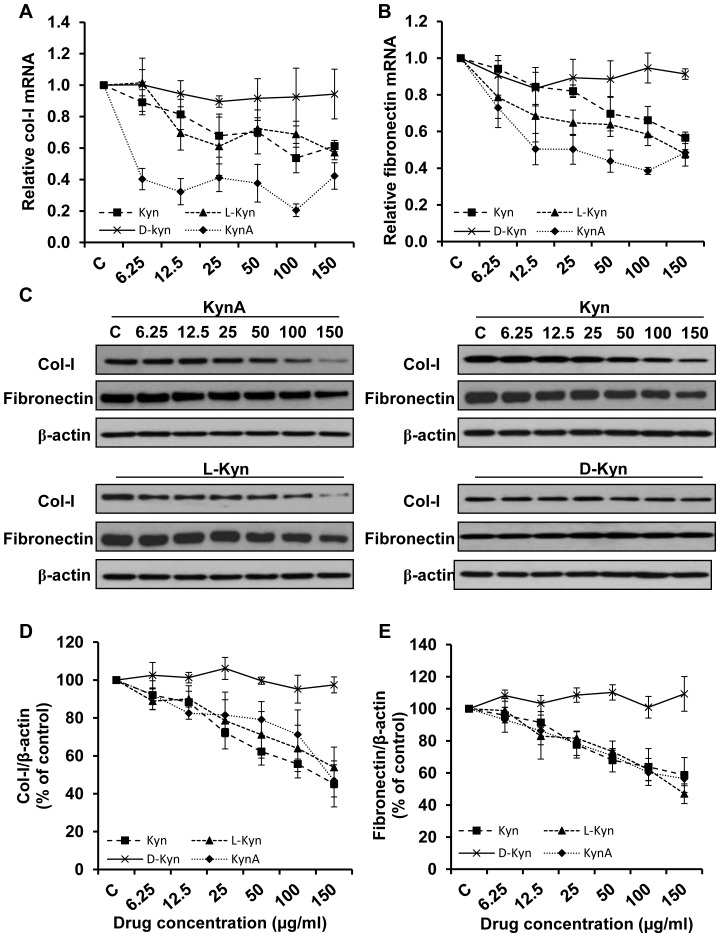
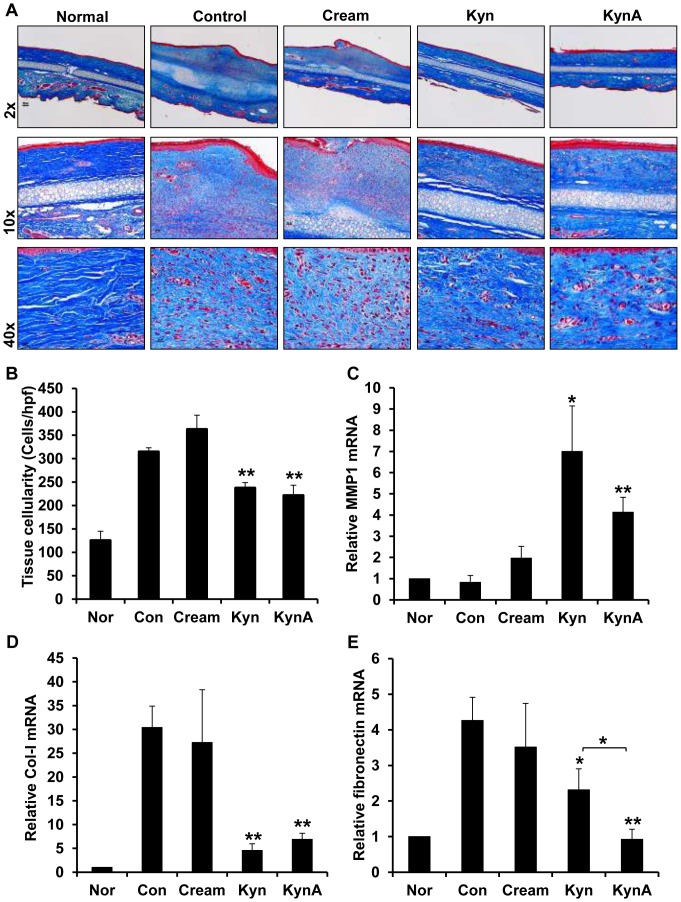
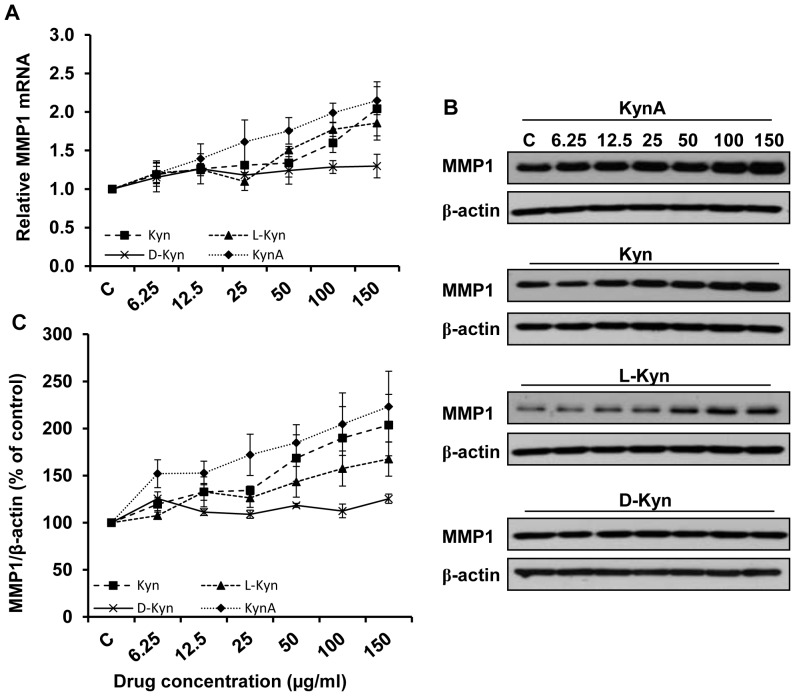
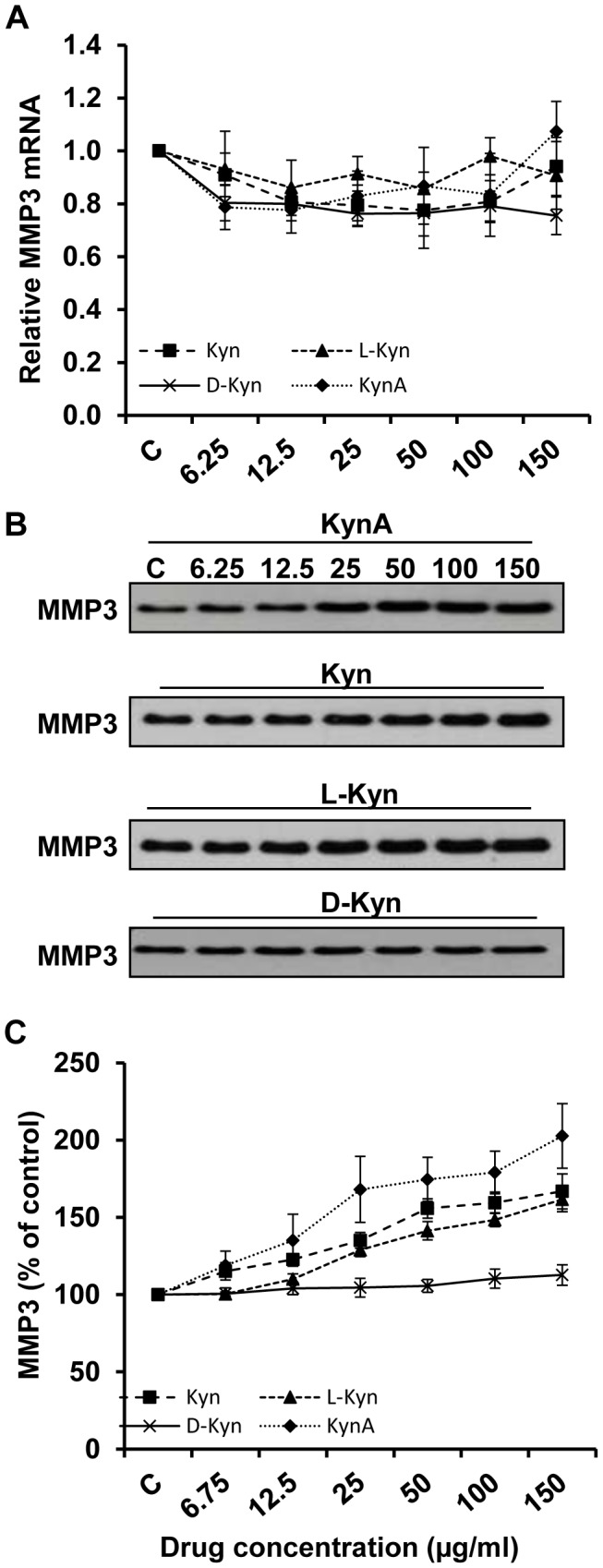
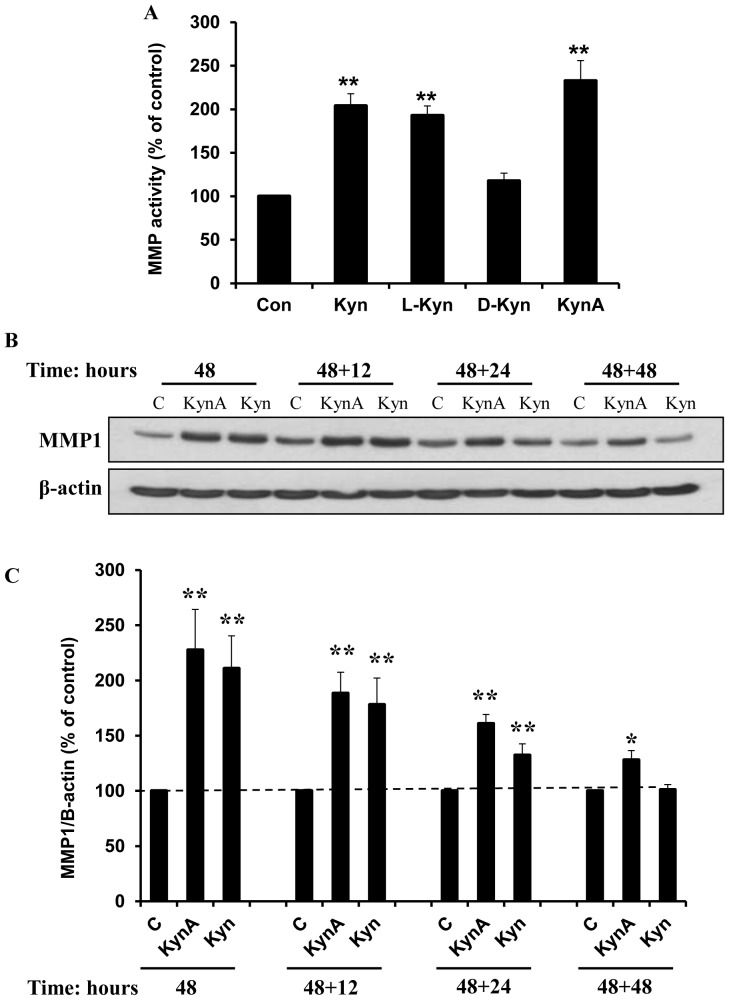
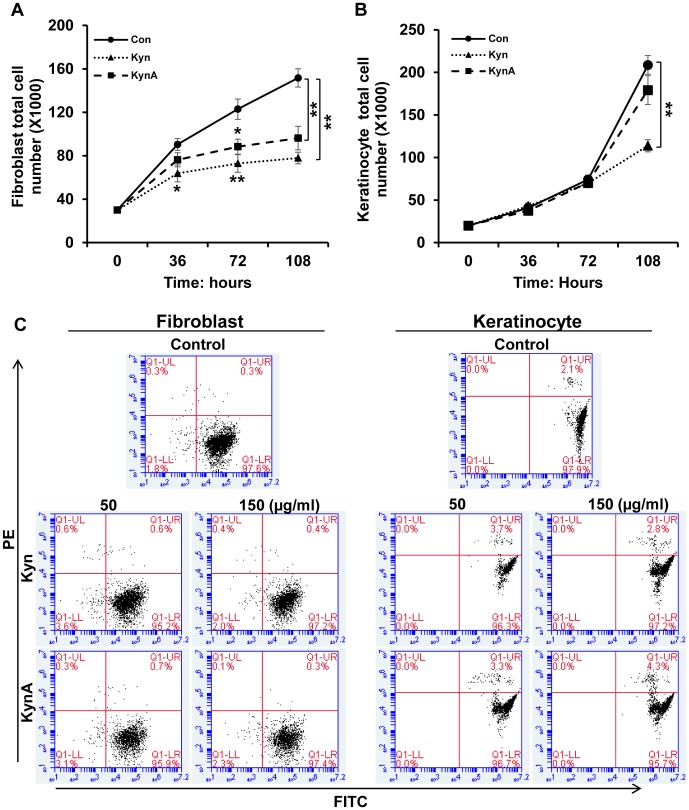
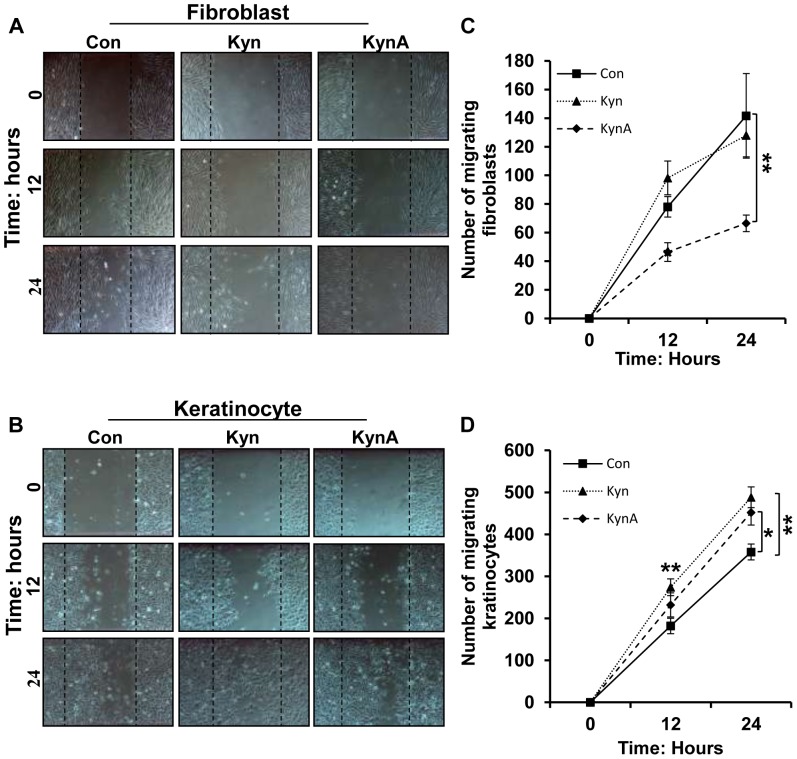
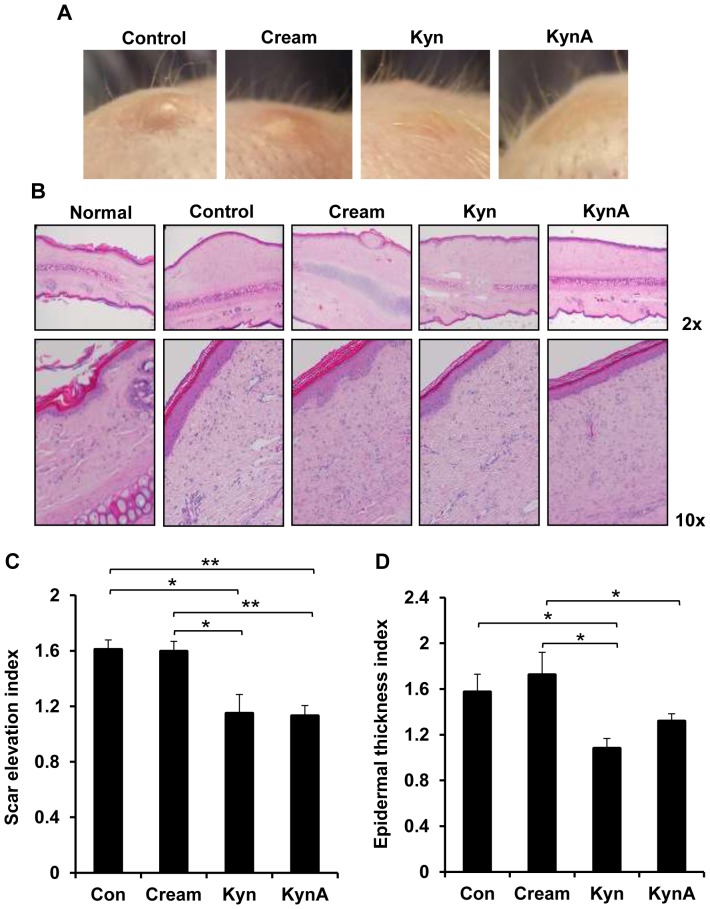
Hypertrophic scars are associated with prolonged extracellular matrix (ECM) production, aberrant ECM degradation and high tissue cellularity. Routinely used antifibrotic strategies aim to reduce ECM deposition and enhance matrix remodeling. Our previous study investigating the antifibrotic effects of indoleamine2, 3 dioxygenase (IDO) led to the identification of kynurenine (Kyn) as an antiscarring agent. A topical antifibrogenic therapy using Kyn is very attractive; however, it is well established that Kyn passes the blood brain barrier (BBB) which causes complications including excitatory neuronal death. Here we investigated the antiscarring properties of kynurenic acid (KynA), a downstream end product of Kyn that is unlikely to pass the BBB, as an effective and safe replacement for Kyn. Our results indicated that while not having any adverse effect on dermal cell viability, KynA significantly increases the expression of matrix metalloproteinases (MMP1 and MMP3) and suppresses the production of type-I collagen and fibronectin by fibroblasts. Topical application of cream containing KynA in fibrotic rabbit ear significantly decreased scar elevation index (1.13±0.13 vs. 1.61±0.12) and tissue cellularity (221.38±21.7 vs. 314.56±8.66 cells/hpf) in KynA treated wounds compared to controls. KynA treated wounds exhibited lower levels of collagen deposition which is accompanied with a significant decrease in type-I collagen and fibronectin expression, as well as an increase in MMP1 expression compared to untreated wounds or wounds treated with cream only. The results of this study provided evidence for the first time that KynA is promising candidate antifibrogenic agent to improve healing outcome in patients at risk of hypertrophic scarring.
肥厚性瘢痕与细胞外基质(ECM)产生延长、ECM降解异常及高组织细胞密度有关。常规使用的抗纤维化策略旨在减少ECM沉积并增强基质重塑。我们之前关于吲哚胺2,3-双加氧酶(IDO)抗纤维化作用的研究导致将犬尿氨酸(Kyn)鉴定为一种抗瘢痕形成剂。使用Kyn的局部抗纤维化疗法非常有吸引力;然而,众所周知,Kyn可穿过血脑屏障(BBB),这会导致包括兴奋性神经元死亡在内的并发症。在这里,我们研究了犬尿酸(KynA)的抗瘢痕形成特性,KynA是Kyn的下游终产物,不太可能穿过BBB,作为Kyn的有效且安全的替代品。我们的结果表明,KynA虽然对真皮细胞活力没有任何不利影响,但能显著增加基质金属蛋白酶(MMP1和MMP3)的表达,并抑制成纤维细胞产生I型胶原蛋白和纤连蛋白。与对照组相比,在纤维化兔耳局部应用含KynA的乳膏可显著降低KynA处理伤口的瘢痕隆起指数(1.13±0.13对1.61±0.12)和组织细胞密度(221.38±21.7对314.56±8.66个细胞/hpf)。与未处理的伤口或仅用乳膏处理的伤口相比,KynA处理的伤口胶原蛋白沉积水平较低,同时I型胶原蛋白和纤连蛋白表达显著降低,MMP1表达增加。这项研究的结果首次为KynA是一种有前景的抗纤维化剂提供了证据,可改善有肥厚性瘢痕形成风险患者的愈合结果。