Baird Thomas D, Palam Lakshmi Reddy, Fusakio Michael E, Willy Jeffrey A, Davis Christopher M, McClintick Jeanette N, Anthony Tracy G, Wek Ronald C
Department of Biochemistry and Molecular Biology, Indiana University School of Medicine, Indianapolis, IN 46202.
Department of Biochemistry and Molecular Biology, Indiana University School of Medicine, Indianapolis, IN 46202Investigative Toxicology, Lilly Research Laboratories, Indianapolis, IN 46285.
Mol Biol Cell. 2014 May;25(10):1686-97. doi: 10.1091/mbc.E14-02-0704. Epub 2014 Mar 19.
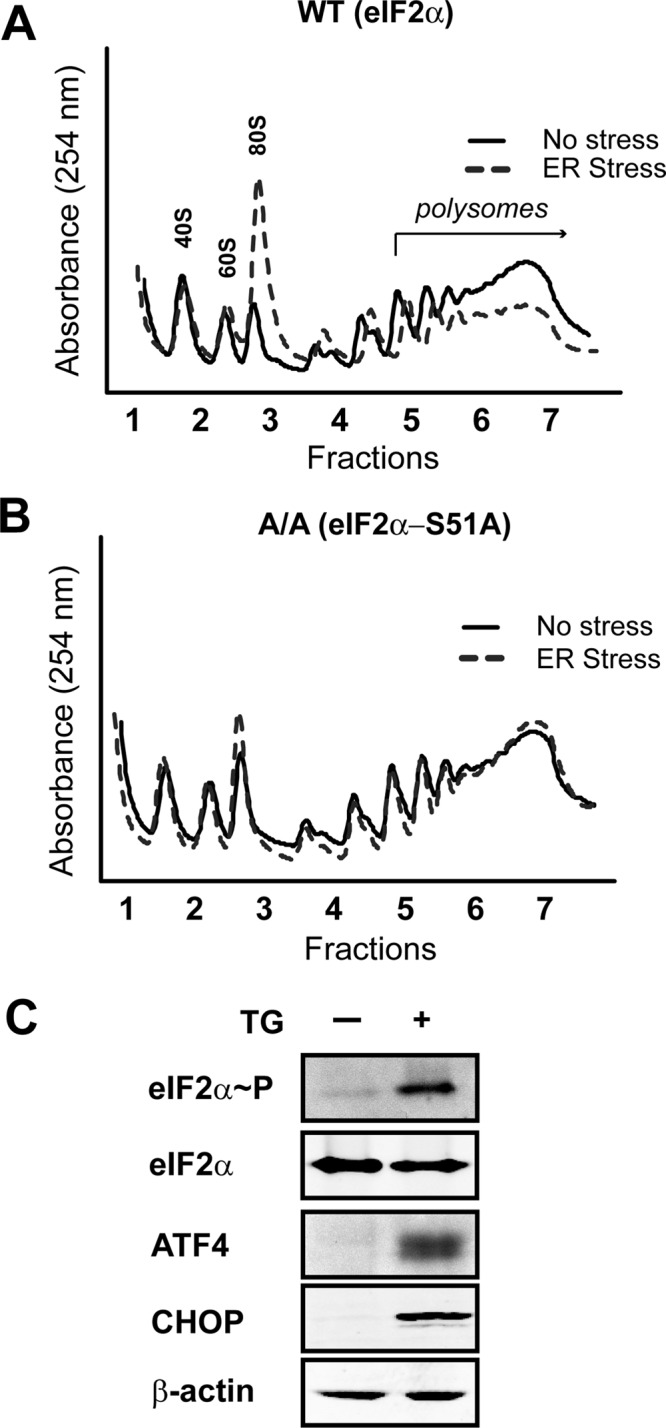
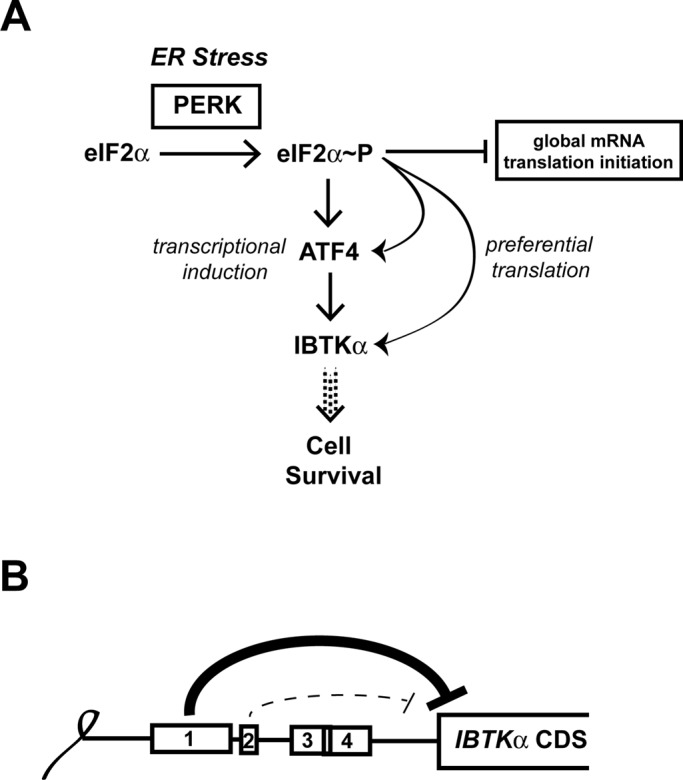
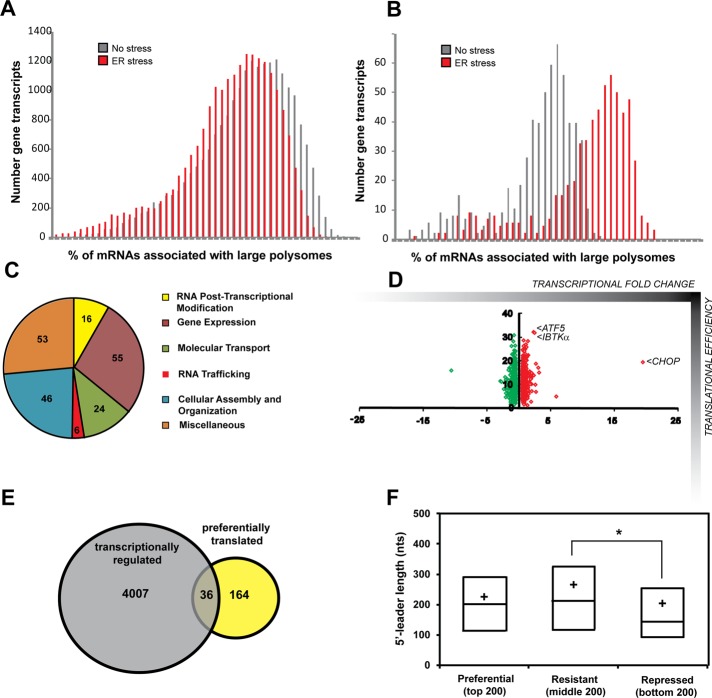
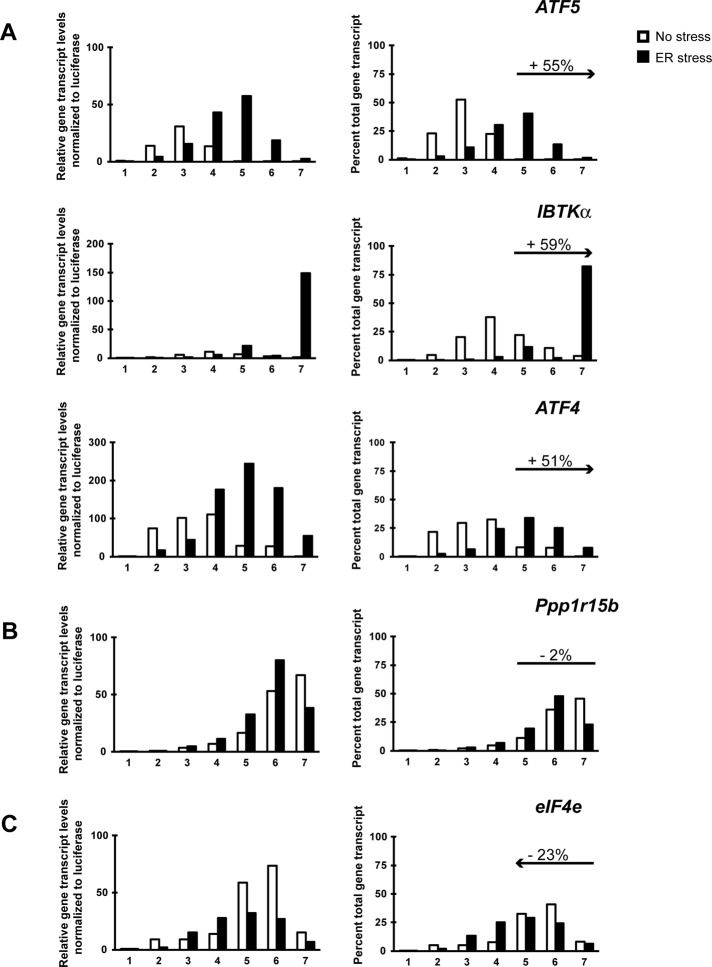
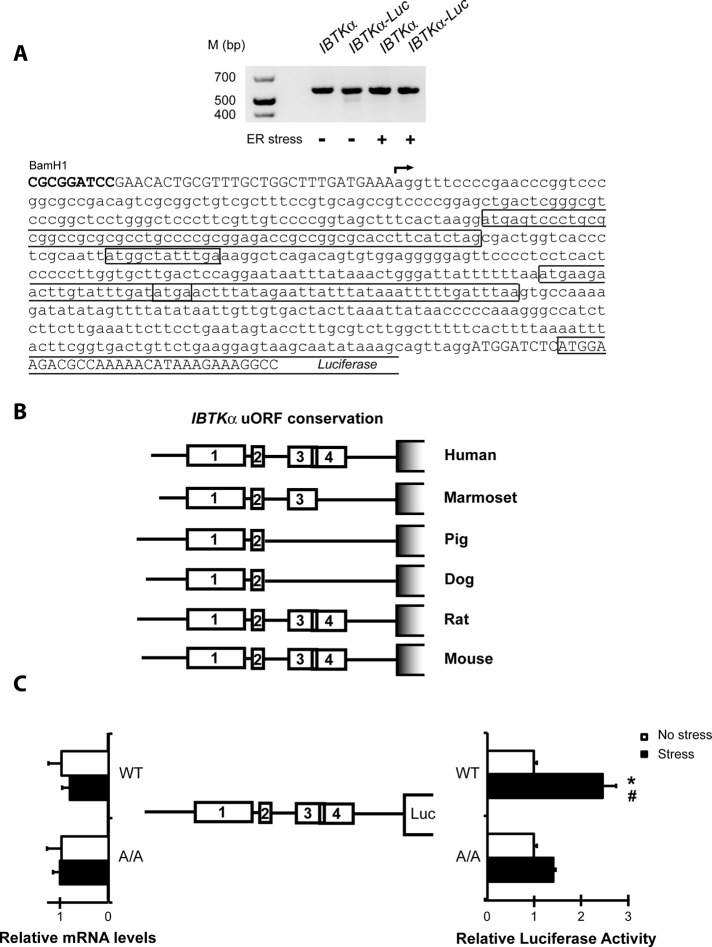
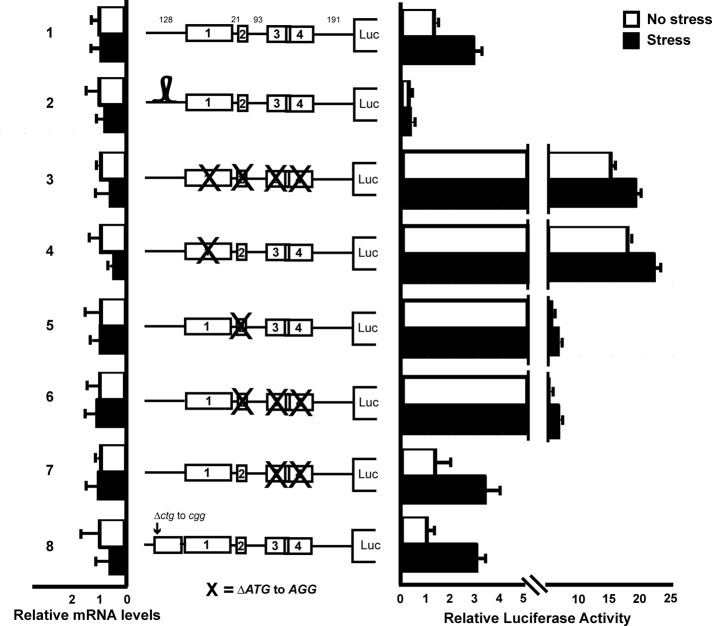
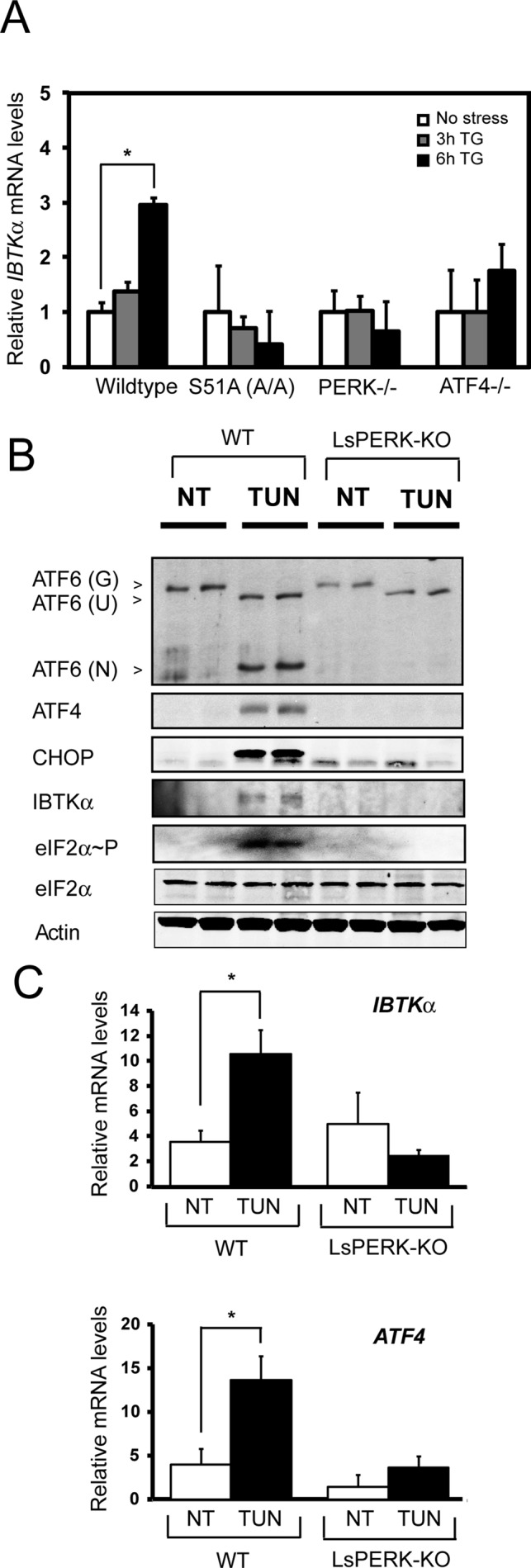
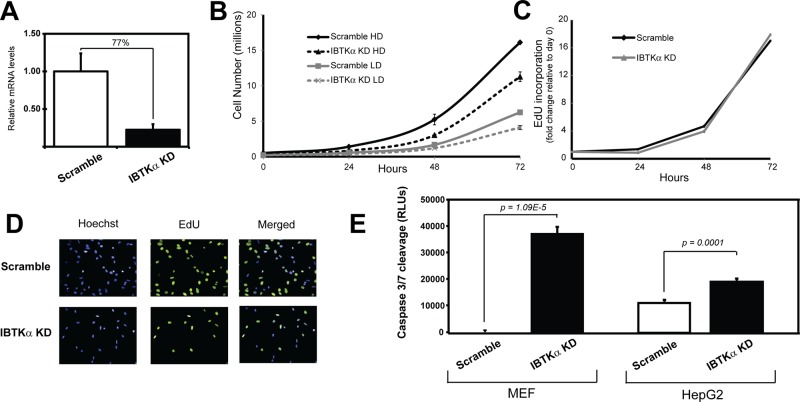
Disruption of protein folding in the endoplasmic reticulum (ER) triggers the unfolded protein response (UPR), a transcriptional and translational control network designed to restore protein homeostasis. Central to the UPR is PKR-like ER kinase (PERK/EIF2AK3) phosphorylation of the α subunit of eIF2 (eIF2α∼P), which represses global translation coincident with preferential translation of mRNAs, such as activating transcription factor 4 (ATF4) and C/EBP-homologous protein (CHOP), that serve to implement UPR transcriptional regulation. In this study, we used sucrose gradient ultracentrifugation and a genome-wide microarray approach to measure changes in mRNA translation during ER stress. Our analysis suggests that translational efficiencies vary over a broad range during ER stress, with the majority of transcripts being either repressed or resistant to eIF2α∼P, whereas a notable cohort of key regulators are subject to preferential translation. From the latter group, we identified the α isoform of inhibitor of Bruton's tyrosine kinase (IBTKα) as being subject to both translational and transcriptional induction during eIF2α∼P in both cell lines and a mouse model of ER stress. Translational regulation of IBTKα mRNA involves stress-induced relief of two inhibitory upstream open reading frames in the 5'-leader of the transcript. Depletion of IBTKα by short hairpin RNA reduced viability of cultured cells coincident with increased caspase 3/7 cleavage, suggesting that IBTKα is a key regulator in determining cell fate during the UPR.
内质网(ER)中蛋白质折叠的破坏会触发未折叠蛋白反应(UPR),这是一个旨在恢复蛋白质稳态的转录和翻译控制网络。UPR的核心是PKR样内质网激酶(PERK/EIF2AK3)对真核翻译起始因子2(eIF2)的α亚基进行磷酸化(eIF2α∼P),这会抑制整体翻译,同时优先翻译诸如激活转录因子4(ATF4)和C/EBP同源蛋白(CHOP)等mRNA,这些mRNA用于实施UPR转录调控。在本研究中,我们使用蔗糖梯度超速离心和全基因组微阵列方法来测量内质网应激期间mRNA翻译的变化。我们的分析表明,在内质网应激期间,翻译效率在很宽的范围内变化,大多数转录本要么被抑制,要么对eIF2α∼P有抗性,而一组显著的关键调节因子则受到优先翻译。从后一组中,我们鉴定出布鲁顿酪氨酸激酶抑制剂(IBTK)的α亚型在细胞系和内质网应激小鼠模型中,在eIF2α∼P期间受到翻译和转录诱导。IBTKα mRNA的翻译调控涉及应激诱导的转录本5'-前导区中两个抑制性上游开放阅读框的解除。通过短发夹RNA耗尽IBTKα会降低培养细胞的活力,同时增加半胱天冬酶3/7的切割,这表明IBTKα是在UPR期间决定细胞命运的关键调节因子。