Tsuboi Kazuya, Yamamoto Hiroshi
LSD Center and Hematology, Nagoya Central Hospital, Nagoya, Japan.
Otorhinolaryngology, Nagoya Central Hospital, Nagoya, Japan.
Genet Med. 2014 Oct;16(10):766-72. doi: 10.1038/gim.2014.28. Epub 2014 Mar 20.
Between 2009 and 2012, there was a worldwide shortage of agalsidase-β for the treatment of Fabry disease. Therefore, alternative treatments were needed, including switching to a different enzyme-replacement therapy.
This is an ongoing observational study assessing the effects of switching from agalsidase-β (1.0 mg/kg every other week) to agalsidase-α (0.2 mg/kg every other week) in 11 patients with Fabry disease.
Clinical data were collected for 5 years-2 years before switching and 3 years after switching.
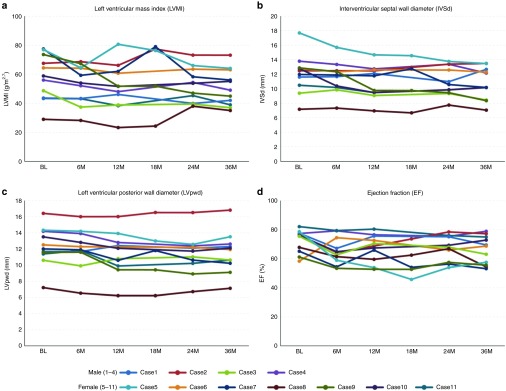
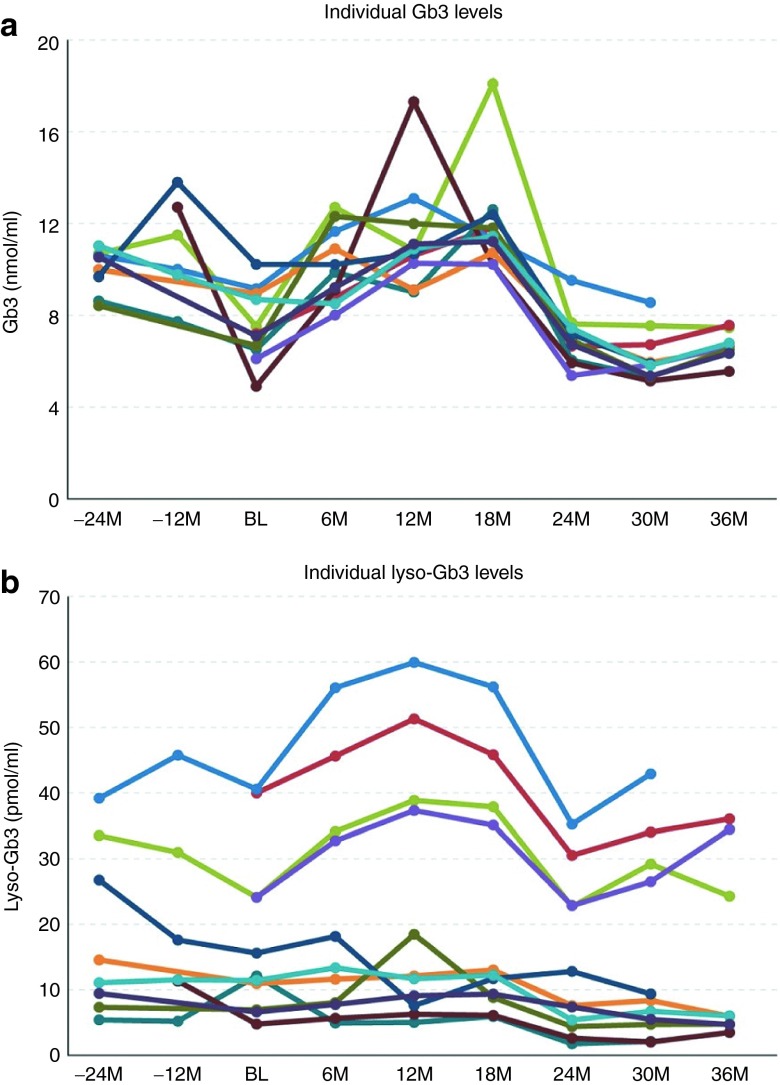
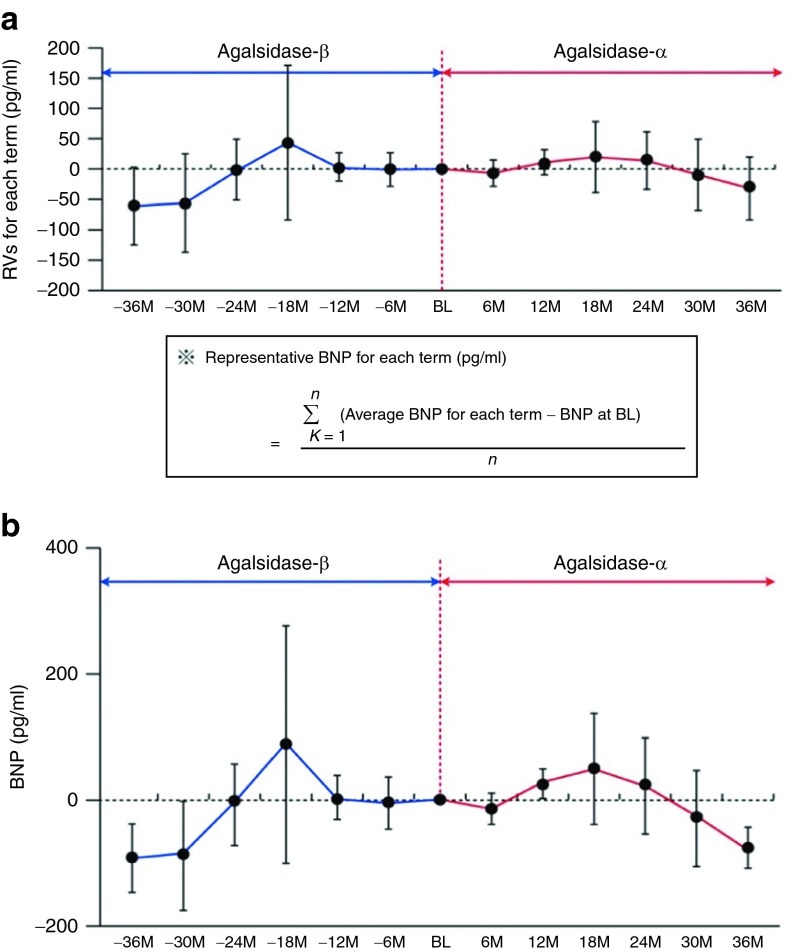
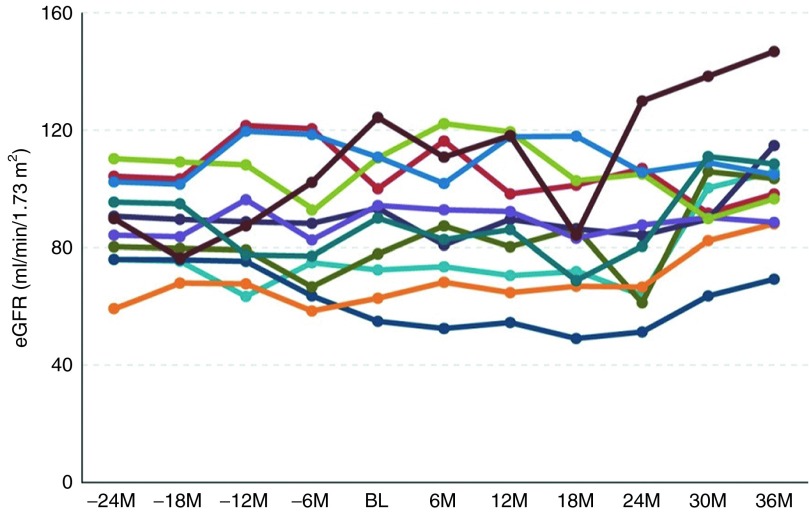
Measures of renal function such as estimated glomerular filtration rate remained stable during the 3 years after switching to agalsidase-α. Improvements in cardiac mass were recorded in both male and female patients 12 months after switching to agalsidase-α, and the benefit was maintained during 36 months of follow-up. There was no significant difference in the severity of pain experienced by patients before and after switching enzyme-replacement therapy, and no difference in quality-of-life parameters. Agalsidase-α was generally well tolerated, and no patients experienced allergy or developed antibodies to agalsidase-α.
This observational study supports the safety of switching from agalsidase-β to agalsidase-α at the approved doses, with no loss of efficacy. It also suggests that if an infusion-related allergic reaction occurs in a patient receiving agalsidase-β, switching to agalsidase-α may be a viable option.
2009年至2012年期间,用于治疗法布里病的β-半乳糖苷酶全球短缺。因此,需要替代治疗方法,包括改用其他酶替代疗法。
这是一项正在进行的观察性研究,评估11例法布里病患者从β-半乳糖苷酶(每两周1.0mg/kg)改用α-半乳糖苷酶(每两周0.2mg/kg)的效果。
收集了转换前2年和转换后3年共5年的临床数据。
改用α-半乳糖苷酶后的3年中,估算肾小球滤过率等肾功能指标保持稳定。改用α-半乳糖苷酶12个月后,男性和女性患者的心脏重量均有所改善,且在36个月的随访期间这种益处得以维持。转换酶替代疗法前后患者经历的疼痛严重程度无显著差异,生活质量参数也无差异。α-半乳糖苷酶总体耐受性良好,没有患者出现过敏反应或产生针对α-半乳糖苷酶的抗体。
这项观察性研究支持在批准剂量下从β-半乳糖苷酶改用α-半乳糖苷酶的安全性,且疗效未丧失。它还表明,如果接受β-半乳糖苷酶治疗的患者发生输液相关过敏反应,改用α-半乳糖苷酶可能是一个可行的选择。