Immunology Program, Department of Pathology, University of Michigan Medical School, Ann Arbor, MI 48109.
J Immunol. 2014 Apr 15;192(8):3569-81. doi: 10.4049/jimmunol.1302766. Epub 2014 Mar 21.
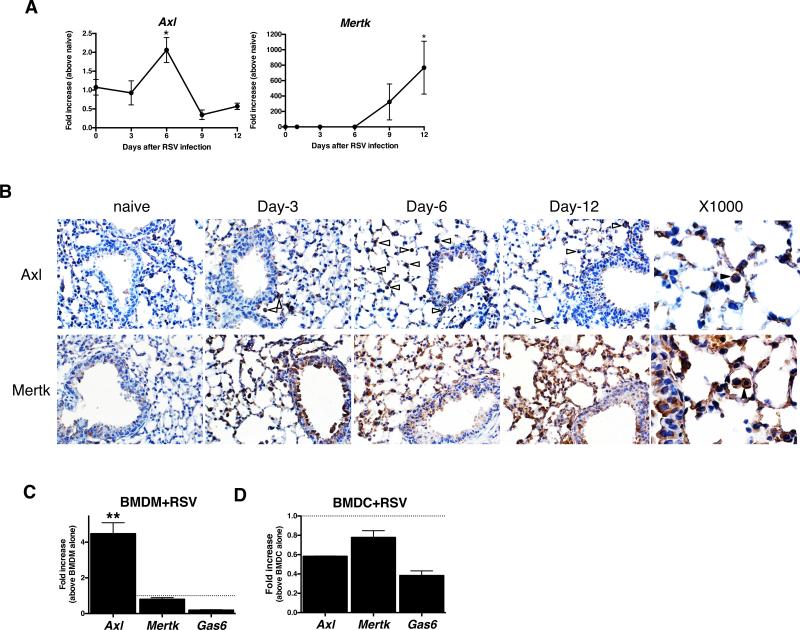
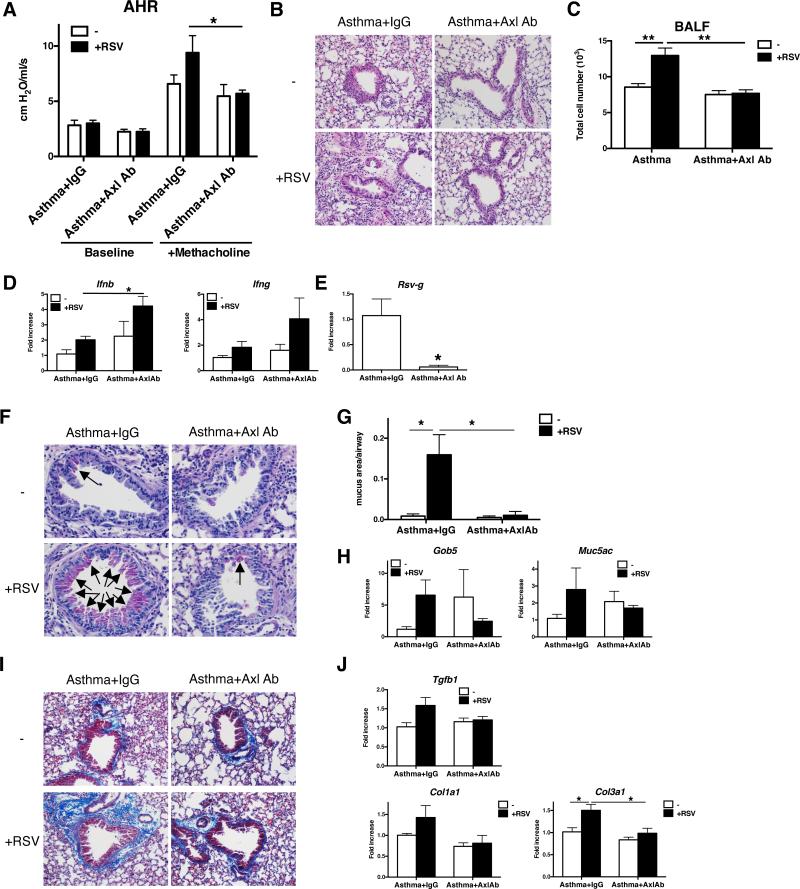
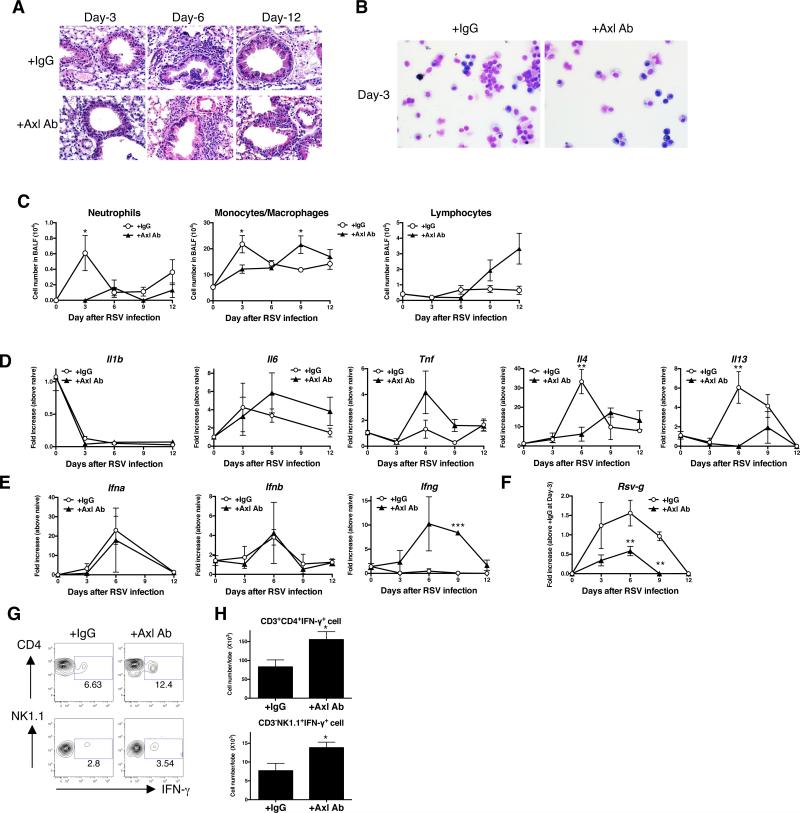
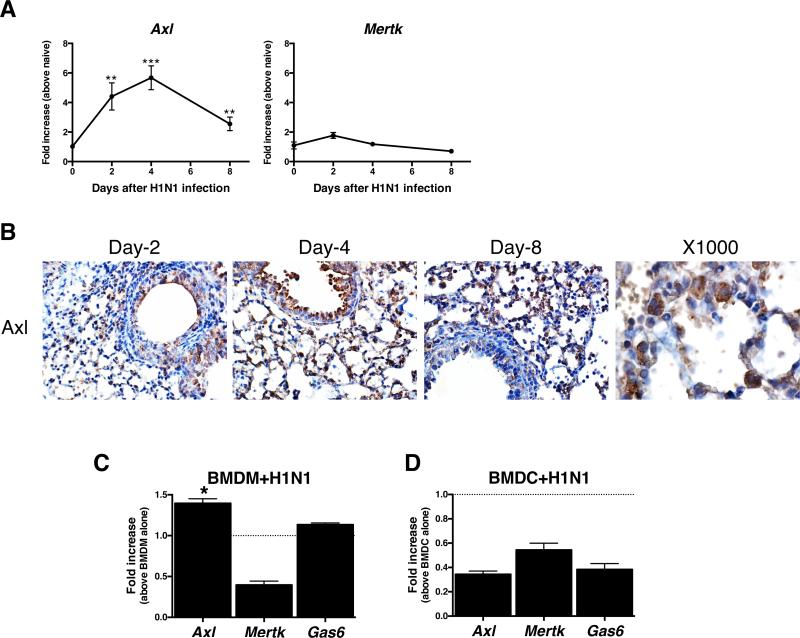
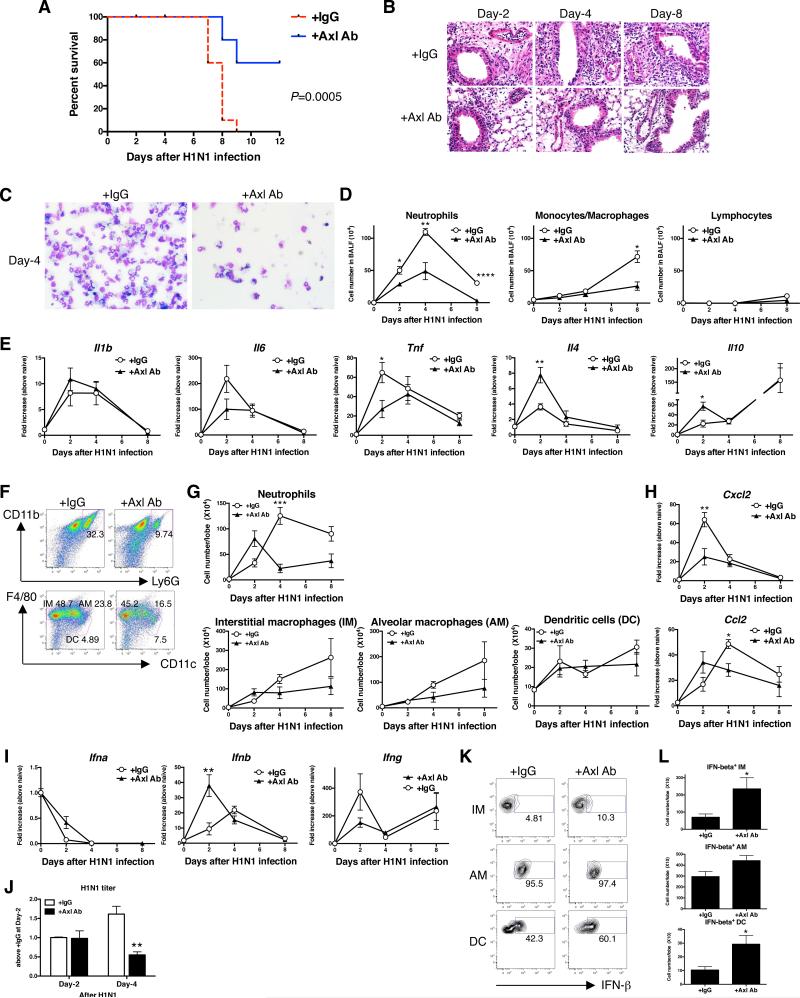
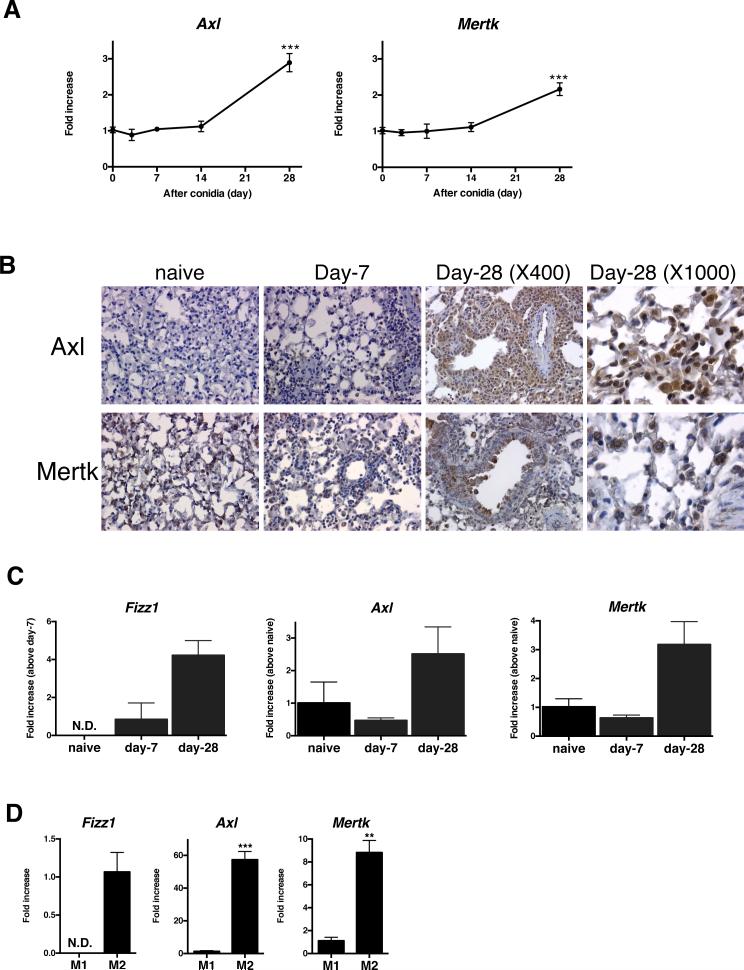
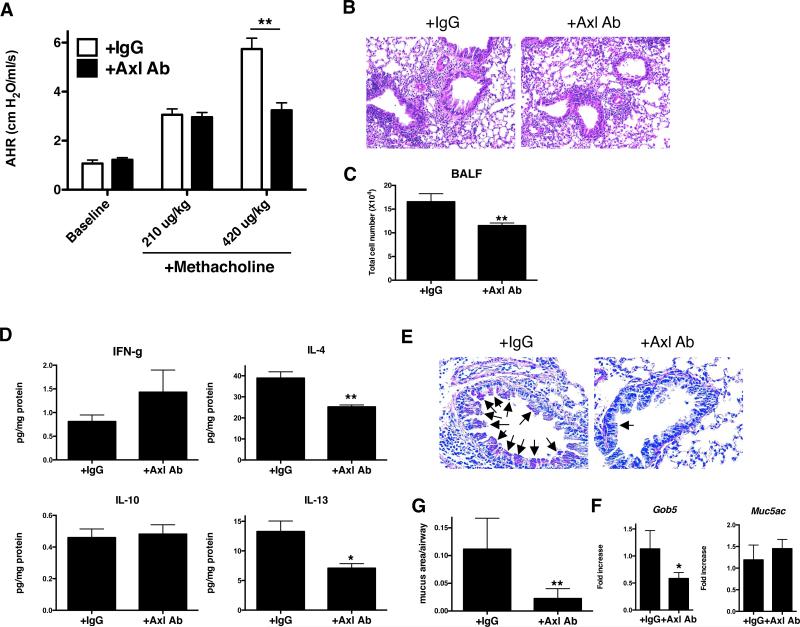
Viruses use Tyro3, Axl, and Mertk (TAM) receptor tyrosine kinases to infect and modulate the immune properties of various cell types, which led us to investigate whether TAM receptor activation affected primary viral infection and viral exacerbation of asthma in experimental models. In these lung-specific models, we observed that Axl was the most abundantly induced TAM receptor protein. During primary respiratory syncytial virus (RSV) infection, anti-Axl mAb treatment significantly increased the number of IFN-γ-producing T cells and NK cells and significantly suppressed RSV replication and whole lung levels of IL-4 and IL-13. Intrapulmonary H1N1 infection induced lethal pulmonary inflammation, but anti-Axl mAb treatment of infected mice significantly increased the number of IFN-β-producing macrophages and dendritic cells and significantly suppressed neutrophil infiltration. Consequently, the lethal effect of H1N1 infection in this model was significantly reduced in the mAb-treated group compared with the IgG control-treated group. Targeting Axl also inhibited airway hyperresponsiveness, IL-4 and IL-13 production, and goblet cell metaplasia in an Aspergillus fumigatus-induced asthma model. Finally, infection of mice with RSV during fungal asthma significantly exacerbated airway inflammation, goblet cell metaplasia, and airway remodeling, but all of these features in this viral exacerbation model were ameliorated by anti-Axl mAb treatment. Taken together, these results demonstrate that Axl modulates the pulmonary immune response during viral and/or allergic pathology, and they also suggest that targeting this TAM receptor might provide a novel therapeutic approach in these infectious diseases.
病毒利用 Tyro3、Axl 和 Mertk(TAM)受体酪氨酸激酶感染和调节各种细胞类型的免疫特性,这促使我们研究 TAM 受体激活是否会影响实验模型中的原发性病毒感染和病毒加重哮喘。在这些肺特异性模型中,我们观察到 Axl 是最丰富诱导的 TAM 受体蛋白。在原发性呼吸道合胞病毒(RSV)感染期间,抗 Axl mAb 治疗显著增加了 IFN-γ产生的 T 细胞和 NK 细胞的数量,并显著抑制了 RSV 复制和整个肺中 IL-4 和 IL-13 的水平。肺内 H1N1 感染诱导致命性肺部炎症,但感染小鼠的抗 Axl mAb 治疗显著增加了 IFN-β产生的巨噬细胞和树突状细胞的数量,并显著抑制了中性粒细胞浸润。因此,与 IgG 对照治疗组相比,mAb 治疗组显著降低了该模型中 H1N1 感染的致死作用。靶向 Axl 还抑制了烟曲霉菌诱导的哮喘模型中的气道高反应性、IL-4 和 IL-13 产生以及杯状细胞化生。最后,在真菌性哮喘期间感染 RSV 显著加重了气道炎症、杯状细胞化生和气道重塑,但在这个病毒加重模型中,所有这些特征都通过抗 Axl mAb 治疗得到改善。总之,这些结果表明 Axl 在病毒和/或过敏性病理过程中调节肺部免疫反应,并且它们还表明靶向这种 TAM 受体可能为这些传染病提供一种新的治疗方法。