Madinier Alexandre, Quattromani Miriana Jlenia, Sjölund Carin, Ruscher Karsten, Wieloch Tadeusz
Laboratory for Experimental Brain Research, Division of Neurosurgery, Department of Clinical Sciences, Lund University, Lund, Sweden.
PLoS One. 2014 Mar 24;9(3):e93121. doi: 10.1371/journal.pone.0093121. eCollection 2014.
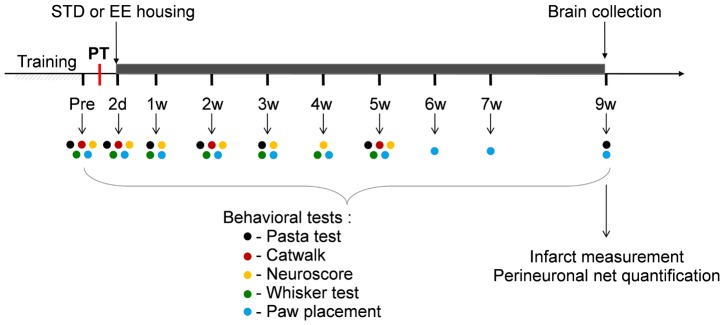
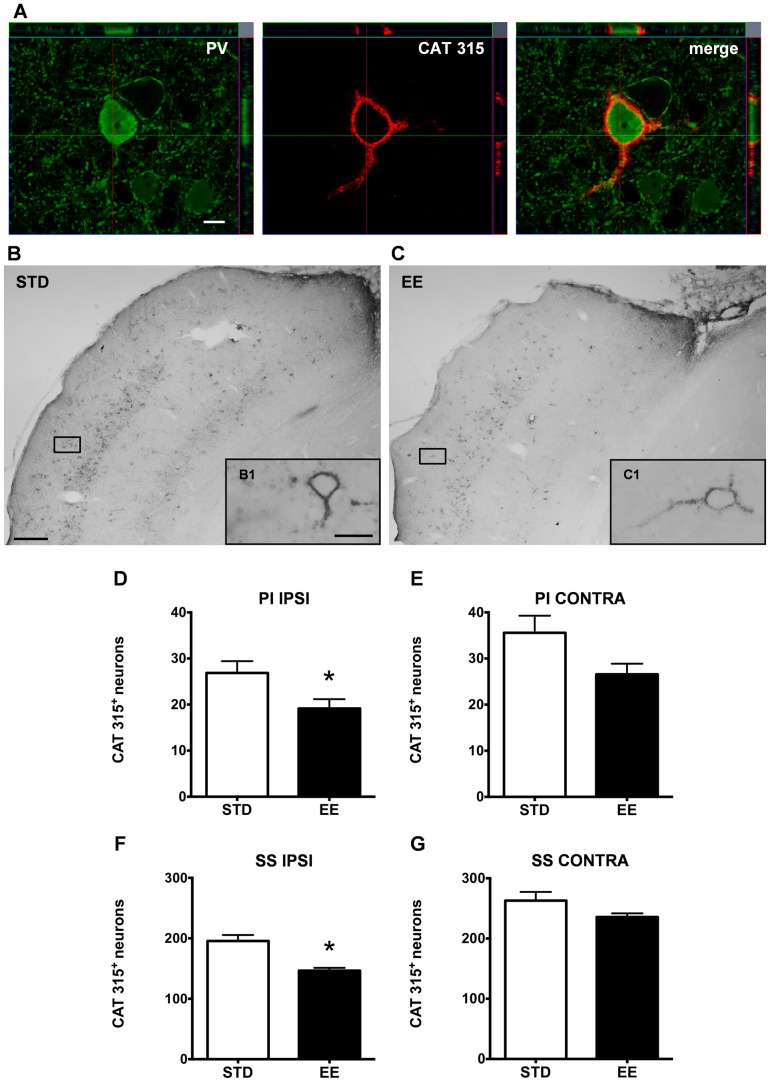
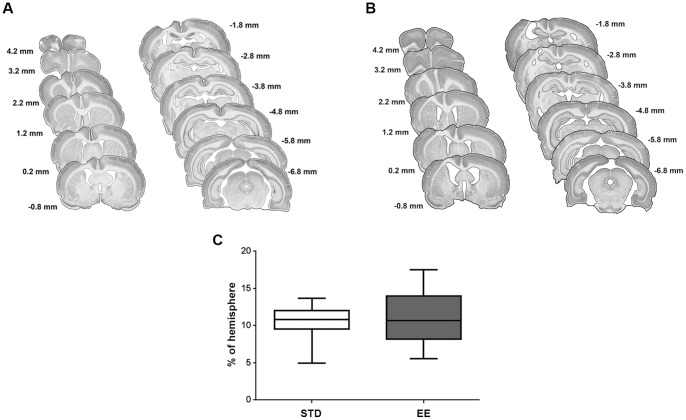
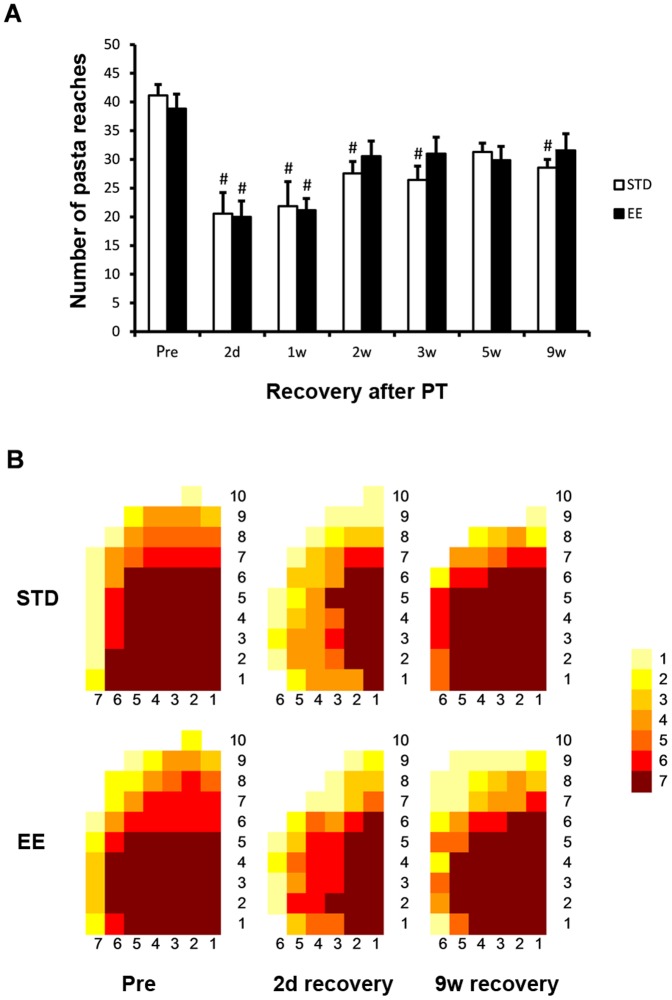
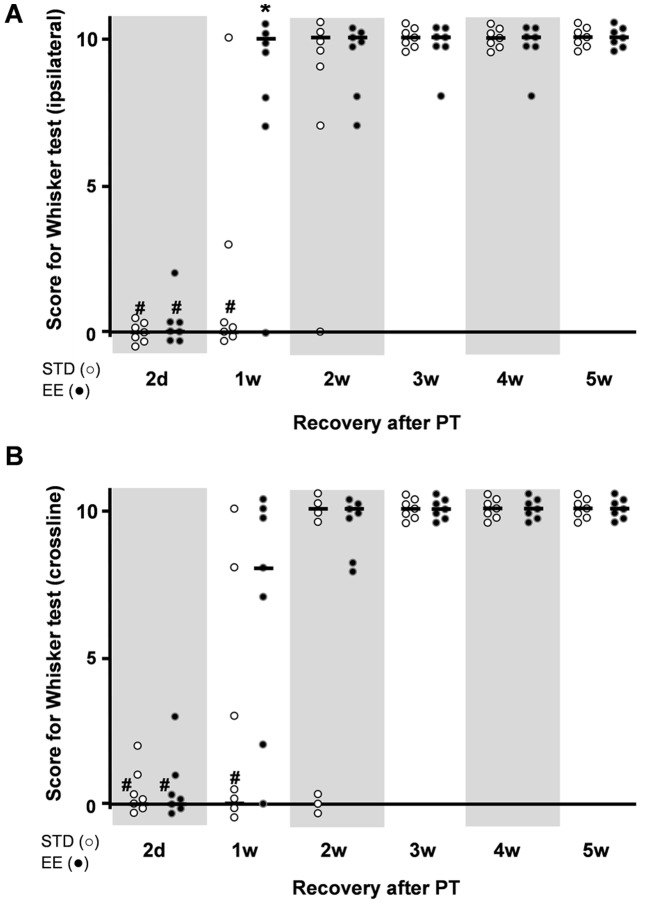
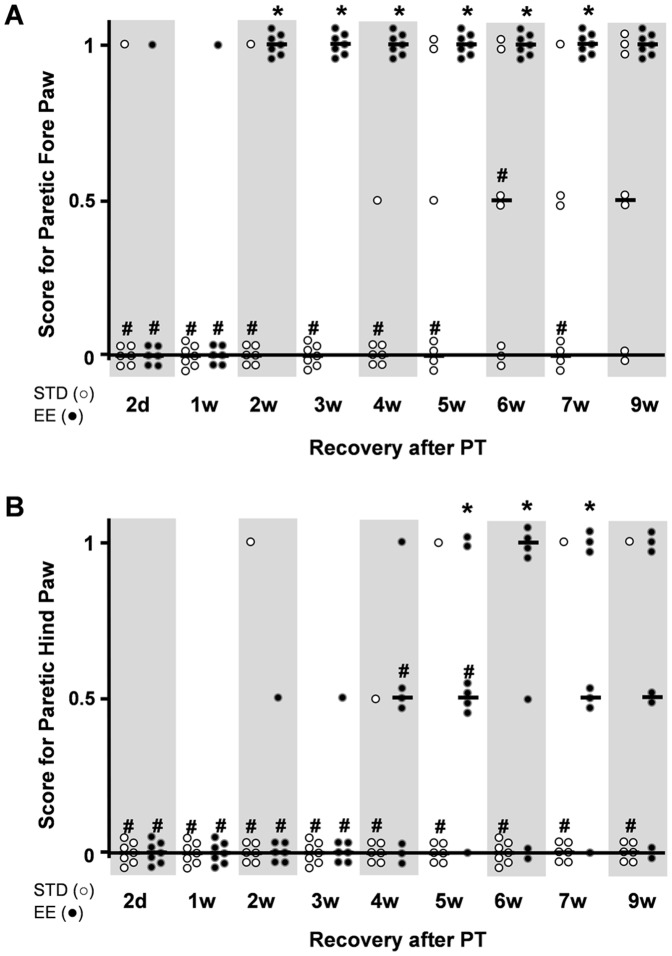
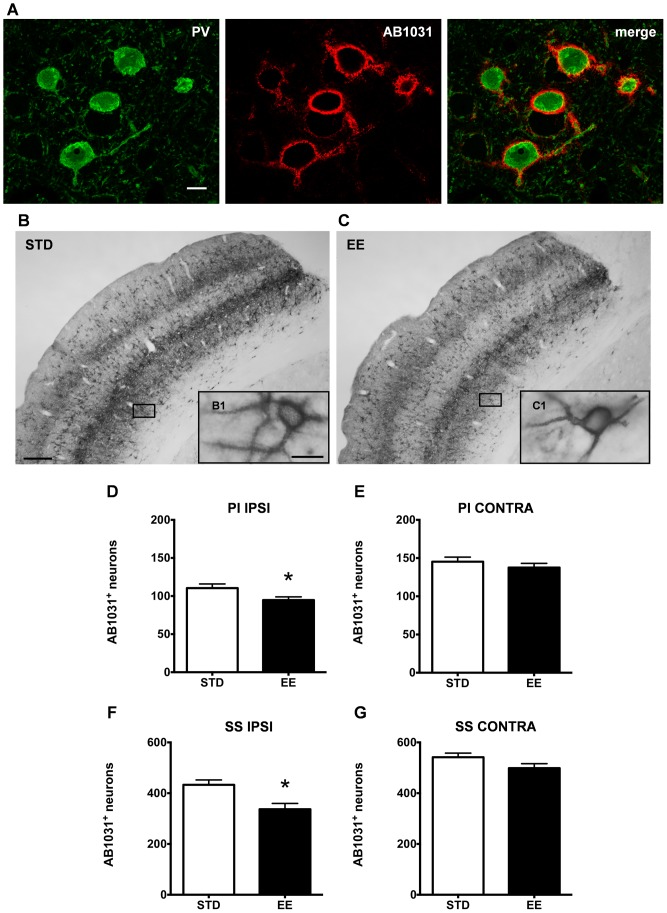
Stroke causes life long disabilities where few therapeutic options are available. Using electrical and magnetic stimulation of the brain and physical rehabilitation, recovery of brain function can be enhanced even late after stroke. Animal models support this notion, and housing rodents in an enriched environment (EE) several days after experimental stroke stimulates lost brain function by multisensory mechanisms. We studied the dynamics of functional recovery of rats with a lesion to the fore and hind limb motor areas induced by photothrombosis (PT), and with subsequent housing in either standard (STD) or EE. In this model, skilled motor function is not significantly enhanced by enriched housing, while the speed of recovery of sensori-motor function substantially improves over the 9-week study period. In particular, this stroke lesion completely obliterates the fore and hind limb placing ability when visual and whisker guidance is prevented, a deficit that persists for up to 9 weeks of recovery, but that is markedly restored within 2 weeks by enriched housing. Enriched housing after stroke also leads to a significant loss of perineuronal net (PNN) immunoreactivity; detection of aggrecan protein backbone with AB1031 antibody was decreased by 13-22%, and labelling of a glycan moiety of aggrecan with Cat-315 antibody was reduced by 25-30% in the peri-infarct area and in the somatosensory cortex, respectively. The majority of these cells are parvalbumin/GABA inhibitory interneurons that are important in sensori-information processing. We conclude that damage to the fore and hind limb motor areas provides a model of loss of limb placing response without visual guidance, a deficit also seen in more than 50% of stroke patients. This loss is amenable to recovery induced by multiple sensory stimulation and correlates with a decrease in aggrecan-containing PNNs around inhibitory interneurons. Modulating the PNN structure after ischemic damage may provide new therapies enhancing tactile/proprioceptive function after stroke.
中风会导致终身残疾,而目前可用的治疗选择很少。通过对大脑进行电刺激和磁刺激以及进行物理康复,即使在中风后很长时间,脑功能的恢复也可以得到增强。动物模型支持这一观点,在实验性中风几天后将啮齿动物饲养在丰富环境(EE)中,可通过多感官机制刺激丧失的脑功能。我们研究了光血栓形成(PT)诱导前肢和后肢运动区损伤并随后饲养在标准(STD)或EE环境中的大鼠功能恢复的动态过程。在这个模型中,丰富的饲养环境并不能显著增强熟练运动功能,但在9周的研究期内,感觉运动功能的恢复速度有了实质性提高。特别是,当视觉和触须引导被阻断时,这种中风损伤会完全消除前肢和后肢的放置能力,这种缺陷在长达9周的恢复过程中持续存在,但通过丰富的饲养环境可在2周内显著恢复。中风后丰富的饲养环境还会导致神经元周围网(PNN)免疫反应性显著丧失;在梗死周围区域和体感皮层,用AB1031抗体检测聚集蛋白聚糖蛋白骨架减少了13%-22%,用Cat-315抗体标记聚集蛋白聚糖的聚糖部分分别减少了25%-30%。这些细胞大多数是小白蛋白/GABA抑制性中间神经元,在感觉信息处理中很重要。我们得出结论,前肢和后肢运动区的损伤提供了一个在没有视觉引导的情况下肢体放置反应丧失的模型,超过50%的中风患者也存在这种缺陷。这种丧失可通过多种感觉刺激诱导恢复,并且与抑制性中间神经元周围含聚集蛋白聚糖的PNN减少有关。缺血性损伤后调节PNN结构可能会提供新的疗法来增强中风后的触觉/本体感觉功能。