Peano Clelia, Chiaramonte Fabrizio, Motta Sara, Pietrelli Alessandro, Jaillon Sebastien, Rossi Elio, Consolandi Clarissa, Champion Olivia L, Michell Stephen L, Freddi Luca, Falciola Luigi, Basilico Fabrizio, Garlanda Cecilia, Mauri Pierluigi, De Bellis Gianluca, Landini Paolo
Institute of Biomedical Technologies, National Research Council, Segrate, Milan, Italy.
Department of Biosciences, Università degli Studi di Milano, Milan, Italy.
PLoS One. 2014 Mar 26;9(3):e93009. doi: 10.1371/journal.pone.0093009. eCollection 2014.
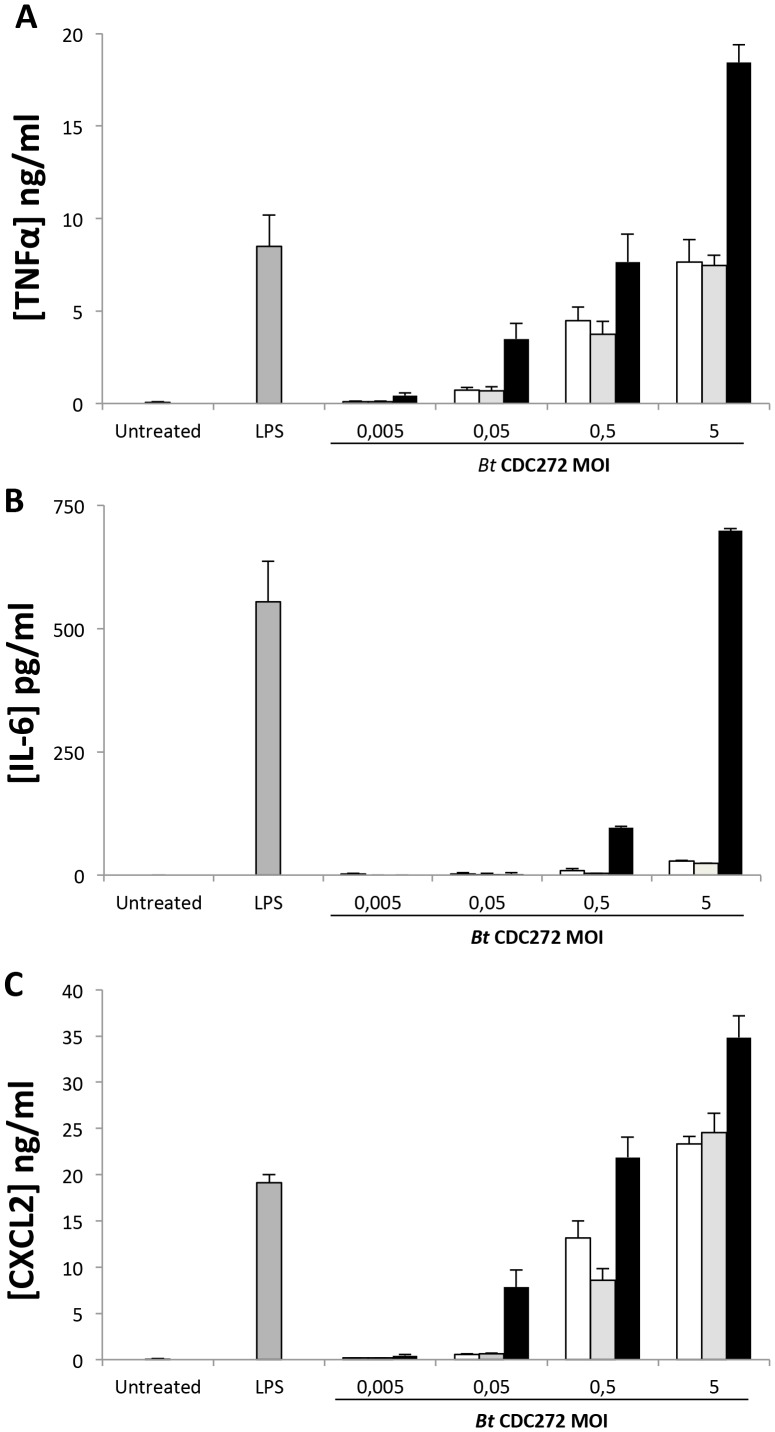
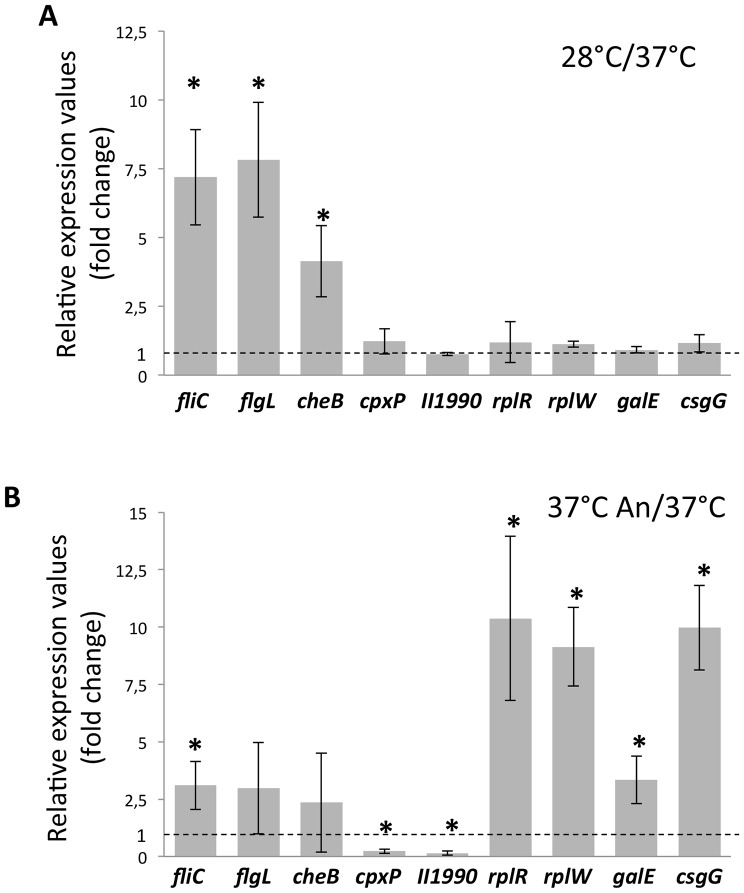
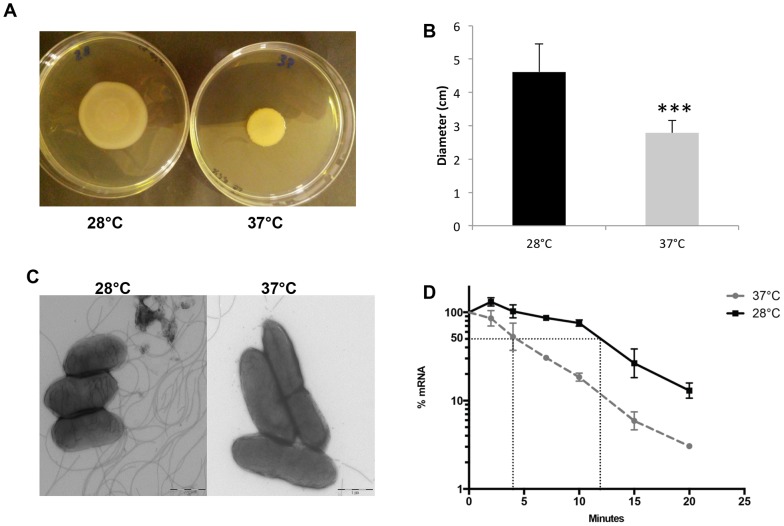
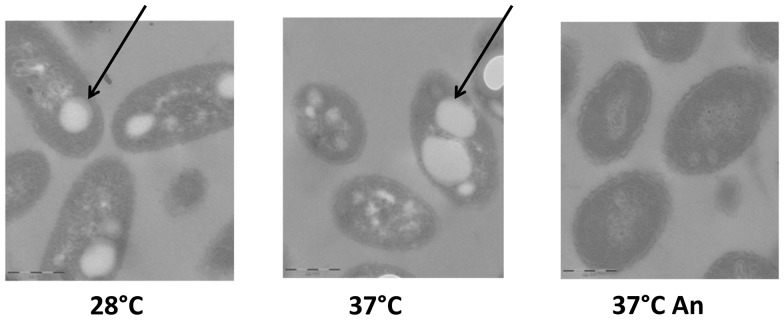
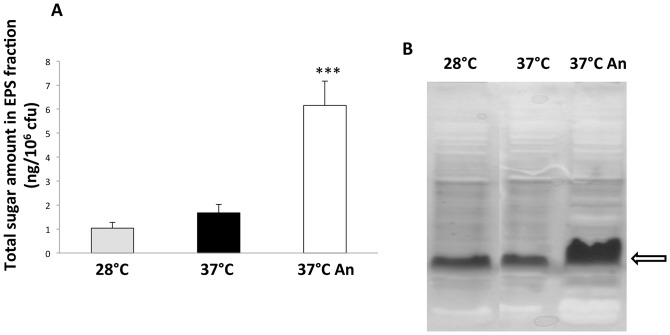
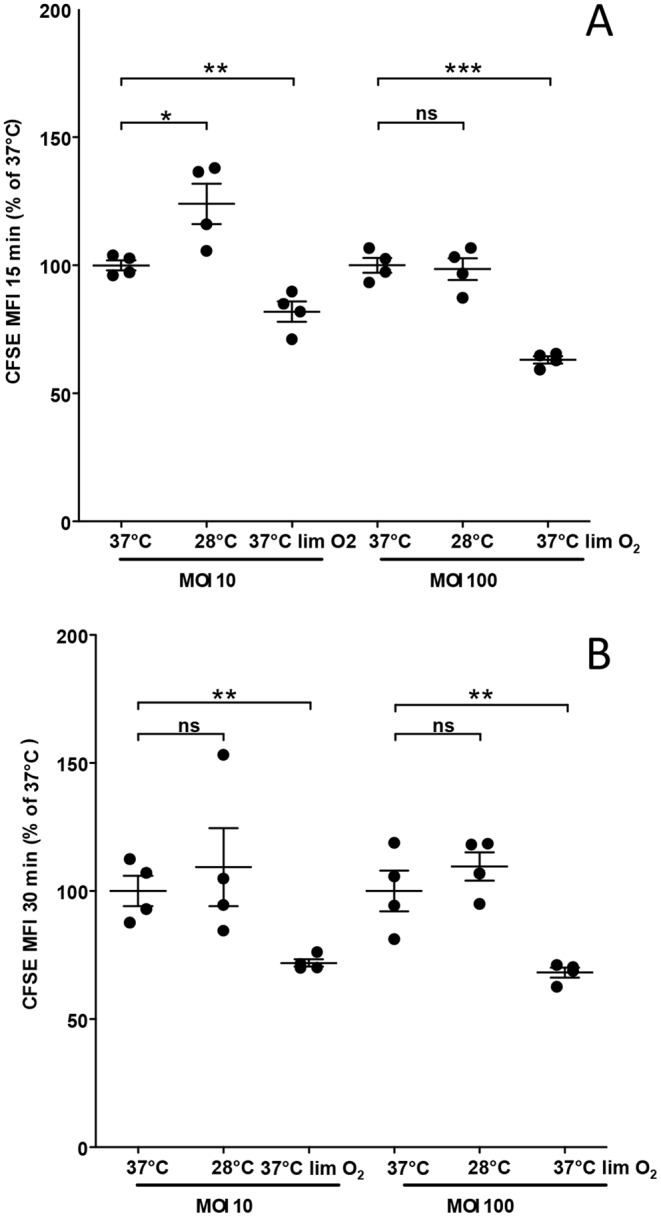
Burkholderia thailandensis, although normally avirulent for mammals, can infect macrophages in vitro and has occasionally been reported to cause pneumonia in humans. It is therefore used as a model organism for the human pathogen B. pseudomallei, to which it is closely related phylogenetically. We characterized the B. thailandensis clinical isolate CDC2721121 (BtCDC272) at the genome level and studied its response to environmental cues associated with human host colonization, namely, temperature and oxygen limitation. Effects of the different growth conditions on BtCDC272 were studied through whole genome transcription studies and analysis of proteins associated with the bacterial cell surface. We found that growth at 37°C, compared to 28°C, negatively affected cell motility and flagella production through a mechanism involving regulation of the flagellin-encoding fliC gene at the mRNA stability level. Growth in oxygen-limiting conditions, in contrast, stimulated various processes linked to virulence, such as lipopolysaccharide production and expression of genes encoding protein secretion systems. Consistent with these observations, BtCDC272 grown in oxygen limitation was more resistant to phagocytosis and strongly induced the production of inflammatory cytokines from murine macrophages. Our results suggest that, while temperature sensing is important for regulation of B. thailandensis cell motility, oxygen limitation has a deeper impact on its physiology and constitutes a crucial environmental signal for the production of virulence factors.
泰国伯克霍尔德菌虽然通常对哺乳动物无致病性,但可在体外感染巨噬细胞,且偶尔有报道称其可导致人类肺炎。因此,它被用作与人类病原体类鼻疽伯克霍尔德菌密切相关的模式生物。我们在基因组水平上对泰国伯克霍尔德菌临床分离株CDC2721121(BtCDC272)进行了表征,并研究了其对与人类宿主定殖相关的环境线索(即温度和氧气限制)的反应。通过全基因组转录研究以及对与细菌细胞表面相关蛋白质的分析,研究了不同生长条件对BtCDC272的影响。我们发现,与28°C相比,在37°C下生长通过一种在mRNA稳定性水平上调控鞭毛蛋白编码基因fliC的机制,对细胞运动性和鞭毛产生产生负面影响。相反,在氧气限制条件下生长会刺激各种与毒力相关的过程,如脂多糖的产生和编码蛋白质分泌系统的基因的表达。与这些观察结果一致,在氧气限制条件下生长的BtCDC272对吞噬作用更具抗性,并强烈诱导小鼠巨噬细胞产生炎性细胞因子。我们的结果表明,虽然温度感应对于泰国伯克霍尔德菌细胞运动性的调节很重要,但氧气限制对其生理学有更深远的影响,并且是毒力因子产生的关键环境信号。