Hermes Robert, Göritz Frank, Saragusty Joseph, Stoops Monica A, Hildebrandt Thomas B
Department Reproduction Management, Leibniz Institute for Zoo and Wildlife Research, Berlin, Germany.
Center for Conservation and Research of Endangered Wildlife, Cincinnati Zoo and Botanical Garden, Cincinnati, Ohio, United States of America.
PLoS One. 2014 Mar 26;9(3):e92595. doi: 10.1371/journal.pone.0092595. eCollection 2014.
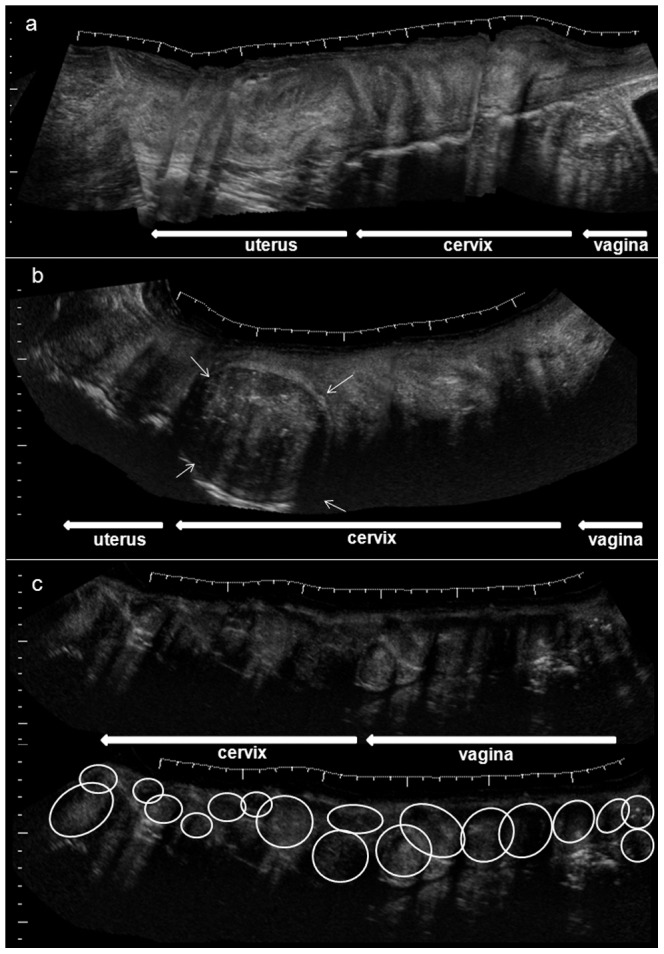
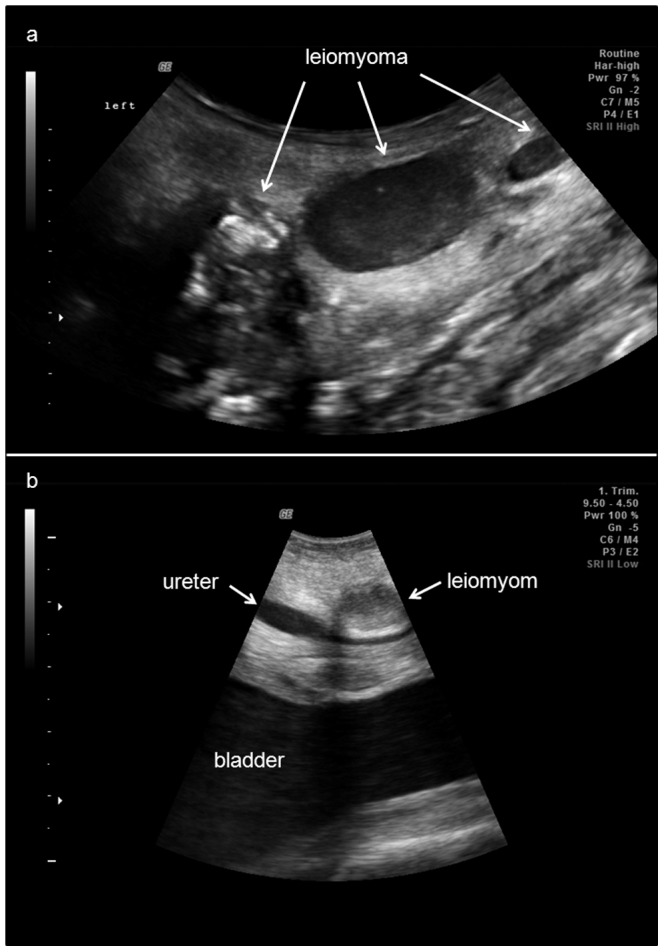
In Indian rhinoceros, extensive leiomyoma, a benign smooth muscle tumour, was sporadically diagnosed post mortem and commonly thought of as contributing factor for reduced fecundity of this species in captivity. However, to date, the prevalence of reproductive tract tumours and their relevance for fecundity are unknown. Our analysis of the international studbook now reveals that females cease reproducing at the age of 18.1±1.2 years; equivalent to a reproductive lifespan of just 9.5±1.3 years. This short reproductive life is in sharp contrast to their longevity in captivity of over 40 years. Here we show, after examining 42% of the captive female population, that age-related genital tract tumours are highly prevalent in this endangered species. Growth and development of these tumours was found to be age-related, starting from the age of 10 years. All females older than 12 years had developed genital tumours, just 7-9 years past maturity. Tumour sizes ranged from 1.5-10 cm. With age, tumours became more numerous, sometimes merging into one large diffuse tumour mass. These tumours, primarily vaginal and cervical, presumably cause widespread young-age infertility by the age of 18 years. In few cases, tumour necrosis suggested possible malignancy of tumours. Possible consequences of such genital tract tumour infestation are hindered intromission, pain during mating, hampered sperm passage, risk of ascending infection during pregnancy, dystocia, or chronic vaginal bleeding. In humans, leiomyoma affect up to 80% of pre-menopause women. While a leading cause for infertility, pregnancy is known to reduce the risk of tumour development. However, different from human, surgical intervention is not a viable treatment option in rhinoceroses. Thus, in analogy to humans, we suggest early onset and seamless consecutive pregnancies to help reduce prevalence of this disease, better maintain a self-sustained captive population and improve animal welfare.
在印度犀牛中,广泛的平滑肌瘤(一种良性平滑肌肿瘤)在死后偶尔被诊断出,通常被认为是该物种圈养繁殖力下降的一个因素。然而,迄今为止,生殖道肿瘤的患病率及其与繁殖力的相关性尚不清楚。我们对国际种畜登记簿的分析现在显示,雌性犀牛在18.1±1.2岁时停止繁殖;相当于仅9.5±1.3年的繁殖寿命。这种短暂的繁殖寿命与它们在圈养环境中超过40年的长寿形成鲜明对比。在这里,我们在检查了42%的圈养雌性种群后发现,与年龄相关的生殖道肿瘤在这种濒危物种中非常普遍。发现这些肿瘤的生长和发展与年龄有关,从10岁开始。所有12岁以上的雌性都出现了生殖器官肿瘤,仅在成熟后7 - 9年。肿瘤大小在1.5 - 10厘米之间。随着年龄增长,肿瘤数量增多,有时会合并成一个大的弥漫性肿瘤块。这些主要位于阴道和宫颈的肿瘤,可能在18岁时导致广泛的年轻时不孕。在少数情况下,肿瘤坏死表明肿瘤可能具有恶性。这种生殖道肿瘤感染的可能后果包括交配困难、交配时疼痛、精子通过受阻、怀孕期间上行感染的风险、难产或慢性阴道出血。在人类中,平滑肌瘤影响高达80%的绝经前女性。虽然是不孕的主要原因,但已知怀孕会降低肿瘤发生的风险。然而,与人类不同的是,手术干预在犀牛中不是一个可行的治疗选择。因此,与人类类似,我们建议早期开始并连续不断地怀孕,以帮助降低这种疾病的患病率,更好地维持一个自我维持的圈养种群并改善动物福利。