Department of Emergency, Xiangya Hospital, Central-South University, Changsha, China.
Department of General Surgery, Xiangya Hospital, Central-South University, Changsha, China.
Gut Liver. 2014 Mar;8(2):196-204. doi: 10.5009/gnl.2014.8.2.196. Epub 2013 Nov 5.
BACKGROUND/AIMS: To evaluate the expression of CXC motif chemokine receptor 4 (CXCR4) in the tissues of patients with hilar cholangiocarcinoma (hilar-CCA) and to investigate the cell proliferation and frequency of neural invasion (NI) influenced by RNAi-mediated CXCR4 silencing.
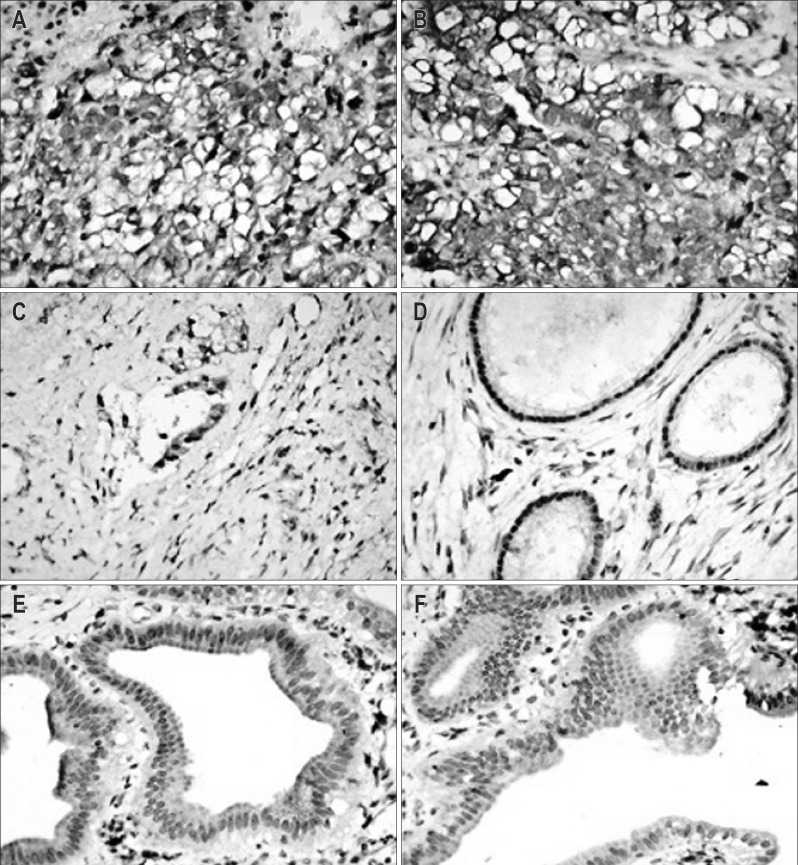
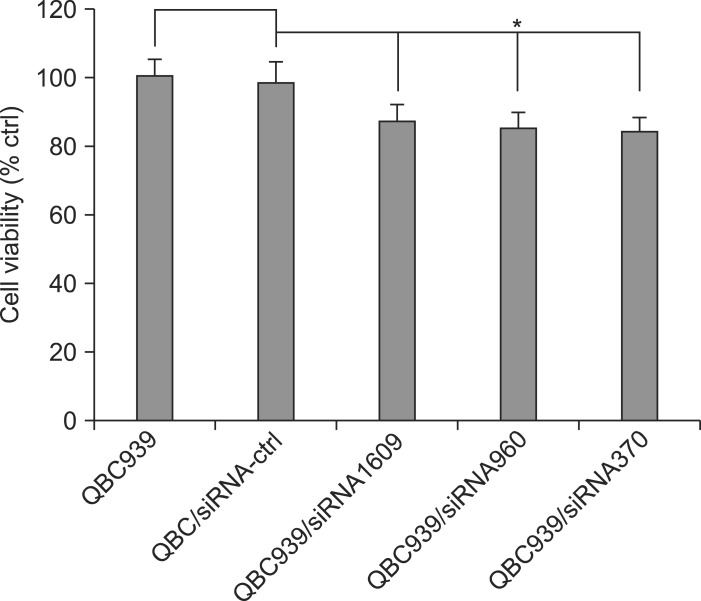
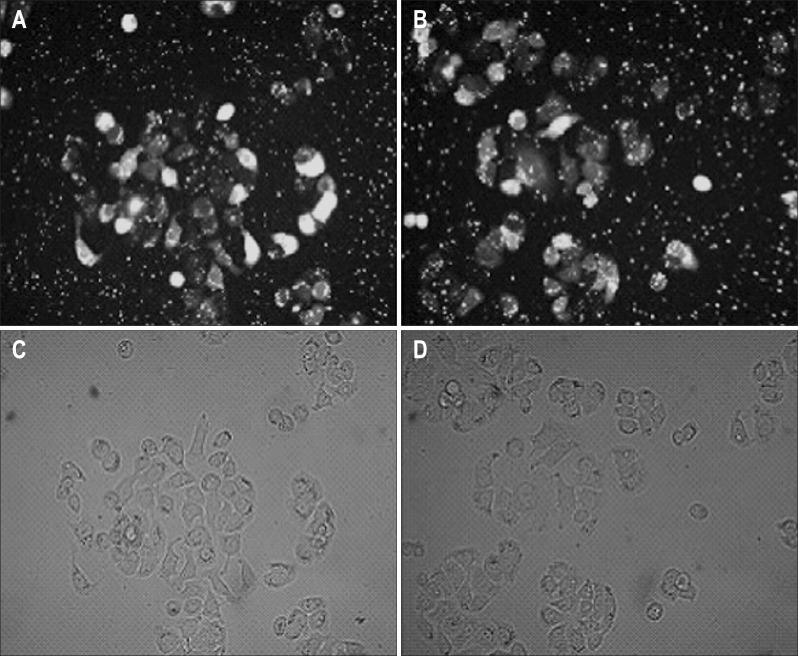
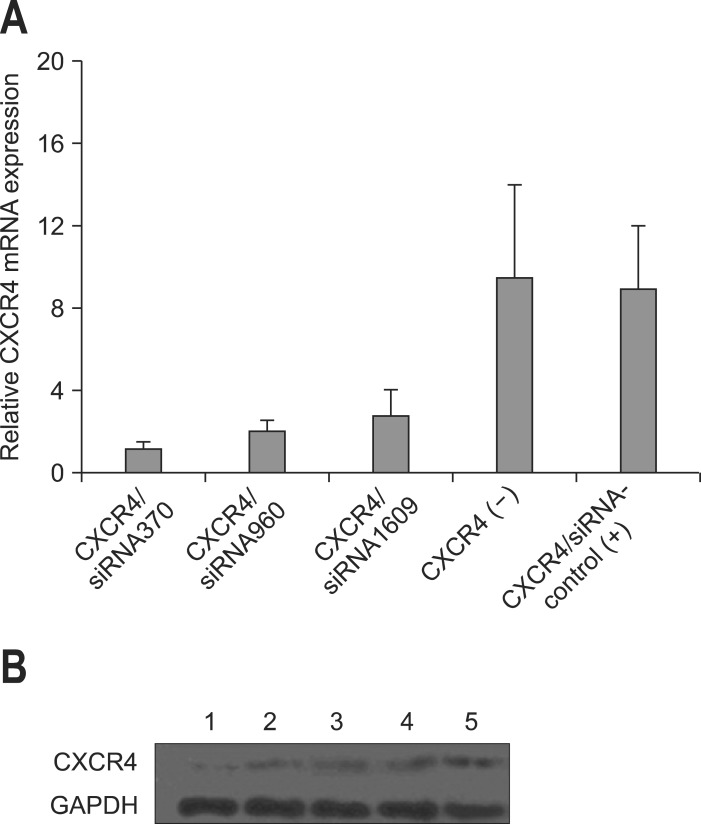
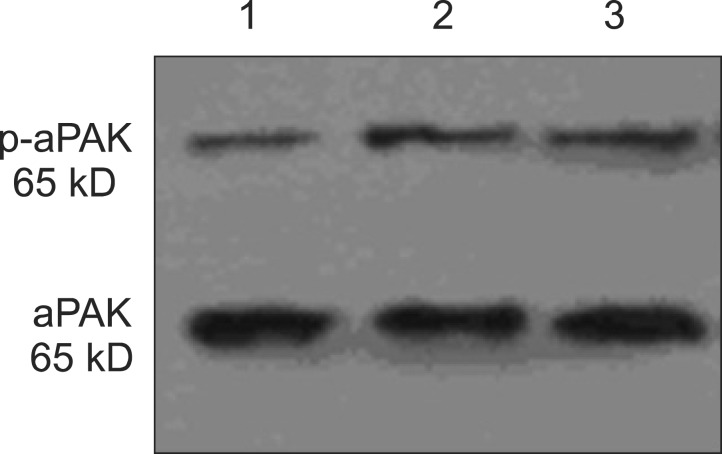
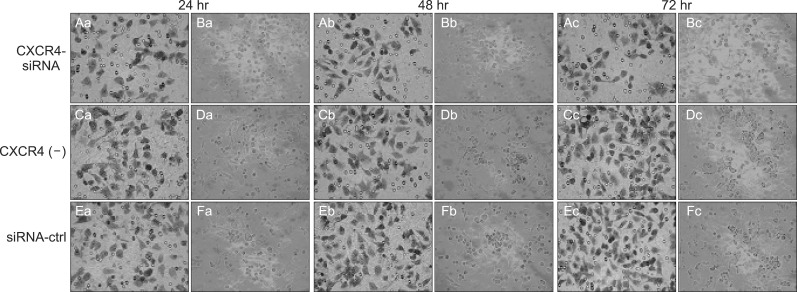
An immunohistochemical technique was used to detect the expression of CXCR4 in 41 clinical tissues, including hilar-CCA, cholangitis, and normal bile duct tissues. The effects of small interference RNA (siRNA)-mediated CXCR4 silencing were detected in the hilar-CCA cell line QBC939. Cell proliferation was determined by MTT. Expression of CXCR4 was monitored by quantitative real time polymerase chain reaction and Western blot analysis. The NI ability of hilar-CCA cells was evaluated using a perineural cell and hilar-CCA cell coculture migration assay.
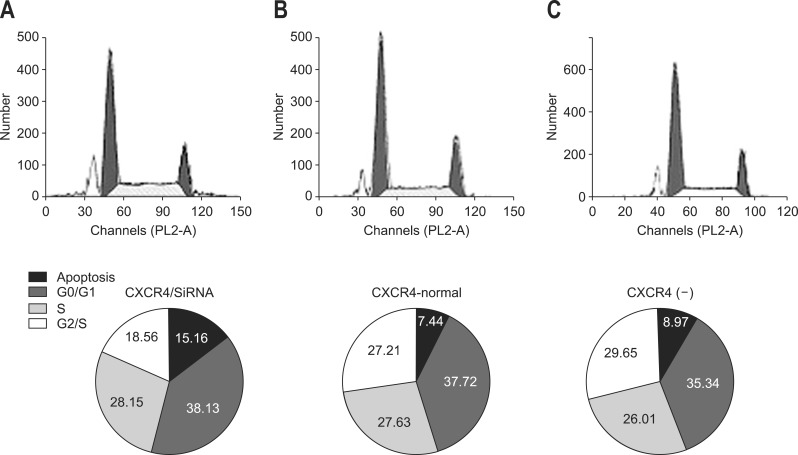
The expression of CXCR4 was significantly induced in clinical hilar-CCA tissue. There was a positive correlation between the expression of CXCR4 and lymph node metastasis/NI in hilar-CCA patients (p<0.05). Silencing of CXCR4 in tumor cell lines by siRNA led to significantly decreased NI (p<0.05) and slightly decreased cell proliferation.
CXCR4 is likely correlated with clinical recurrence of hilar-CCA. CXCR4 is involved in the invasion and proliferation of human hilar-CCA cell line QBC939, indicating that CXCR4 could be a promising therapeutic target for hilar-CCA.
背景/目的:评估趋化因子受体 4(CXCR4)在肝门部胆管癌(hilar-CCA)组织中的表达,并研究 RNAi 介导的 CXCR4 沉默对细胞增殖和神经侵袭(NI)频率的影响。
采用免疫组织化学技术检测 41 例临床组织(包括肝门部胆管癌、胆管炎和正常胆管组织)中 CXCR4 的表达。在肝门部胆管癌细胞系 QBC939 中检测小干扰 RNA(siRNA)介导的 CXCR4 沉默的影响。MTT 法测定细胞增殖。定量实时聚合酶链反应和 Western blot 分析监测 CXCR4 的表达。通过神经周围细胞和肝门部胆管癌细胞共培养迁移试验评估肝门部胆管癌细胞的 NI 能力。
CXCR4 在临床肝门部胆管癌组织中表达明显上调。CXCR4 的表达与肝门部胆管癌患者的淋巴结转移/NI 呈正相关(p<0.05)。siRNA 沉默肿瘤细胞系中的 CXCR4 导致 NI 显著降低(p<0.05),细胞增殖略有降低。
CXCR4 可能与肝门部胆管癌的临床复发相关。CXCR4 参与人肝门部胆管癌细胞系 QBC939 的侵袭和增殖,表明 CXCR4 可能是肝门部胆管癌有前途的治疗靶点。