Brett Maggie, McPherson John, Zang Zhi Jiang, Lai Angeline, Tan Ee-Shien, Ng Ivy, Ong Lai-Choo, Cham Breana, Tan Patrick, Rozen Steve, Tan Ene-Choo
KK Research Centre, KK Women's & Children's Hospital, Singapore, Singapore.
Duke-NUS Graduate Medical School, Singapore, Singapore.
PLoS One. 2014 Apr 1;9(4):e93409. doi: 10.1371/journal.pone.0093409. eCollection 2014.
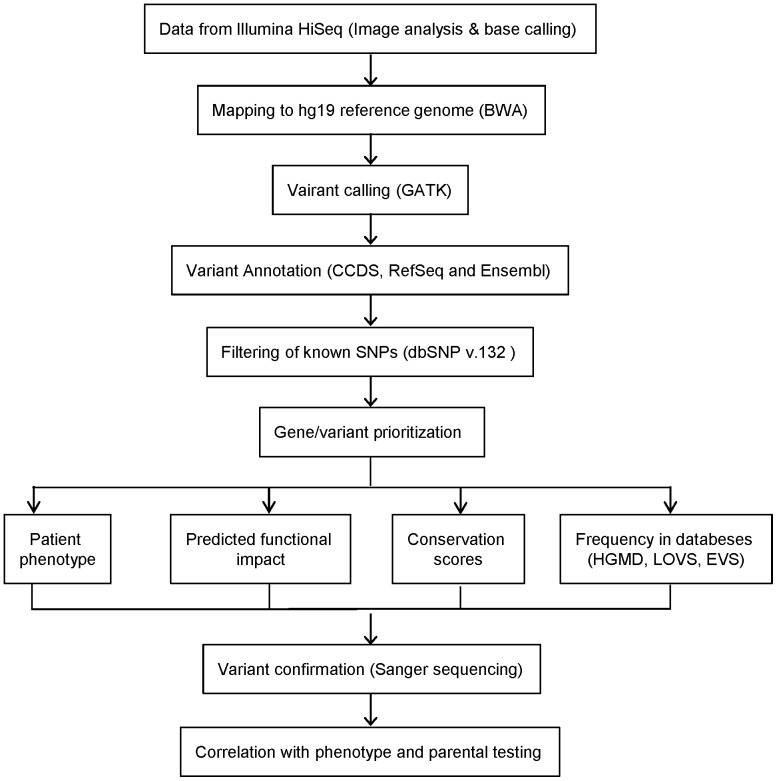
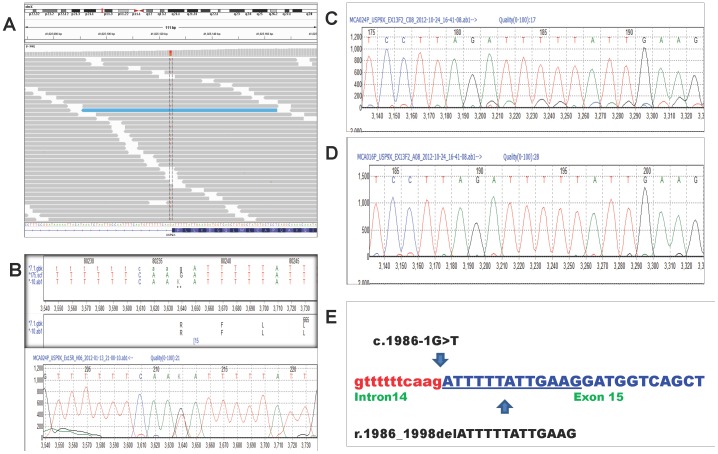
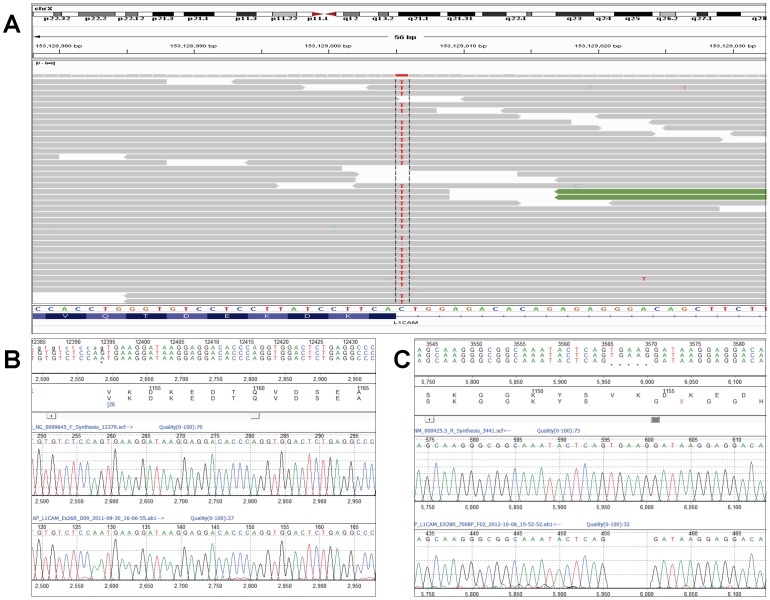
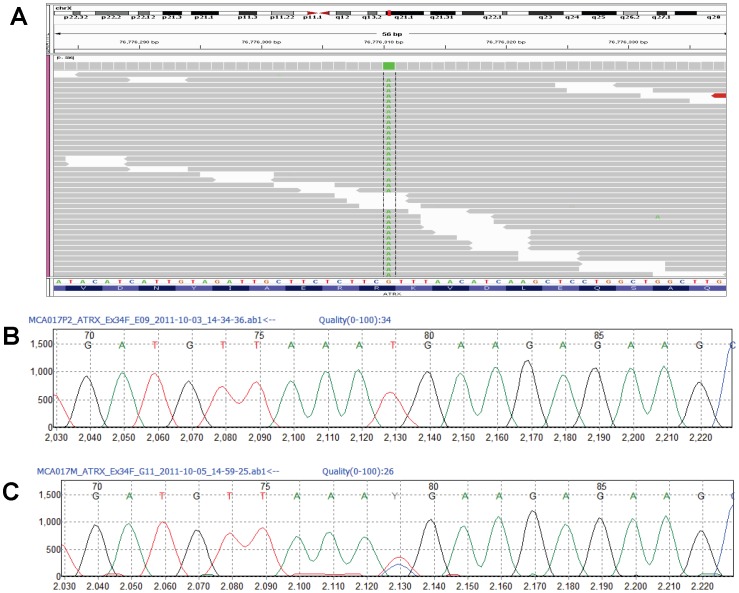
Developmental delay and/or intellectual disability (DD/ID) affects 1-3% of all children. At least half of these are thought to have a genetic etiology. Recent studies have shown that massively parallel sequencing (MPS) using a targeted gene panel is particularly suited for diagnostic testing for genetically heterogeneous conditions. We report on our experiences with using massively parallel sequencing of a targeted gene panel of 355 genes for investigating the genetic etiology of eight patients with a wide range of phenotypes including DD/ID, congenital anomalies and/or autism spectrum disorder. Targeted sequence enrichment was performed using the Agilent SureSelect Target Enrichment Kit and sequenced on the Illumina HiSeq2000 using paired-end reads. For all eight patients, 81-84% of the targeted regions achieved read depths of at least 20×, with average read depths overlapping targets ranging from 322× to 798×. Causative variants were successfully identified in two of the eight patients: a nonsense mutation in the ATRX gene and a canonical splice site mutation in the L1CAM gene. In a third patient, a canonical splice site variant in the USP9X gene could likely explain all or some of her clinical phenotypes. These results confirm the value of targeted MPS for investigating DD/ID in children for diagnostic purposes. However, targeted gene MPS was less likely to provide a genetic diagnosis for children whose phenotype includes autism.
发育迟缓及/或智力残疾(DD/ID)影响着1%至3%的儿童。据认为,其中至少一半存在遗传病因。最近的研究表明,使用靶向基因panel的大规模平行测序(MPS)特别适合对遗传异质性疾病进行诊断检测。我们报告了使用包含355个基因的靶向基因panel进行大规模平行测序,以调查八名具有广泛表型(包括DD/ID、先天性异常及/或自闭症谱系障碍)患者的遗传病因的经验。使用安捷伦SureSelect靶向富集试剂盒进行靶向序列富集,并在Illumina HiSeq2000上使用双端reads进行测序。对于所有八名患者,81%至84%的靶向区域实现了至少20×的读深,靶向区域的平均读深范围为322×至798×。在八名患者中的两名成功鉴定出致病变异:ATRX基因中的一个无义突变和L1CAM基因中的一个典型剪接位点突变。在第三名患者中,USP9X基因中的一个典型剪接位点变异可能解释了她的全部或部分临床表型。这些结果证实了靶向MPS在调查儿童DD/ID以进行诊断方面的价值。然而,对于表型包括自闭症的儿童,靶向基因MPS不太可能提供遗传诊断。