Badavi Mohammad, Abedi Hassan Ali, Sarkaki Ali Reza, Dianat Mahin
Physiology Research Center, Physiology Department, Faculty of Medicine, Ahvaz Jundishapur University of Medical Sciences, Ahvaz, IR Iran.
Physiology Department, Faculty of Medicine, Jahrom University of Medical Sciences, Jahrom, IR Iran.
Iran Red Crescent Med J. 2013 Oct;15(10):e7624. doi: 10.5812/ircmj.7624. Epub 2013 Oct 5.
One of the known complications of diabetes mellitus is vascular dysfunction. Inability of the coronary vascular response to cardiac hyperactivity might cause a higher incidence of ischemic heart disease in diabetic subjects. It has been indicated that regular exercise training and antioxidants could prevent diabetic cardiovascular problems enhanced by vascular damage.
The aim of this study was to determine the effects of grape seed extract (as antioxidant), with and without exercise training on coronary vascular function in streptozotocin induced diabetic rats.
Fifty male Wistar rats weighing 200 - 232 grams were randomly divided into five groups of 10 rats each: sedentary control, sedentary diabetic, trained diabetic, grape seed extract (200 mg/kg) treated sedentary diabetic and, grape seed extract treated trained diabetic. Diabetes was induced by one intraperitoneal injection of streptozotocin. After eight weeks, coronary vascular responses to vasoactive agents were determined.
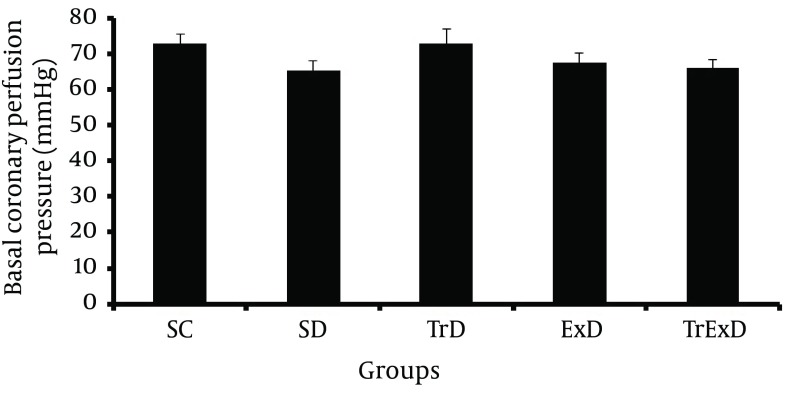
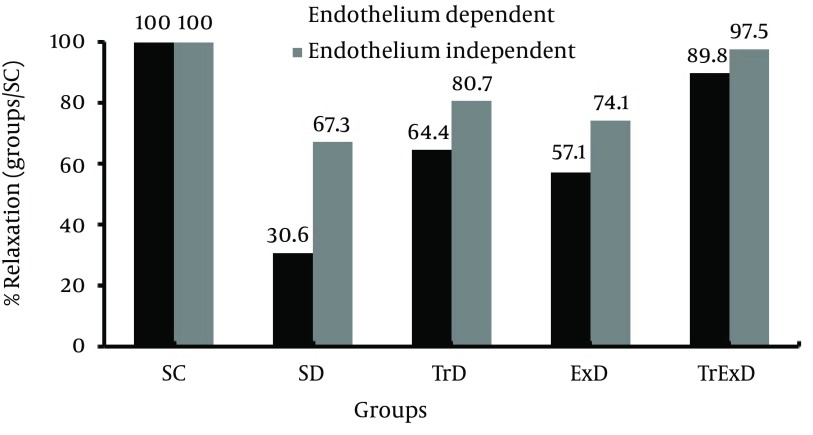
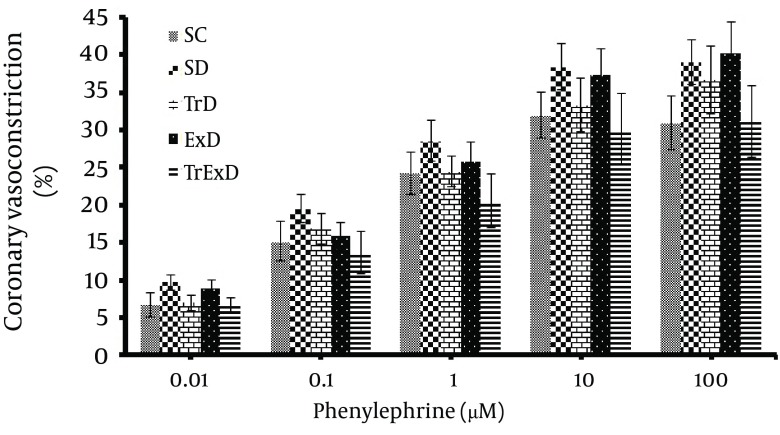
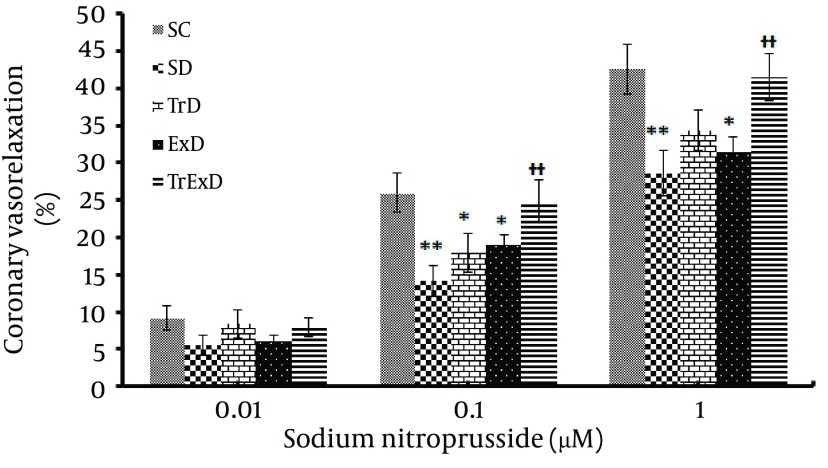
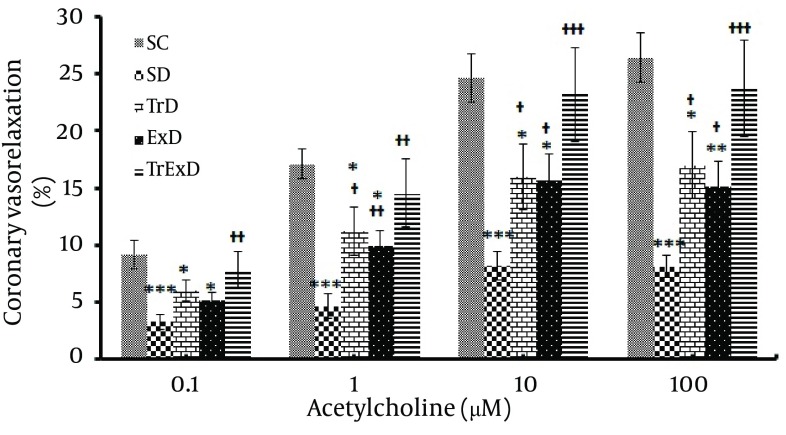
The endothelium dependent vasorelaxation to acetylcholine was reduced significantly in diabetic animals; exercise training or grape seed extract administration partially improves this response. However, exercise training in combination with grape seed extract restores endothelial function completely. The endothelium independent vasorelaxation to sodium nitroprusside was improved by combination of exercise training and grape seed extract. On the other hand, the basal perfusion pressure and vasoconstrictive response to phenylephrine did not change significantly.
The data indicated that co-administration of grape seed extract and exercise training had more significant effects than exercise training or grape seed extract alone; this may constitute a convenient and inexpensive therapeutic approach to diabetic vascular complications.
糖尿病已知的并发症之一是血管功能障碍。冠状动脉对心脏活动增强的反应能力不足可能导致糖尿病患者缺血性心脏病的发病率更高。已有研究表明,规律的运动训练和抗氧化剂可以预防因血管损伤而加重的糖尿病心血管问题。
本研究旨在确定葡萄籽提取物(作为抗氧化剂)联合或不联合运动训练对链脲佐菌素诱导的糖尿病大鼠冠状动脉血管功能的影响。
将50只体重200 - 232克的雄性Wistar大鼠随机分为五组,每组10只:久坐对照组、久坐糖尿病组、训练糖尿病组、葡萄籽提取物(200毫克/千克)处理的久坐糖尿病组和葡萄籽提取物处理的训练糖尿病组。通过腹腔注射一次链脲佐菌素诱导糖尿病。八周后,测定冠状动脉对血管活性药物的反应。
糖尿病动物对乙酰胆碱的内皮依赖性血管舒张反应显著降低;运动训练或给予葡萄籽提取物可部分改善这种反应。然而,运动训练与葡萄籽提取物联合使用可完全恢复内皮功能。运动训练和葡萄籽提取物联合使用可改善对硝普钠的非内皮依赖性血管舒张反应。另一方面,基础灌注压和对去氧肾上腺素的血管收缩反应没有显著变化。
数据表明,葡萄籽提取物与运动训练联合使用比单独进行运动训练或给予葡萄籽提取物具有更显著的效果;这可能构成一种方便且廉价的治疗糖尿病血管并发症的方法。