Obradovic Aleksandar Lj, Hwang Sung Mi, Scarpa Joseph, Hong Sung Jun, Todorovic Slobodan M, Jevtovic-Todorovic Vesna
Department of Anesthesiology, University of Virginia Health System, Charlottesville, Virginia, United States of America; Department of Physiology, Faculty of Pharmacy University of Belgrade, Belgrade, Serbia.
Department of Anesthesiology, University of Virginia Health System, Charlottesville, Virginia, United States of America; Department of Anesthesiology and Pain Medicine, Chuncheon Sacred Heart Hospital, College of Medicine, Hallym University, Chuncheon, South Korea.
PLoS One. 2014 Apr 4;9(4):e91467. doi: 10.1371/journal.pone.0091467. eCollection 2014.
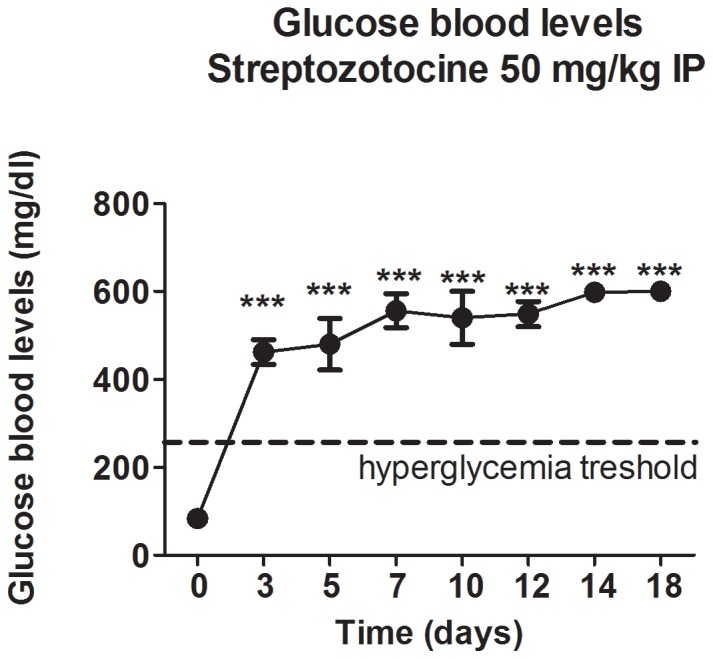
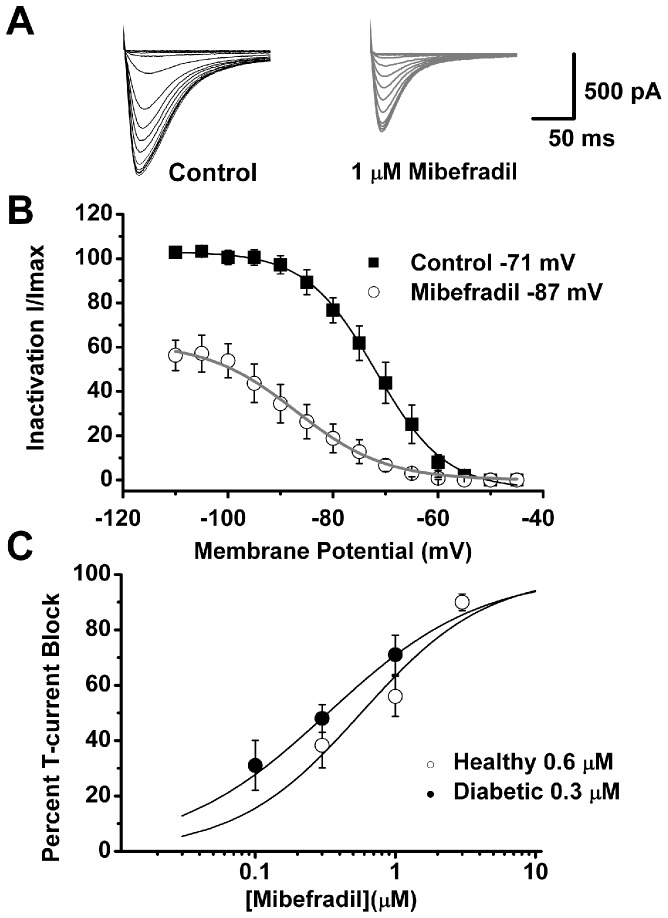
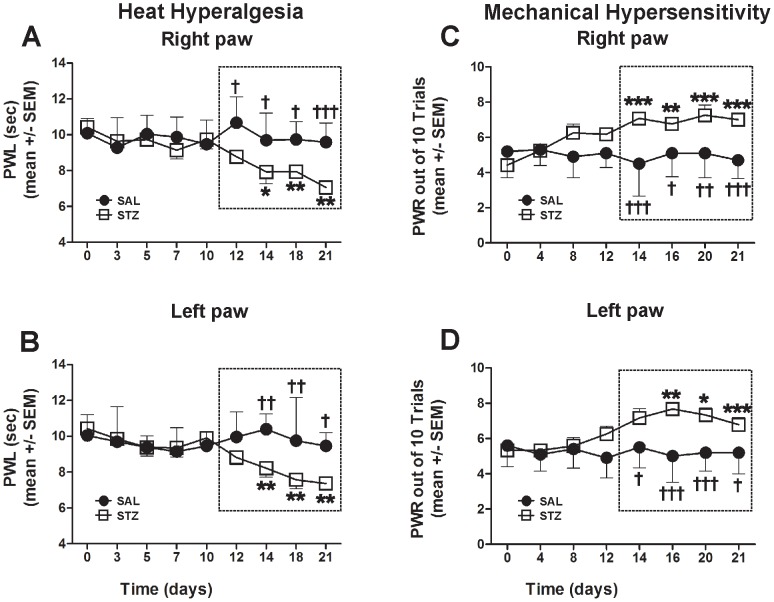
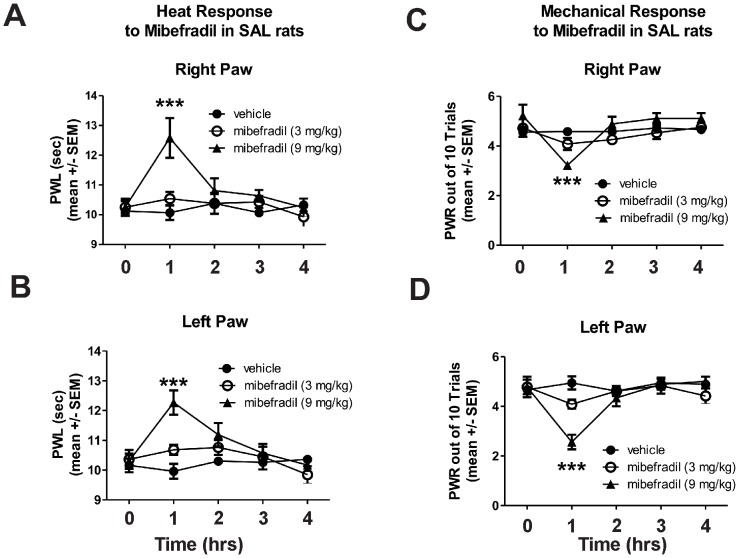
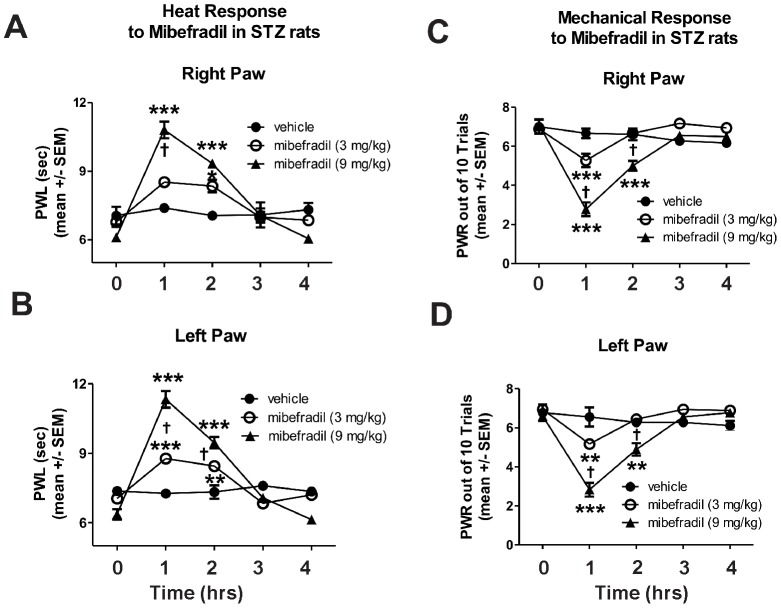
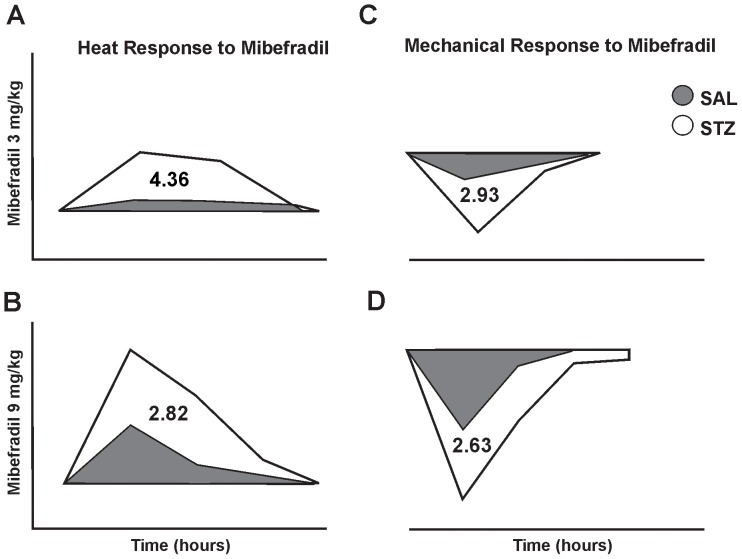
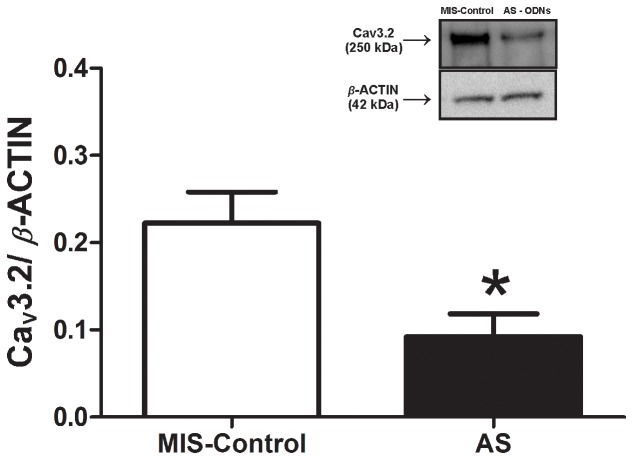
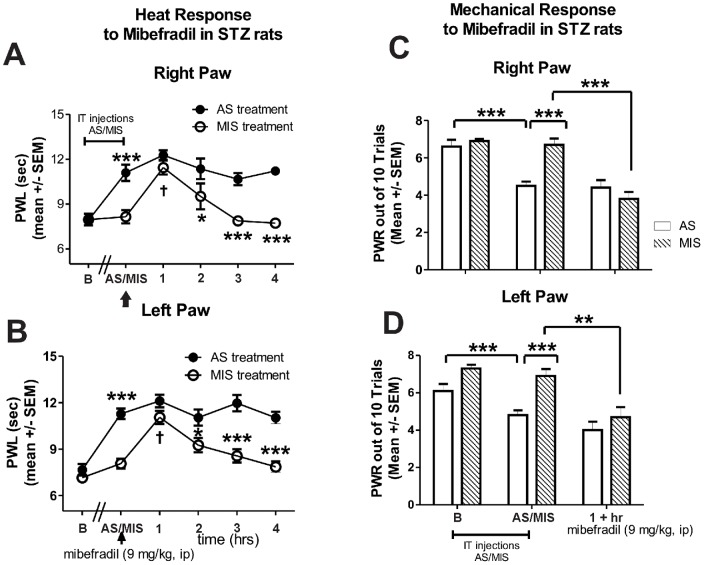
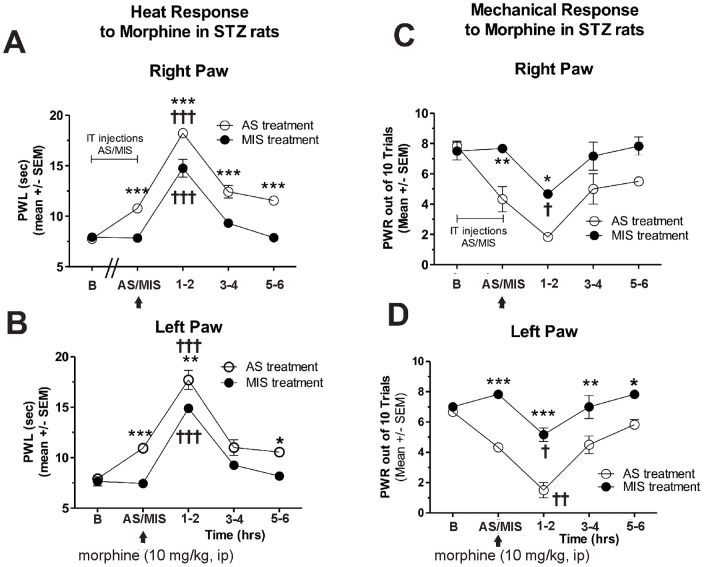
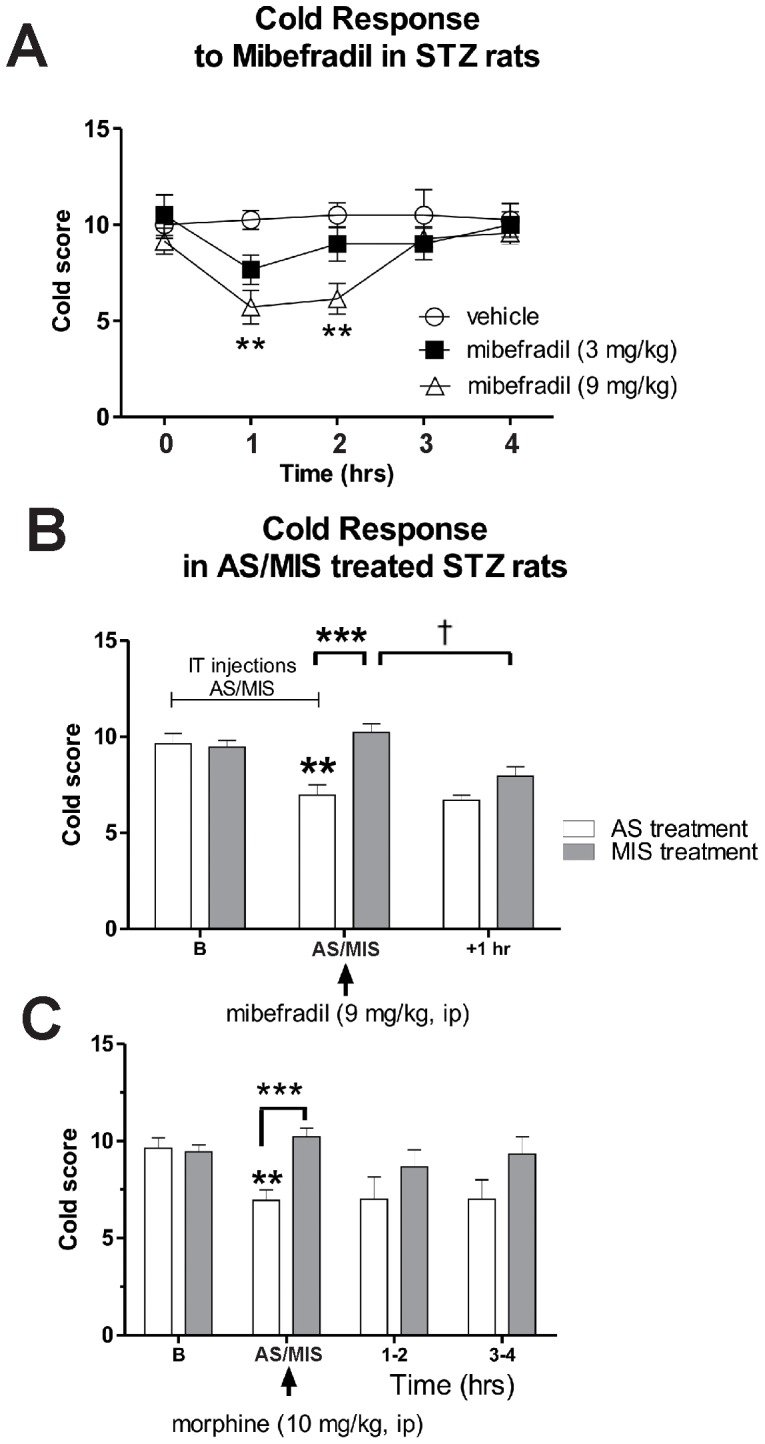
We recently showed that streptozotocin (STZ) injections in rats lead to the development of painful peripheral diabetic neuropathy (PDN) accompanied by enhancement of CaV3.2 T-type calcium currents (T-currents) and hyperexcitability in dorsal root ganglion (DRG) neurons. Here we used the classical peripherally acting T-channel blocker mibefradil to examine the role of CaV3.2 T-channels as pharmacological targets for treatment of painful PDN. When administered intraperitoneally (i.p.), at clinically relevant doses, mibefradil effectively alleviated heat, cold and mechanical hypersensitivities in STZ-treated diabetic rats in a dose-dependent manner. We also found that CaV3.2 antisense (AS)-treated diabetic rats exhibit a significant decrease in painful PDN compared with mismatch antisense (MIS)-treated diabetic rats. Co-treatment with mibefradil (9 mg/kg i.p.) resulted in reversal of heat, cold and mechanical hypersensitivity in MIS-treated but not in AS-treated diabetic rats, suggesting that mibefradil and CaV3.2 AS share the same cellular target. Using patch-clamp recordings from acutely dissociated DRG neurons, we demonstrated that mibefradil similarly blocked T-currents in diabetic and healthy rats in a voltage-dependent manner by stabilizing inactive states of T-channels. We conclude that antihyperalgesic and antiallodynic effects of mibefradil in PDN are at least partly mediated by inhibition of CaV3.2 channels in peripheral nociceptors. Hence, peripherally acting voltage-dependent T-channel blockers could be very useful in the treatment of painful symptoms of PDN.
我们最近发现,给大鼠注射链脲佐菌素(STZ)会导致疼痛性外周糖尿病神经病变(PDN)的发生,同时伴有背根神经节(DRG)神经元中CaV3.2 T型钙电流(T电流)增强和兴奋性增高。在此,我们使用经典的外周作用T通道阻滞剂米贝地尔,来研究CaV3.2 T通道作为治疗疼痛性PDN的药理学靶点的作用。当以临床相关剂量腹腔注射(i.p.)时,米贝地尔能有效减轻STZ处理的糖尿病大鼠的热、冷和机械性超敏反应,且呈剂量依赖性。我们还发现,与错配反义(MIS)处理的糖尿病大鼠相比,CaV3.2反义(AS)处理的糖尿病大鼠的疼痛性PDN显著减轻。米贝地尔(9 mg/kg i.p.)联合处理可使MIS处理而非AS处理的糖尿病大鼠的热、冷和机械性超敏反应逆转,这表明米贝地尔和CaV3.2 AS具有相同的细胞靶点。通过对急性分离的DRG神经元进行膜片钳记录,我们证明米贝地尔以电压依赖性方式稳定T通道的失活状态,从而类似地阻断糖尿病大鼠和健康大鼠的T电流。我们得出结论,米贝地尔在PDN中的抗痛觉过敏和抗异常性疼痛作用至少部分是由外周伤害感受器中CaV3.2通道的抑制介导的。因此,外周作用的电压依赖性T通道阻滞剂可能对治疗PDN的疼痛症状非常有用。