Funabashi Orthopedic Hospital, JointReplacement Center, 1-8-1, Hazama, Funabashi, Chiba, 274-0822, Japan.
Bone Joint Res. 2014 Apr 9;3(4):95-100. doi: 10.1302/2046-3758.34.2000228. Print 2014.
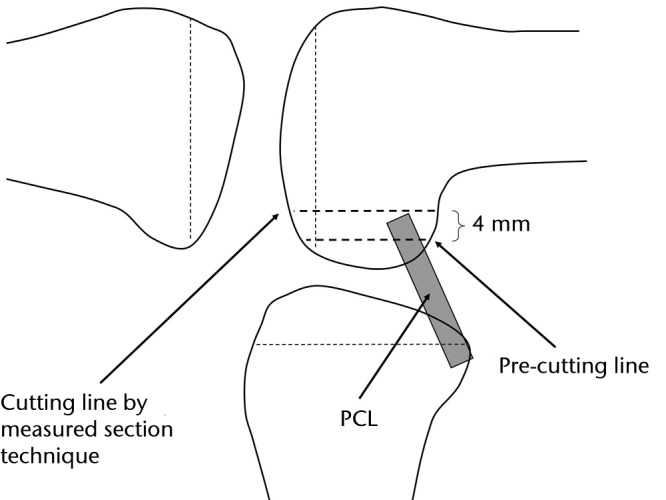
Because posterior cruciate ligament (PCL) resection makes flexion gaps wider in total knee replacement (TKR), preserving or sacrificing a PCL affects the gap equivalence; however, there are no criteria for the PCL resection that consider gap situations of each knee. This study aims to investigate gap characteristics of knees and to consider the criteria for PCL resection.
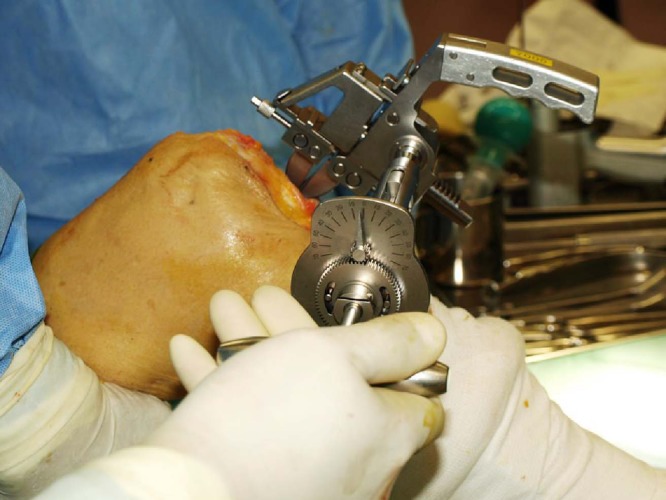
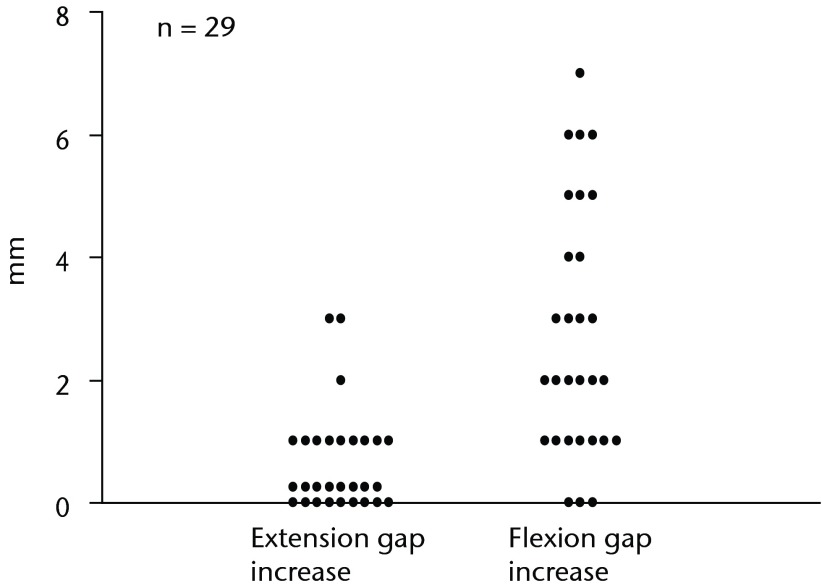
The extension and flexion gaps were measured, first with the PCL preserved and subsequently with the PCL removed (in cases in which posterior substitute components were selected). The PCL preservation or sacrifice was solely determined by the gap measurement results, without considering other functions of the PCL such as 'roll back.'
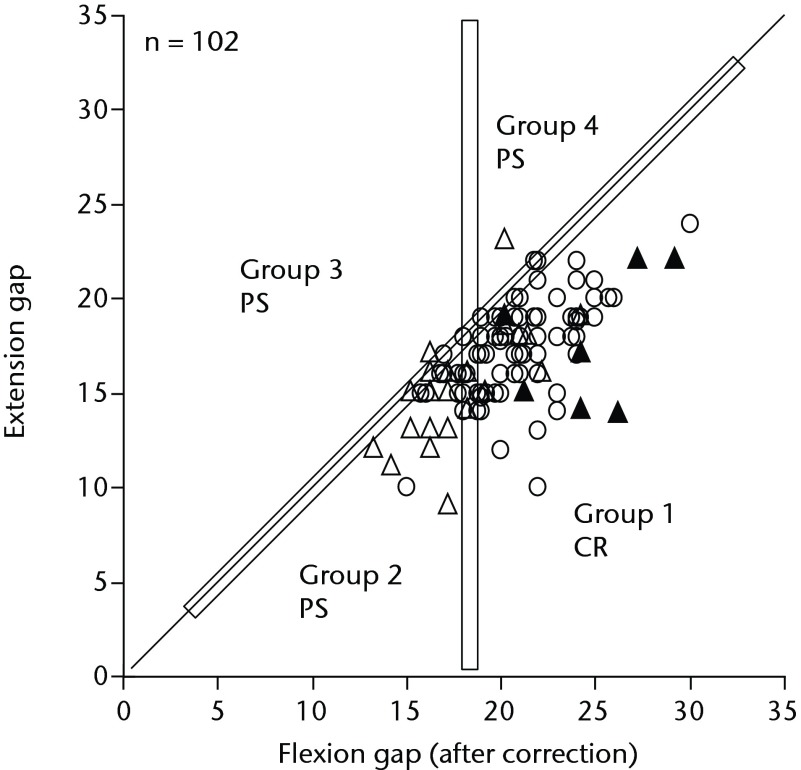
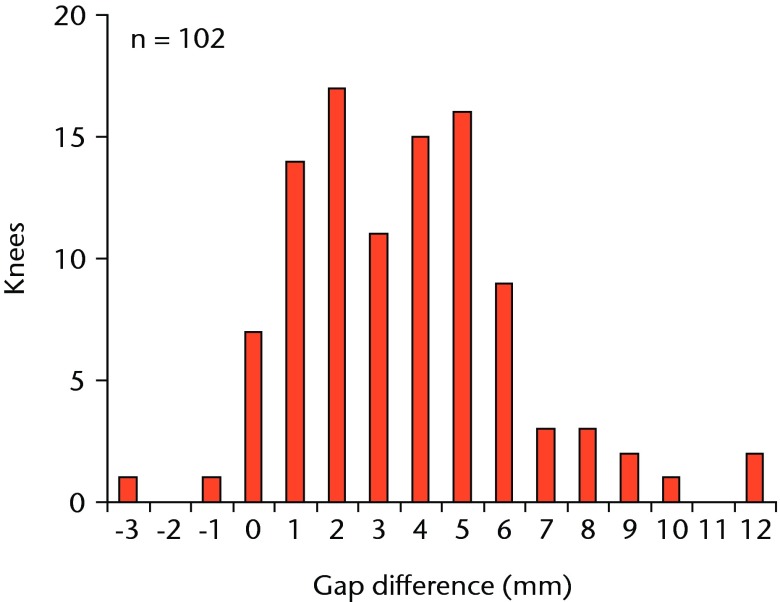
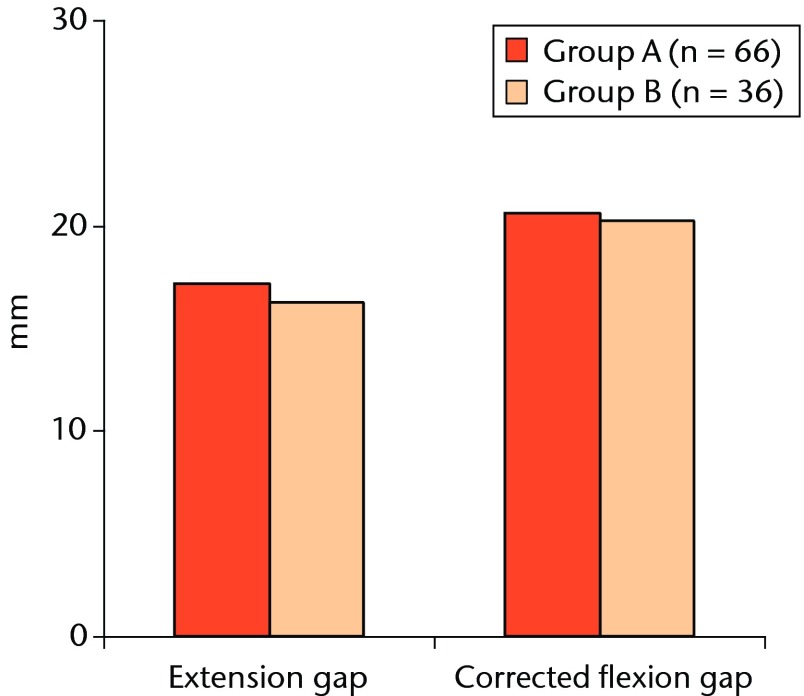
Wide variations were observed in the extension and flexion gaps. The flexion gaps were significantly larger than the extension gaps. Cases with 18 mm or more flexion gap and with larger flexion than extension gap were implanted with cruciate retaining component. A posterior substitute component was implanted with the other cases.
In order to make adequate gaps, it is important to decide whether to preserve the PCL based on the intra-operative gap measurements made with the PCL intact. Cite this article: Bone Joint Res 2014;3:95-100.
由于后交叉韧带(PCL)切除会使全膝关节置换(TKR)的屈曲间隙变宽,保留或牺牲 PCL 会影响间隙的均衡;但是,目前还没有考虑到每个膝关节间隙情况的 PCL 切除标准。本研究旨在探讨膝关节间隙的特点,并考虑 PCL 切除的标准。
先测量保留 PCL 时的伸膝和屈膝间隙,然后测量切除 PCL 时(如果选择了后替代组件)的伸膝和屈膝间隙。PCL 的保留或切除完全取决于间隙测量结果,而不考虑 PCL 的其他功能,如“后移”。
观察到伸膝和屈膝间隙有很大的差异。屈膝间隙明显大于伸膝间隙。对于屈膝间隙为 18mm 或更大,且屈膝间隙大于伸膝间隙的病例,植入了保留交叉韧带的组件。其他病例则植入了后替代组件。
为了获得足够的间隙,根据保留 PCL 时的术中间隙测量结果来决定是否保留 PCL 非常重要。