Kawada Koichi, Iekumo Takaaki, Saito Ryo, Kaneko Masayuki, Mimori Seisuke, Nomura Yasuyuki, Okuma Yasunobu
Department of Pharmacology, Chiba Institute of Science, Chiba, Japan.
J Neurosci Res. 2014 Sep;92(9):1122-33. doi: 10.1002/jnr.23389. Epub 2014 Apr 10.
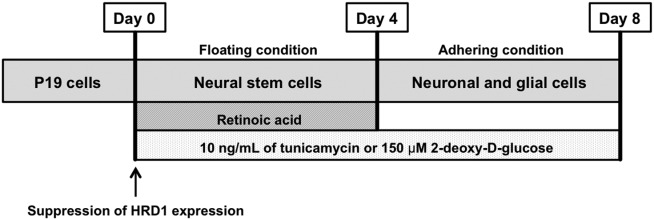
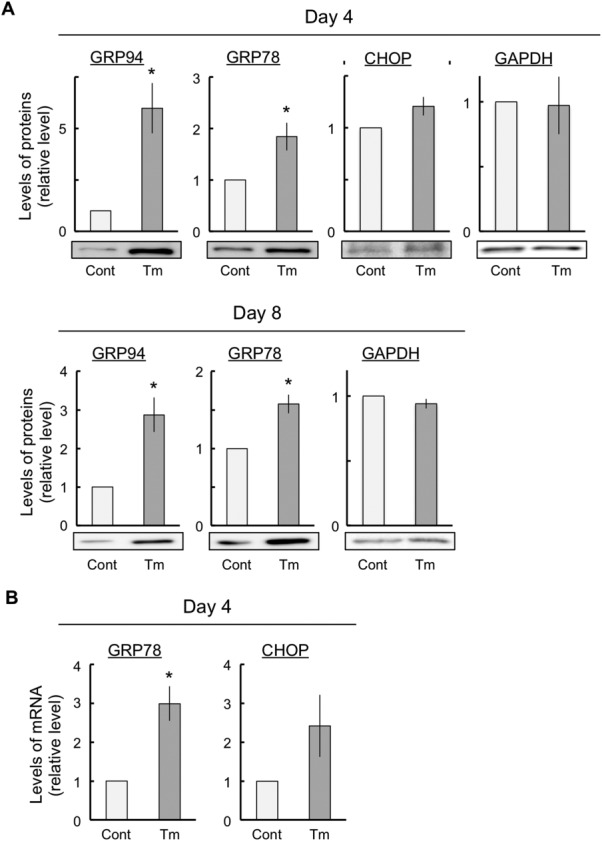
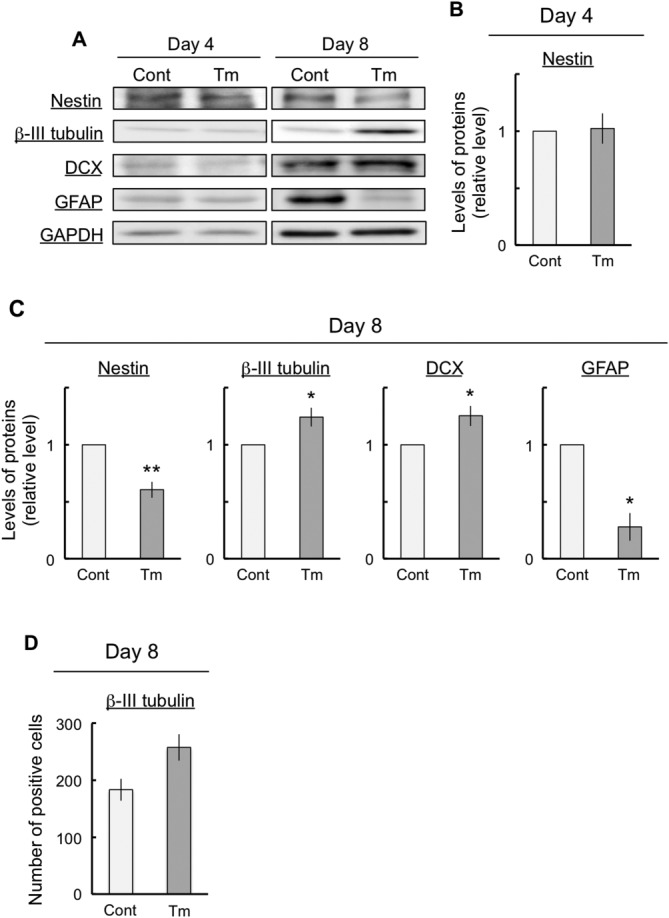
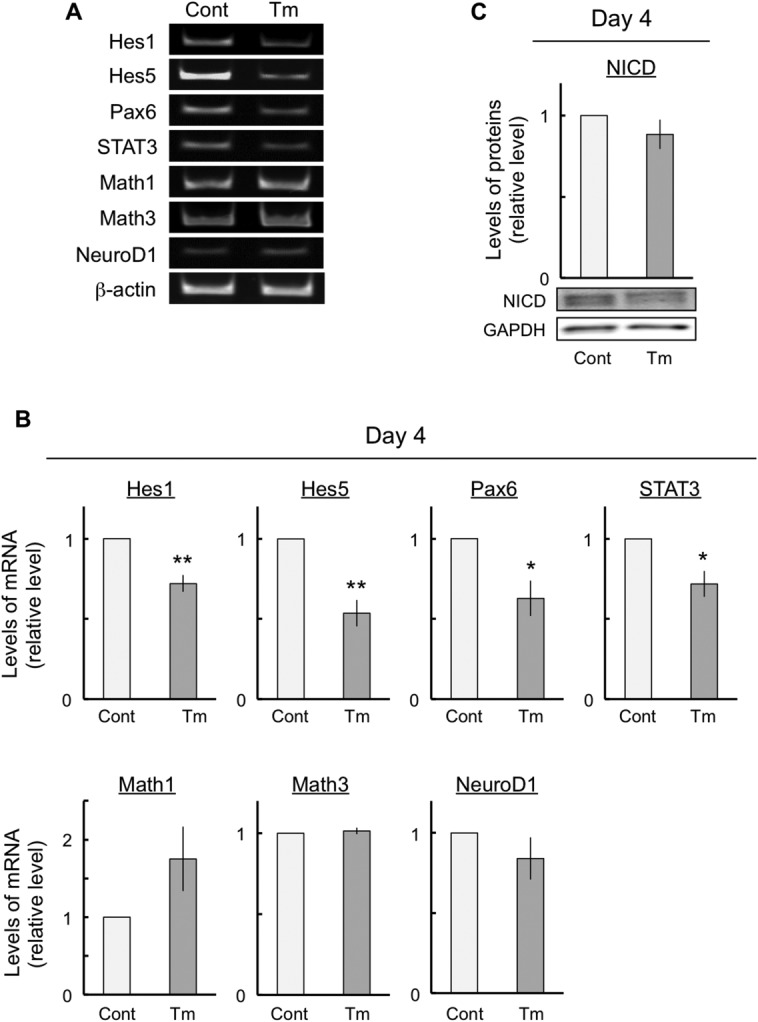
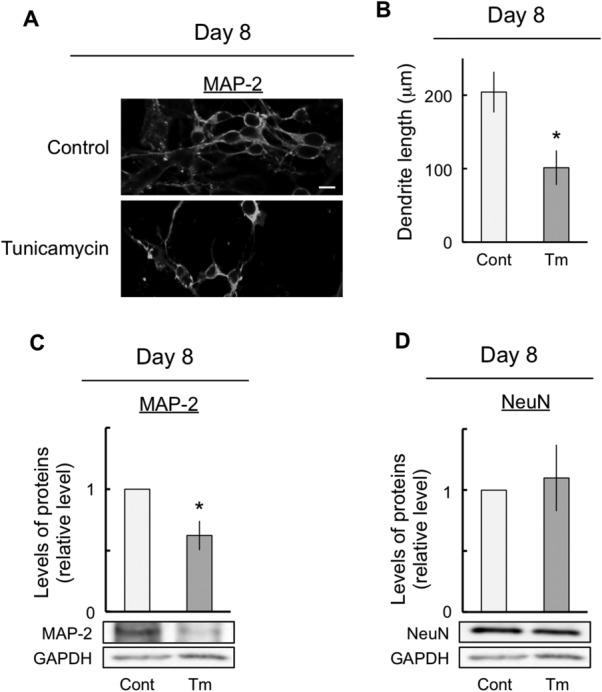
Neural stem cells (NSCs) play an essential role in development of the central nervous system. Endoplasmic reticulum (ER) stress induces neuronal death. After neuronal death, neurogenesis is generally enhanced to repair the damaged regions. However, it is unclear whether ER stress directly affects neurogenesis-related processes such as neuronal differentiation and dendrite outgrowth. We evaluated whether neuronal differentiation and dendrite outgrowth were regulated by HRD1, a ubiquitin ligase that was induced under mild conditions of tunicamycin-induced ER stress. Neurons were differentiated from mouse embryonic carcinoma P19 cells by using retinoic acid. The differentiated cells were cultured for 8 days with or without tunicamycin and HRD1 knockdown. The ER stressor led to markedly increased levels of ER stress. ER stress increased the expression levels of neuronal marker βIII-tubulin in 8-day-differentiated cells. However, the neurites of dendrite marker microtubule-associated protein-2 (MAP-2)-positive cells appeared to retract in response to ER stress. Moreover, ER stress markedly reduced the dendrite length and MAP-2 expression levels, whereas it did not affect the number of surviving mature neurons. In contrast, HRD1 knockdown abolished the changes in expression of proteins such as βIII-tubulin and MAP-2. These results suggested that ER stress caused aberrant neuronal differentiation from NSCs followed by the inhibition of neurite outgrowth. These events may be mediated by increased HRD1 expression.
神经干细胞(NSCs)在中枢神经系统的发育中起着至关重要的作用。内质网(ER)应激会诱导神经元死亡。神经元死亡后,神经发生通常会增强以修复受损区域。然而,尚不清楚ER应激是否直接影响与神经发生相关的过程,如神经元分化和树突生长。我们评估了神经元分化和树突生长是否受HRD1调控,HRD1是一种泛素连接酶,在衣霉素诱导的轻度ER应激条件下被诱导。通过使用视黄酸从小鼠胚胎癌P19细胞分化出神经元。将分化后的细胞在有或没有衣霉素和HRD1敲低的情况下培养8天。ER应激源导致ER应激水平显著升高。ER应激增加了8天分化细胞中神经元标志物βIII-微管蛋白的表达水平。然而,树突标志物微管相关蛋白-2(MAP-2)阳性细胞的神经突似乎因ER应激而回缩。此外,ER应激显著缩短了树突长度并降低了MAP-2表达水平,而它不影响存活的成熟神经元数量。相反,HRD1敲低消除了βIII-微管蛋白和MAP-2等蛋白质表达的变化。这些结果表明,ER应激导致神经干细胞异常神经元分化,随后抑制神经突生长。这些事件可能由HRD1表达增加介导。