Shi Lei, Ji Boyang, Kolar-Znika Lorena, Boskovic Ana, Jadeau Fanny, Combet Christophe, Grangeasse Christophe, Franjevic Damjan, Talla Emmanuel, Mijakovic Ivan
INRA-AgroParisTech UMR 1319, Micalis-CBAI, Thiverval-Grignon, France.
Genome Biol Evol. 2014 Apr;6(4):800-17. doi: 10.1093/gbe/evu056.
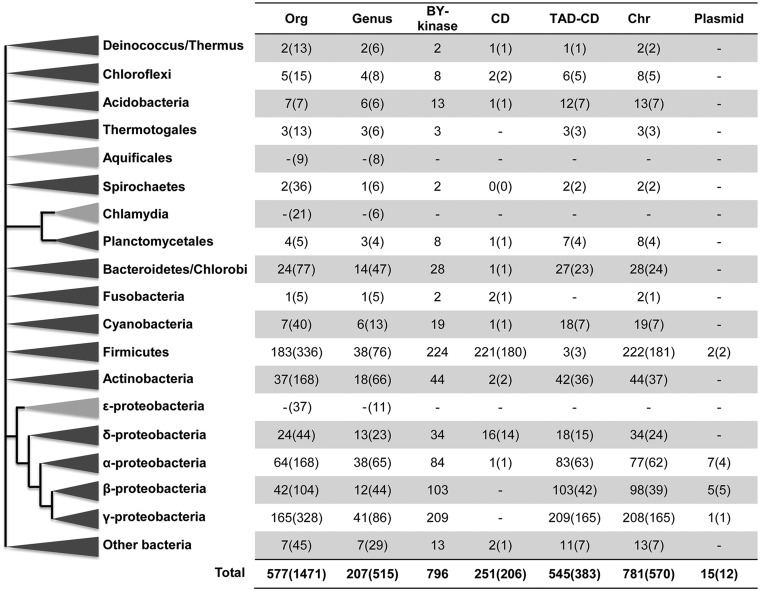
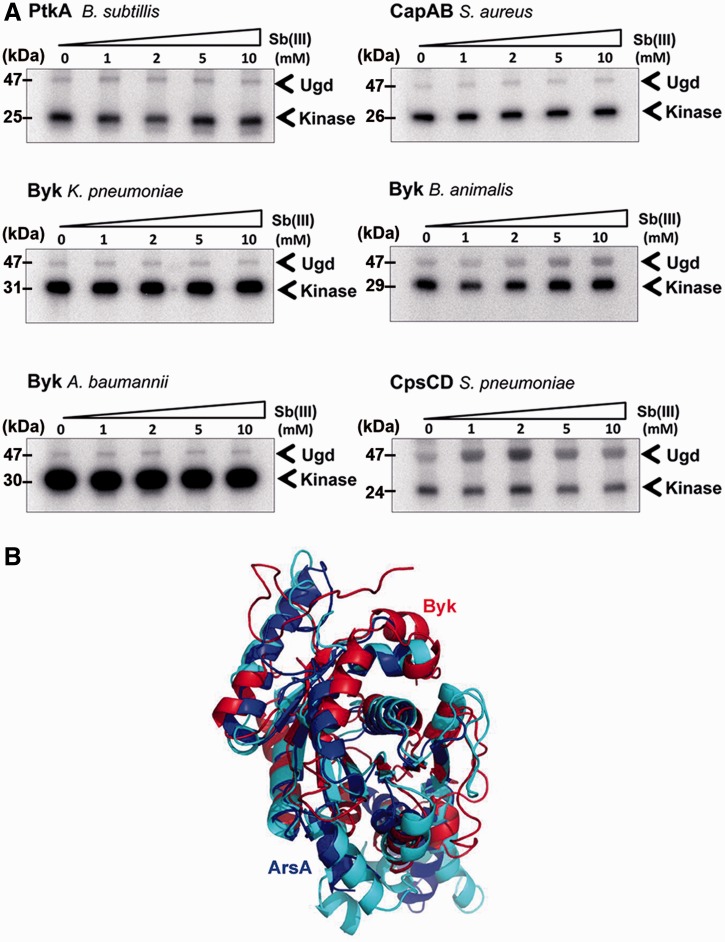
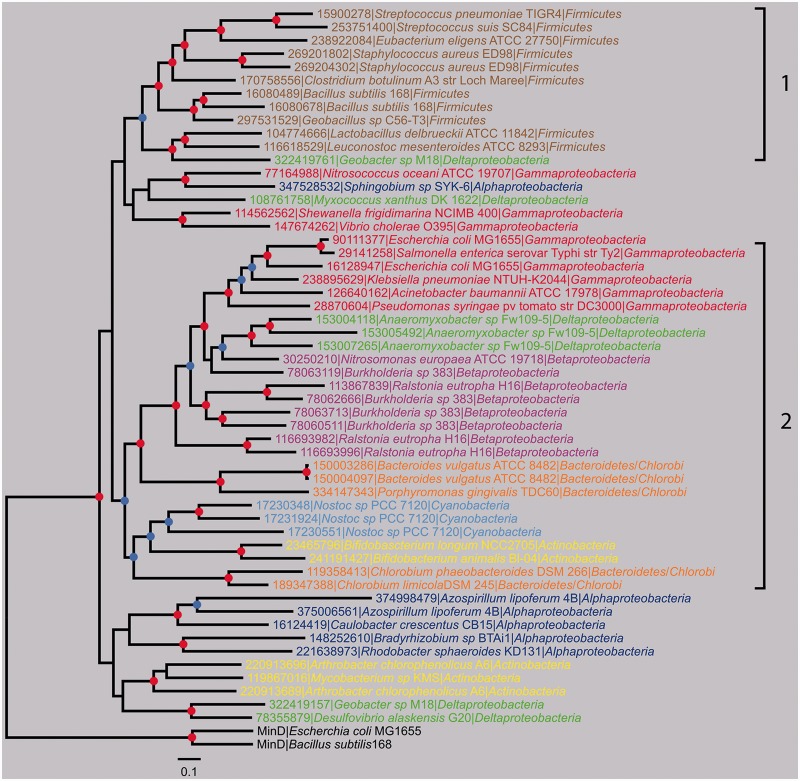
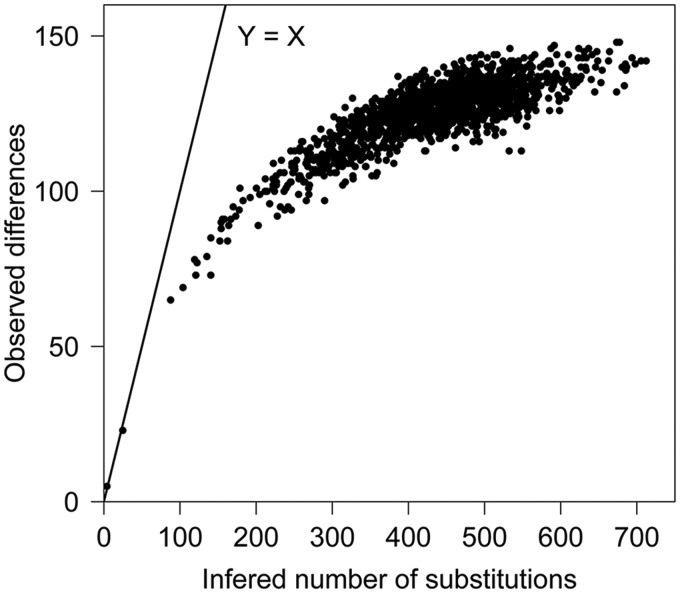
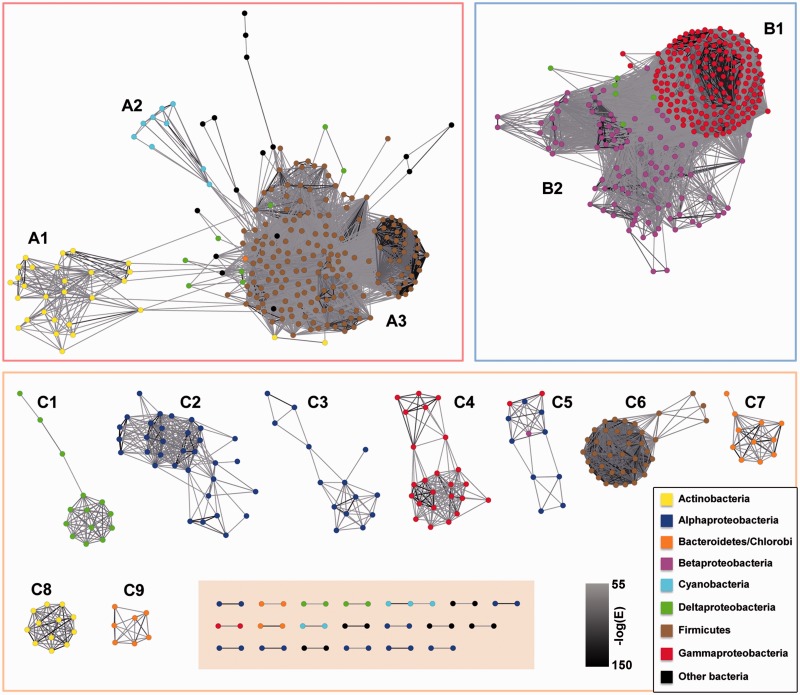
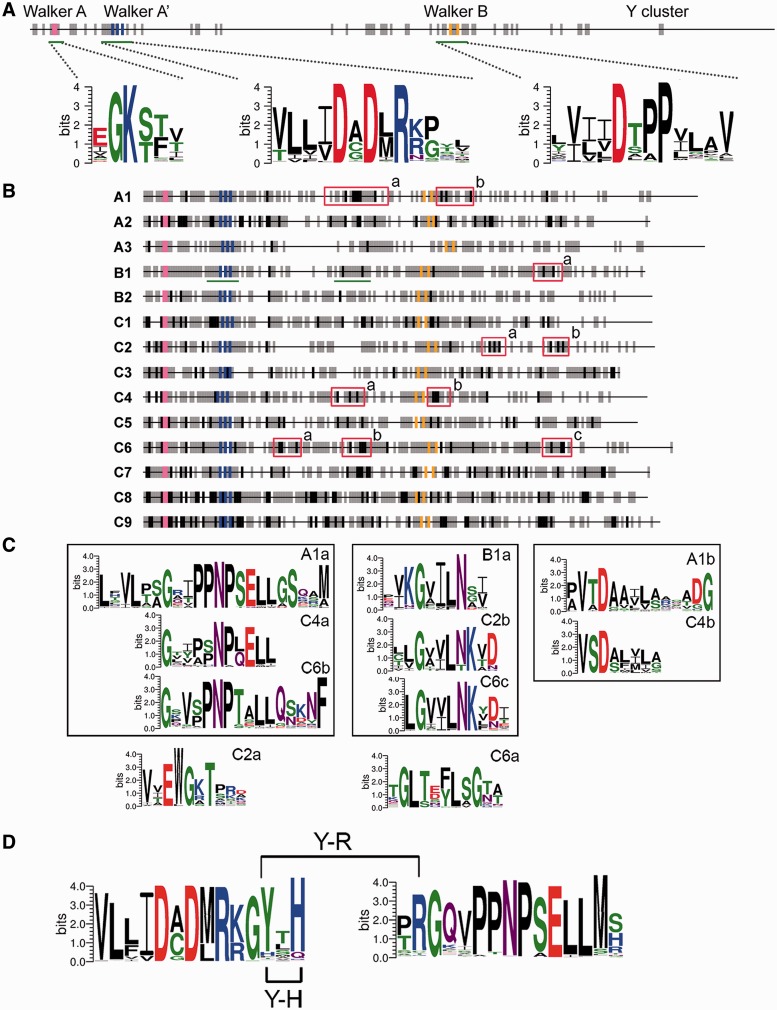
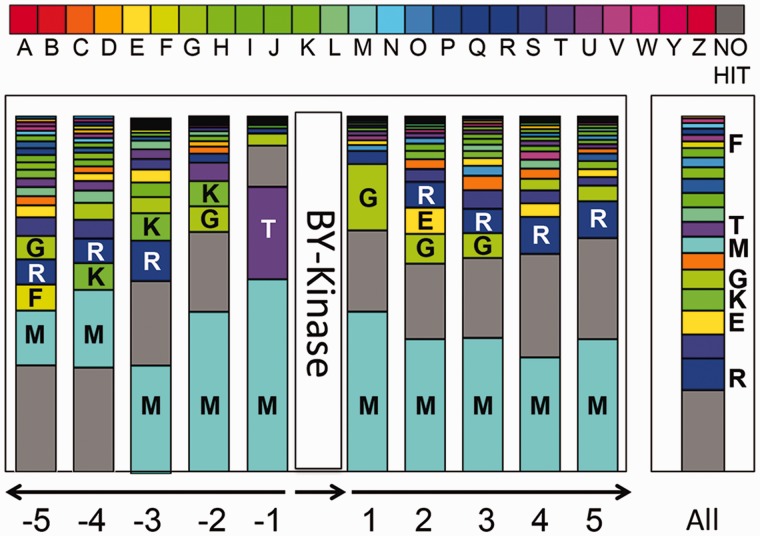
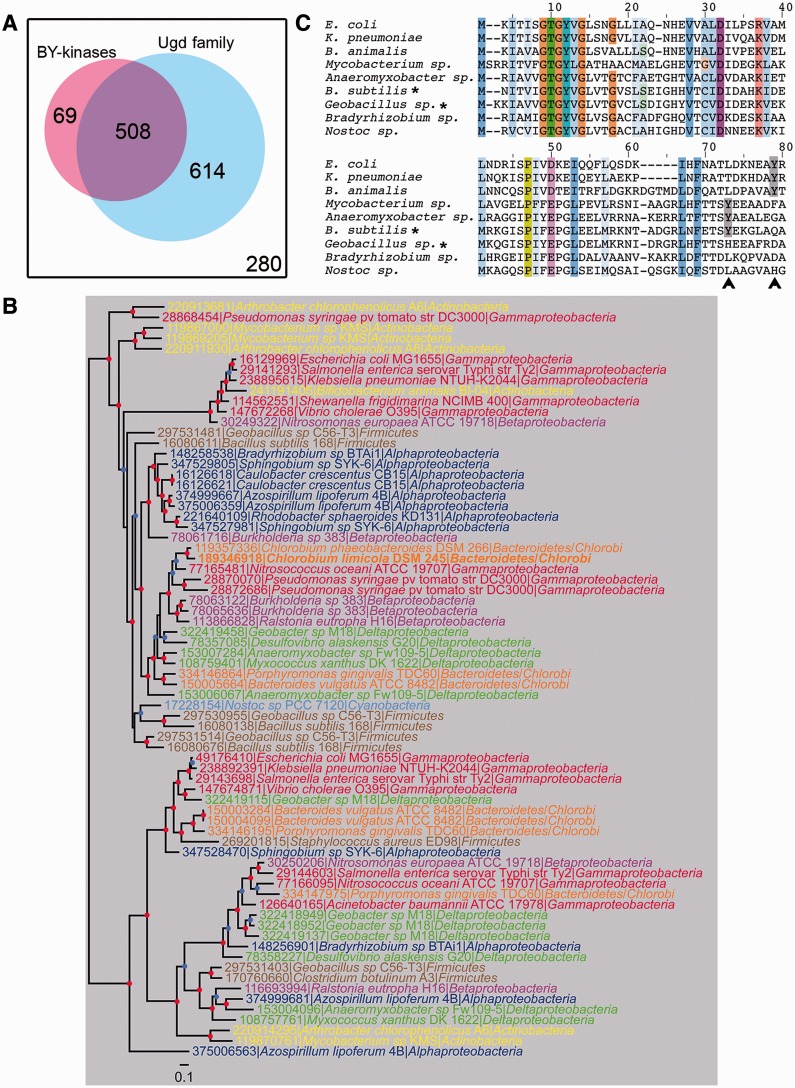
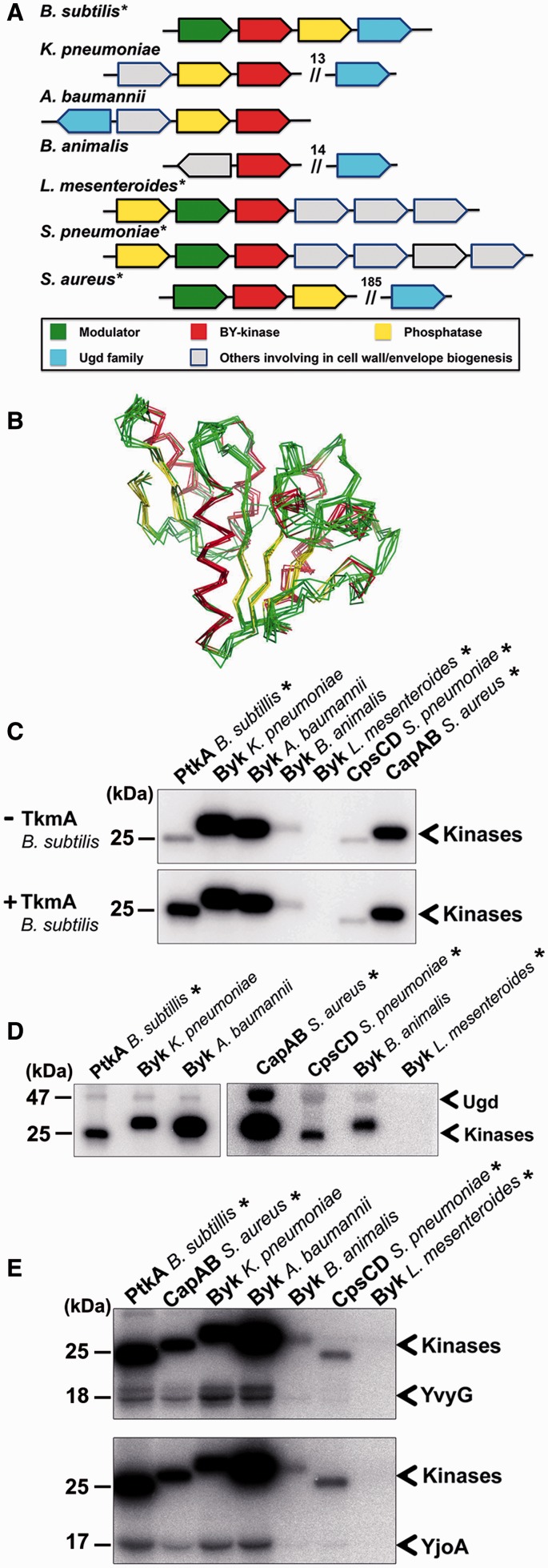
It has often been speculated that bacterial protein-tyrosine kinases (BY-kinases) evolve rapidly and maintain relaxed substrate specificity to quickly adopt new substrates when evolutionary pressure in that direction arises. Here, we report a phylogenomic and biochemical analysis of BY-kinases, and their relationship to substrates aimed to validate this hypothesis. Our results suggest that BY-kinases are ubiquitously distributed in bacterial phyla and underwent a complex evolutionary history, affected considerably by gene duplications and horizontal gene transfer events. This is consistent with the fact that the BY-kinase sequences represent a high level of substitution saturation and have a higher evolutionary rate compared with other bacterial genes. On the basis of similarity networks, we could classify BY kinases into three main groups with 14 subgroups. Extensive sequence conservation was observed only around the three canonical Walker motifs, whereas unique signatures proposed the functional speciation and diversification within some subgroups. The relationship between BY-kinases and their substrates was analyzed using a ubiquitous substrate (Ugd) and some Firmicute-specific substrates (YvyG and YjoA) from Bacillus subtilis. No evidence of coevolution between kinases and substrates at the sequence level was found. Seven BY-kinases, including well-characterized and previously uncharacterized ones, were used for experimental studies. Most of the tested kinases were able to phosphorylate substrates from B. subtilis (Ugd, YvyG, and YjoA), despite originating from very distant bacteria. Our results are consistent with the hypothesis that BY-kinases have evolved relaxed substrate specificity and are probably maintained as rapidly evolving platforms for adopting new substrates.
人们常常推测,细菌蛋白酪氨酸激酶(BY激酶)进化迅速,并且保持宽松的底物特异性,以便在出现朝该方向的进化压力时迅速采用新底物。在此,我们报告了对BY激酶的系统基因组学和生化分析,以及它们与底物的关系,旨在验证这一假设。我们的结果表明,BY激酶广泛分布于细菌门类中,经历了复杂的进化历史,受到基因复制和水平基因转移事件的显著影响。这与以下事实一致:BY激酶序列表现出高水平的替代饱和度,并且与其他细菌基因相比具有更高的进化速率。基于相似性网络,我们可以将BY激酶分为三个主要组和14个亚组。仅在三个典型的沃克基序周围观察到广泛的序列保守性,而独特的特征表明了一些亚组内的功能特化和多样化。使用来自枯草芽孢杆菌的一种普遍存在的底物(Ugd)和一些厚壁菌门特异性底物(YvyG和YjoA)分析了BY激酶与其底物之间的关系。在序列水平上未发现激酶与底物之间协同进化的证据。七个BY激酶,包括已充分表征的和以前未表征的,用于实验研究。尽管大多数测试的激酶起源于非常遥远的细菌,但它们大多能够磷酸化枯草芽孢杆菌的底物(Ugd、YvyG和YjoA)。我们的结果与以下假设一致:BY激酶已经进化出宽松的底物特异性,并且可能作为采用新底物的快速进化平台而得以保留。