Zerulla Karolin, Chimileski Scott, Näther Daniela, Gophna Uri, Papke R Thane, Soppa Jörg
Institute for Molecular Biosciences, Biocentre, Goethe-University, Frankfurt, Germany.
Department of Molecular and Cell Biology, University of Connecticut, Storrs, Connecticut, United States of America.
PLoS One. 2014 Apr 14;9(4):e94819. doi: 10.1371/journal.pone.0094819. eCollection 2014.
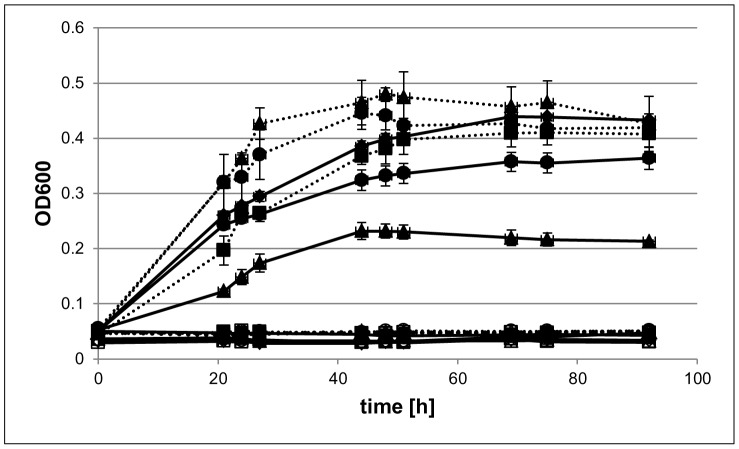
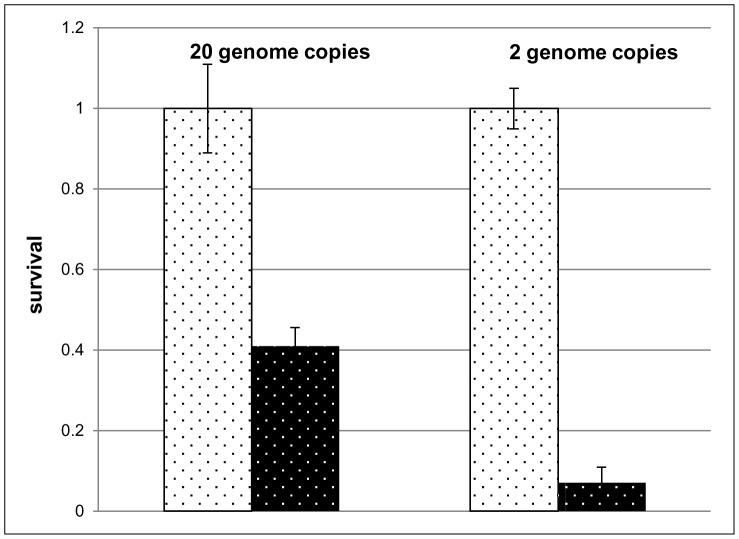
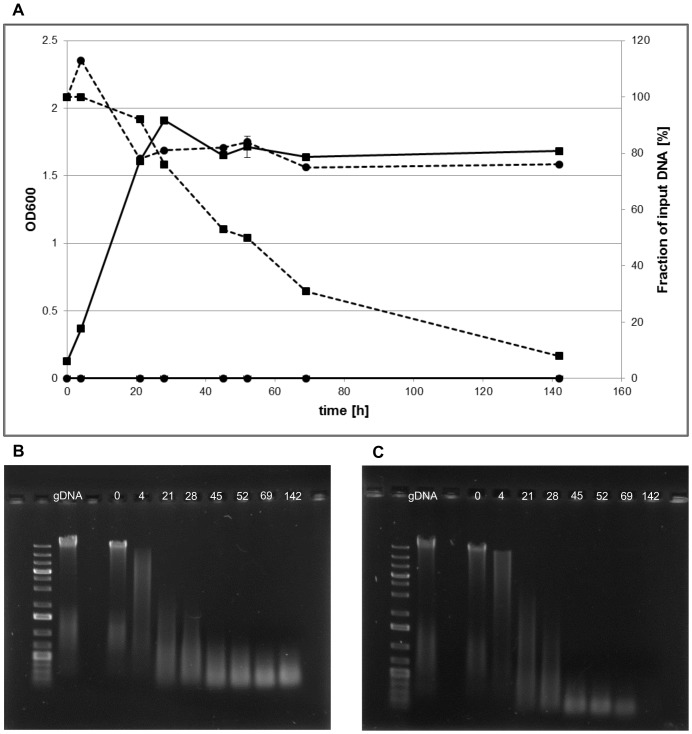
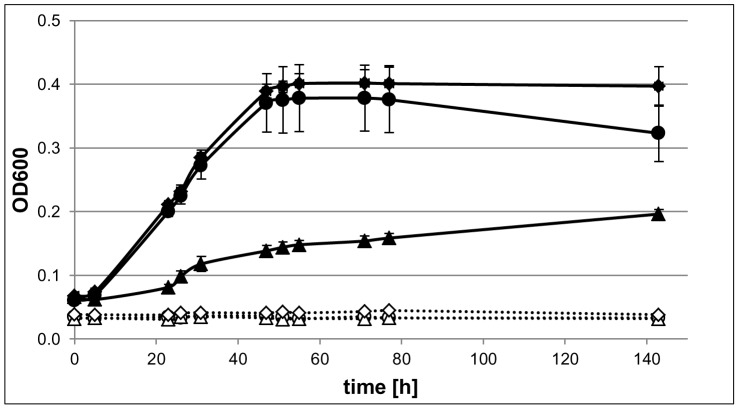
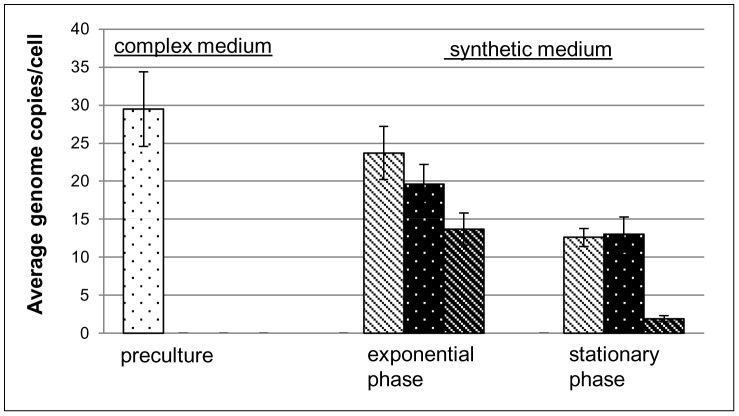
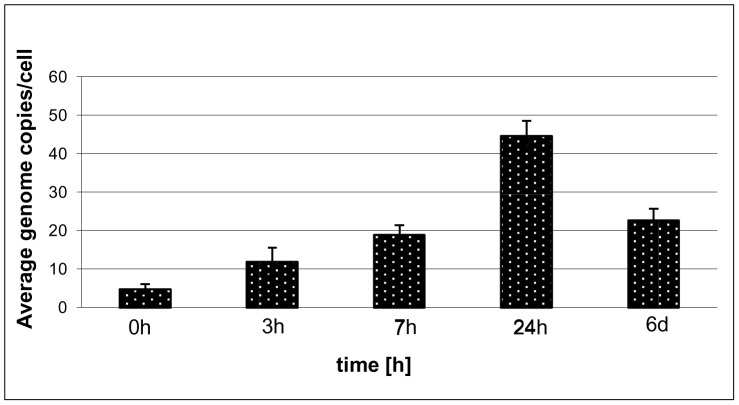
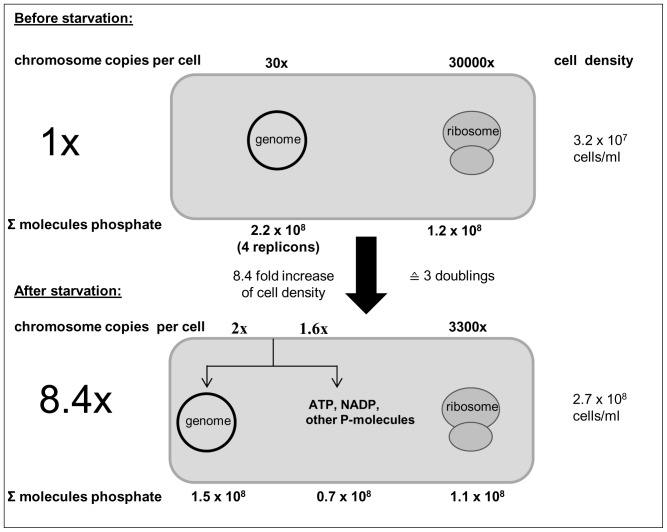
Haloferax volcanii uses extracellular DNA as a source for carbon, nitrogen, and phosphorous. However, it can also grow to a limited extend in the absence of added phosphorous, indicating that it contains an intracellular phosphate storage molecule. As Hfx. volcanii is polyploid, it was investigated whether DNA might be used as storage polymer, in addition to its role as genetic material. It could be verified that during phosphate starvation cells multiply by distributing as well as by degrading their chromosomes. In contrast, the number of ribosomes stayed constant, revealing that ribosomes are distributed to descendant cells, but not degraded. These results suggest that the phosphate of phosphate-containing biomolecules (other than DNA and RNA) originates from that stored in DNA, not in rRNA. Adding phosphate to chromosome depleted cells rapidly restores polyploidy. Quantification of desiccation survival of cells with different ploidy levels showed that under phosphate starvation Hfx. volcanii diminishes genetic advantages of polyploidy in favor of cell multiplication. The consequences of the usage of genomic DNA as phosphate storage polymer are discussed as well as the hypothesis that DNA might have initially evolved in evolution as a storage polymer, and the various genetic benefits evolved later.
嗜盐栖热放线菌利用细胞外DNA作为碳、氮和磷的来源。然而,在不添加磷的情况下,它也能有限地生长,这表明它含有一种细胞内磷酸盐储存分子。由于嗜盐栖热放线菌是多倍体,因此研究了除了作为遗传物质的作用外,DNA是否还可以用作储存聚合物。可以证实,在磷酸盐饥饿期间,细胞通过分配和降解其染色体进行增殖。相反,核糖体的数量保持不变,这表明核糖体被分配到后代细胞中,但不会被降解。这些结果表明,含磷生物分子(DNA和RNA除外)中的磷酸盐来自储存在DNA中的磷酸盐,而不是rRNA中的磷酸盐。向染色体耗尽的细胞中添加磷酸盐可迅速恢复多倍体状态。对不同倍性水平细胞的干燥存活率进行定量分析表明,在磷酸盐饥饿条件下,嗜盐栖热放线菌会削弱多倍体的遗传优势,以利于细胞增殖。本文讨论了将基因组DNA用作磷酸盐储存聚合物的后果,以及DNA最初可能在进化中作为储存聚合物进化,各种遗传优势后来才出现的假说。