The Kimmel Center for Biology and Medicine of the Skirball Institute, New York University School of Medicine, New York, New York 10016, USA.
1] Department of Microbiology, Center for Immunology, University of Minnesota Medical School, Minneapolis, Minnesota 55455, USA [2] Mucosal Immunology Section, Laboratory of Parasitic Diseases, National Institute of Allergy and Infectious Diseases, National Institutes of Health, Bethesda, Maryland 20892-0485, USA.
Nature. 2014 Jun 5;510(7503):152-6. doi: 10.1038/nature13279. Epub 2014 Apr 13.
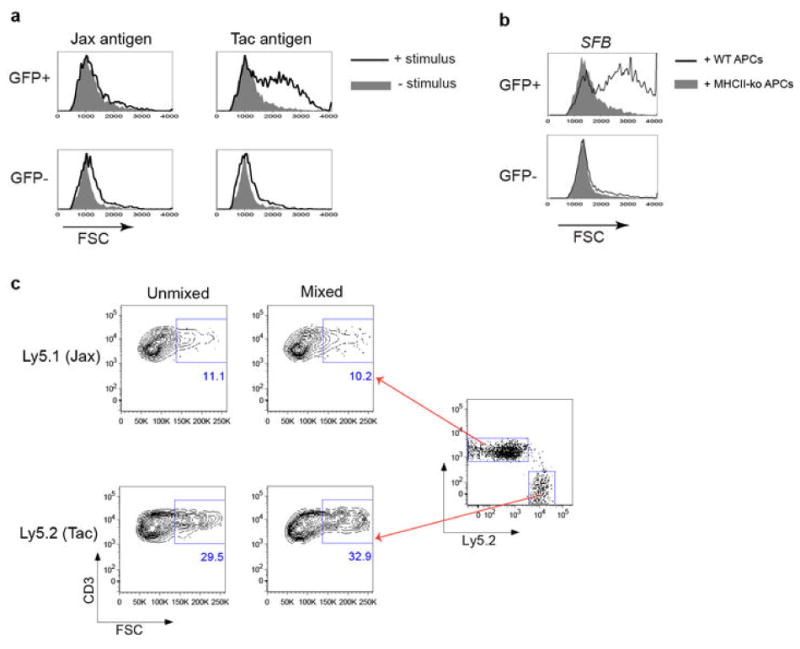
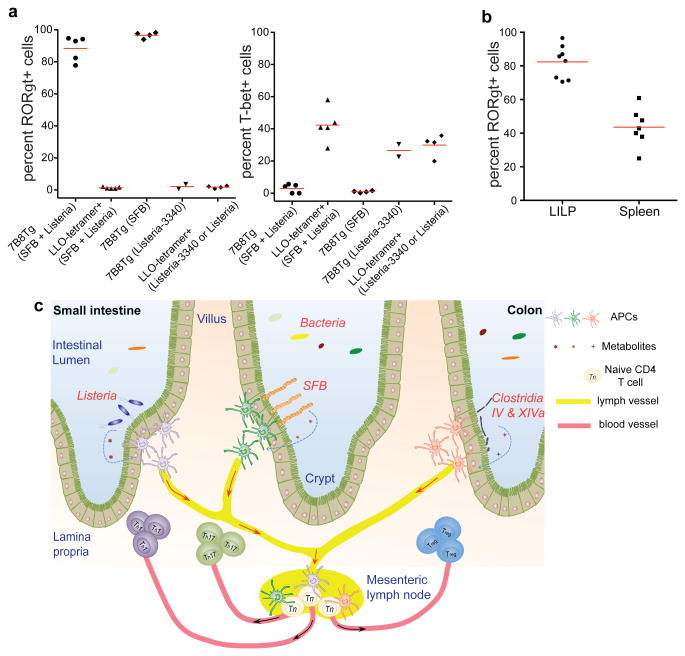
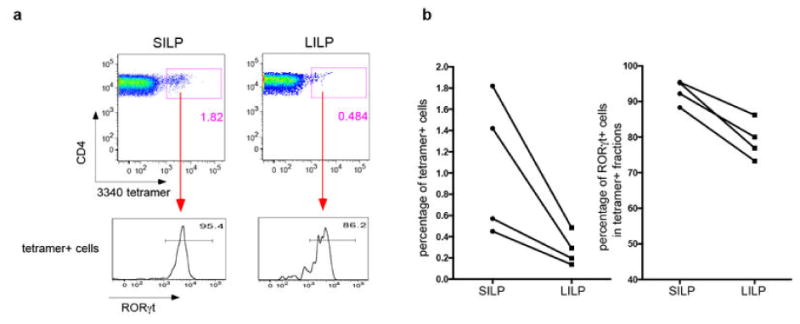
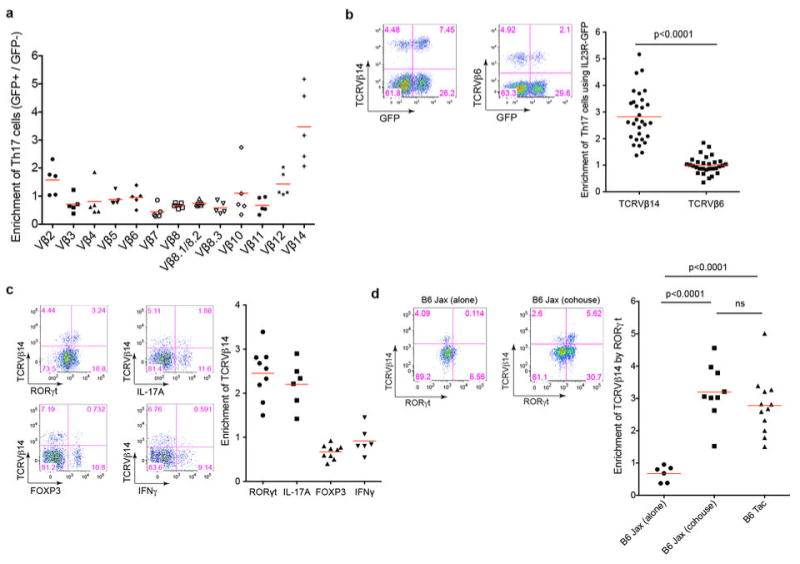
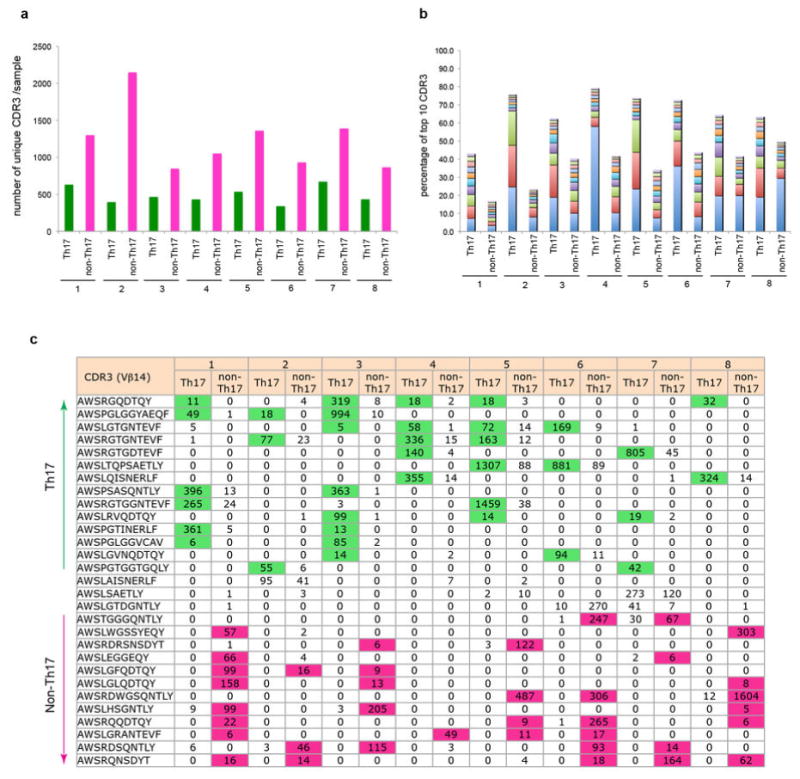
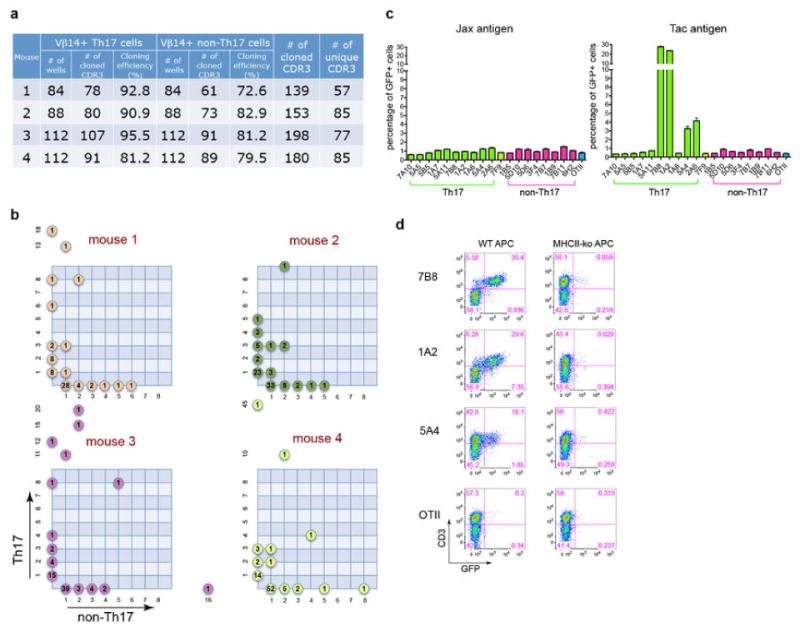
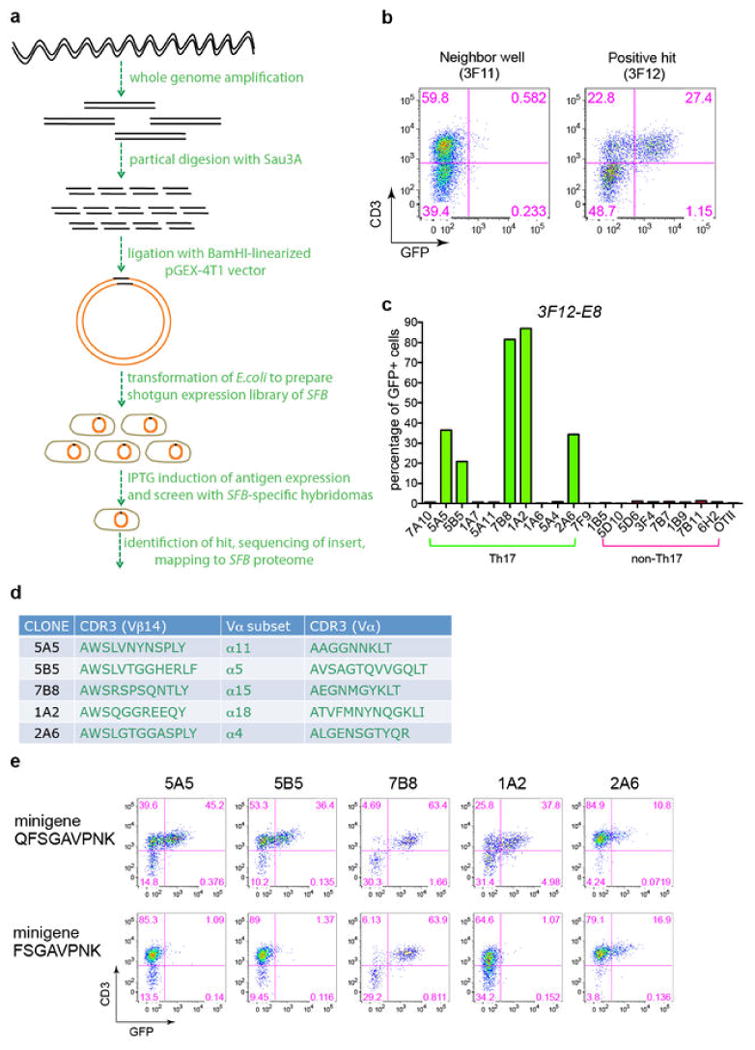
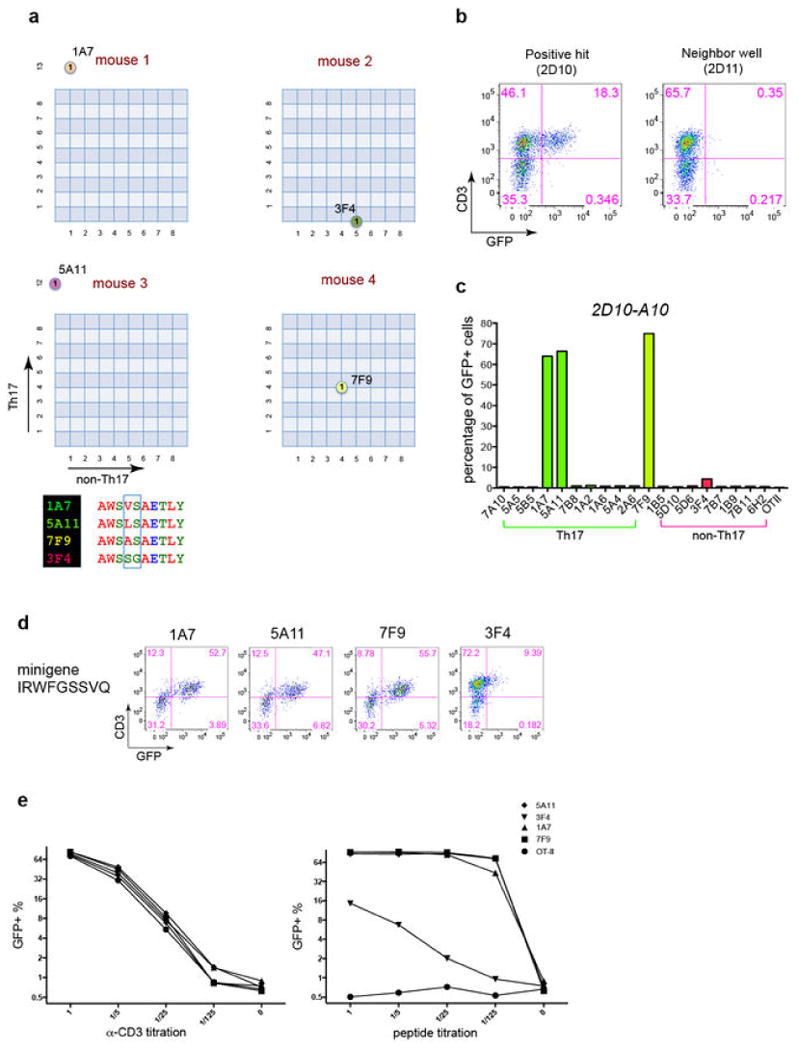
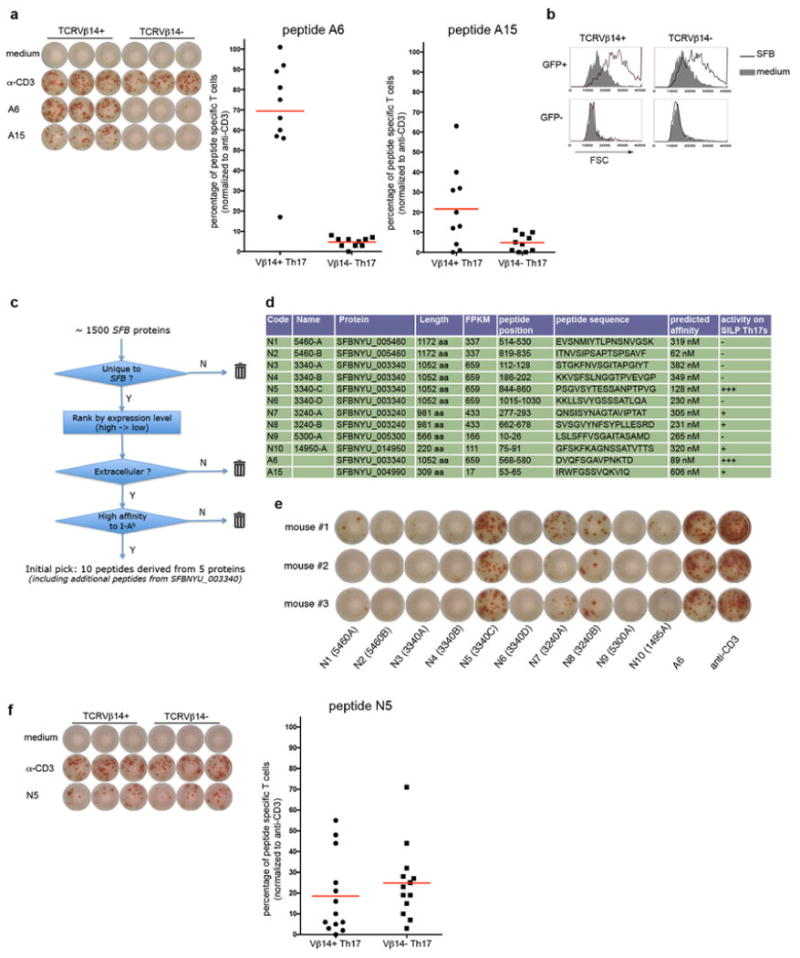
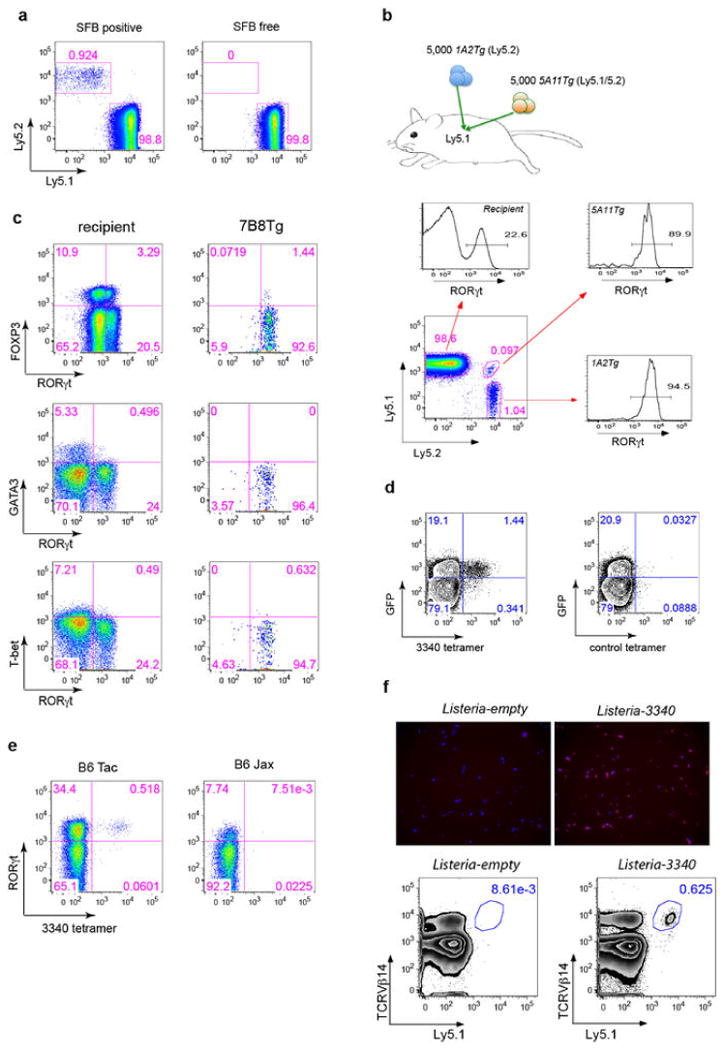
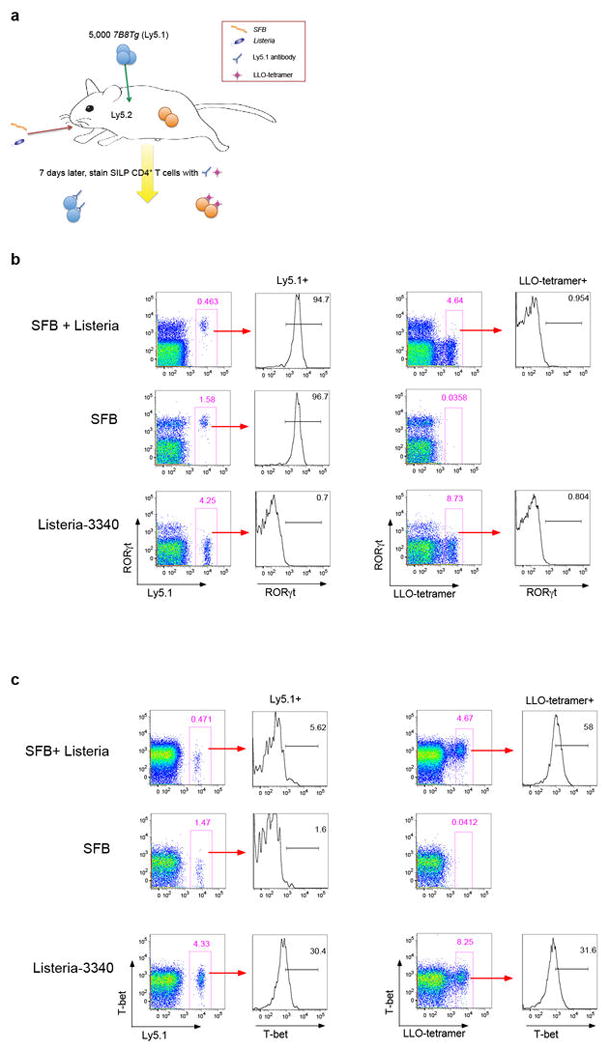
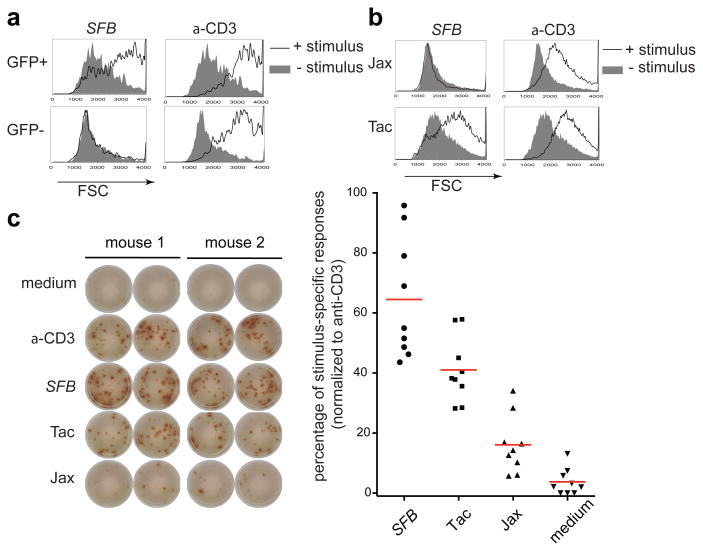
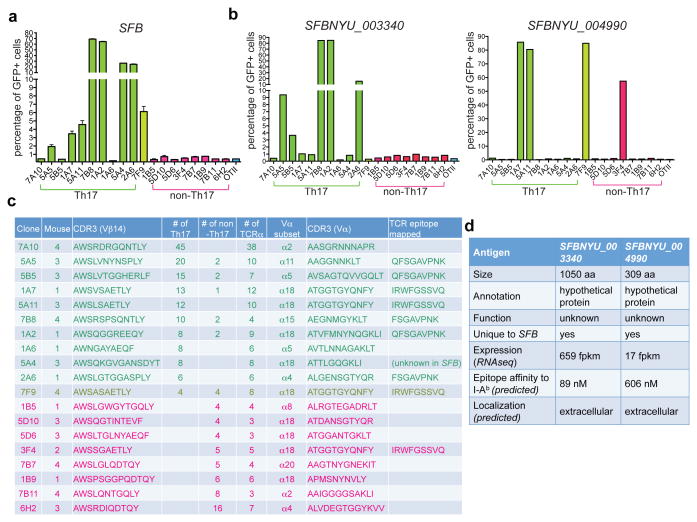
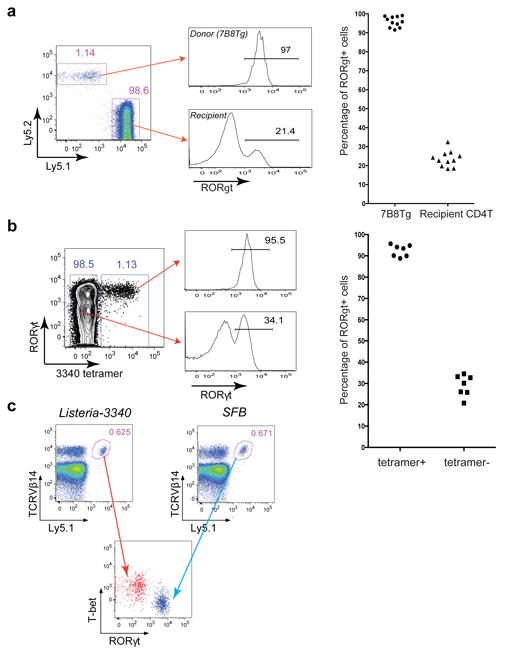
T-helper-17 (TH17) cells have critical roles in mucosal defence and in autoimmune disease pathogenesis. They are most abundant in the small intestine lamina propria, where their presence requires colonization of mice with microbiota. Segmented filamentous bacteria (SFB) are sufficient to induce TH17 cells and to promote TH17-dependent autoimmune disease in animal models. However, the specificity of TH17 cells, the mechanism of their induction by distinct bacteria, and the means by which they foster tissue-specific inflammation remain unknown. Here we show that the T-cell antigen receptor (TCR) repertoire of intestinal TH17 cells in SFB-colonized mice has minimal overlap with that of other intestinal CD4(+) T cells and that most TH17 cells, but not other T cells, recognize antigens encoded by SFB. T cells with antigen receptors specific for SFB-encoded peptides differentiated into RORγt-expressing TH17 cells, even if SFB-colonized mice also harboured a strong TH1 cell inducer, Listeria monocytogenes, in their intestine. The match of T-cell effector function with antigen specificity is thus determined by the type of bacteria that produce the antigen. These findings have significant implications for understanding how commensal microbiota contribute to organ-specific autoimmunity and for developing novel mucosal vaccines.
辅助性 T 细胞 17(TH17)细胞在黏膜防御和自身免疫性疾病发病机制中具有关键作用。它们在小肠固有层中最为丰富,其存在需要小鼠定植微生物群。分段丝状菌(SFB)足以诱导 TH17 细胞,并在动物模型中促进 TH17 依赖性自身免疫性疾病。然而,TH17 细胞的特异性、不同细菌诱导其的机制以及它们促进组织特异性炎症的方式仍不清楚。在这里,我们表明,定植 SFB 的小鼠的肠道 TH17 细胞的 T 细胞抗原受体(TCR)库与其他肠道 CD4(+) T 细胞的 TCR 库几乎没有重叠,并且大多数 TH17 细胞但不是其他 T 细胞识别 SFB 编码的抗原。针对 SFB 编码肽的抗原受体特异性的 T 细胞分化为表达 RORγt 的 TH17 细胞,即使 SFB 定植的小鼠的肠道中也存在强烈的 TH1 细胞诱导剂李斯特菌。因此,T 细胞效应功能与抗原特异性的匹配是由产生抗原的细菌类型决定的。这些发现对理解共生微生物如何促进器官特异性自身免疫以及开发新型黏膜疫苗具有重要意义。