Lake Robert J, Boetefuer Erica L, Tsai Pei-Fang, Jeong Jieun, Choi Inchan, Won Kyoung-Jae, Fan Hua-Ying
Epigenetics Program, Perelman School of Medicine, University of Pennsylvania, Philadelphia, Pennsylvania, United States of America; Department of Biochemistry and Biophysics, Perelman School of Medicine, University of Pennsylvania, Philadelphia, Pennsylvania, United States of America.
Epigenetics Program, Perelman School of Medicine, University of Pennsylvania, Philadelphia, Pennsylvania, United States of America; Department of Biochemistry and Biophysics, Perelman School of Medicine, University of Pennsylvania, Philadelphia, Pennsylvania, United States of America; Biology Graduate Program, Graduate School of Arts and Sciences, University of Pennsylvania, Philadelphia, Pennsylvania, United States of America.
PLoS Genet. 2014 Apr 17;10(4):e1004284. doi: 10.1371/journal.pgen.1004284. eCollection 2014 Apr.
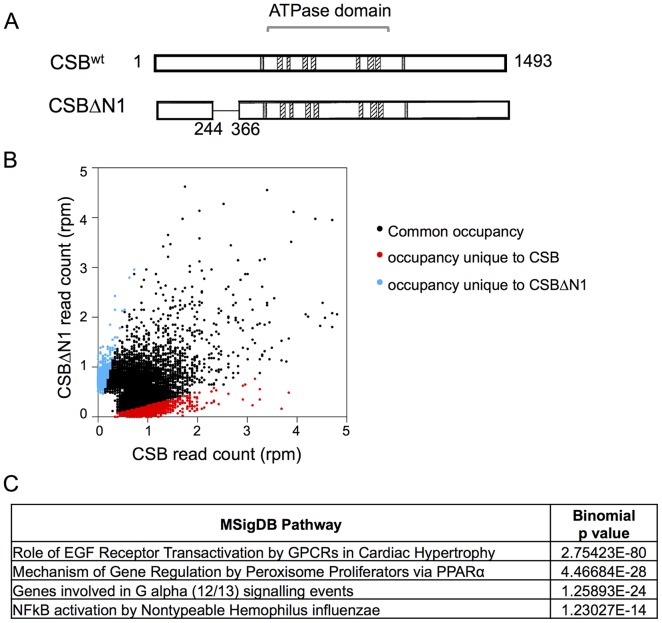
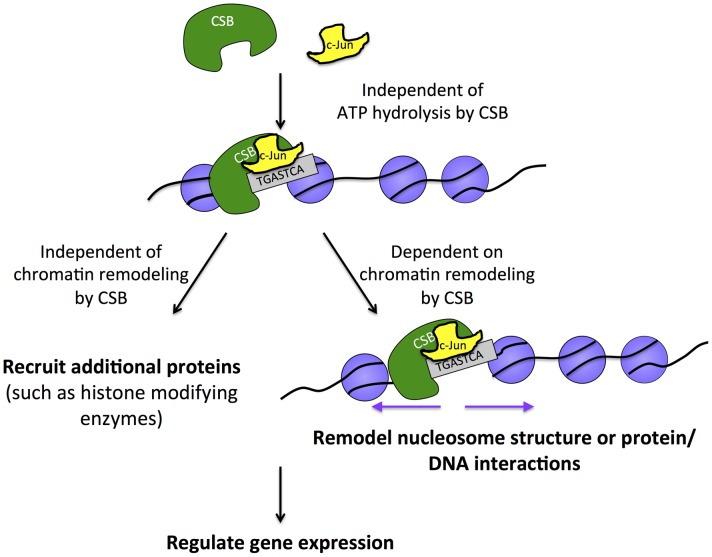
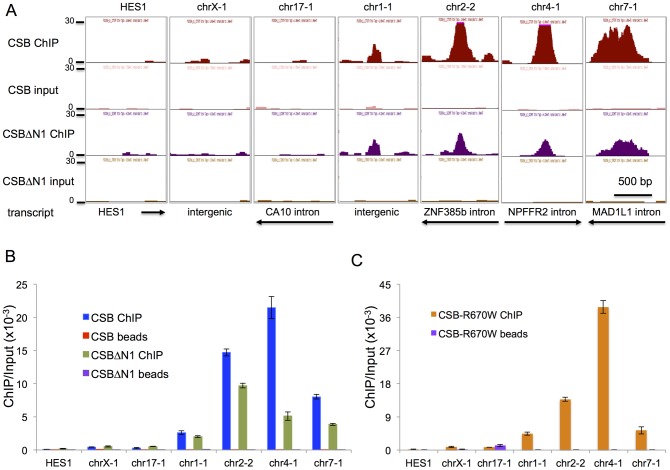
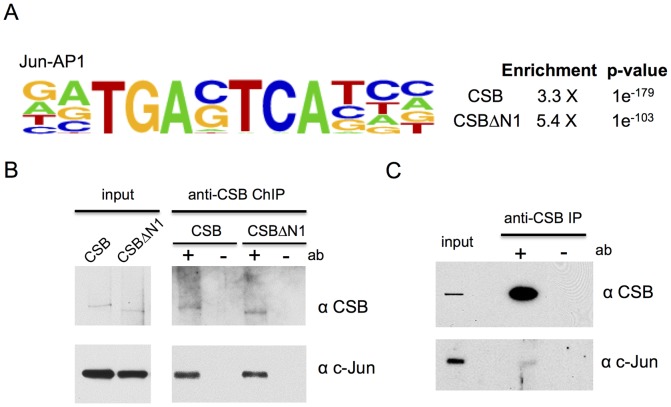
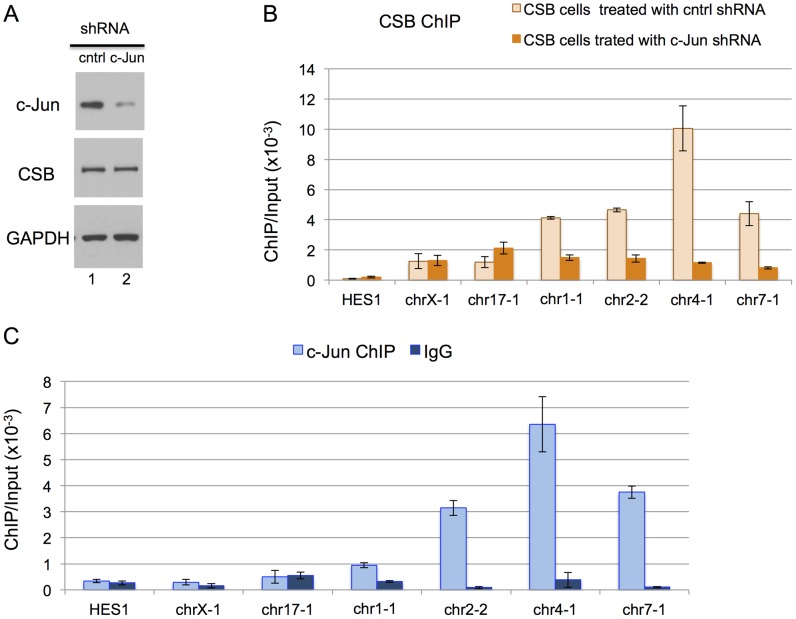
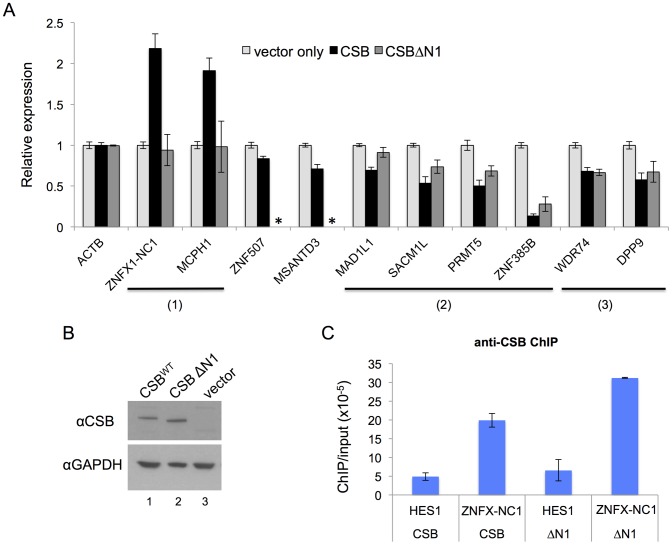
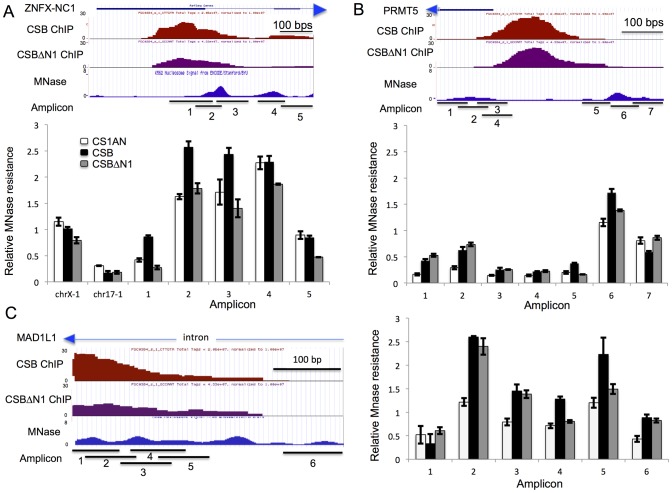
Cockayne syndrome is an inherited premature aging disease associated with numerous developmental and neurological defects, and mutations in the gene encoding the CSB protein account for the majority of Cockayne syndrome cases. Accumulating evidence suggests that CSB functions in transcription regulation, in addition to its roles in DNA repair, and those defects in this transcriptional activity might contribute to the clinical features of Cockayne syndrome. Transcription profiling studies have so far uncovered CSB-dependent effects on gene expression; however, the direct targets of CSB's transcriptional activity remain largely unknown. In this paper, we report the first comprehensive analysis of CSB genomic occupancy during replicative cell growth. We found that CSB occupancy sites display a high correlation to regions with epigenetic features of promoters and enhancers. Furthermore, we found that CSB occupancy is enriched at sites containing the TPA-response element. Consistent with this binding site preference, we show that CSB and the transcription factor c-Jun can be found in the same protein-DNA complex, suggesting that c-Jun can target CSB to specific genomic regions. In support of this notion, we observed decreased CSB occupancy of TPA-response elements when c-Jun levels were diminished. By modulating CSB abundance, we found that CSB can influence the expression of nearby genes and impact nucleosome positioning in the vicinity of its binding site. These results indicate that CSB can be targeted to specific genomic loci by sequence-specific transcription factors to regulate transcription and local chromatin structure. Additionally, comparison of CSB occupancy sites with the MSigDB Pathways database suggests that CSB might function in peroxisome proliferation, EGF receptor transactivation, G protein signaling and NF-κB activation, shedding new light on the possible causes and mechanisms of Cockayne syndrome.
科凯恩综合征是一种遗传性早衰疾病,与多种发育和神经缺陷相关,编码CSB蛋白的基因突变占科凯恩综合征病例的大多数。越来越多的证据表明,CSB除了在DNA修复中发挥作用外,还在转录调控中发挥作用,这种转录活性的缺陷可能导致科凯恩综合征的临床特征。转录谱研究迄今已发现CSB对基因表达的依赖性影响;然而,CSB转录活性的直接靶点在很大程度上仍然未知。在本文中,我们报告了对复制性细胞生长过程中CSB基因组占据情况的首次全面分析。我们发现CSB占据位点与具有启动子和增强子表观遗传特征的区域高度相关。此外,我们发现CSB占据在含有佛波酯反应元件的位点富集。与这种结合位点偏好一致,我们表明CSB和转录因子c-Jun可以存在于同一蛋白质-DNA复合物中,这表明c-Jun可以将CSB靶向特定的基因组区域。支持这一观点的是,当c-Jun水平降低时,我们观察到佛波酯反应元件的CSB占据减少。通过调节CSB丰度,我们发现CSB可以影响附近基因的表达并影响其结合位点附近的核小体定位。这些结果表明,CSB可以被序列特异性转录因子靶向特定的基因组位点,以调节转录和局部染色质结构。此外,将CSB占据位点与MSigDB通路数据库进行比较表明,CSB可能在过氧化物酶体增殖、表皮生长因子受体反式激活、G蛋白信号传导和核因子κB激活中发挥作用,这为科凯恩综合征的可能病因和机制提供了新的线索。