Khanna Asha, Gautam Daya Shankar, Gokhale Mamta, Jain Salil Kumar
Department of Zoology and Biotechnology, St. Aloysius College (Autonomous), Jabalpur, Madhya Pradesh, India.
Department of Botany and Microbiology, St. Aloysius College (Autonomous), Jabalpur, Madhya Pradesh, India.
Toxicol Int. 2014 Jan;21(1):18-23. doi: 10.4103/0971-6580.128785.
To explore genotoxicity in bidi rollers occupationally exposed to bidi tobacco dust.
To assess the extent of genotoxicity of tobacco dust to bidi rollers of Jabalpur, Madhya Pradesh, India and cytotoxicity of bidi tobacco extract.
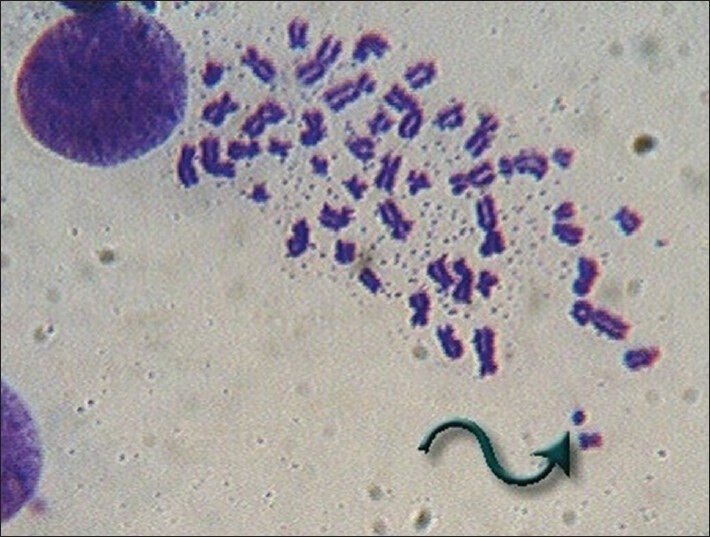
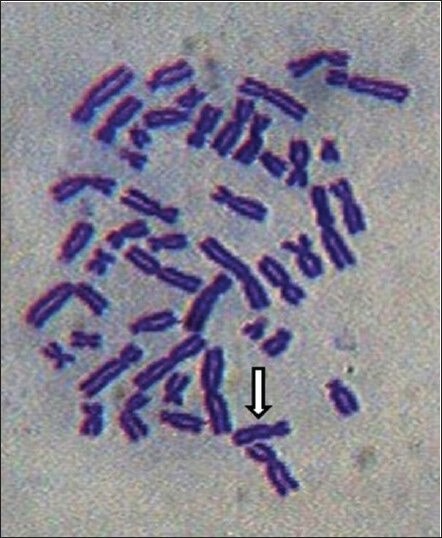
Blood samples from 31 bidi rollers and 30 controls taken after written informed consent were analyzed for chromosome aberrations (CA) and comet assay.
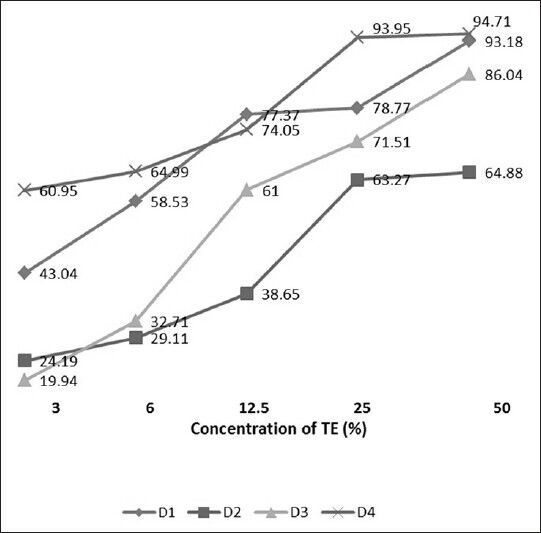
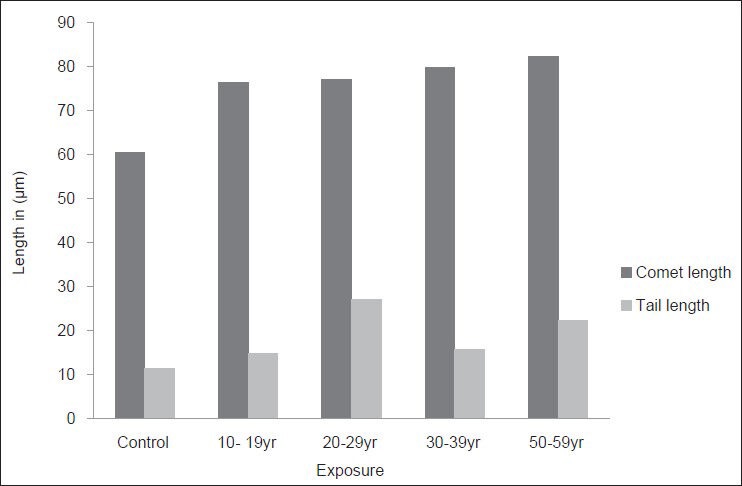
Genotoxicity was studied by CA in cultured peripheral blood lymphocytes of bidi rollers and the deoxyribonucleic acid (DNA) damage studies were done by comet assay of their blood. The toxicity of bidi tobacco extract to normal human lymphocytes was studied by MMT (3-[4,5-dimethylthiazol-2-yl]-2,5 diphenyl tetrazolium bromide) assay as drop in viability.
Student's t-test and DMRT.
There is a general trend of increase in CA% of both in exposed and control groups with age, but in every group the bidi rollers have a significantly higher CA% than the controls. The CA % is also directly related to exposure. The comet assay findings reveal that the mean comet length and tail length increases with exposure time. The toxicity of bidi tobacco extract (TE) to normal human lymphocytes was tested in vitro by 3-[4,5-dimethylthiazol-2-yl]-2,5 diphenyl tetrazolium bromide (MTT) assay at 2 h of incubation. The trend of drop in viability with increasing concentrations of TE was clearly evident from the data from four donors in spite of their individual differences in viability.
The results obtained in this investigation indicate that bidi rollers seem to be facing the occupational hazard of genotoxicity due to handling bidi tobacco and inhalation of tobacco dust. They should be advised to work under well-ventilated conditions.
探讨职业接触比迪烟粉尘的比迪烟卷工的遗传毒性。
评估印度中央邦贾巴尔普尔市比迪烟卷工接触的烟草粉尘的遗传毒性程度以及比迪烟提取物的细胞毒性。
在获得书面知情同意后,采集了31名比迪烟卷工和30名对照者的血样,分析染色体畸变(CA)和彗星试验。
通过比迪烟卷工培养的外周血淋巴细胞的CA研究遗传毒性,通过其血液的彗星试验进行脱氧核糖核酸(DNA)损伤研究。通过MTT(3-[4,5-二甲基噻唑-2-基]-2,5-二苯基四氮唑溴盐)试验研究比迪烟提取物对正常人淋巴细胞的毒性,以活力下降表示。
学生t检验和Duncan多重极差检验(DMRT)。
暴露组和对照组的CA%均有随年龄增加的总体趋势,但在每组中,比迪烟卷工的CA%显著高于对照组。CA%也与暴露直接相关。彗星试验结果显示,平均彗星长度和尾长随暴露时间增加。通过MTT试验在孵育2小时时体外测试了比迪烟提取物(TE)对正常人淋巴细胞的毒性。尽管四个供体的活力存在个体差异,但随着TE浓度增加活力下降的趋势从数据中明显可见。
本研究获得的结果表明,比迪烟卷工因处理比迪烟和吸入烟草粉尘似乎面临遗传毒性的职业危害。应建议他们在通风良好的条件下工作。