Division of Bioinformation, Department of Physiology, Hyogo College of Medicine, Nishinomiya, Japan.
Cancer Sci. 2014 Jul;105(7):883-9. doi: 10.1111/cas.12429. Epub 2014 May 21.
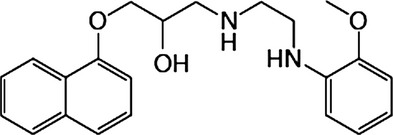
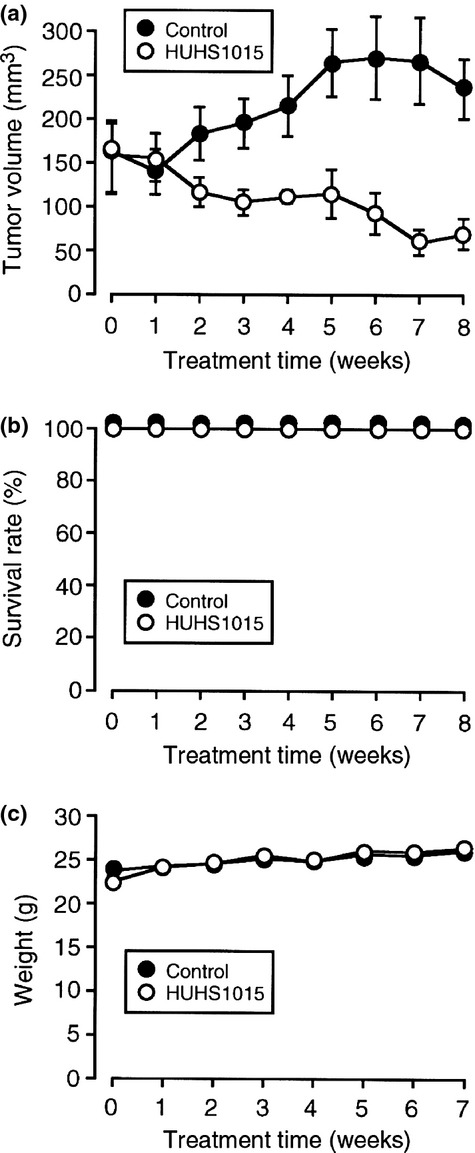
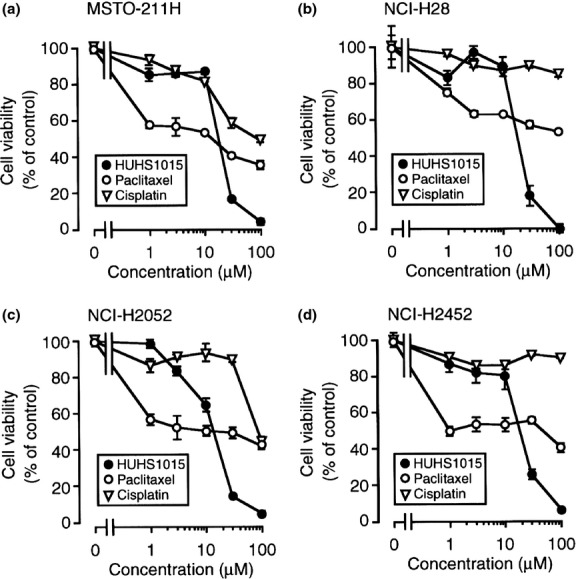
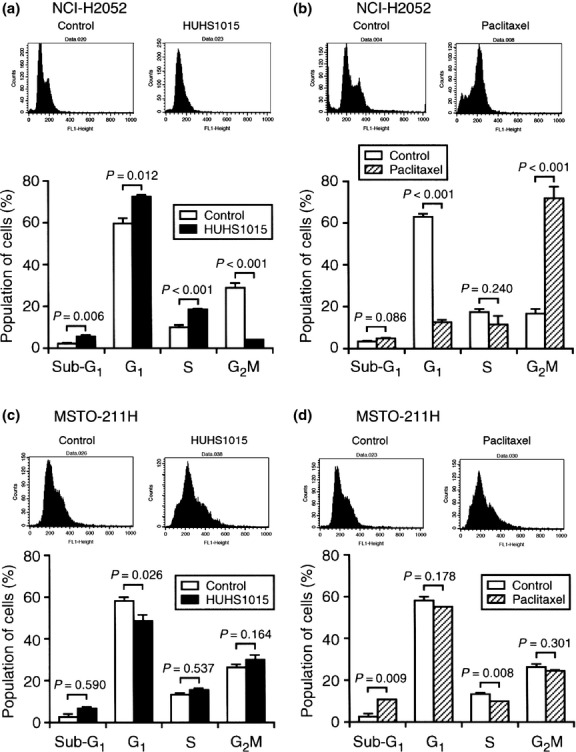
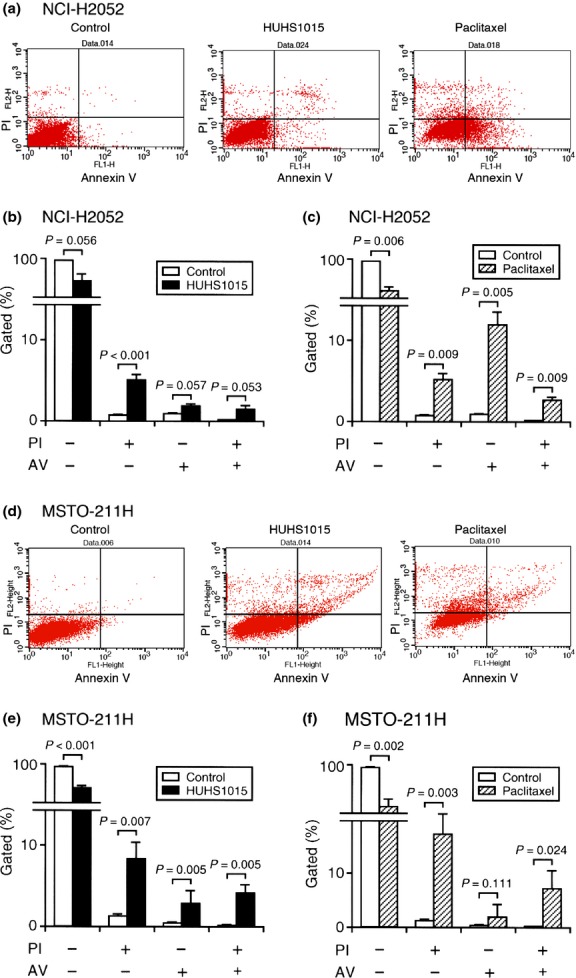
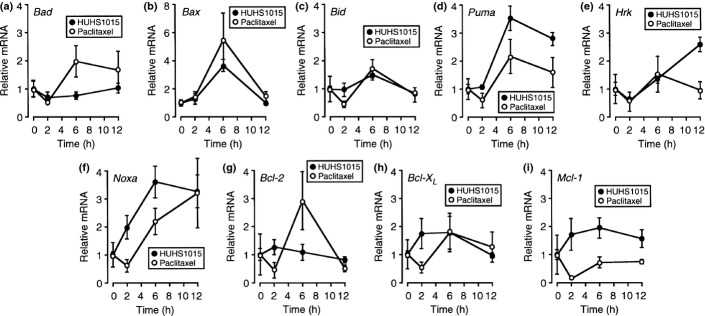
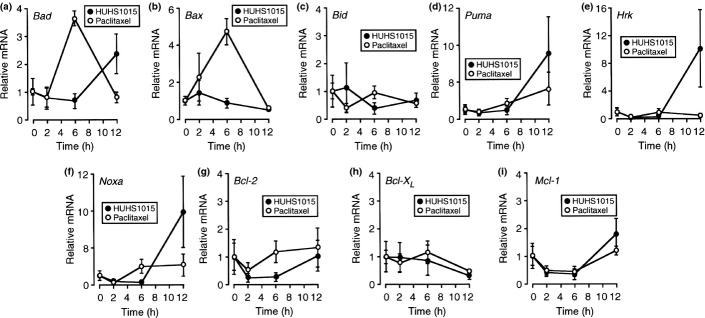
The newly synthesized naftopidil analogue HUHS1015 reduced cell viability in malignant pleural mesothelioma cell lines MSTO-211H, NCI-H28, NCI-H2052, and NCI-H2452, with the potential greater than that for the anticancer drugs paclitaxel or cisplatin at concentrations higher than 30 μM. HUHS1015 induced both necrosis and apoptosis of MSTO-211H and NCI-H2052 cells. HUHS1015 upregulated expression of mRNAs for Puma, Hrk, and Noxa in MSTO-211H and NCI-H2052 cells, suggesting HUHS1015-induced mitochondrial apoptosis. HUHS1015 clearly suppressed tumor growth in mice inoculated with NCI-H2052 cells. Taken together, the results of the present study indicate that HUHS1015 could be developed as an effective anticancer drug for treatment of malignant pleural mesothelioma.
新合成的萘夫替丁类似物 HUHS1015 在恶性胸膜间皮瘤细胞系 MSTO-211H、NCI-H28、NCI-H2052 和 NCI-H2452 中降低了细胞活力,其潜在作用大于抗癌药物紫杉醇或顺铂,浓度高于 30μM。HUHS1015 诱导 MSTO-211H 和 NCI-H2052 细胞发生坏死和凋亡。HUHS1015 上调了 MSTO-211H 和 NCI-H2052 细胞中 Puma、Hrk 和 Noxa 的 mRNA 表达,提示 HUHS1015 诱导了线粒体凋亡。HUHS1015 明显抑制了接种 NCI-H2052 细胞的小鼠的肿瘤生长。综上所述,本研究结果表明,HUHS1015 可开发为治疗恶性胸膜间皮瘤的有效抗癌药物。