Bioscope Group, REQUIMTE, Chemistry Department, Faculty of Science and Technology, University Nova of Lisbon Lisbon, Portugal ; Veterinary Science Departments, CECAV, University of Trás-os-Montes and Alto Douro Vila Real, Portugal.
Bioscope Group, REQUIMTE, Chemistry Department, Faculty of Science and Technology, University Nova of Lisbon Lisbon, Portugal.
Front Chem. 2013 Dec 5;1:29. doi: 10.3389/fchem.2013.00029. eCollection 2013.
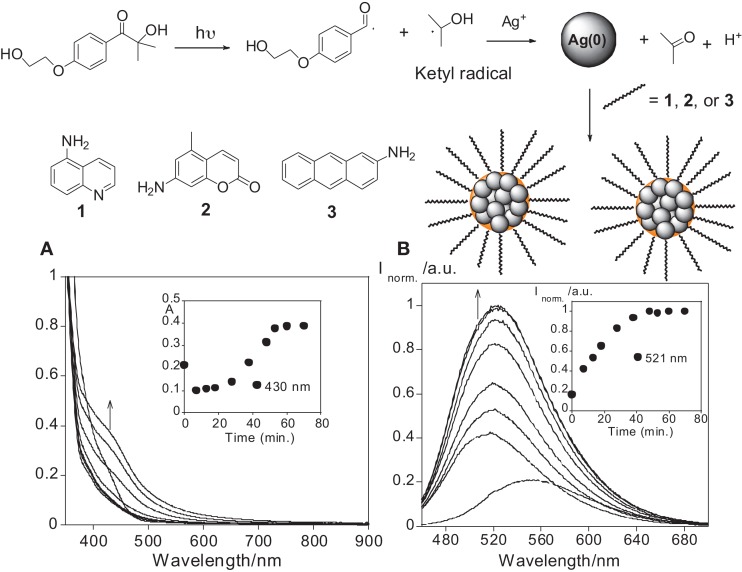
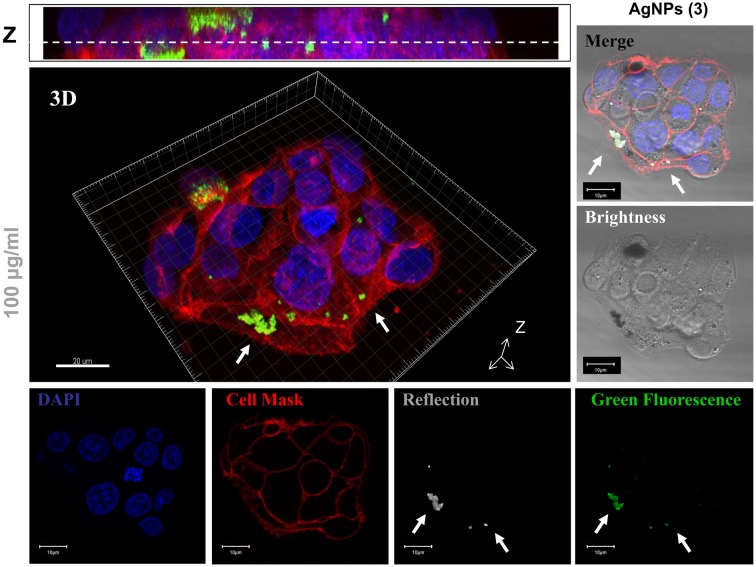
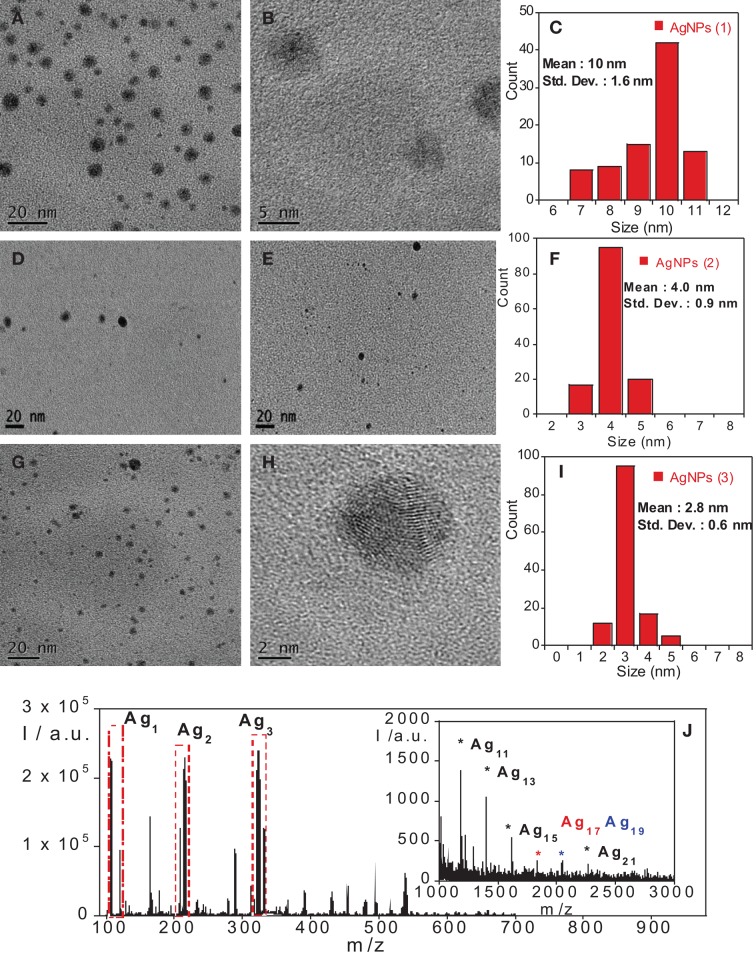
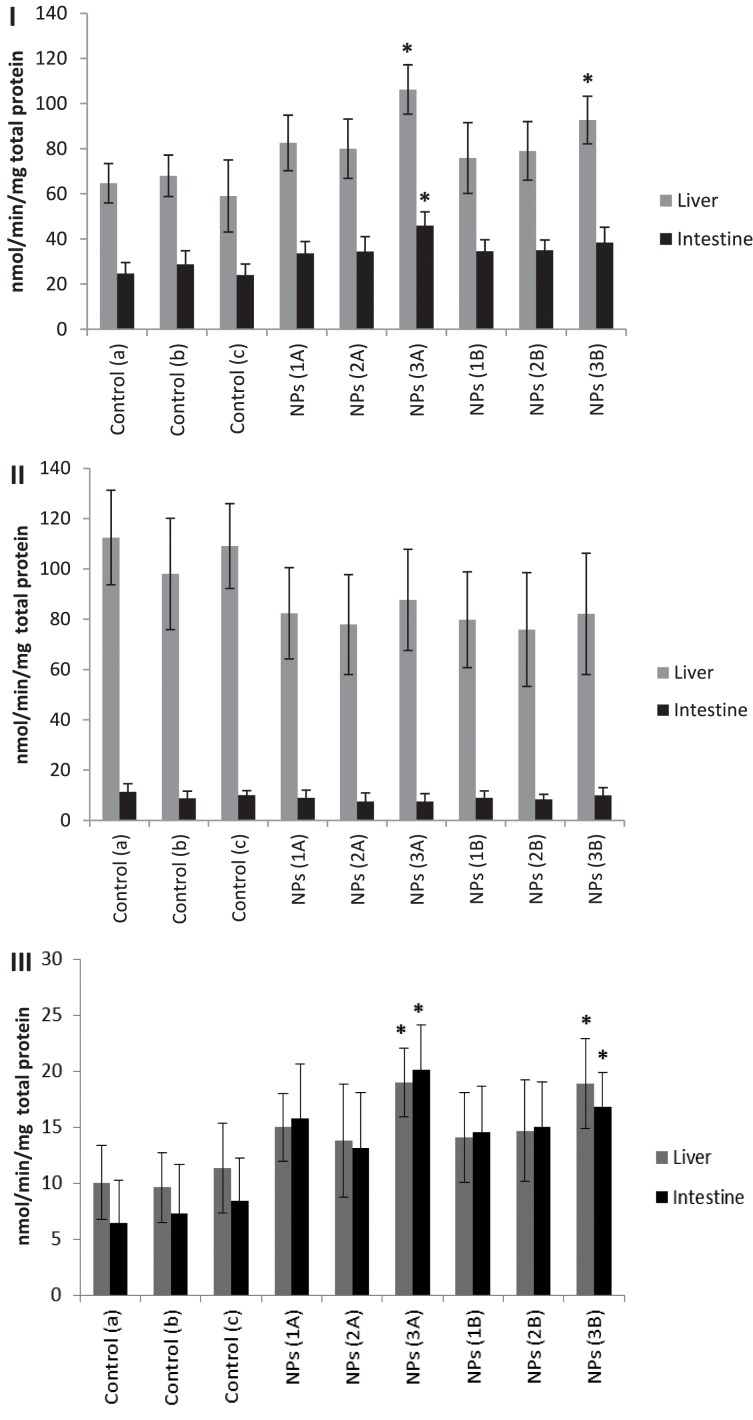
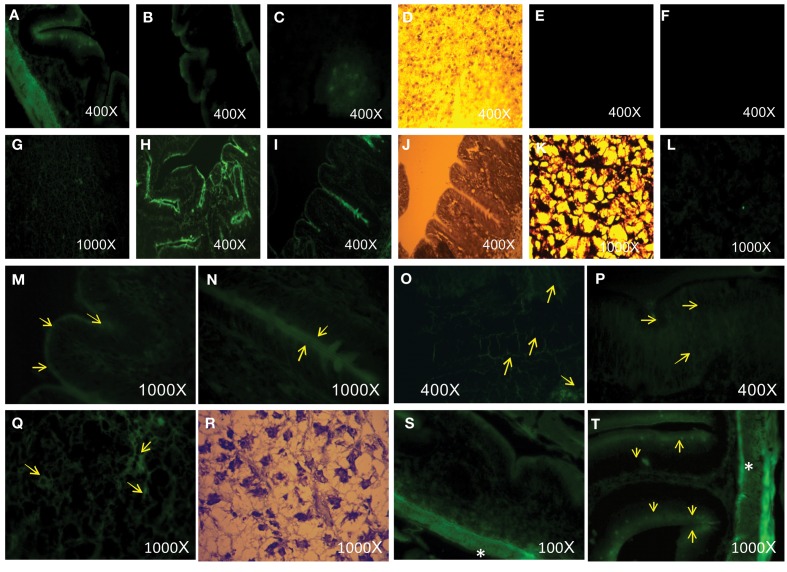
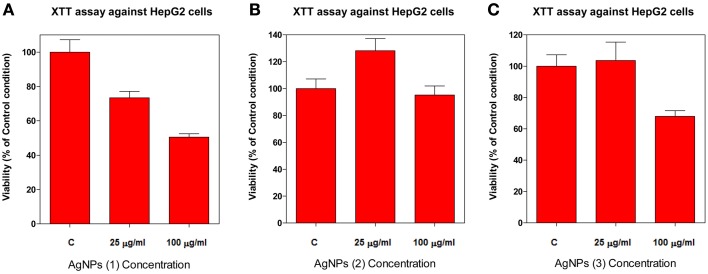
Silver nanoparticles, AgNPs, are widely used in our daily life, mostly due to their antibacterial, antiviral, and antifungal properties. However, their potential toxicity remains unclear. In order to unravel this issue, emissive AgNPs were first synthetized using an inexpensive photochemical method, and then their permeation was assessed in vivo in goldfish and in vitro in human hepatoma cells (HepG2). In addition, the oxidative stress caused by AgNPs was assessed in enzymes such as glutathione-S-transferase (GST), catalase (CAT), and in lipid peroxidation (LPO). This study demonstrates that the smallest sized AgNPs@3 promote the largest changes in gold fish livers, whereas AgNPs@1 were found to be toxic in HEPG2 cells depending on both the size and functionalized/stabilizer ligand.
银纳米粒子(AgNPs)由于其具有抗菌、抗病毒和抗真菌特性,被广泛应用于我们的日常生活中。然而,其潜在的毒性仍不清楚。为了解决这个问题,我们首先使用廉价的光化学方法合成了发光 AgNPs,然后评估了它们在金鱼体内的渗透情况以及在人肝癌细胞(HepG2)中的体外渗透情况。此外,还评估了 AgNPs 对谷胱甘肽-S-转移酶(GST)、过氧化氢酶(CAT)和脂质过氧化(LPO)等酶引起的氧化应激。本研究表明,最小尺寸的 AgNPs@3 会引起金鱼肝脏发生最大的变化,而 AgNPs@1 则根据尺寸和功能化/稳定剂配体的不同,被发现对 HepG2 细胞有毒。