Pérez-Brangulí Francesc, Mishra Himanshu K, Prots Iryna, Havlicek Steven, Kohl Zacharias, Saul Domenica, Rummel Christine, Dorca-Arevalo Jonatan, Regensburger Martin, Graef Daniela, Sock Elisabeth, Blasi Juan, Groemer Teja W, Schlötzer-Schrehardt Ursula, Winkler Jürgen, Winner Beate
IZKF Junior Research Group and BMBF Research Group Neuroscience, IZKF, Friedrich-Alexander-Universitaet Erlangen-Nuernberg, Glueckstrasse 6, Erlangen 91054, Germany.
Department of Molecular Neurology.
Hum Mol Genet. 2014 Sep 15;23(18):4859-74. doi: 10.1093/hmg/ddu200. Epub 2014 May 2.
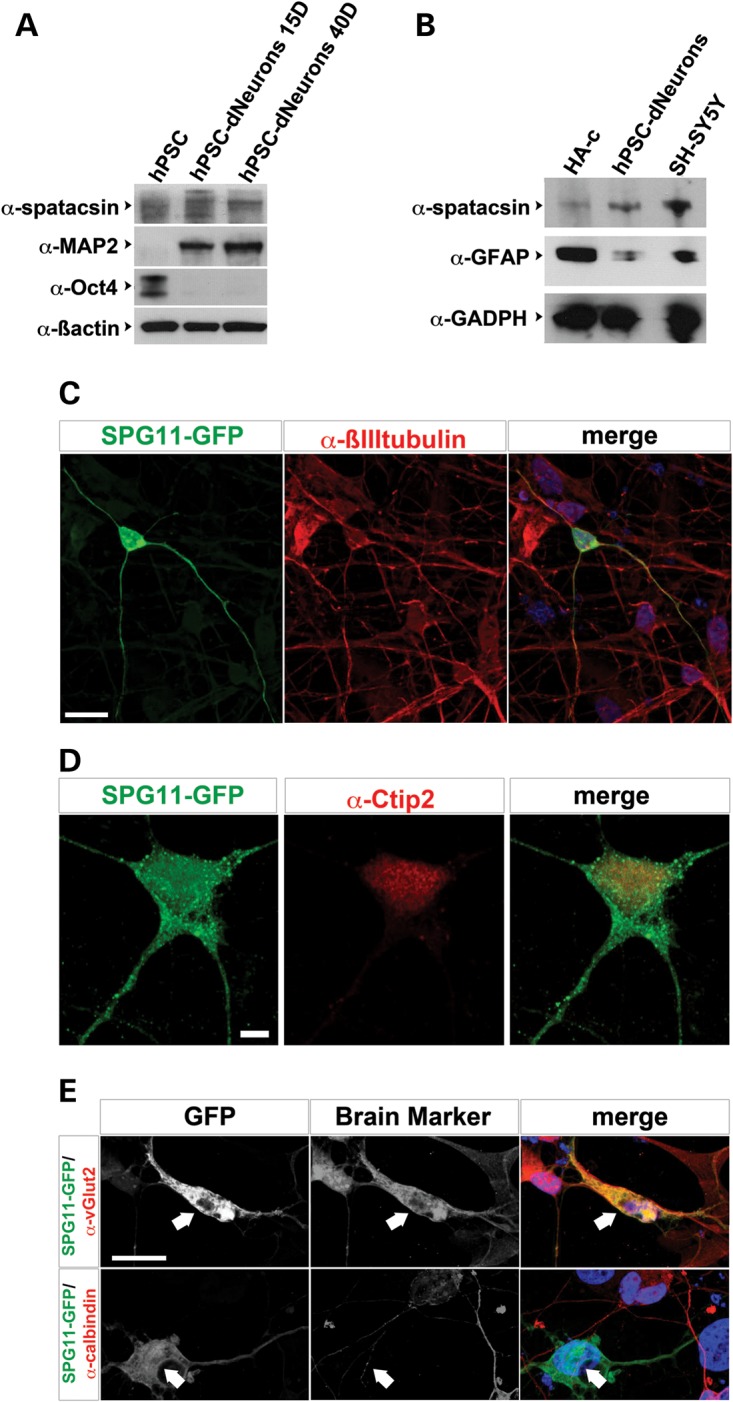
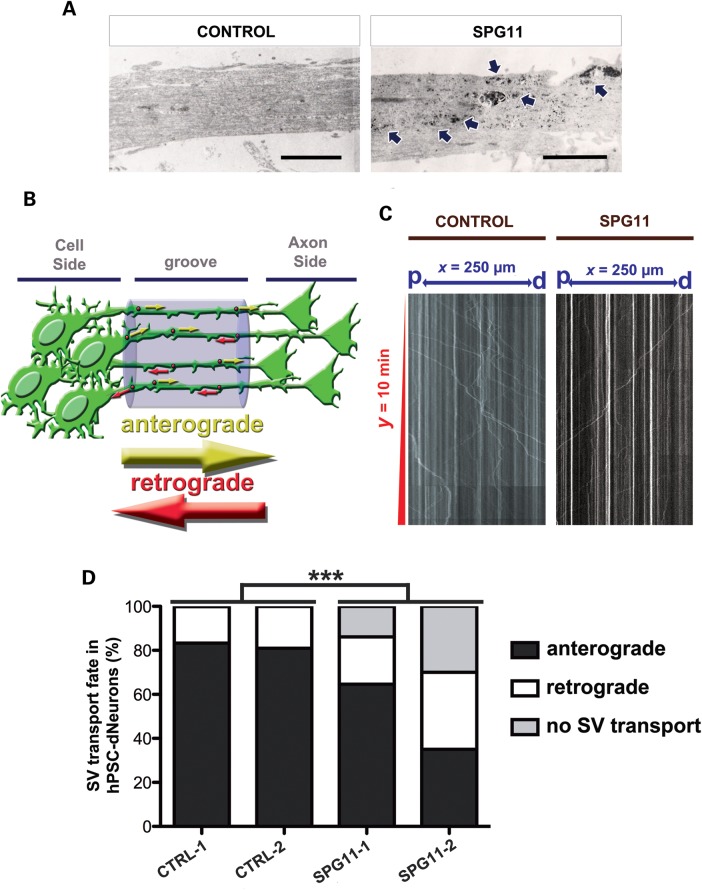
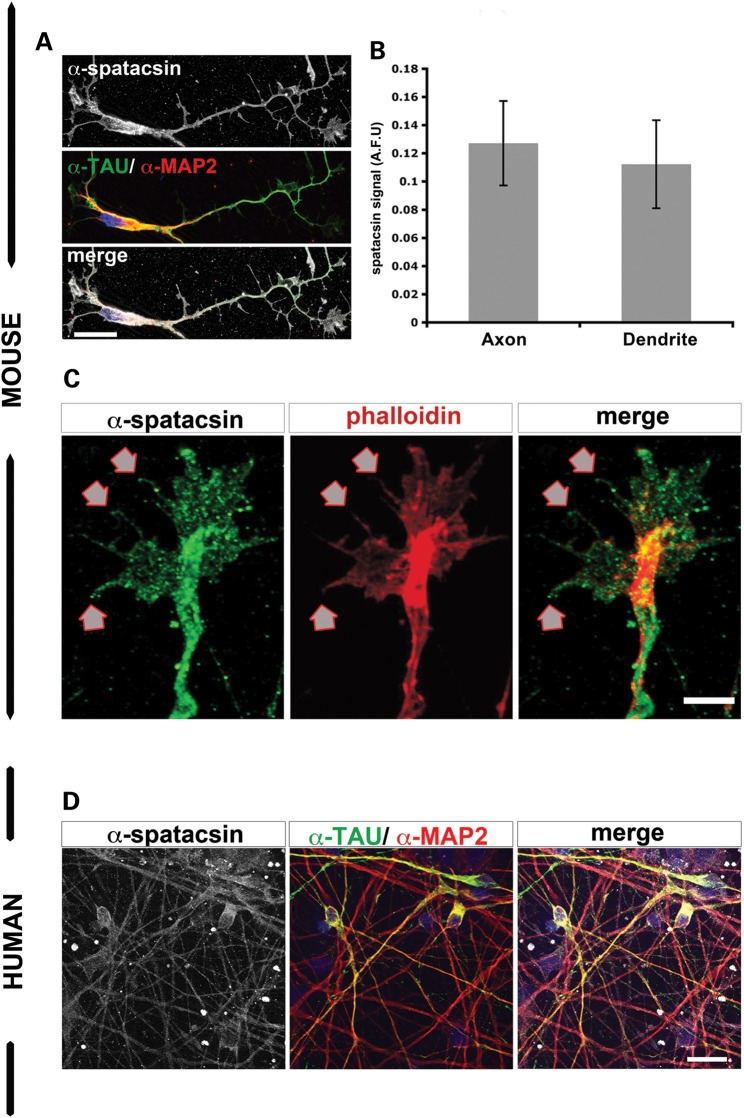
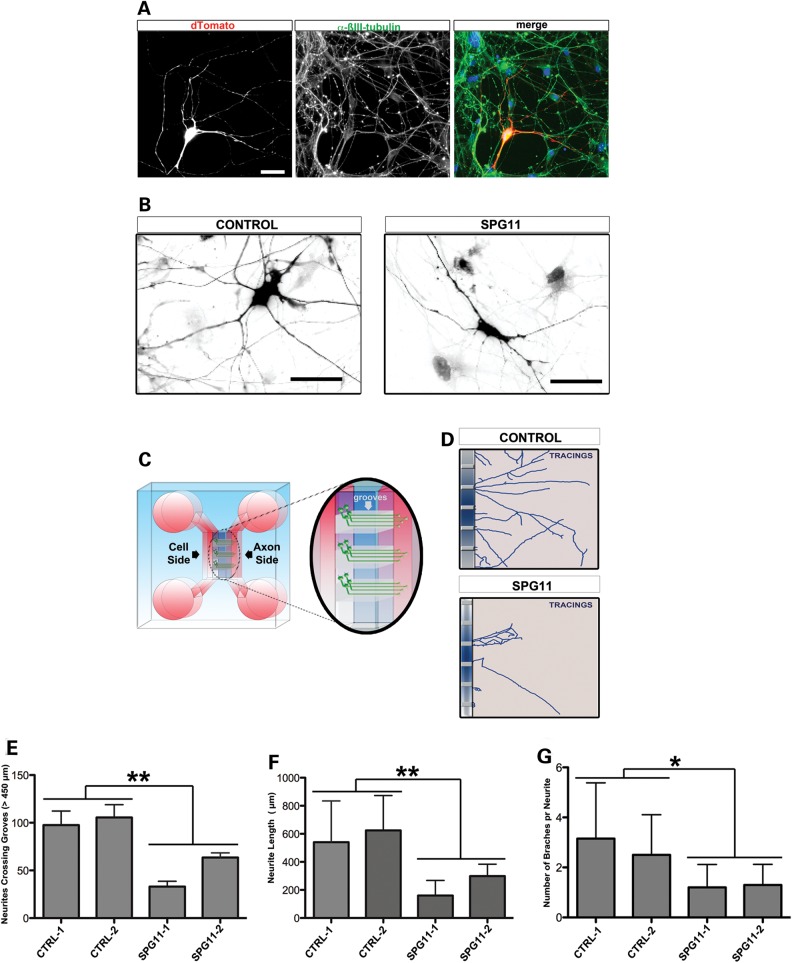
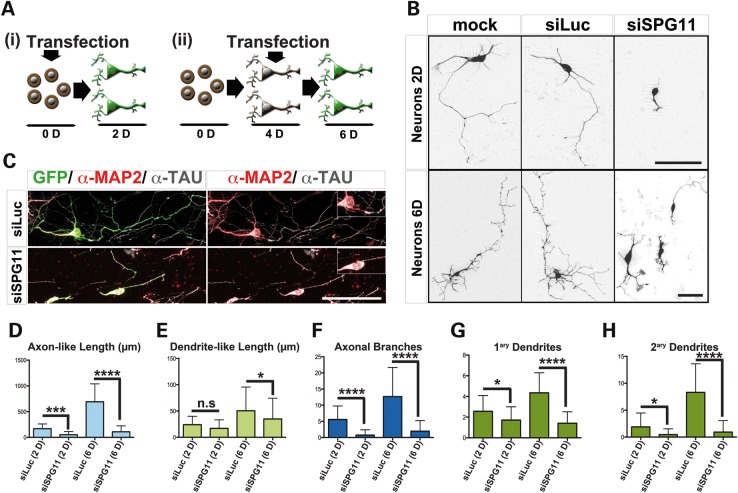
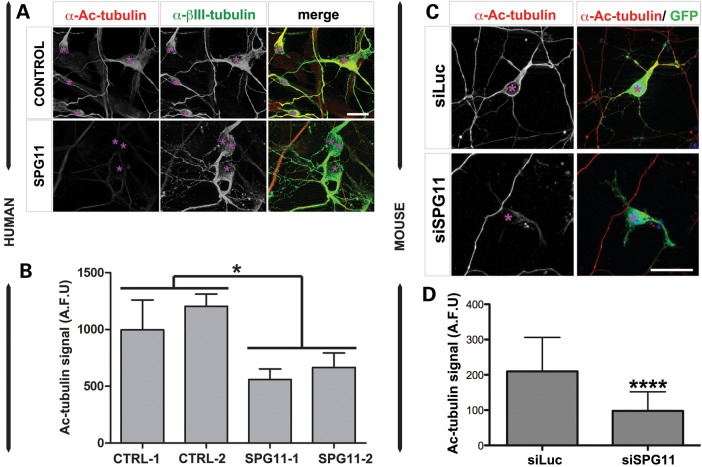
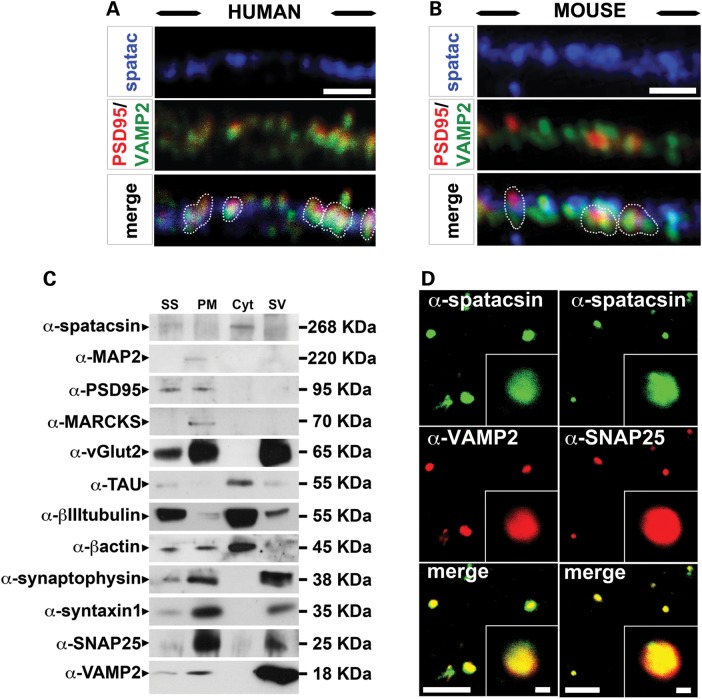
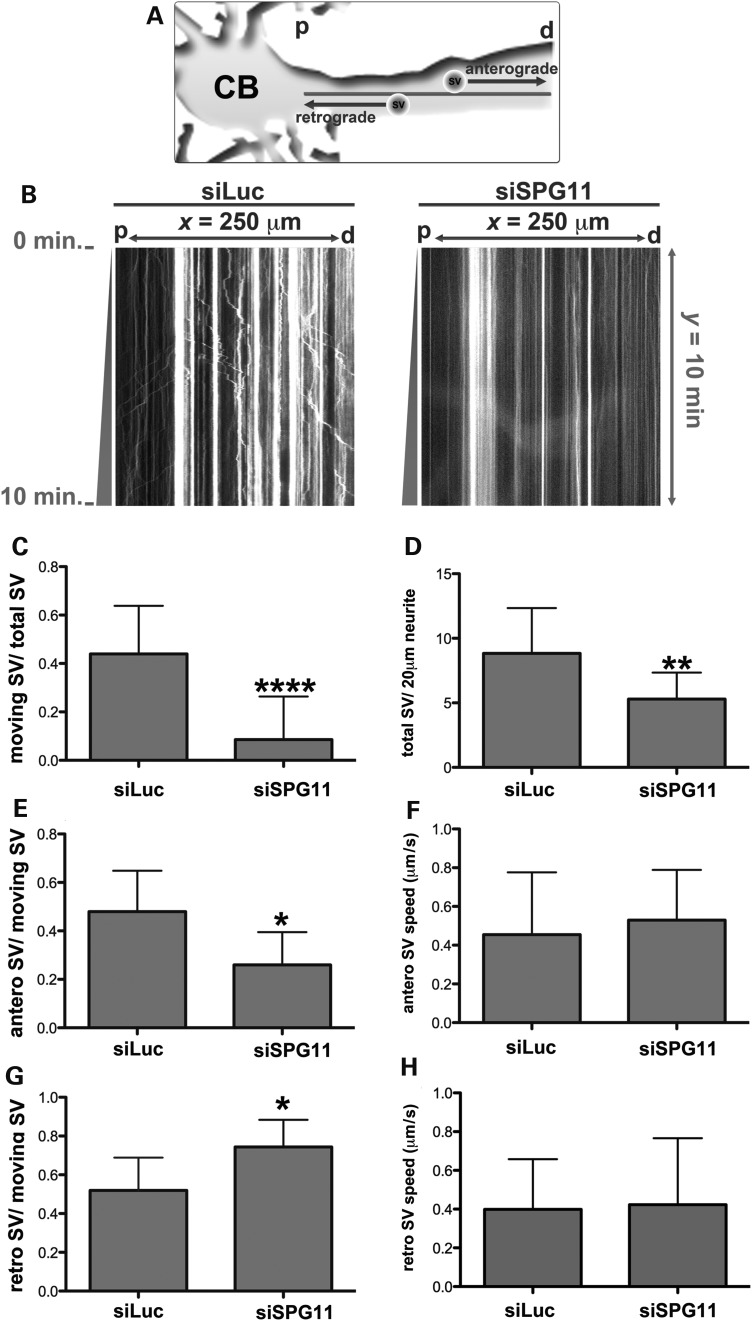
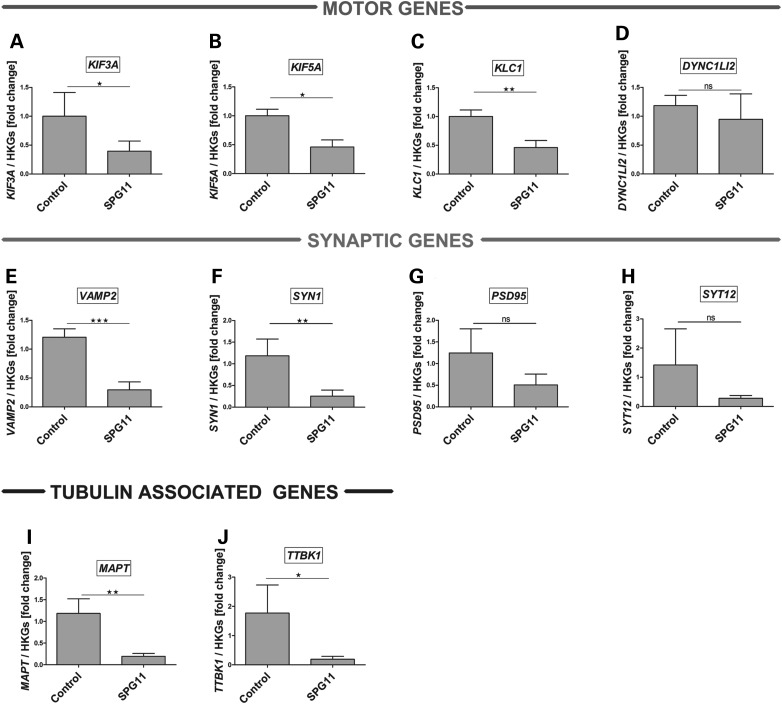
Hereditary spastic paraplegias are a group of inherited motor neuron diseases characterized by progressive paraparesis and spasticity. Mutations in the spastic paraplegia gene SPG11, encoding spatacsin, cause an autosomal-recessive disease trait; however, the precise knowledge about the role of spatacsin in neurons is very limited. We for the first time analyzed the expression and function of spatacsin in human forebrain neurons derived from human pluripotent stem cells including lines from two SPG11 patients and two controls. SPG11 patients'-derived neurons exhibited downregulation of specific axonal-related genes, decreased neurite complexity and accumulation of membranous bodies within axonal processes. Altogether, these data point towards axonal pathologies in human neurons with SPG11 mutations. To further corroborate spatacsin function, we investigated human pluripotent stem cell-derived neurons and mouse cortical neurons. In these cells, spatacsin was located in axons and dendrites. It colocalized with cytoskeletal and synaptic vesicle (SV) markers and was present in synaptosomes. Knockdown of spatacsin in mouse cortical neurons evidenced that the loss of function of spatacsin leads to axonal instability by downregulation of acetylated tubulin. Finally, time-lapse assays performed in SPG11 patients'-derived neurons and spatacsin-silenced mouse neurons highlighted a reduction in the anterograde vesicle trafficking indicative of impaired axonal transport. By employing SPG11 patient-derived forebrain neurons and mouse cortical neurons, this study provides the first evidence that SPG11 is implicated in axonal maintenance and cargo trafficking. Understanding the cellular functions of spatacsin will allow deciphering mechanisms of motor cortex dysfunction in autosomal-recessive hereditary spastic paraplegia.
遗传性痉挛性截瘫是一组以进行性下肢轻瘫和痉挛为特征的遗传性运动神经元疾病。痉挛性截瘫基因SPG11发生突变,编码spatacsin,会导致常染色体隐性疾病特征;然而,关于spatacsin在神经元中的作用的精确认识非常有限。我们首次分析了spatacsin在源自人类多能干细胞(包括来自两名SPG11患者和两名对照的细胞系)的人类前脑神经元中的表达和功能。源自SPG11患者的神经元表现出特定轴突相关基因的下调、神经突复杂性降低以及轴突内出现膜性小体聚集。总之这些数据表明具有SPG11突变的人类神经元存在轴突病变。为了进一步证实spatacsin的功能,我们研究了源自人类多能干细胞的神经元和小鼠皮质神经元。在这些细胞中,spatacsin位于轴突和树突中。它与细胞骨架和突触小泡(SV)标记共定位,并存在于突触体中。在小鼠皮质神经元中敲低spatacsin证明,spatacsin功能丧失会通过下调乙酰化微管蛋白导致轴突不稳定。最后,在源自SPG11患者的神经元和沉默spatacsin的小鼠神经元中进行的延时检测突出显示顺行性囊泡运输减少,这表明轴突运输受损。通过使用源自SPG11患者的前脑神经元和小鼠皮质神经元,本研究首次证明SPG11与轴突维持和货物运输有关。了解spatacsin的细胞功能将有助于解读常染色体隐性遗传性痉挛性截瘫中运动皮质功能障碍的机制。