Ozawa Hideto, Ueno Takayoshi, Iwai Shigemitsu, Kawata Hiroaki, Nishigaki Kyouichi, Kishimoto Hidefumi, Sawa Yoshiki
Department of Cardiovascular Surgery, Osaka University Graduate School of Medicine, 2-2 Yamada-oka, Suita, Osaka, 565-0871, Japan,
Pediatr Cardiol. 2014 Oct;35(7):1225-31. doi: 10.1007/s00246-014-0920-8. Epub 2014 May 15.
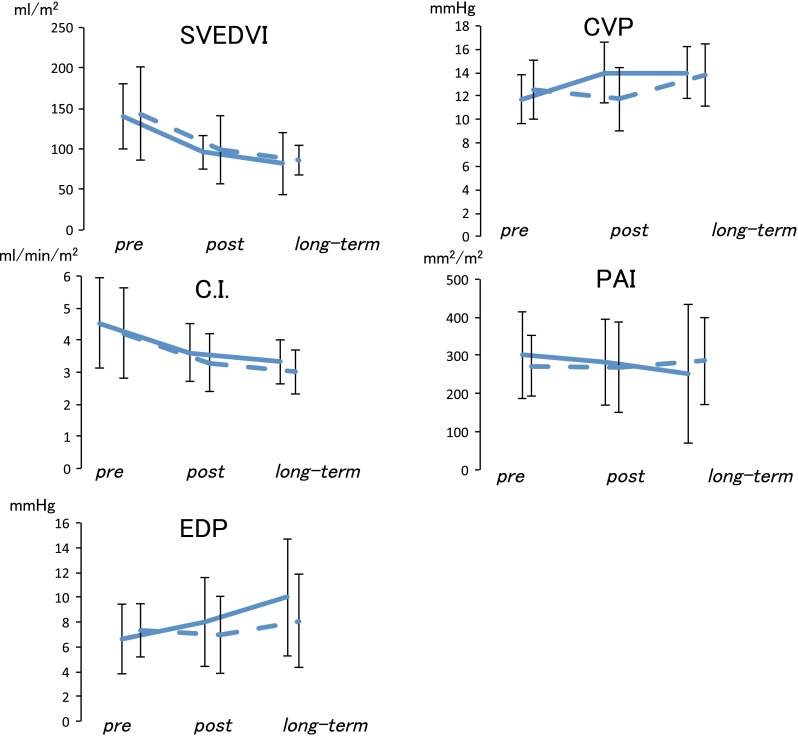
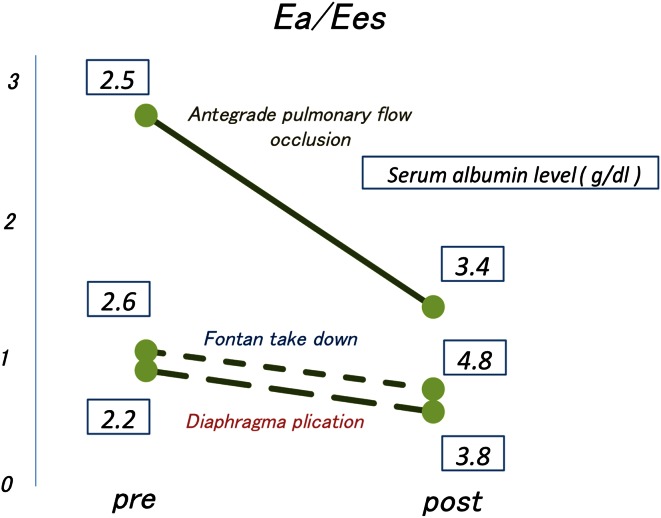
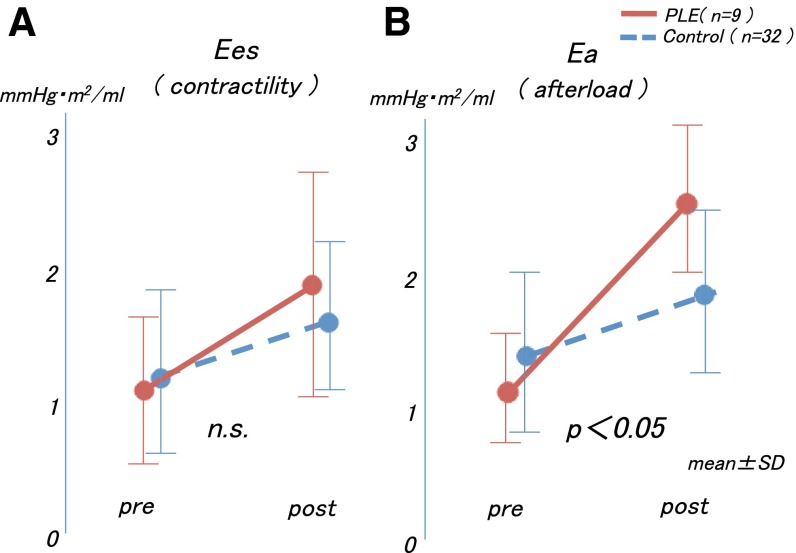
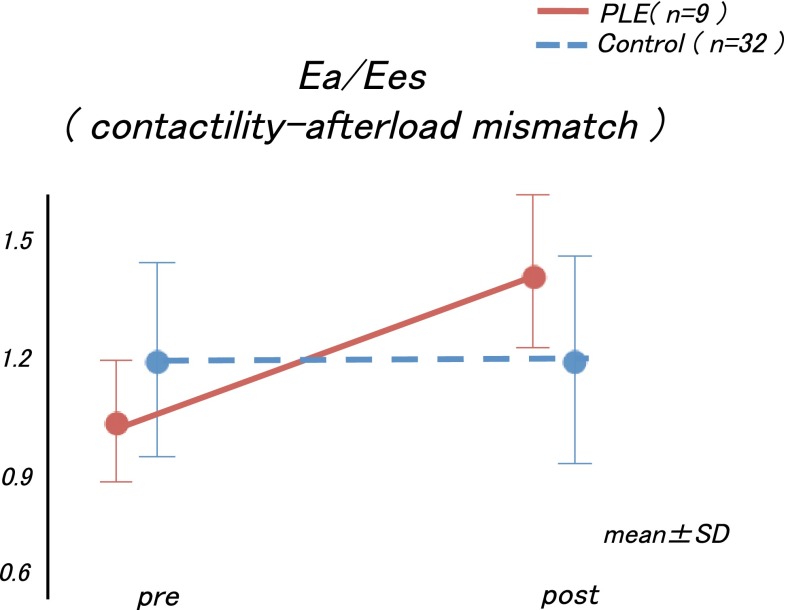
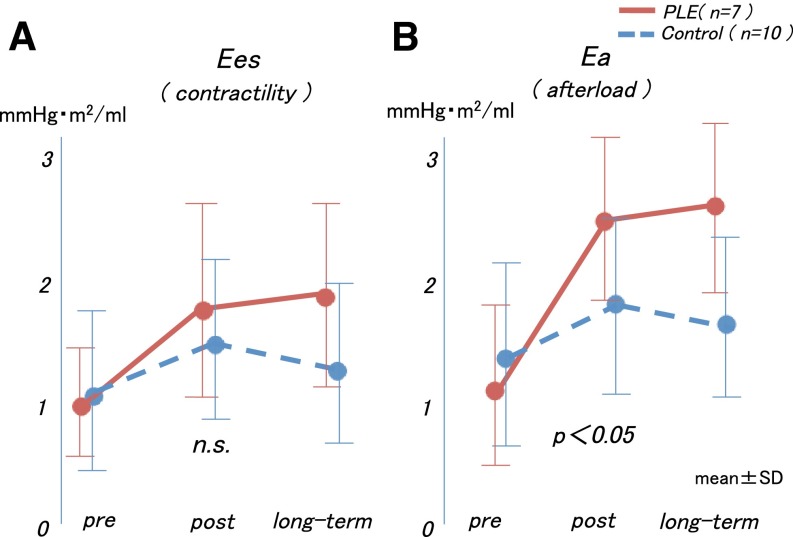
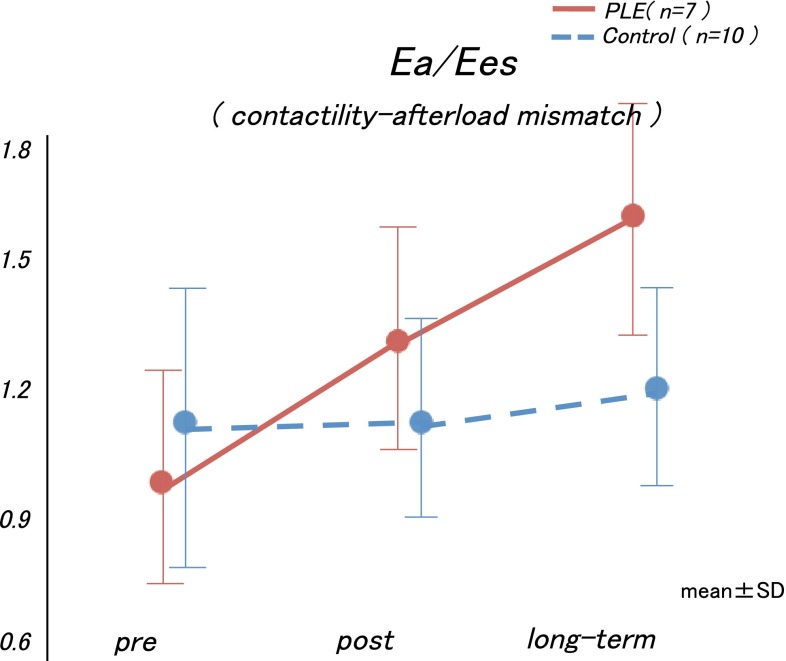
This study aimed to clarify the relationship between onset of protein-losing enteropathy (PLE) and Fontan circulation, with special reference to the development of contractility-afterload mismatch. The PLE group comprised 9 patients who experienced PLE after undergoing the Fontan operation, and the control group consisted of 32 patients had did not experienced PLE more than 10 years after the Fontan operation. The study compared the pre- and postoperative values of arterial elastance (Ea), end-systolic elastance (Ees), and contractility-afterload mismatch (Ea/Ees). Furthermore, the variations in the values were examined during the preoperative, postoperative, and midterm postoperative periods in seven PLE patients who underwent cardiac catheterization at the onset of PLE and during the pre- and postintervention periods in three PLE patients who underwent surgical intervention to improve the Fontan circulation after the onset of PLE. Comparison of the values obtained before and after Fontan operations showed that the Ea values increased significantly in the PLE group. However, the pre- and postoperative Ees values did not differ in the two groups. During the postoperative period, Ea/Ees increased significantly, and the Ea and Ea/Ees values increased continuously until the onset of PLE in the PLE group. In the patients who underwent surgical intervention to improve the Fontan circulation after the onset of PLE, the Ea/Ees decreased significantly, and the serum albumin levels improved after the intervention. Contractility-afterload mismatch, mainly caused by the increase in the afterload of the systemic ventricle, may have an important role in the development of PLE after the Fontan operation.
本研究旨在阐明蛋白丢失性肠病(PLE)的发病与Fontan循环之间的关系,特别关注收缩力-后负荷不匹配的发展。PLE组包括9例在接受Fontan手术后发生PLE的患者,对照组由32例在Fontan手术后10年以上未发生PLE的患者组成。该研究比较了动脉弹性(Ea)、收缩末期弹性(Ees)和收缩力-后负荷不匹配(Ea/Ees)的术前和术后值。此外,对7例在PLE发作时接受心导管检查的PLE患者在术前、术后和术后中期的值变化进行了检查,并对3例在PLE发作后接受手术干预以改善Fontan循环的PLE患者在干预前后的值变化进行了检查。Fontan手术前后获得的值的比较表明,PLE组的Ea值显著增加。然而,两组的术前和术后Ees值没有差异。在术后期间,PLE组的Ea/Ees显著增加,并且Ea和Ea/Ees值在PLE发作前持续增加。在PLE发作后接受手术干预以改善Fontan循环的患者中,Ea/Ees显著降低,并且干预后血清白蛋白水平有所改善。主要由体循环心室后负荷增加引起的收缩力-后负荷不匹配可能在Fontan手术后PLE的发生中起重要作用。