Department of Molecular and Cell Biology, University of Cape Town, Rondebosch, Western Province, South Africa.
Department of Biochemistry, Stellenbosch University, Stellenbosch, Western Province, South Africa.
PLoS One. 2014 May 19;9(5):e96497. doi: 10.1371/journal.pone.0096497. eCollection 2014.
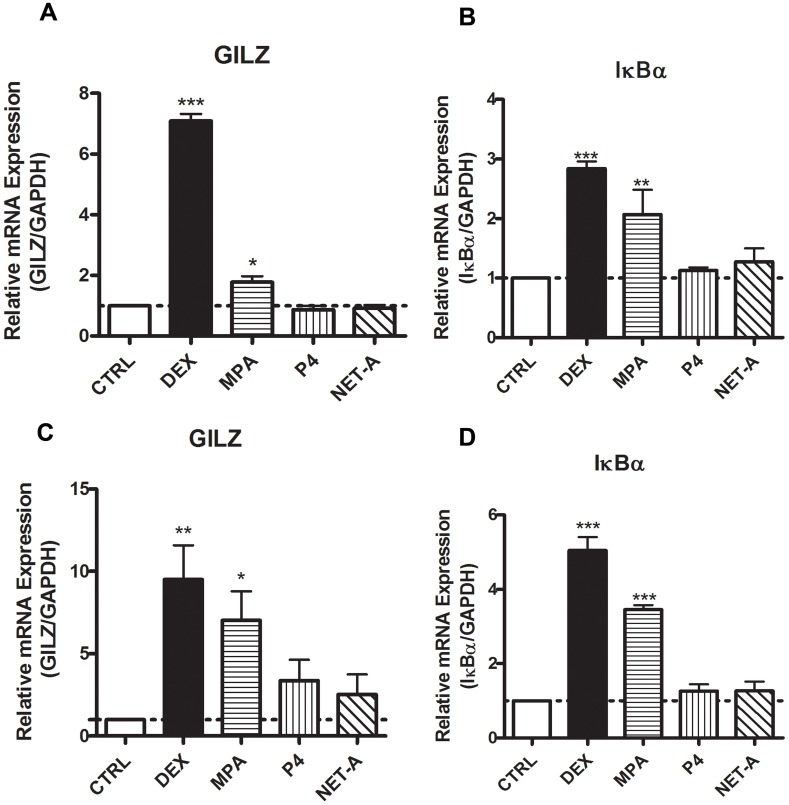
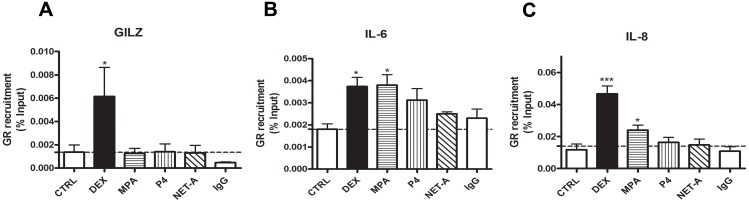
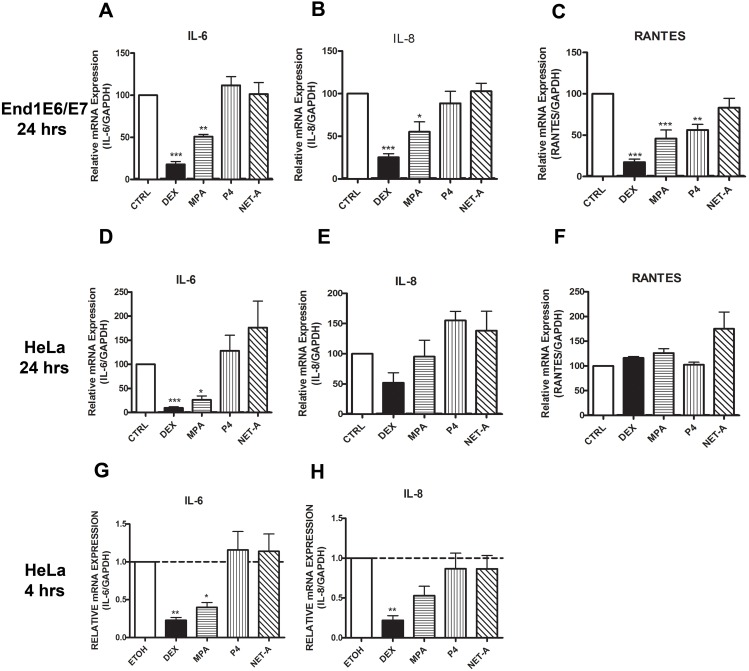
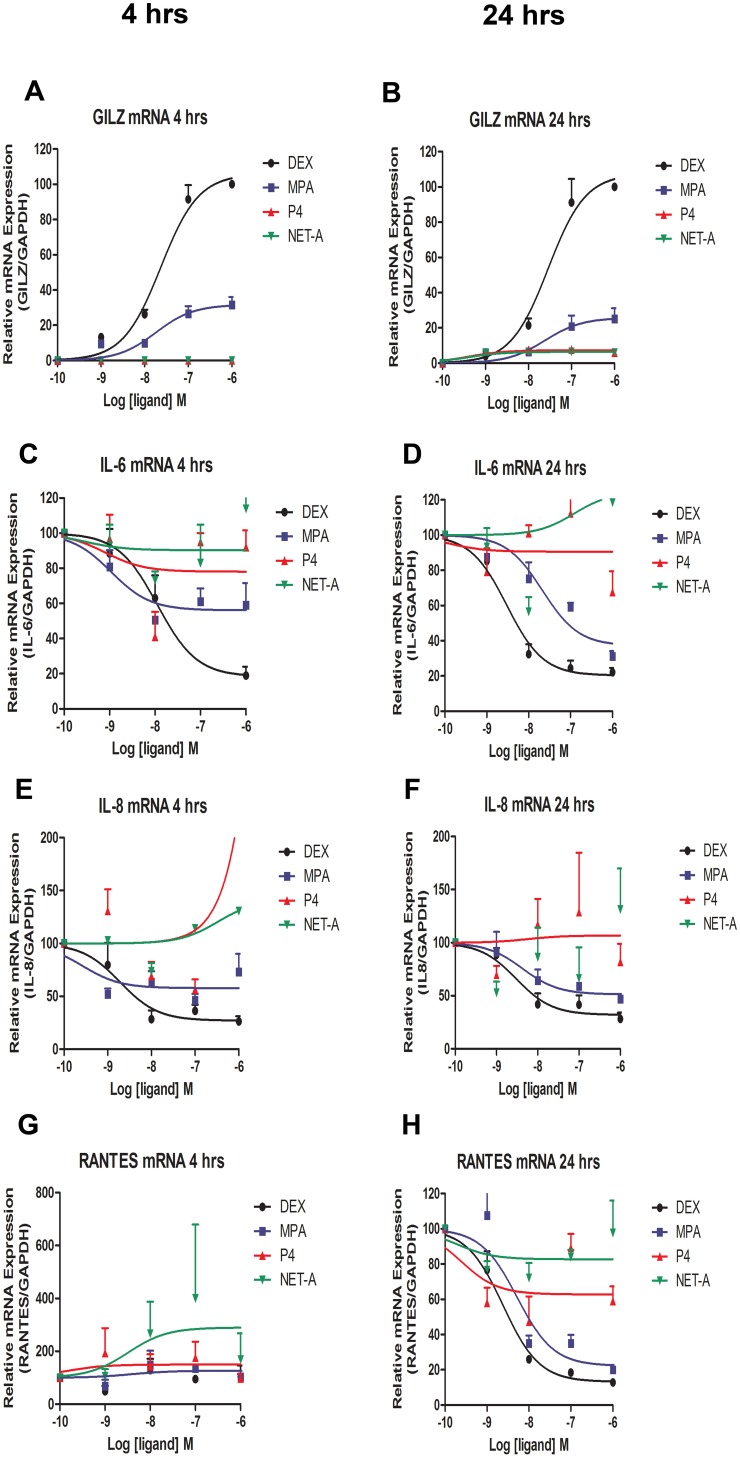
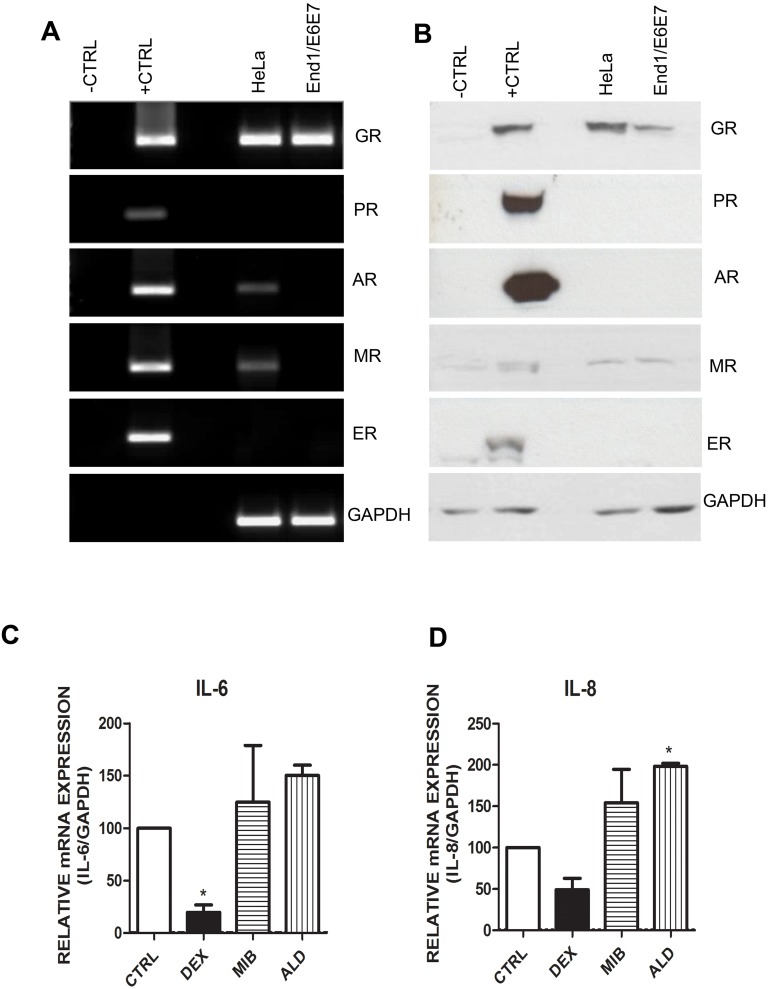
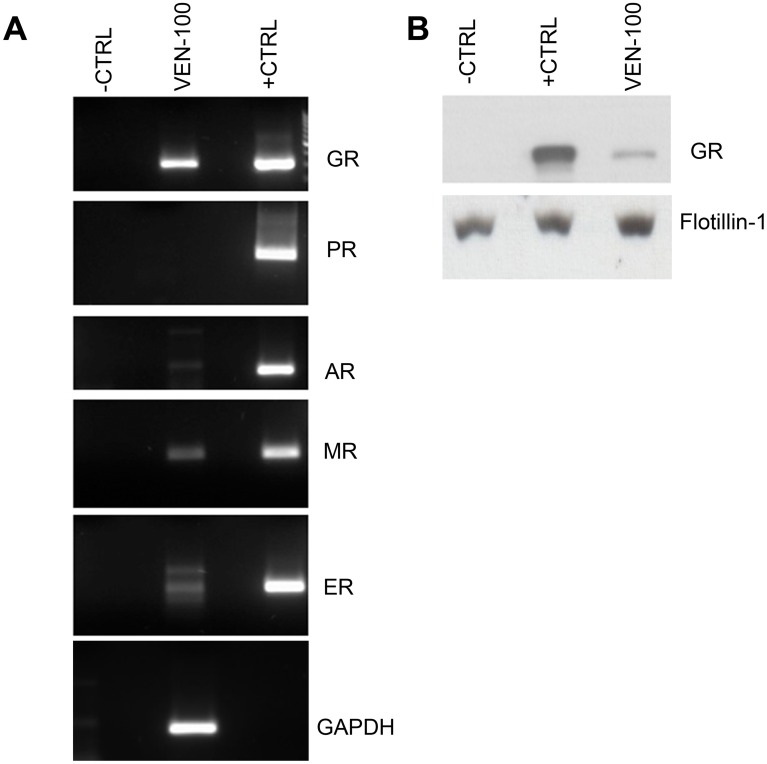
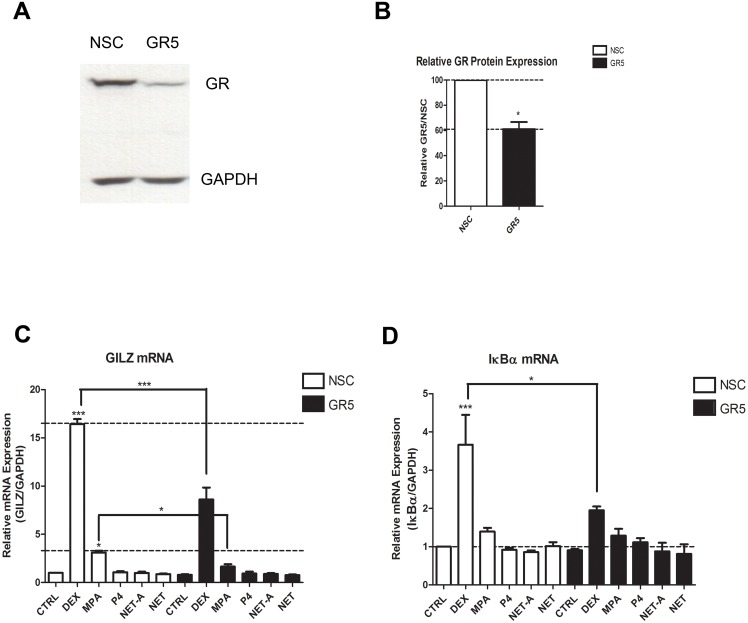
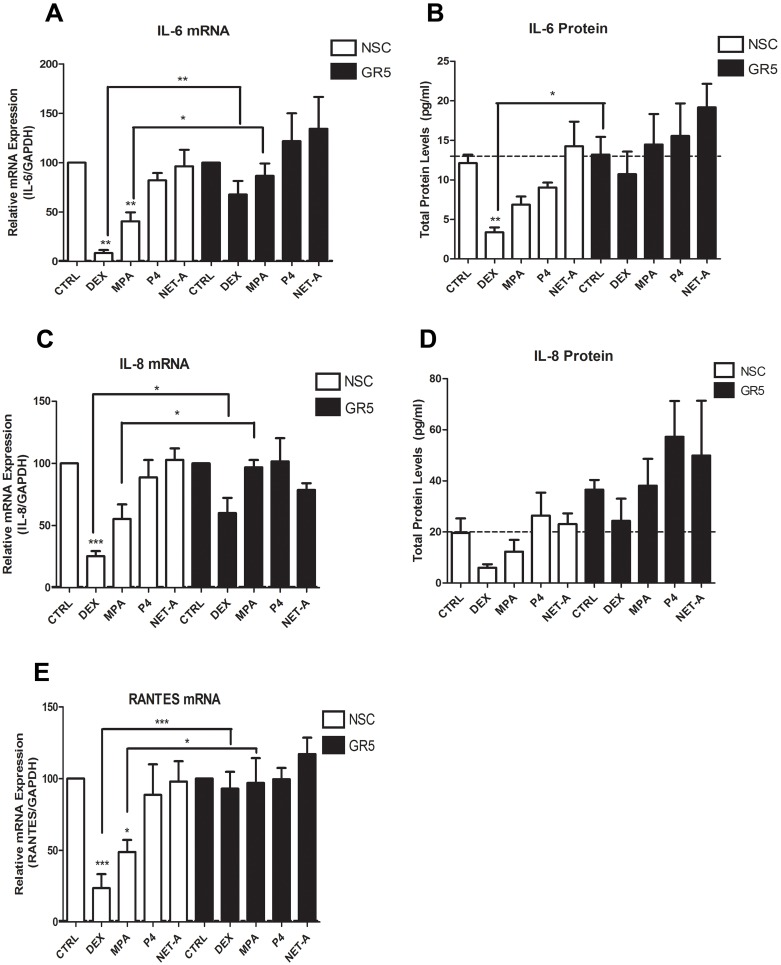
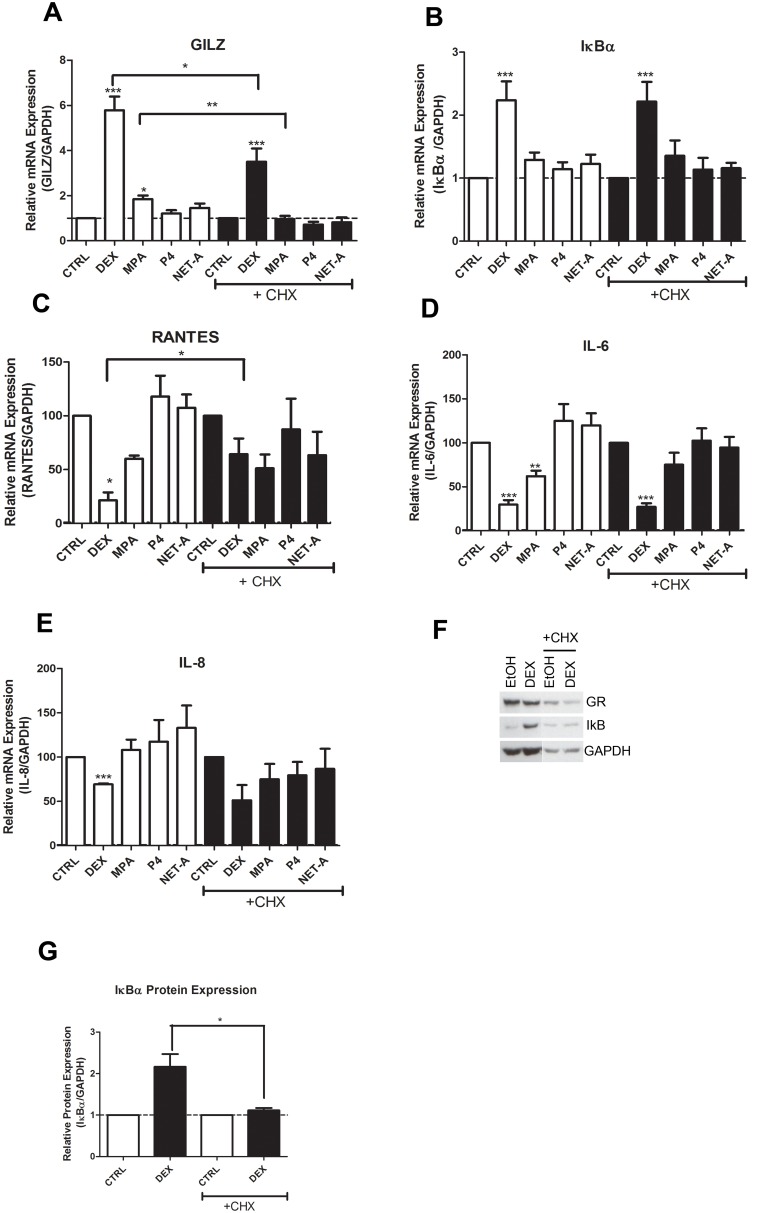
Clinical studies suggest that the injectable contraceptive medroxyprogesterone acetate (MPA) increases susceptibility to infections such as HIV-1, unlike the injectable contraceptive norethisterone enanthate (NET-EN). We investigated the differential effects, molecular mechanism of action and steroid receptor involvement in gene expression by MPA as compared to NET and progesterone (P4) in the End1/E6E7 cell line model for the endocervical epithelium, a key point of entry for pathogens in the female genital mucosa. MPA, unlike NET-acetate (NET-A) and P4, increases mRNA expression of the anti-inflammatory GILZ and IκBα genes. Similarly, MPA unlike NET-A, decreases mRNA expression of the pro-inflammatory IL-6, IL-8 and RANTES genes, and IL-6 and IL-8 protein levels. The predominant steroid receptor expressed in the End1/E6E7 and primary endocervical epithelial cells is the glucocorticoid receptor (GR), and GR knockdown experiments show that the anti-inflammatory effects of MPA are mediated by the GR. Chromatin-immunoprecipitation results suggest that MPA, unlike NET-A and P4, represses pro-inflammatory cytokine gene expression in cervical epithelial cells via a mechanism involving recruitment of the GR to cytokine gene promoters, like the GR agonist dexamethasone. This is at least in part consistent with direct effects on transcription, without a requirement for new protein synthesis. Dose response analysis shows that MPA has a potency of ∼ 24 nM for transactivation of the anti-inflammatory GILZ gene and ∼ 4-20 nM for repression of the pro-inflammatory genes, suggesting that these effects are likely to be relevant at injectable contraceptive doses of MPA. These findings suggest that in the context of the genital mucosa, these GR-mediated glucocorticoid-like effects of MPA in cervical epithelial cells are likely to play a critical role in discriminating between the effects on inflammation caused by different progestins and P4 and hence susceptibility to genital infections, given the predominant expression of the GR in primary endocervical epithelial cells.
临床研究表明,与注射用避孕药左炔诺孕酮(NET-EN)不同,注射用避孕药醋酸甲羟孕酮(MPA)会增加感染 HIV-1 等病毒的易感性。我们研究了 MPA 与 NET 和孕酮(P4)相比在宫颈内细胞模型中的差异作用、作用机制和甾体激素受体对基因表达的影响,该模型是女性生殖道黏膜中病原体进入的关键点。与 NET-EN(NET-A)和 P4 不同,MPA 增加了抗炎基因 GILZ 和 IκBα 的 mRNA 表达。同样,MPA 与 NET-A 不同,降低了促炎基因 IL-6、IL-8 和 RANTES 的 mRNA 表达以及 IL-6 和 IL-8 的蛋白水平。在 End1/E6E7 和原代宫颈上皮细胞中表达的主要甾体激素受体是糖皮质激素受体(GR),GR 敲低实验表明,MPA 的抗炎作用是通过 GR 介导的。染色质免疫沉淀结果表明,与 NET-A 和 P4 不同,MPA 通过一种涉及到 GR 募集到细胞因子基因启动子的机制,来抑制宫颈上皮细胞中促炎细胞因子基因的表达,这种机制类似于 GR 激动剂地塞米松。这至少部分与直接的转录作用一致,而不需要新的蛋白质合成。剂量反应分析表明,MPA 对抗炎基因 GILZ 的转录激活具有约 24 nM 的效力,对促炎基因的抑制具有约 4-20 nM 的效力,这表明这些作用可能与 MPA 的注射避孕药剂量相关。这些发现表明,在生殖道黏膜的背景下,GR 介导的 MPA 在宫颈上皮细胞中的糖皮质激素样作用可能在区分不同孕激素和 P4 引起的炎症作用以及对生殖道感染的易感性方面发挥关键作用,因为 GR 在原代宫颈上皮细胞中广泛表达。