Nousiainen Heidi O, Quintero Ileana B, Myöhänen Timo T, Voikar Vootele, Mijatovic Jelena, Segerstråle Mikael, Herrala Annakaisa M, Kulesskaya Natalia, Pulkka Anitta E, Kivinummi Tanja, Abo-Ramadan Usama, Taira Tomi, Piepponen T Petteri, Rauvala Heikki, Vihko Pirkko
Department of Clinical Chemistry, University of Helsinki and Helsinki University Hospital Laboratory, Helsinki, Finland.
Division of Pharmacology and Toxicology, Faculty of Pharmacy, University of Helsinki, Helsinki, Finland.
PLoS One. 2014 May 20;9(5):e97851. doi: 10.1371/journal.pone.0097851. eCollection 2014.
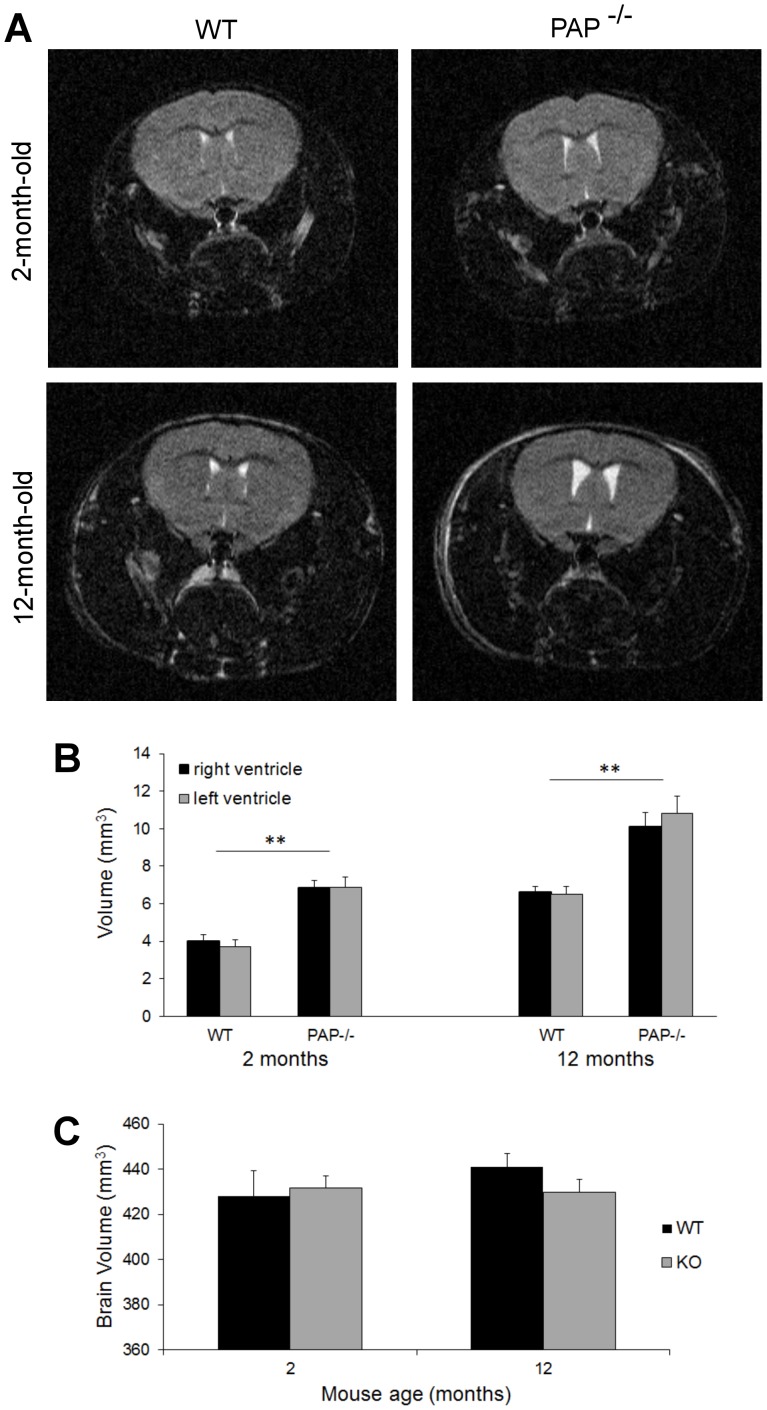
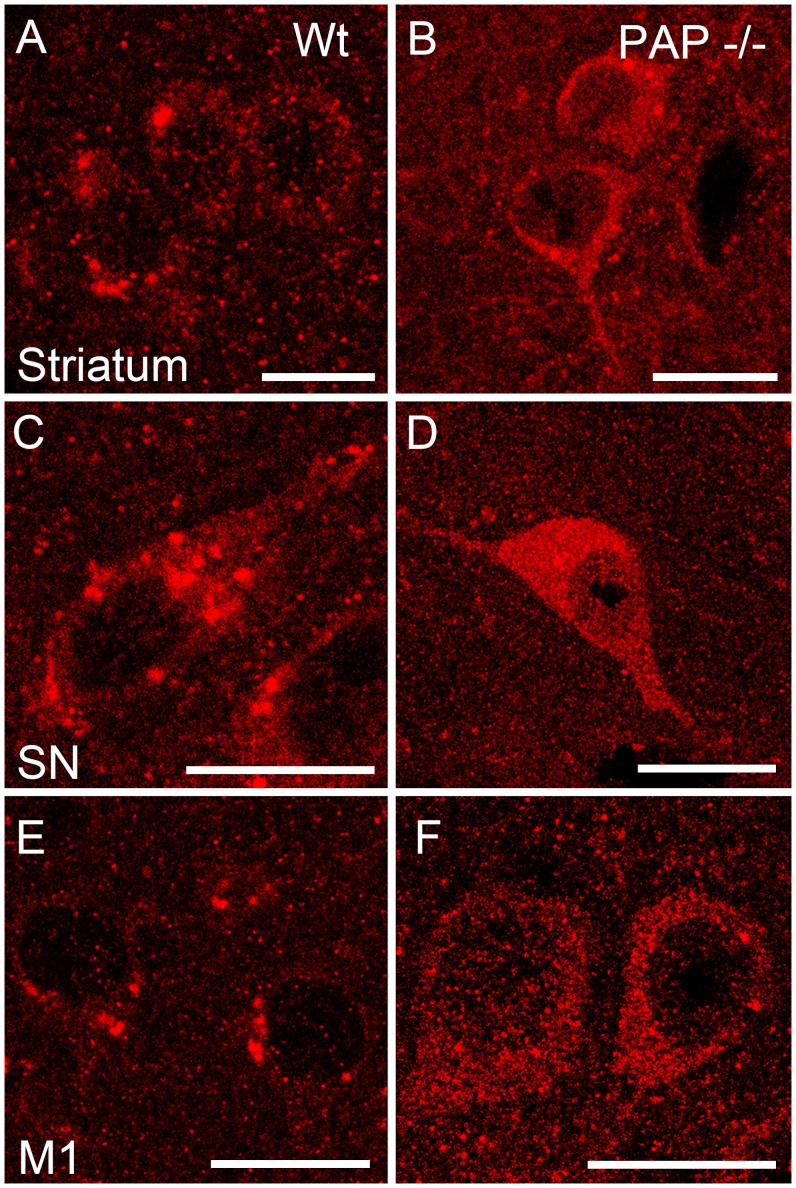
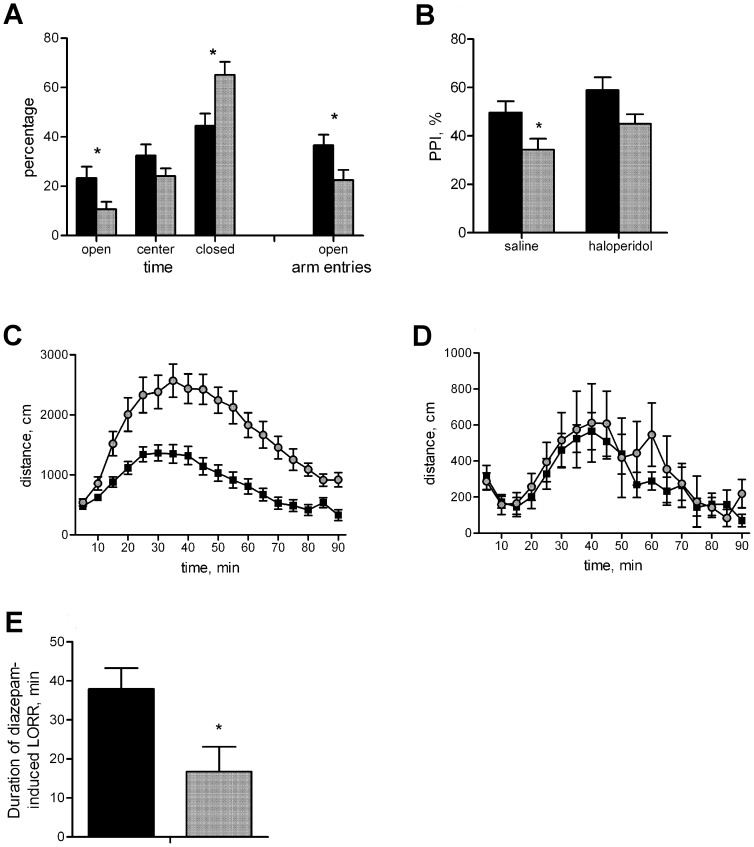
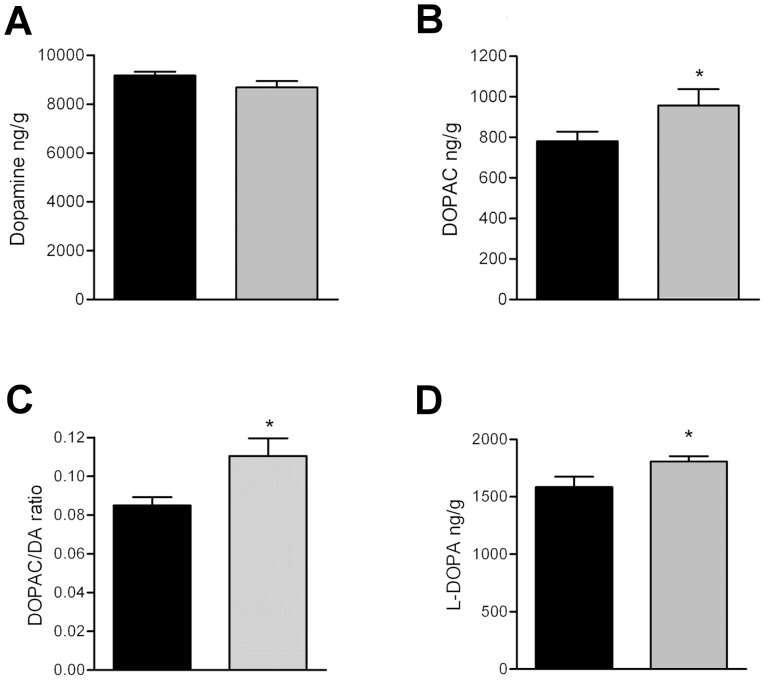
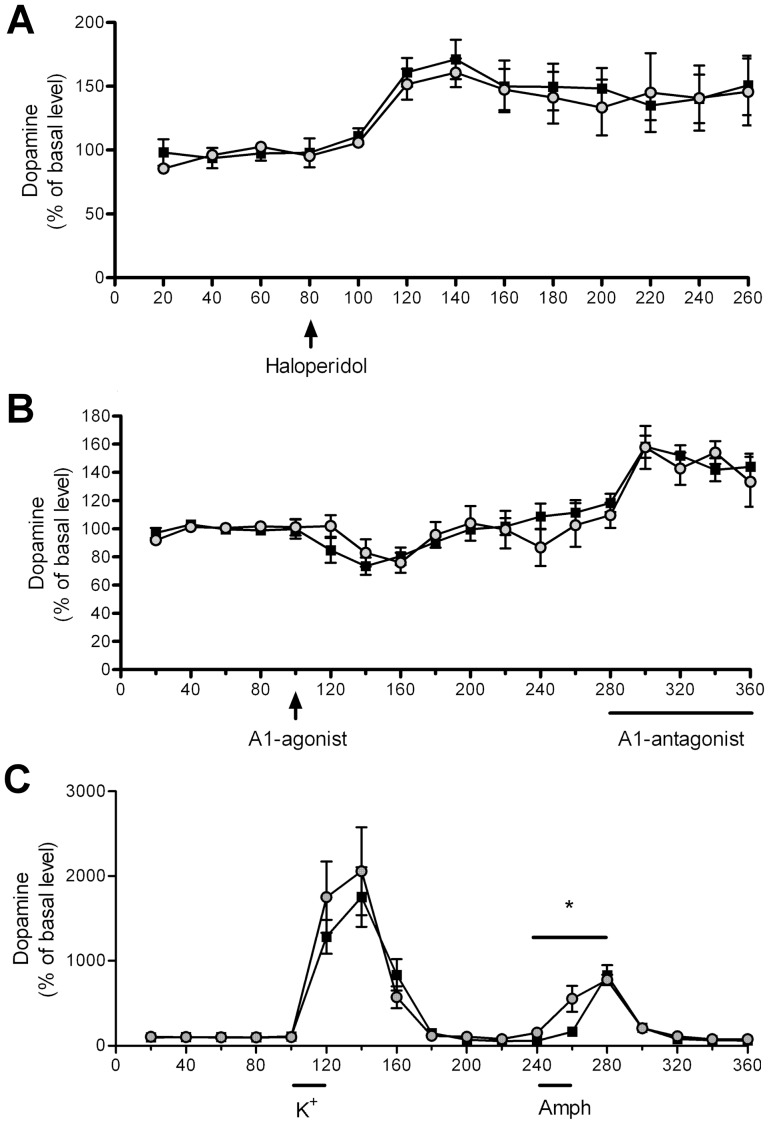
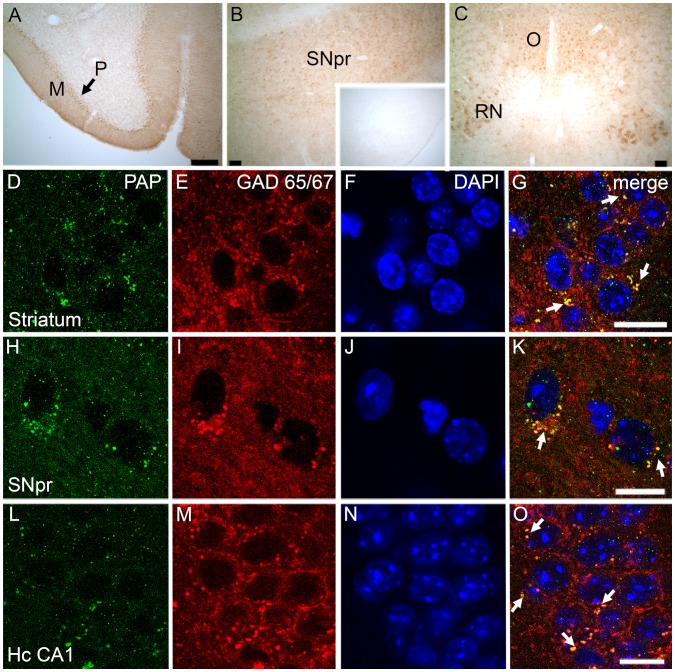
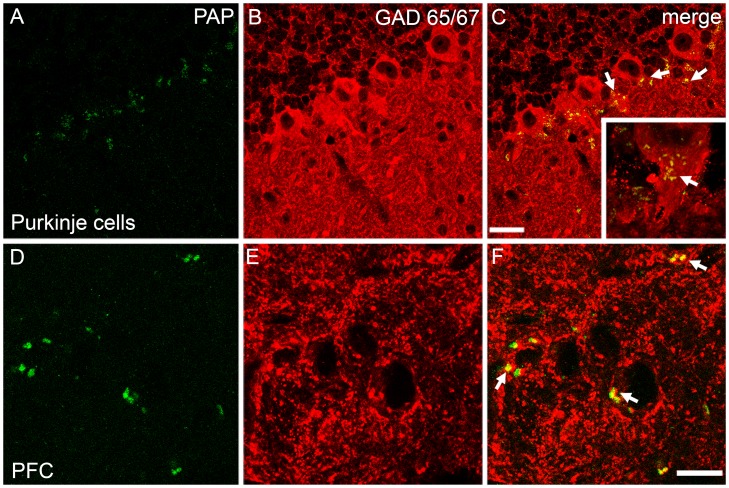
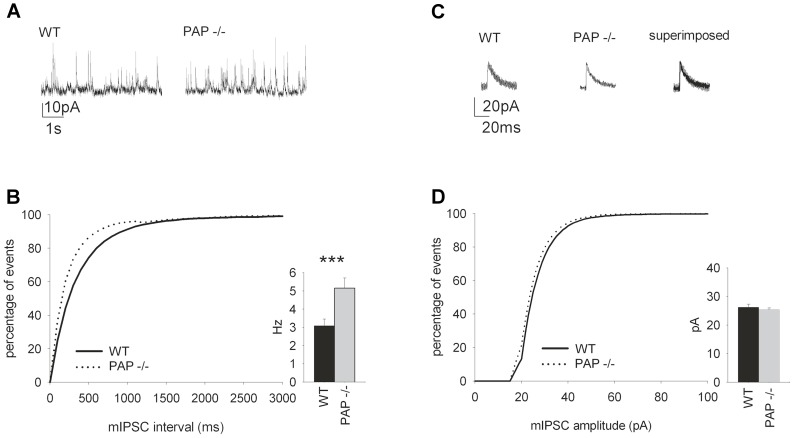
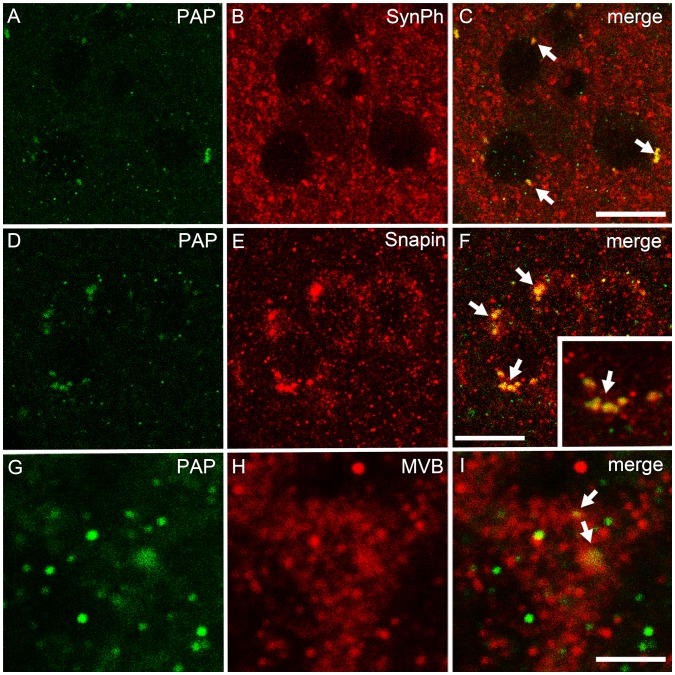
Prostatic acid phosphatase (PAP), the first diagnostic marker and present therapeutic target for prostate cancer, modulates nociception at the dorsal root ganglia (DRG), but its function in the central nervous system has remained unknown. We studied expression and function of TMPAP (the transmembrane isoform of PAP) in the brain by utilizing mice deficient in TMPAP (PAP-/- mice). Here we report that TMPAP is expressed in a subpopulation of cerebral GABAergic neurons, and mice deficient in TMPAP show multiple behavioral and neurochemical features linked to hyperdopaminergic dysregulation and altered GABAergic transmission. In addition to increased anxiety, disturbed prepulse inhibition, increased synthesis of striatal dopamine, and augmented response to amphetamine, PAP-deficient mice have enlarged lateral ventricles, reduced diazepam-induced loss of righting reflex, and increased GABAergic tone in the hippocampus. TMPAP in the mouse brain is localized presynaptically, and colocalized with SNARE-associated protein snapin, a protein involved in synaptic vesicle docking and fusion, and PAP-deficient mice display altered subcellular distribution of snapin. We have previously shown TMPAP to reside in prostatic exosomes and we propose that TMPAP is involved in the control of GABAergic tone in the brain also through exocytosis, and that PAP deficiency produces a distinct neurological phenotype.
前列腺酸性磷酸酶(PAP)是前列腺癌的首个诊断标志物和当前的治疗靶点,它可调节背根神经节(DRG)的伤害感受,但它在中枢神经系统中的功能尚不清楚。我们利用TMPAP缺陷小鼠(PAP-/-小鼠)研究了TMPAP(PAP的跨膜异构体)在大脑中的表达和功能。在此我们报告,TMPAP在大脑中一组γ-氨基丁酸能(GABAergic)神经元中表达,并且TMPAP缺陷小鼠表现出多种与多巴胺能调节异常和GABA能传递改变相关的行为和神经化学特征。除焦虑增加、前脉冲抑制受扰、纹状体多巴胺合成增加以及对苯丙胺的反应增强外,PAP缺陷小鼠还出现侧脑室扩大、地西泮诱导的翻正反射消失减少以及海马体中GABA能张力增加。小鼠大脑中的TMPAP定位于突触前,与参与突触小泡对接和融合的SNARE相关蛋白snapin共定位,并且PAP缺陷小鼠表现出snapin亚细胞分布改变。我们之前已表明TMPAP存在于前列腺外泌体中,我们提出TMPAP还通过胞吐作用参与大脑中GABA能张力的控制,并且PAP缺陷会产生一种独特的神经学表型。