McNaughton Darlene, Duong Thi Thu Huong
Discipline of Public Health, Flinders University, Adelaide, Australia.
Department of Sociology, University of Journalism and Communication, Hanoi, Vietnam.
PLoS Negl Trop Dis. 2014 May 22;8(5):e2794. doi: 10.1371/journal.pntd.0002794. eCollection 2014 May.
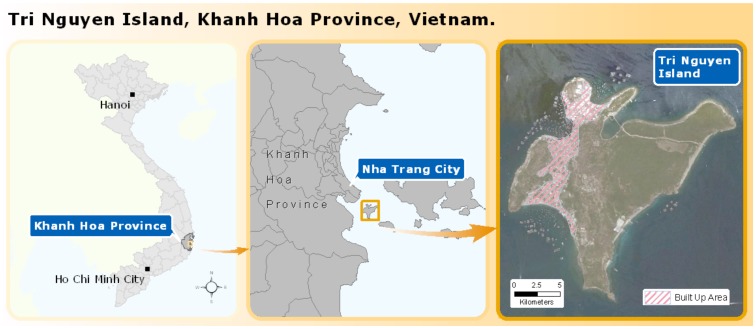
The Wolbachia strategy aims to manipulate mosquito populations to make them incapable of transmitting dengue viruses between people. To test its efficacy, this strategy requires field trials. Public consultation and engagement are recognized as critical to the future success of these programs, but questions remain regarding how to proceed. This paper reports on a case study where social research was used to design a community engagement framework for a new dengue control method, at a potential release site in central Vietnam.
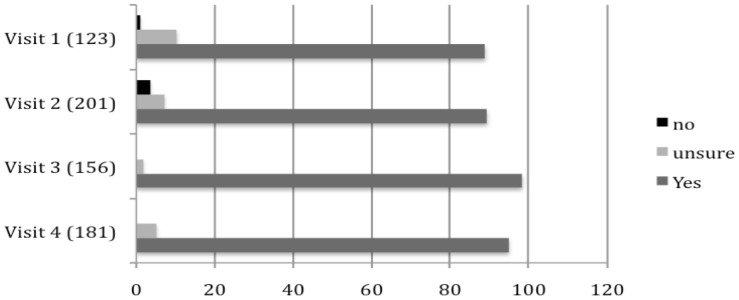
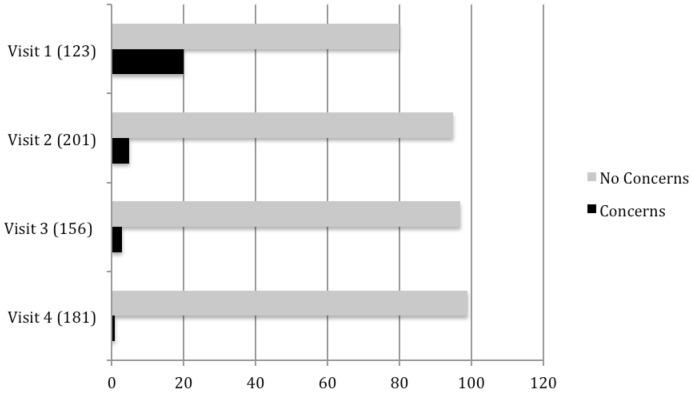
METHODOLOGY/PRINCIPAL FINDINGS: The approach described here, draws on an anthropological methodology and uses both qualitative and quantitative methods to design an engagement framework tailored to the concerns, expectations, and socio-political setting of a potential trial release site for Wolbachia-infected Aedes aegypti mosquitoes. The process, research activities, key findings and how these were responded to are described. Safety of the method to humans and the environment was the most common and significant concern, followed by efficacy and impact on local lives. Residents expected to be fully informed and engaged about the science, the project, its safety, the release and who would be responsible should something go wrong. They desired a level of engagement that included regular updates and authorization from government and at least one member of every household at the release site.
CONCLUSIONS/SIGNIFICANCE: Results demonstrate that social research can provide important and reliable insights into public concerns and expectations at a potential release site, as well as guidance on how these might be addressed. Findings support the argument that using research to develop more targeted, engagement frameworks can lead to more sensitive, thorough, culturally comprehensible and therefore ethical consultation processes. This approach has now been used successfully to seek public input and eventually support for releases Wolbachia-infected mosquitoes, in two different international settings--Australia and Vietnam.
沃尔巴克氏体策略旨在控制蚊子种群,使其无法在人与人之间传播登革热病毒。为测试其效果,该策略需要进行实地试验。公众咨询和参与被认为对这些项目未来的成功至关重要,但如何推进仍存在问题。本文报告了一个案例研究,即在越南中部一个潜在的释放地点,利用社会研究为一种新的登革热控制方法设计社区参与框架。
方法/主要发现:这里描述的方法借鉴了人类学方法,使用定性和定量方法来设计一个参与框架,该框架针对感染沃尔巴克氏体的埃及伊蚊潜在试验释放地点的关注点、期望和社会政治背景量身定制。描述了该过程、研究活动、主要发现以及对这些发现的应对措施。该方法对人类和环境的安全性是最常见且最重要的关注点,其次是效果以及对当地生活的影响。居民期望全面了解该科学、项目、其安全性、释放情况以及如果出问题谁将负责。他们希望参与程度包括定期更新信息以及获得政府和释放地点每户至少一名成员的授权。
结论/意义:结果表明,社会研究可以为潜在释放地点的公众关注点和期望提供重要且可靠的见解,以及关于如何解决这些问题的指导。研究结果支持这样的观点,即利用研究来制定更具针对性的参与框架可以带来更敏感、全面、文化上可理解且符合伦理的咨询过程。这种方法现已成功用于在澳大利亚和越南这两个不同的国际环境中寻求公众对释放感染沃尔巴克氏体蚊子的意见并最终获得支持。