Sangenis Luiz Henrique Conde, Lima Sebastião Roberto de Almeida, de Mello Cíntia Xavier, Cardoso Daniela Trindade, Mello Jurema Nunes, Santo Maria Cristina Carvalho do Espírito, Tavares Walter
Discipline of Infectious and Parasitic Diseases, School of Medicine at the University Center of Volta Redonda, State of Rio de Janeiro, Brazil.
Discipline of Pediatrics, School of Medicine at the University Center of Volta Redonda, State of Rio de Janeiro, Brazil.
Rev Inst Med Trop Sao Paulo. 2014 May-Jun;56(3):271-4. doi: 10.1590/s0036-46652014000300015.
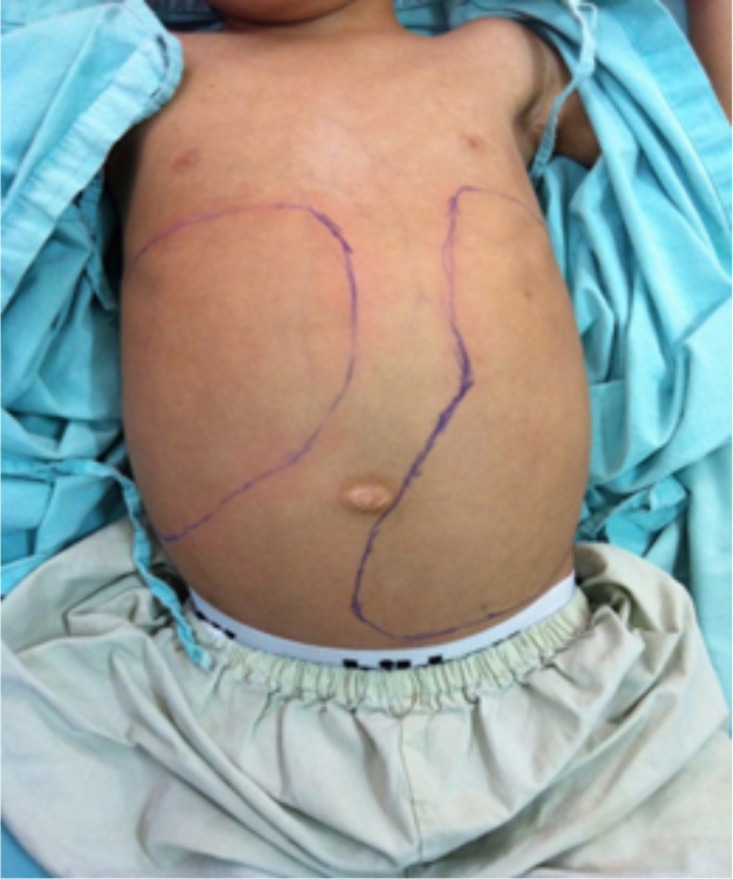
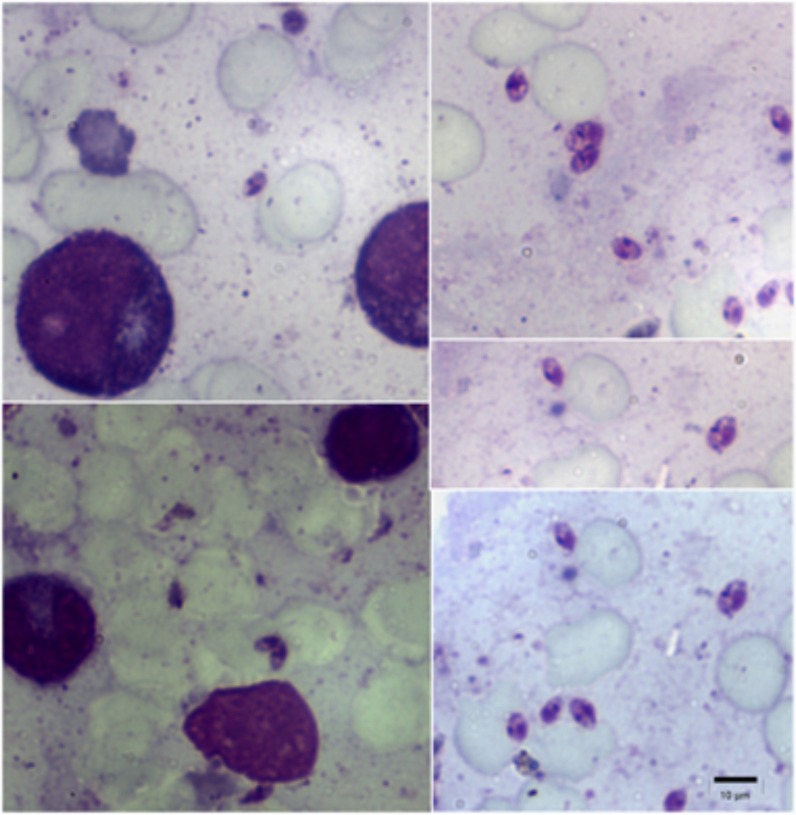
Visceral Leishmaniasis has been showing remarkable epidemiological changes in recent decades, with marked expansion and an emergence of cases in urban areas of the North, Southeast and Midwest regions of Brazil. The Kala-azar cases reported here, despite being very characteristic, presented a great difficulty of diagnosis, because the disease is not endemic in Volta Redonda. The child underwent two hospitalizations in different hospitals, but got the correct diagnosis only after 11 months of symptom onset. In this report we discuss the main differential diagnoses and call attention to the suspected symptoms of visceral leishmaniasis in patients with prolonged fever, hepatosplenomegaly and pancytopenia, even in areas not traditionally endemic for the disease.
近几十年来,内脏利什曼病呈现出显著的流行病学变化,在巴西北部、东南部和中西部地区的城市地区病例显著增加且有新发病例出现。这里报告的黑热病病例尽管非常典型,但诊断却极具难度,因为沃尔塔雷东达并非该病的流行地区。该患儿在不同医院住院两次,但直到症状出现11个月后才得到正确诊断。在本报告中,我们讨论了主要的鉴别诊断,并提醒注意,即使在该病传统上并非流行地区,对于长期发热、肝脾肿大和全血细胞减少的患者,也要警惕内脏利什曼病的可疑症状。