Papakostas Spiros, Vøllestad L Asbjørn, Bruneaux Matthieu, Aykanat Tutku, Vanoverbeke Joost, Ning Mei, Primmer Craig R, Leder Erica H
Division of Genetics and Physiology, Department of Biology, University of Turku, Pharmacity, Itäinen Pitkäkatu 4, 20520 Turku, Finland.
Centre for Ecological and Evolutionary Synthesis (CEES), Department of Biosciences, University of Oslo, P.O. Box 1066 Blindern, NO-0316 Oslo, Norway.
Nat Commun. 2014 Jun 3;5:4071. doi: 10.1038/ncomms5071.
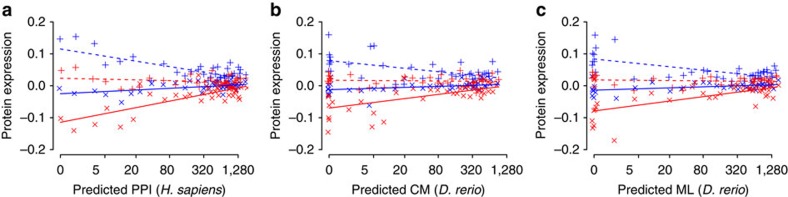
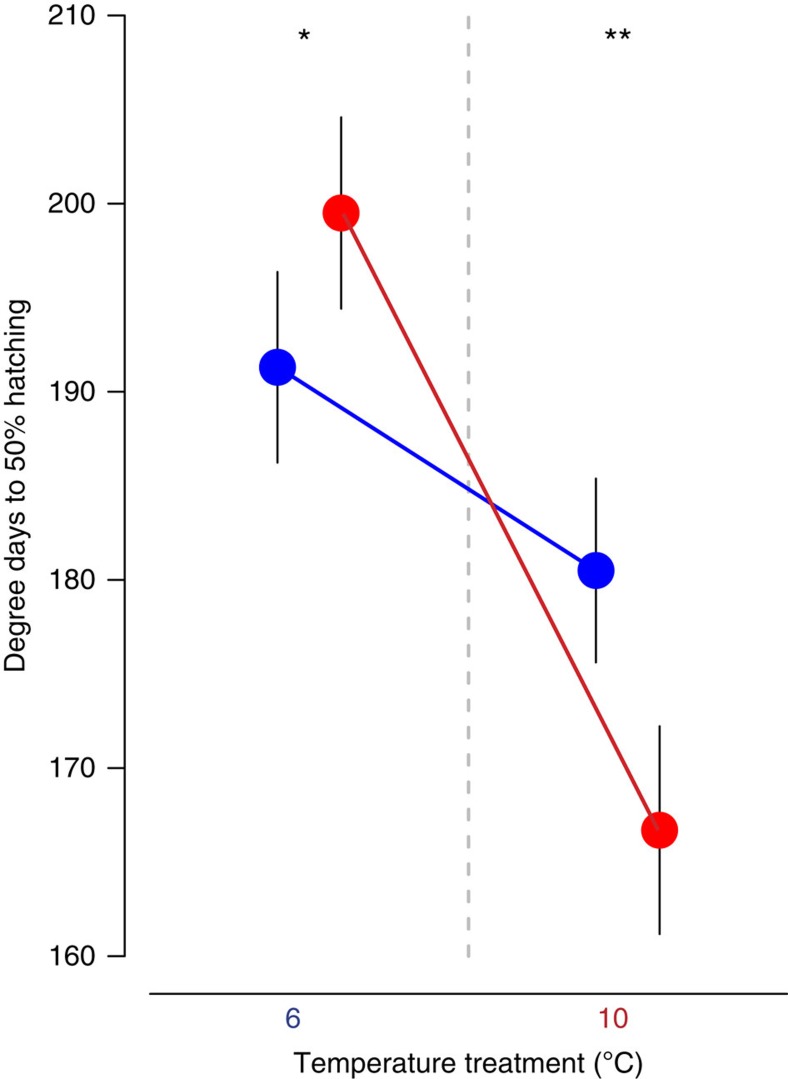
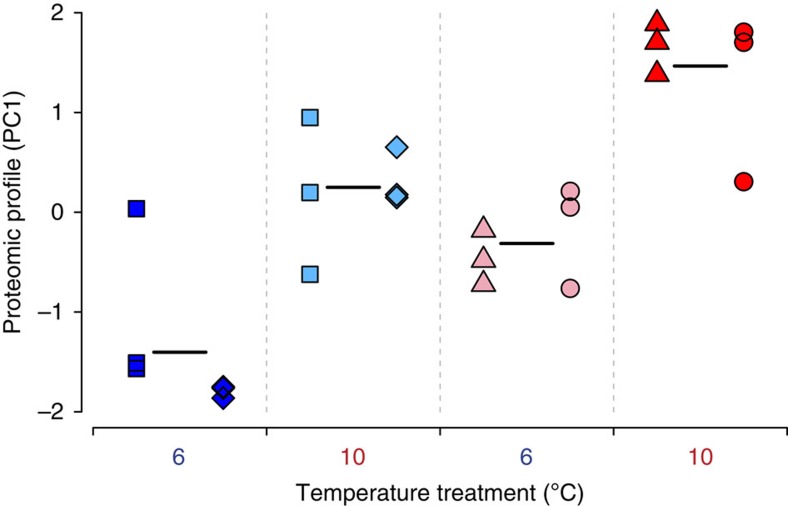
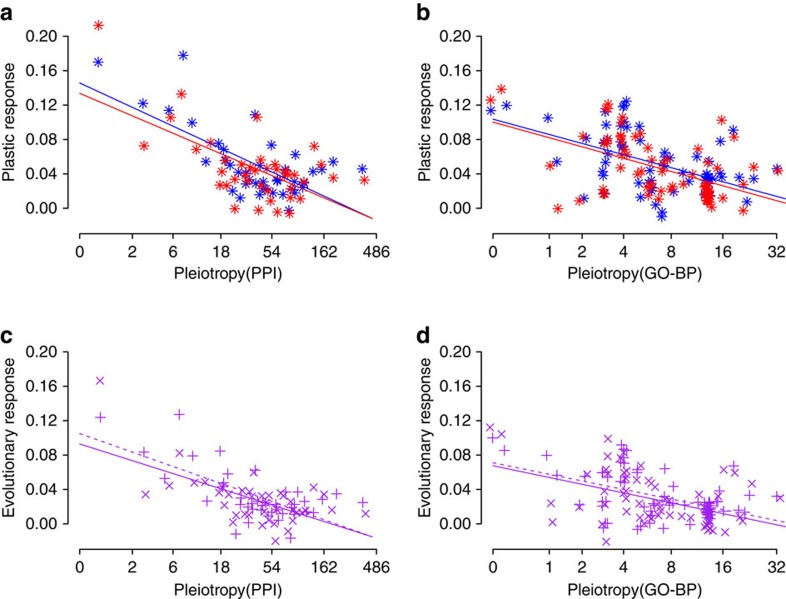
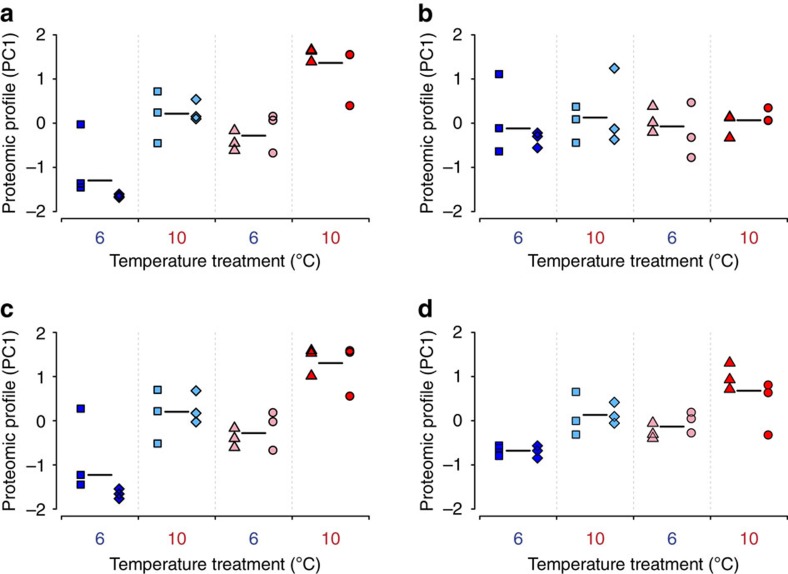
Understanding the factors that shape the evolution of gene expression is a central goal in biology, but the molecular mechanisms behind this remain controversial. A related major goal is ascertaining how such factors may affect the adaptive potential of a species or population. Here we demonstrate that temperature-driven gene expression changes in fish adapted to differing thermal environments are constrained by the level of gene pleiotropy estimated by either the number of protein interactions or gene biological processes. Genes with low pleiotropy levels were the main drivers of both plastic and evolutionary global expression profile changes, while highly pleiotropic genes had limited expression response to temperature treatment. Our study provides critical insights into the molecular mechanisms by which natural populations can adapt to changing environments. In addition to having important implications for climate change adaptation, these results suggest that gene pleiotropy should be considered more carefully when interpreting expression profiling data.