Haemmig S, Baumgartner U, Glück A, Zbinden S, Tschan M P, Kappeler A, Mariani L, Vajtai I, Vassella E
Institut für Pathologie, University of Bern, Bern, Switzerland.
Klinik und Poliklinik, University Hospital Basel, Basel, Switzerland.
Cell Death Dis. 2014 Jun 5;5(6):e1279. doi: 10.1038/cddis.2014.245.
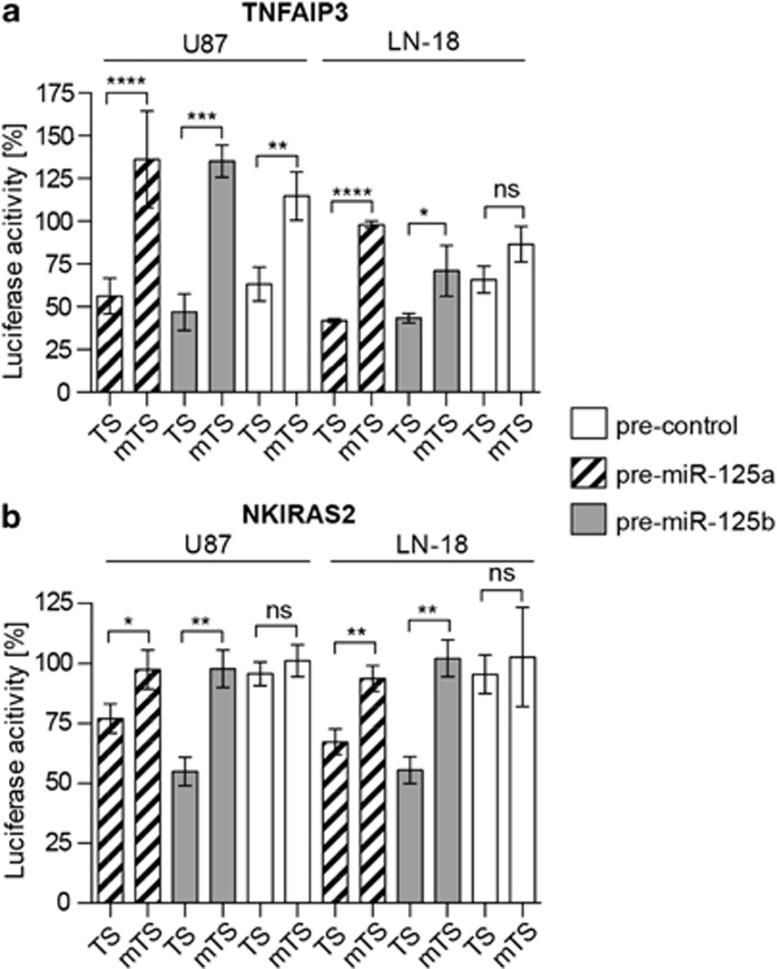
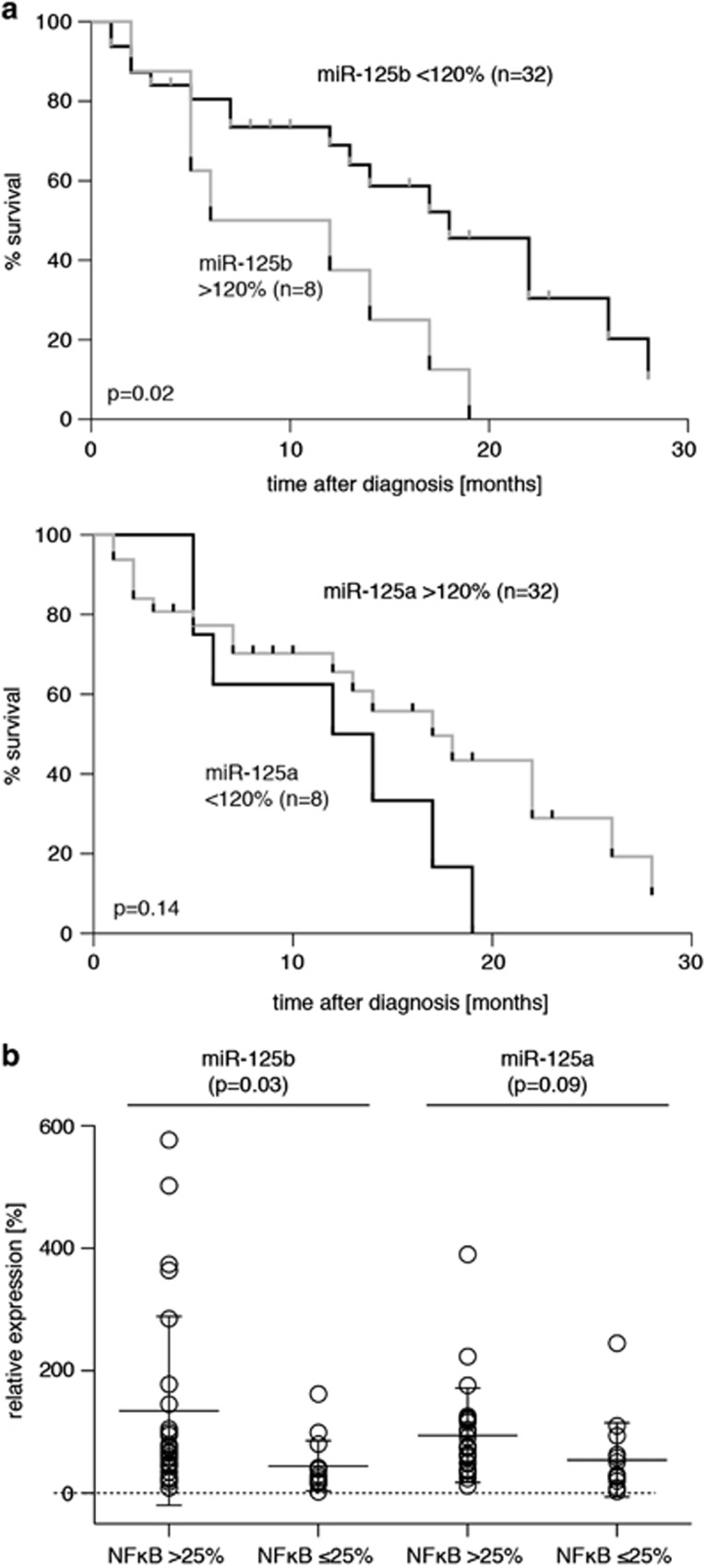
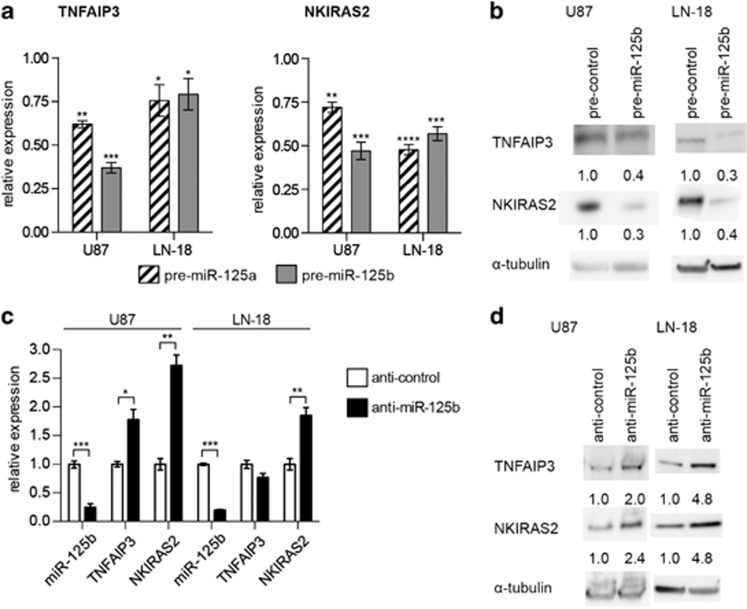
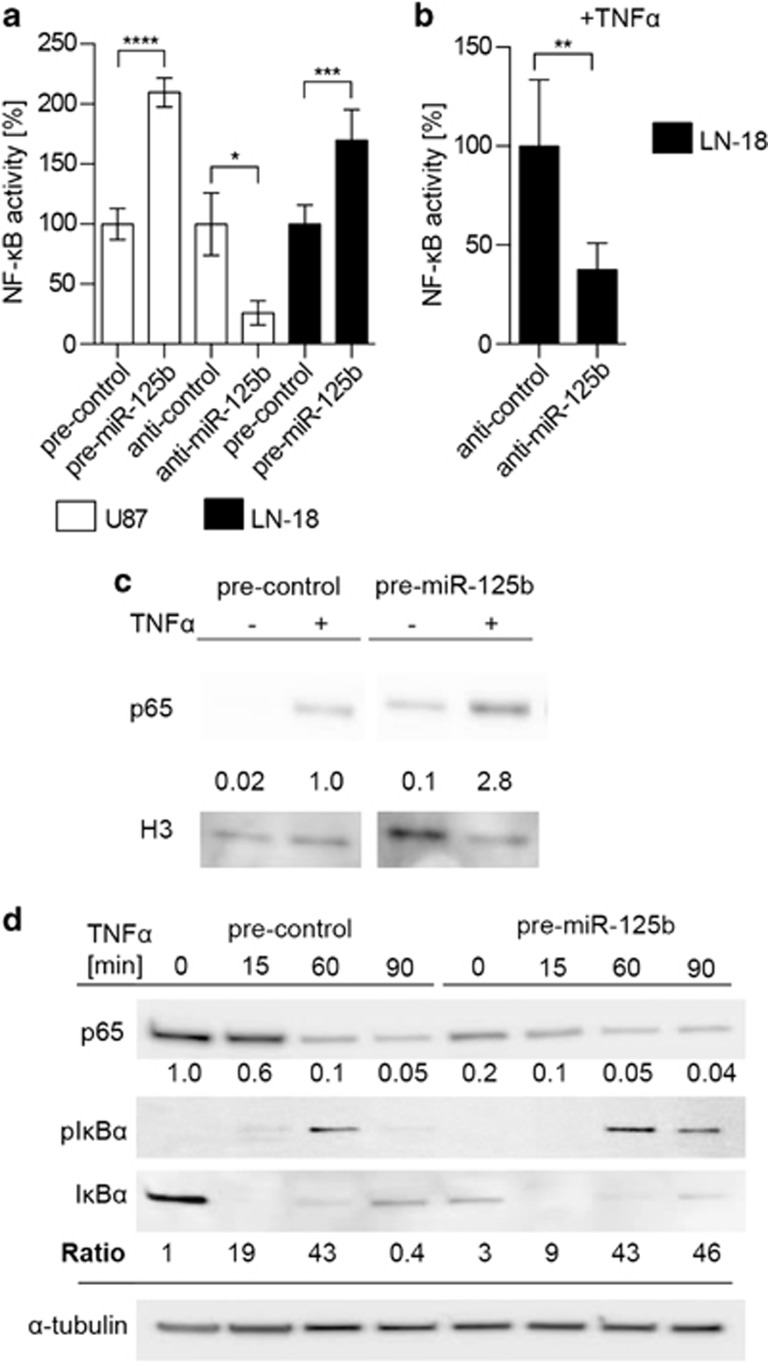
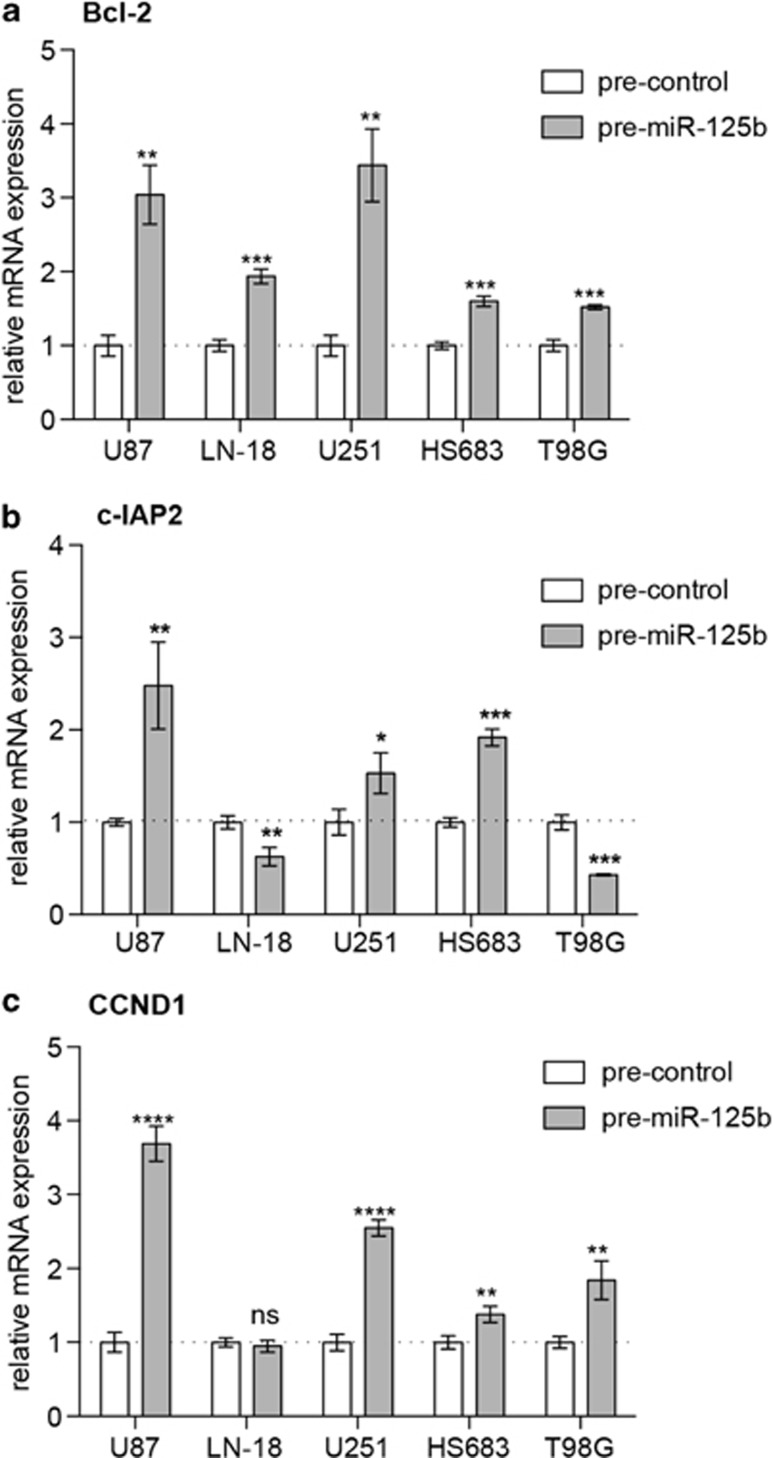
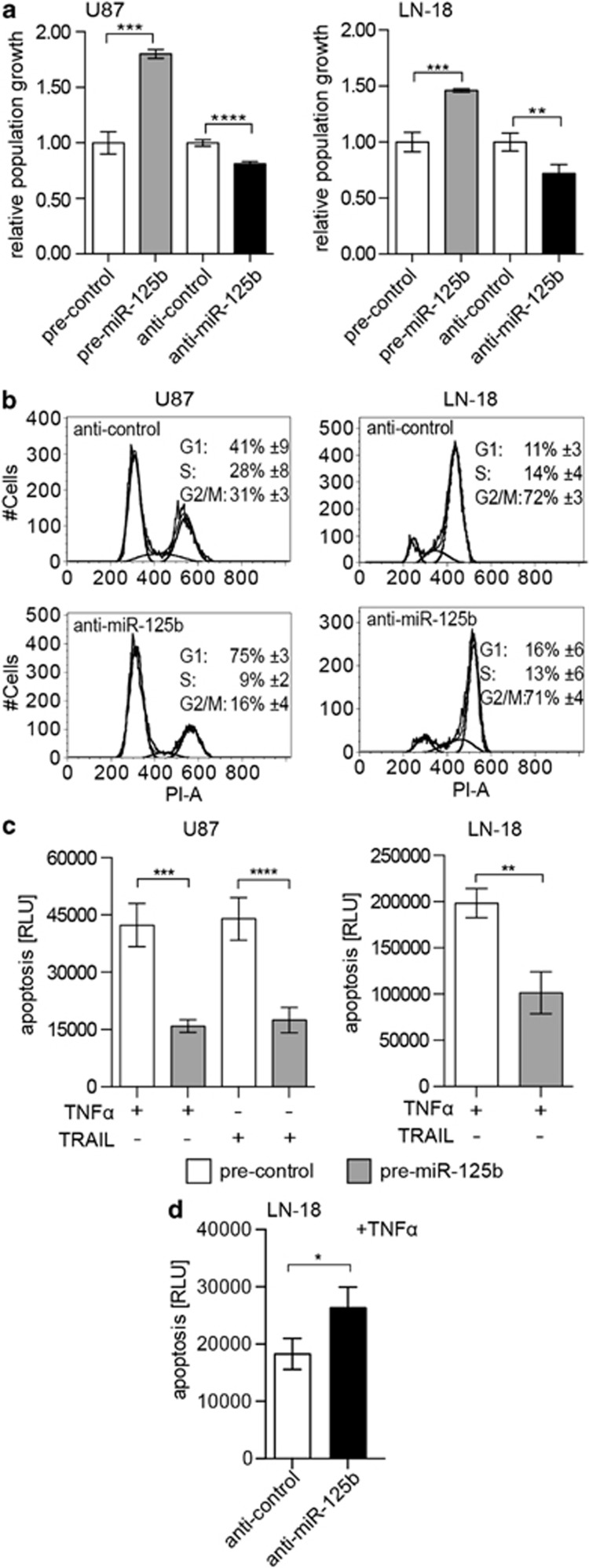
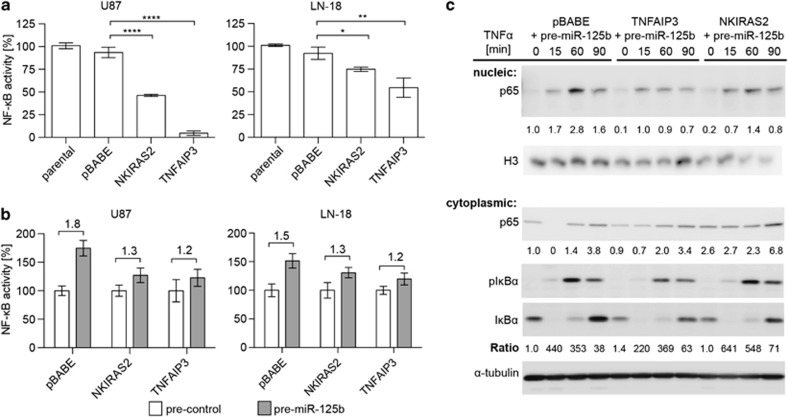
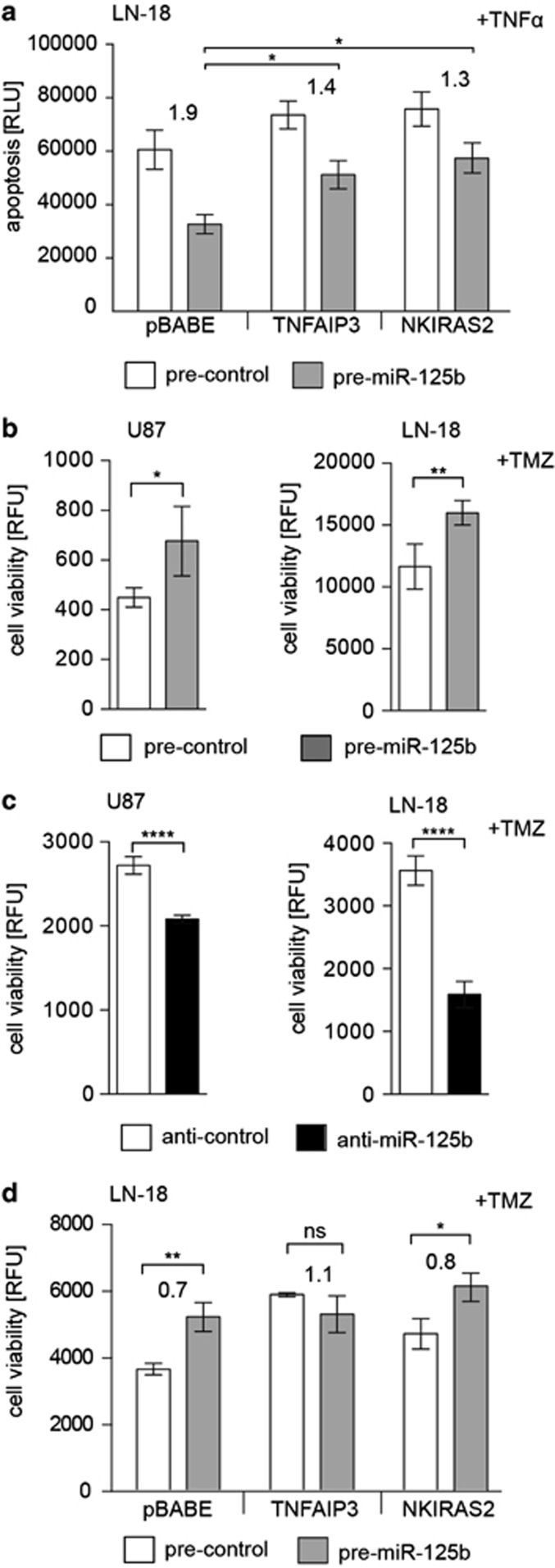
Diffusely infiltrating gliomas are among the most prognostically discouraging neoplasia in human. Temozolomide (TMZ) in combination with radiotherapy is currently used for the treatment of glioblastoma (GBM) patients, but less than half of the patients respond to therapy and chemoresistance develops rapidly. Epigenetic silencing of the O(6)-methylguanine-DNA methyltransferase (MGMT) has been associated with longer survival in GBM patients treated with TMZ, but nuclear factor κB (NF-κB)-mediated survival signaling and TP53 mutations contribute significantly to TMZ resistance. Enhanced NF-κB is in part owing to downregulation of negative regulators of NF-κB activity, including Tumor necrosis factor alpha-induced protein 3 (TNFAIP3) and NF-κB inhibitor interacting RAS-like 2 (NKIRAS2). Here we provide a novel mechanism independent of TP53 and MGMT by which oncogenic miR-125b confers TMZ resistance by targeting TNFAIP3 and NKIRAS2. GBM cells overexpressing miR-125b showed increased NF-κB activity and upregulation of anti-apoptotic and cell cycle genes. This was significantly associated with resistance of GBM cells to TNFα- and TNF-related inducing ligand-induced apoptosis as well as resistance to TMZ. Conversely, overexpression of anti-miR-125b resulted in cell cycle arrest, increased apoptosis and increased sensitivity to TMZ, indicating that endogenous miR-125b is sufficient to control these processes. GBM cells overexpressing TNFAIP3 and NKIRAS2 were refractory to miR-125b-induced apoptosis resistance as well as TMZ resistance, indicating that both genes are relevant targets of miR-125b. In GBM tissues, high miR-125b expression was significantly correlated with nuclear NF-κB confirming that miR-125b is implicated in NF-κB signaling. Most remarkably, miR-125b overexpression was clearly associated with shorter overall survival of patients treated with TMZ, suggesting that this microRNA is an important predictor of response to therapy.
弥漫性浸润性胶质瘤是人类预后最不乐观的肿瘤之一。替莫唑胺(TMZ)联合放疗目前用于治疗胶质母细胞瘤(GBM)患者,但不到一半的患者对治疗有反应,且化疗耐药性迅速发展。O(6)-甲基鸟嘌呤-DNA甲基转移酶(MGMT)的表观遗传沉默与接受TMZ治疗的GBM患者更长的生存期相关,但核因子κB(NF-κB)介导的生存信号和TP53突变对TMZ耐药性有显著影响。NF-κB增强部分归因于NF-κB活性负调节因子的下调,包括肿瘤坏死因子α诱导蛋白3(TNFAIP3)和NF-κB抑制剂相互作用RAS样2(NKIRAS2)。在这里,我们提供了一种独立于TP53和MGMT的新机制,致癌性miR-125b通过靶向TNFAIP3和NKIRAS2赋予TMZ耐药性。过表达miR-125b的GBM细胞显示NF-κB活性增加以及抗凋亡和细胞周期基因上调。这与GBM细胞对肿瘤坏死因子α和肿瘤坏死因子相关诱导配体诱导的凋亡的耐药性以及对TMZ的耐药性显著相关。相反,抗miR-125b的过表达导致细胞周期停滞、凋亡增加以及对TMZ的敏感性增加,表明内源性miR-125b足以控制这些过程。过表达TNFAIP3和NKIRAS2的GBM细胞对miR-125b诱导的凋亡耐药性以及TMZ耐药性均不敏感,表明这两个基因都是miR-125b的相关靶点。在GBM组织中,高miR-125b表达与核NF-κB显著相关,证实miR-125b参与NF-κB信号传导。最值得注意的是,miR-125b过表达明显与接受TMZ治疗患者的总生存期缩短相关,表明这种微小RNA是治疗反应的重要预测指标。