Department of Biochemistry and Molecular Biology and ‡Department of Chemistry, The Pennsylvania State University , University Park, Pennsylvania 16802, United States.
Biochemistry. 2014 Jul 22;53(28):4557-72. doi: 10.1021/bi500432r. Epub 2014 Jul 10.
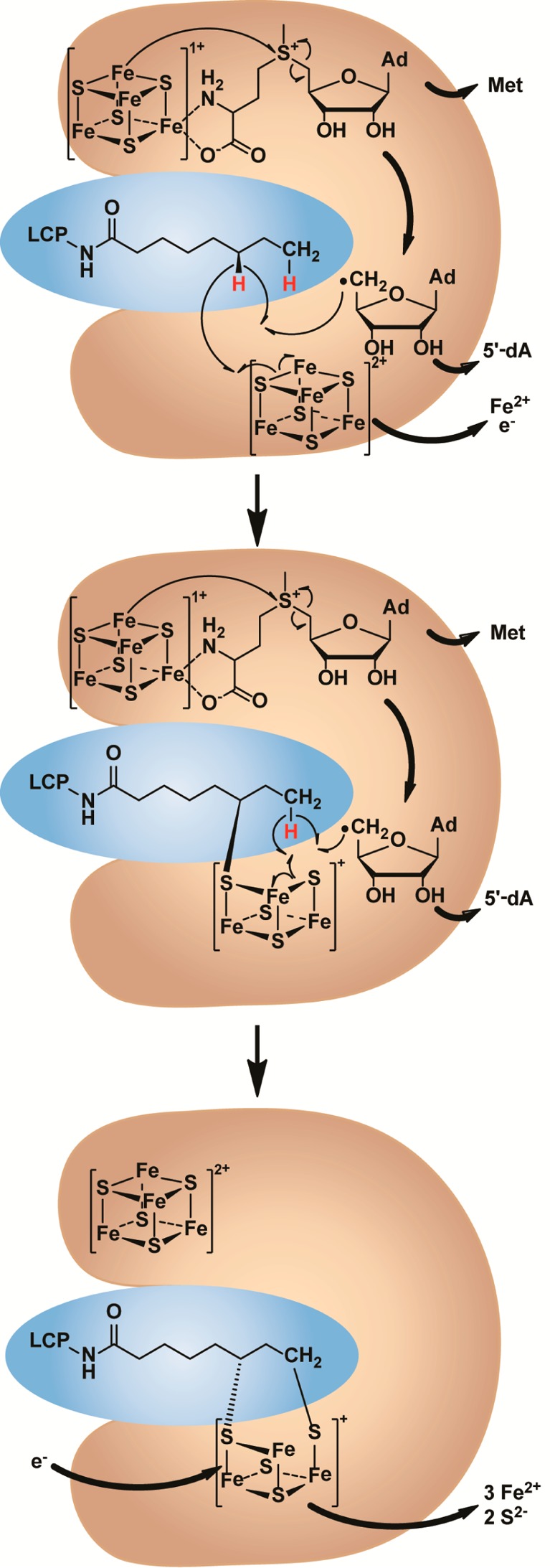
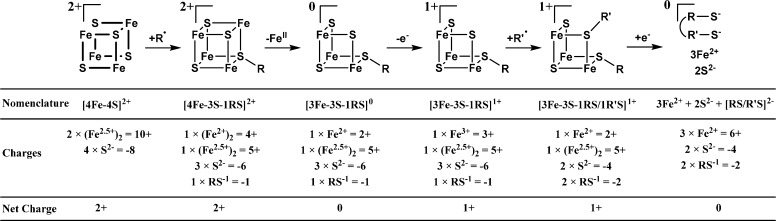
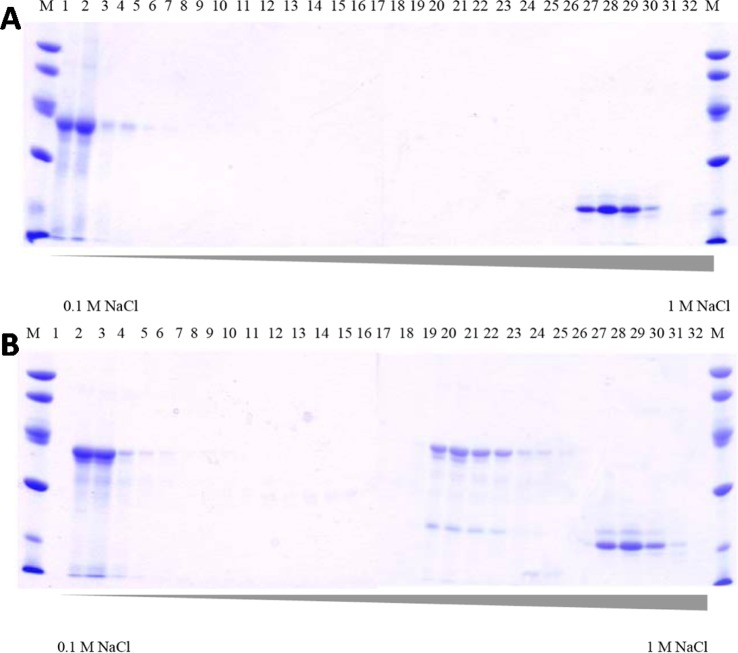
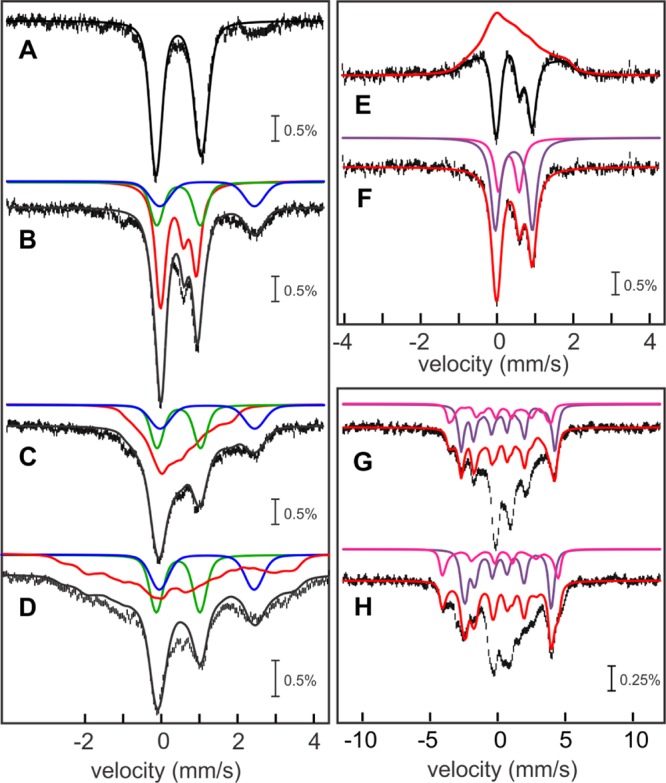
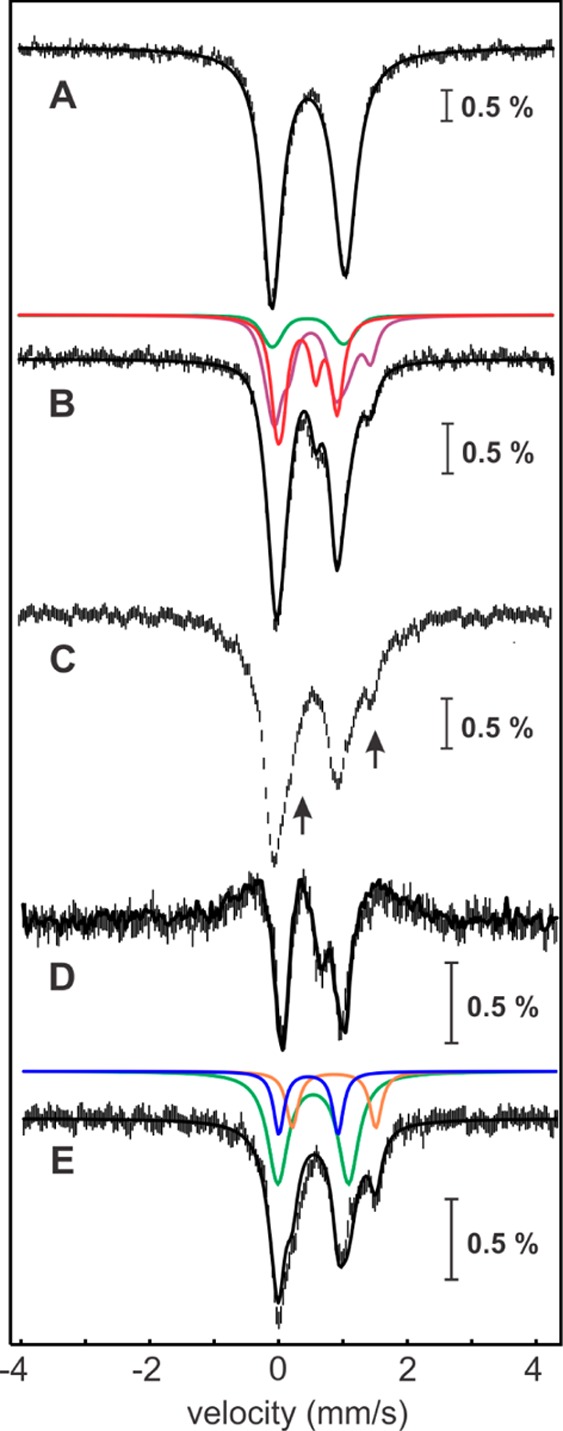
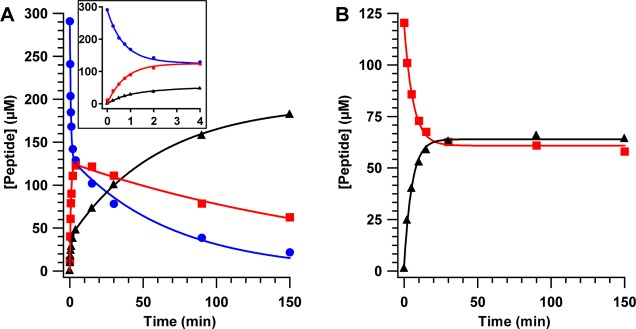
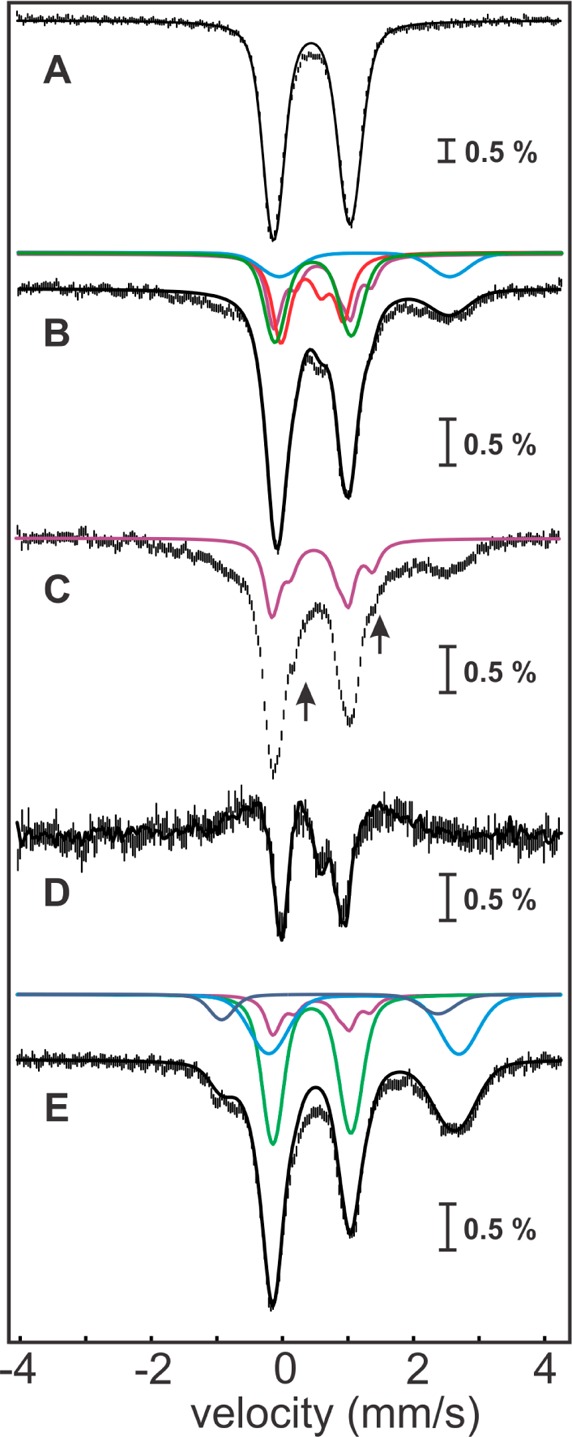
Lipoyl synthase (LS) catalyzes the final step in lipoyl cofactor biosynthesis: the insertion of two sulfur atoms at C6 and C8 of an (N(6)-octanoyl)-lysyl residue on a lipoyl carrier protein (LCP). LS is a member of the radical SAM superfamily, enzymes that use a [4Fe-4S] cluster to effect the reductive cleavage of S-adenosyl-l-methionine (SAM) to l-methionine and a 5'-deoxyadenosyl 5'-radical (5'-dA(•)). In the LS reaction, two equivalents of 5'-dA(•) are generated sequentially to abstract hydrogen atoms from C6 and C8 of the appended octanoyl group, initiating sulfur insertion at these positions. The second [4Fe-4S] cluster on LS, termed the auxiliary cluster, is proposed to be the source of the inserted sulfur atoms. Herein, we provide evidence for the formation of a covalent cross-link between LS and an LCP or synthetic peptide substrate in reactions in which insertion of the second sulfur atom is slowed significantly by deuterium substitution at C8 or by inclusion of limiting concentrations of SAM. The observation that the proteins elute simultaneously by anion-exchange chromatography but are separated by aerobic SDS-PAGE is consistent with their linkage through the auxiliary cluster that is sacrificed during turnover. Generation of the cross-linked species with a small, unlabeled (N(6)-octanoyl)-lysyl-containing peptide substrate allowed demonstration of both its chemical and kinetic competence, providing strong evidence that it is an intermediate in the LS reaction. Mössbauer spectroscopy of the cross-linked intermediate reveals that one of the [4Fe-4S] clusters, presumably the auxiliary cluster, is partially disassembled to a 3Fe-cluster with spectroscopic properties similar to those of reduced 3Fe-4S clusters.
硫辛酰基合酶(LS)催化硫辛酰辅酶生物合成的最后一步:在连接在脂酰载体蛋白(LCP)上的(N(6)-辛酰基)-赖氨酸残基的 C6 和 C8 位置插入两个硫原子。LS 是自由基 SAM 超家族的成员,该酶使用 [4Fe-4S] 簇来实现 S-腺苷-L-甲硫氨酸(SAM)的还原裂解,生成 L-甲硫氨酸和 5'-脱氧腺苷 5'-自由基(5'-dA(•))。在 LS 反应中,依次生成两个当量的 5'-dA(•),从附加的辛酰基的 C6 和 C8 上抽氢原子,从而在这些位置开始硫插入。LS 上的第二个 [4Fe-4S] 簇,称为辅助簇,被认为是插入硫原子的来源。本文提供了证据,表明在插入第二个硫原子的反应中,C8 上的氘取代或 SAM 浓度限制会显著减缓插入反应,此时 LS 与 LCP 或合成肽底物之间形成了共价交联。阴离子交换层析中蛋白质同时洗脱,但在有氧 SDS-PAGE 中分离,这与它们通过辅助簇连接一致,该簇在周转过程中被牺牲。使用小的、未标记的(N(6)-辛酰基)-赖氨酸肽底物生成交联物种,证明了其化学和动力学能力,这为其是 LS 反应的中间产物提供了强有力的证据。交联中间产物的穆斯堡尔光谱表明,其中一个 [4Fe-4S] 簇,可能是辅助簇,部分解组装为具有与还原 3Fe-4S 簇相似光谱特性的 3Fe-簇。