Chan Shiu-Wan
Faculty of Life Sciences, The University of Manchester Manchester, UK.
Front Microbiol. 2014 May 20;5:233. doi: 10.3389/fmicb.2014.00233. eCollection 2014.
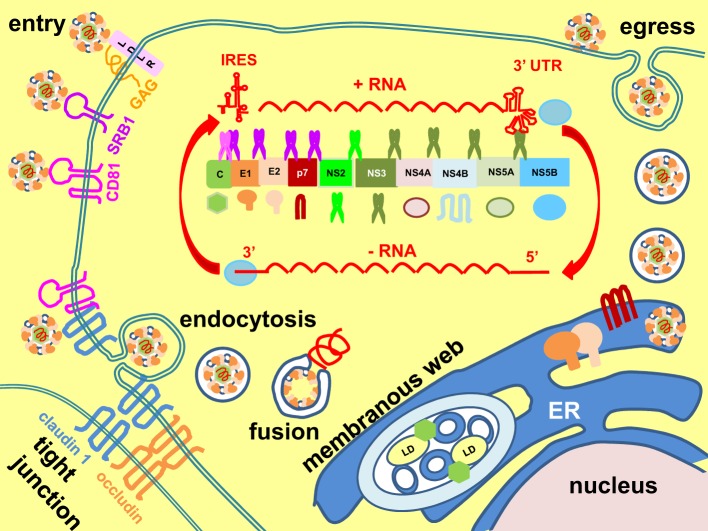
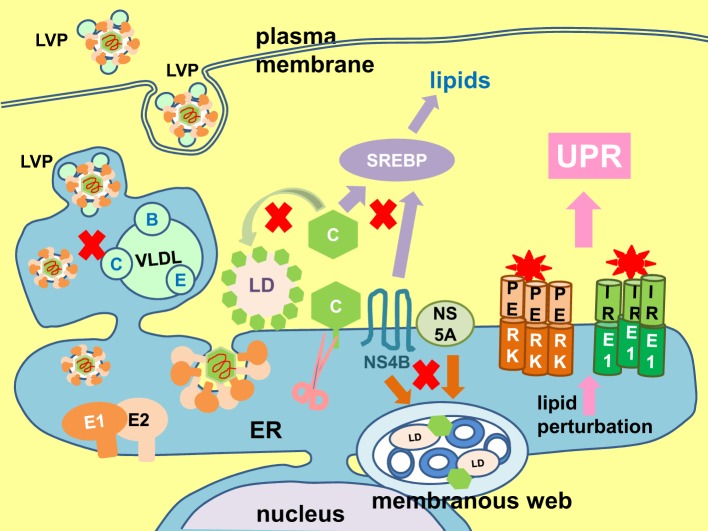
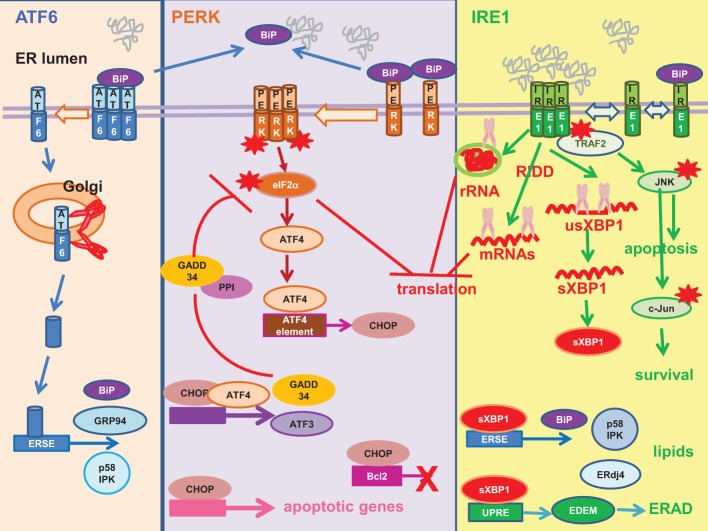
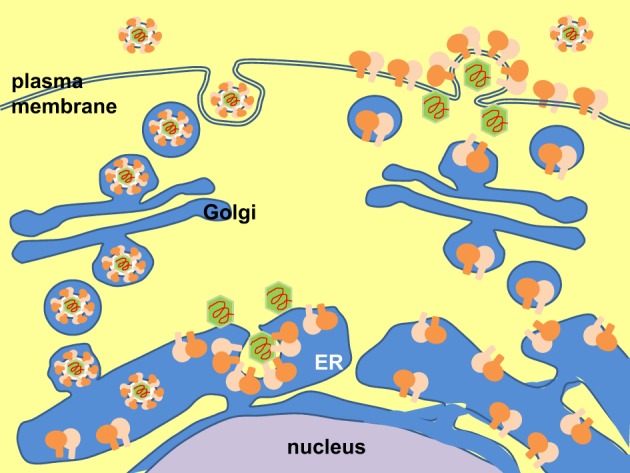
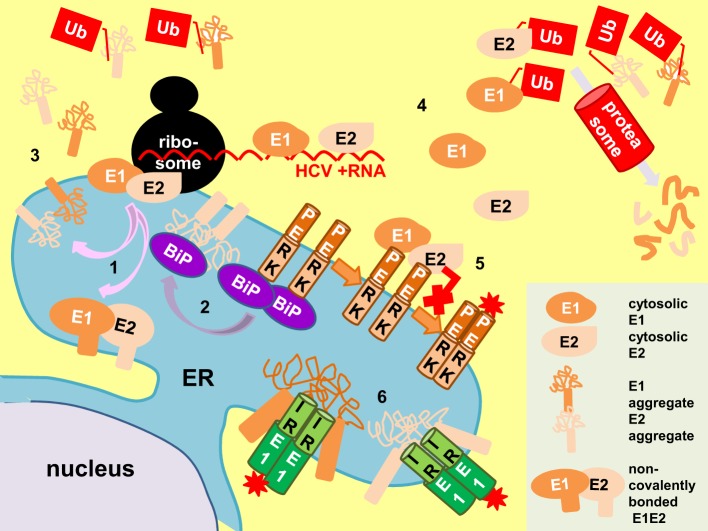
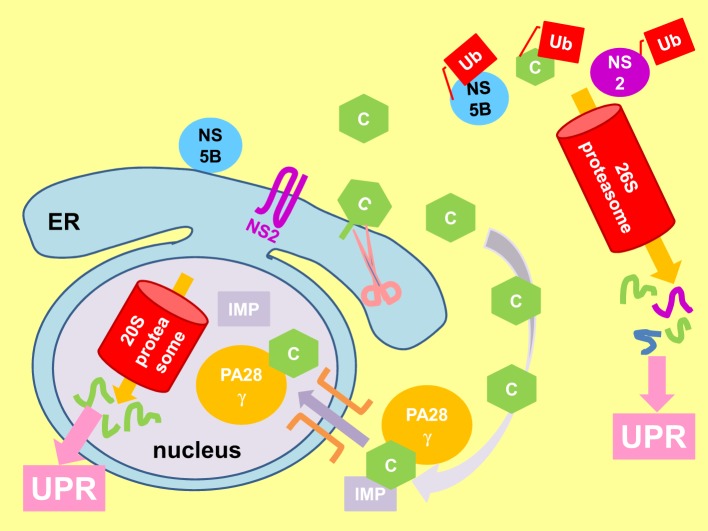
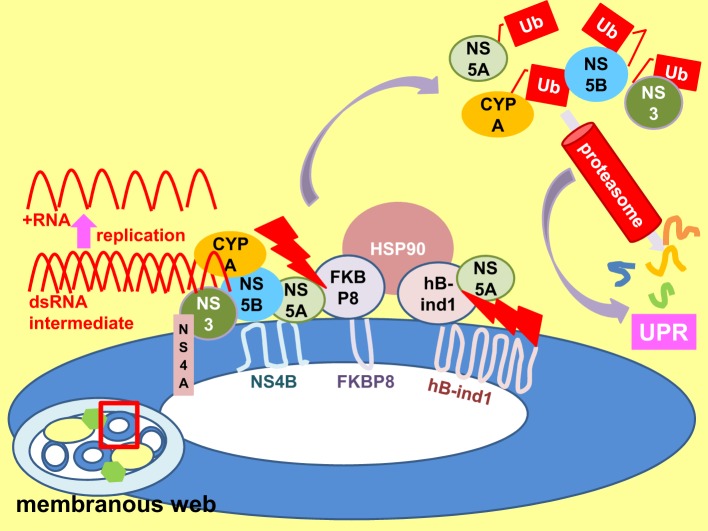
Hepatitis C virus (HCV) is a single-stranded, positive-sense RNA virus of clinical importance. The virus establishes a chronic infection and can progress from chronic hepatitis, steatosis to fibrosis, cirrhosis, and hepatocellular carcinoma (HCC). The mechanisms of viral persistence and pathogenesis are poorly understood. Recently the unfolded protein response (UPR), a cellular homeostatic response to endoplasmic reticulum (ER) stress, has emerged to be a major contributing factor in many human diseases. It is also evident that viruses interact with the host UPR in many different ways and the outcome could be pro-viral, anti-viral or pathogenic, depending on the particular type of infection. Here we present evidence for the elicitation of chronic ER stress in HCV infection. We analyze the UPR signaling pathways involved in HCV infection, the various levels of UPR regulation by different viral proteins and finally, we propose several mechanisms by which the virus provokes the UPR.
丙型肝炎病毒(HCV)是一种具有临床重要性的单链正义RNA病毒。该病毒会引发慢性感染,并可从慢性肝炎、脂肪变性发展为纤维化、肝硬化和肝细胞癌(HCC)。目前对病毒持续存在和发病机制的了解尚少。最近,未折叠蛋白反应(UPR)作为细胞对内质网(ER)应激的一种稳态反应方式已成为许多人类疾病的主要促成因素之一。同样明显的是,病毒以多种不同方式与宿主的UPR相互作用,其结果可能是促进病毒感染、抗病毒或致病,这取决于特定的感染类型。在此,我们提供了HCV感染引发慢性内质网应激的证据。我们分析了HCV感染中涉及的UPR信号通路、不同病毒蛋白对UPR的各种调控水平,最后,我们提出了病毒引发UPR的几种机制。