Lee Heather J, Hore Timothy A, Reik Wolf
Epigenetics Programme, The Babraham Institute, Cambridge, CB22 3AT, UK; Wellcome Trust Sanger Institute, Hinxton CB10 1SA, UK.
Epigenetics Programme, The Babraham Institute, Cambridge, CB22 3AT, UK.
Cell Stem Cell. 2014 Jun 5;14(6):710-9. doi: 10.1016/j.stem.2014.05.008.
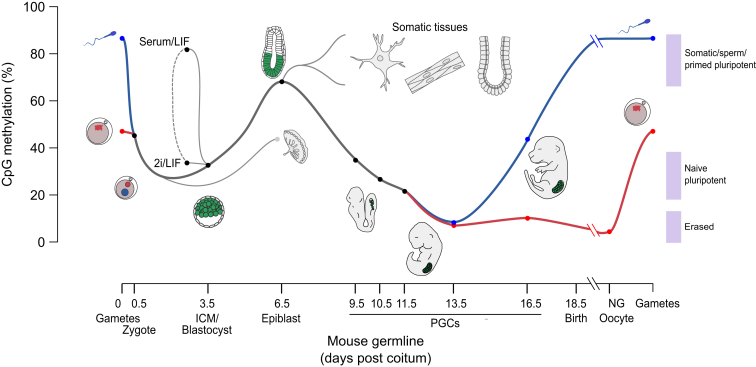
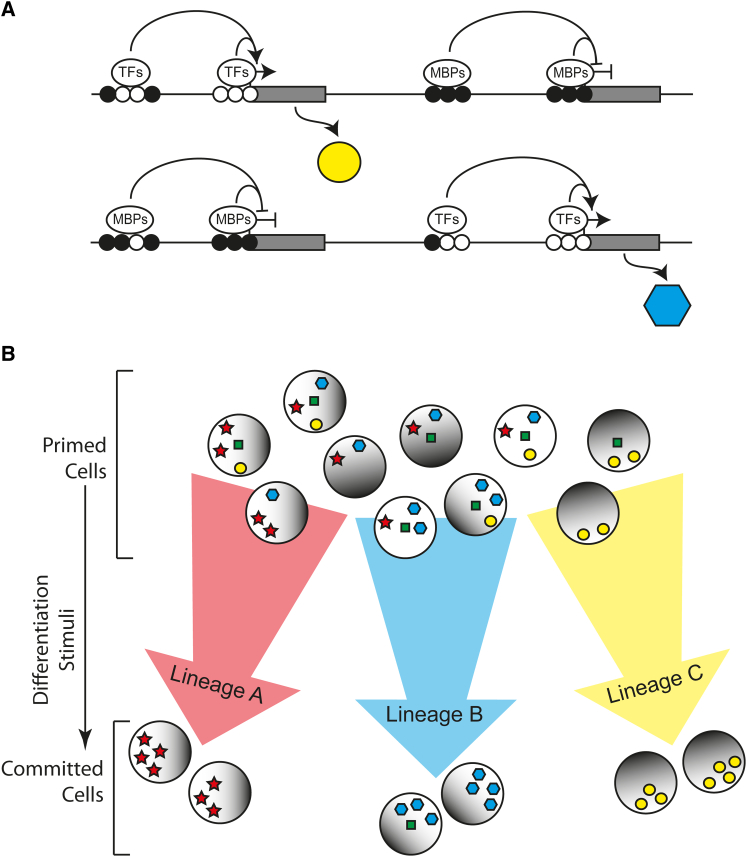
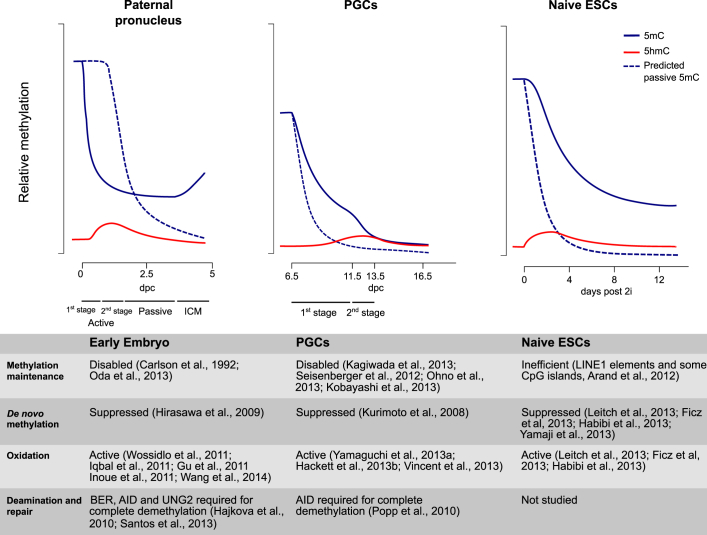
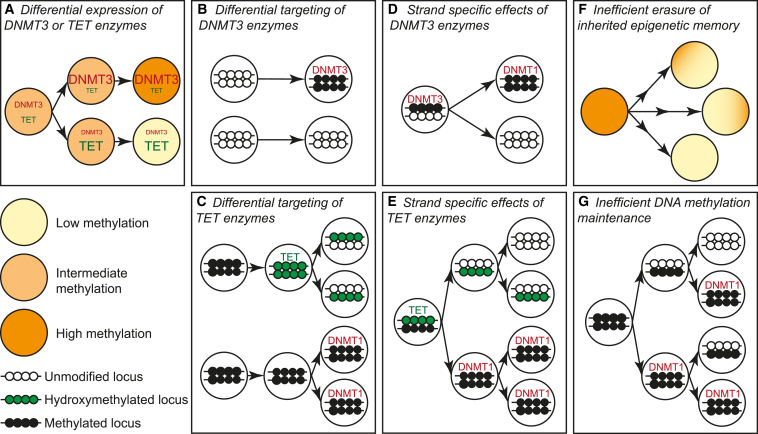
The inheritance of epigenetic marks, in particular DNA methylation, provides a molecular memory that ensures faithful commitment to transcriptional programs during mammalian development. Epigenetic reprogramming results in global hypomethylation of the genome together with a profound loss of memory, which underlies naive pluripotency. Such global reprogramming occurs in primordial germ cells, early embryos, and embryonic stem cells where reciprocal molecular links connect the methylation machinery to pluripotency. Priming for differentiation is initiated upon exit from pluripotency, and we propose that epigenetic mechanisms create diversity of transcriptional states, which help with symmetry breaking during cell fate decisions and lineage commitment.
表观遗传标记的遗传,尤其是DNA甲基化,提供了一种分子记忆,可确保在哺乳动物发育过程中忠实地遵循转录程序。表观遗传重编程导致基因组整体低甲基化以及记忆的严重丧失,这是幼稚多能性的基础。这种全局重编程发生在原始生殖细胞、早期胚胎和胚胎干细胞中,其中相互的分子联系将甲基化机制与多能性联系起来。从多能性退出后开始分化启动,我们提出表观遗传机制创造了转录状态的多样性,这有助于在细胞命运决定和谱系定向过程中打破对称性。