Wohrer Stefan, Knapp David J H F, Copley Michael R, Benz Claudia, Kent David G, Rowe Keegan, Babovic Sonja, Mader Heidi, Oostendorp Robert A J, Eaves Connie J
Terry Fox Laboratory, British Columbia Cancer Agency, Vancouver, BC V5Z 1L3, Canada; Landesklinikum Wr. Neustadt, Internal Medicine 1, Wr. Neustadt 2700, Austria.
Terry Fox Laboratory, British Columbia Cancer Agency, Vancouver, BC V5Z 1L3, Canada.
Cell Rep. 2014 Jun 26;7(6):1956-67. doi: 10.1016/j.celrep.2014.05.014. Epub 2014 Jun 6.
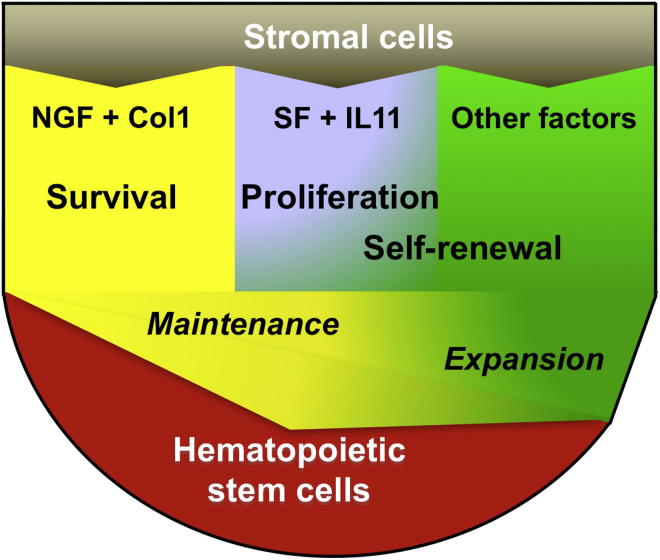
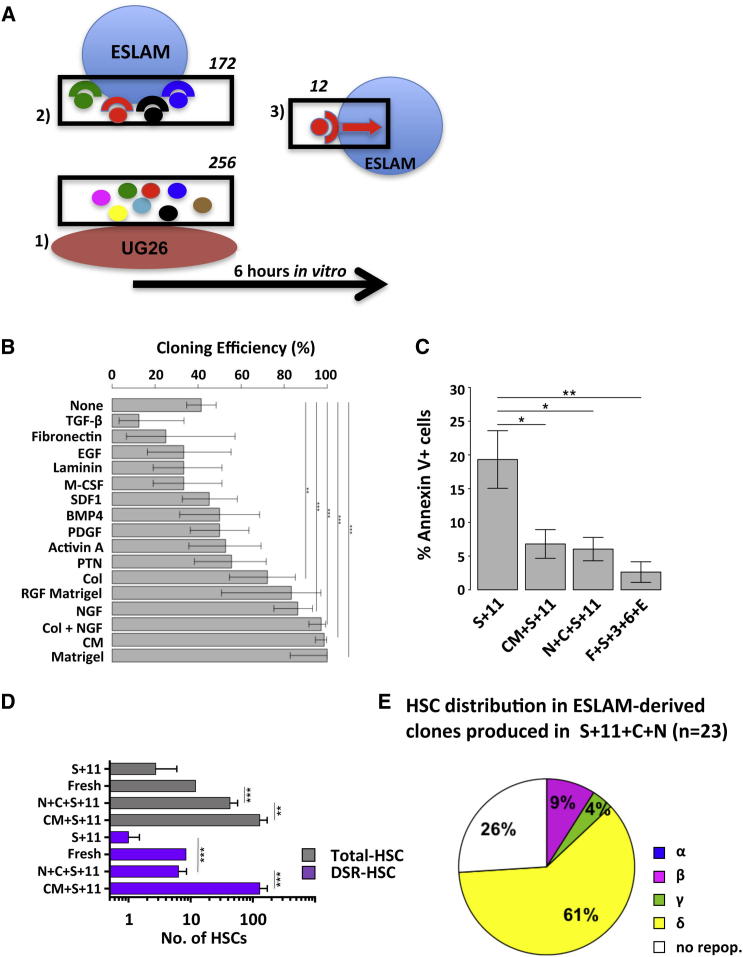
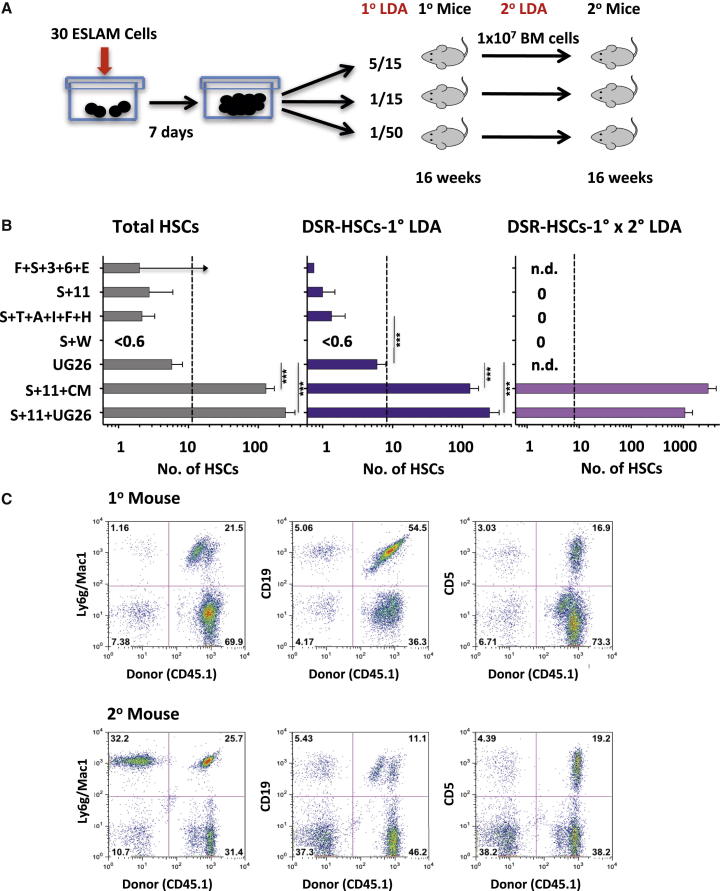
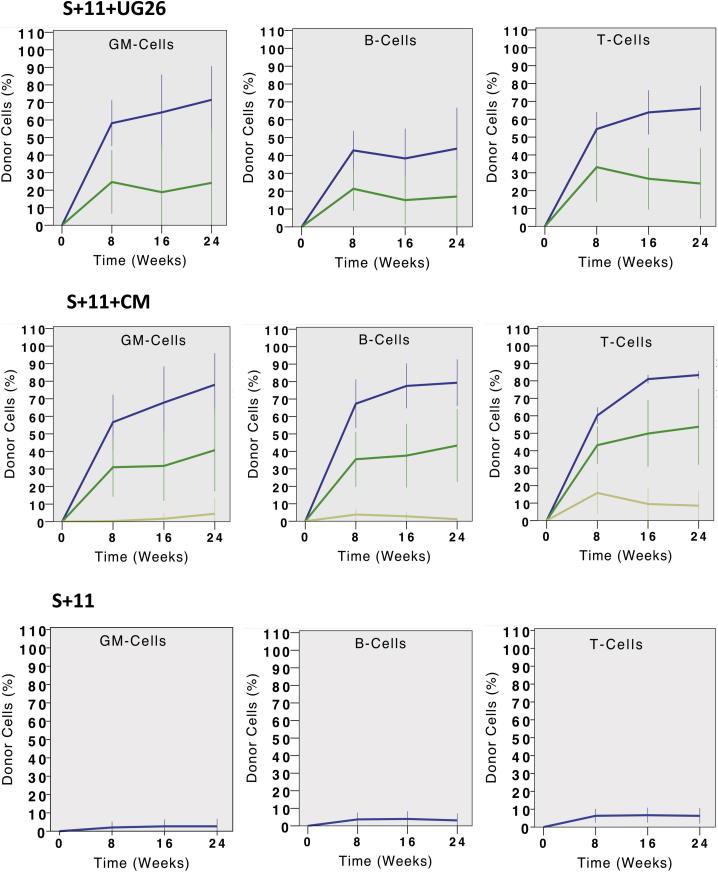
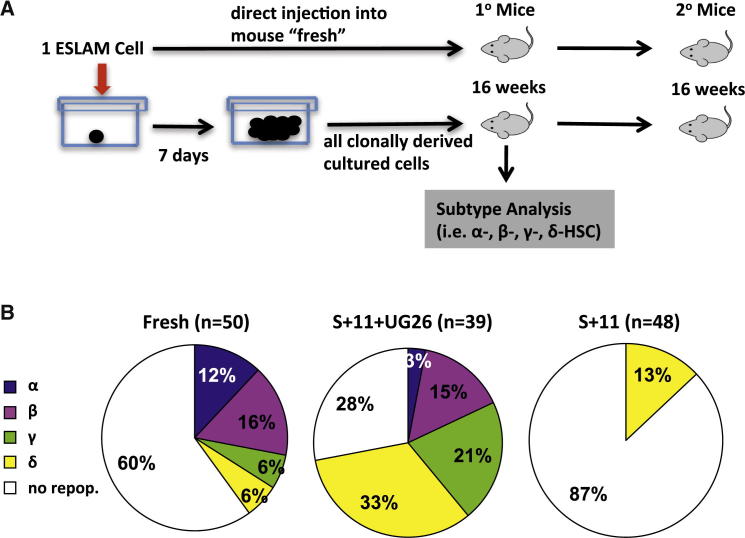
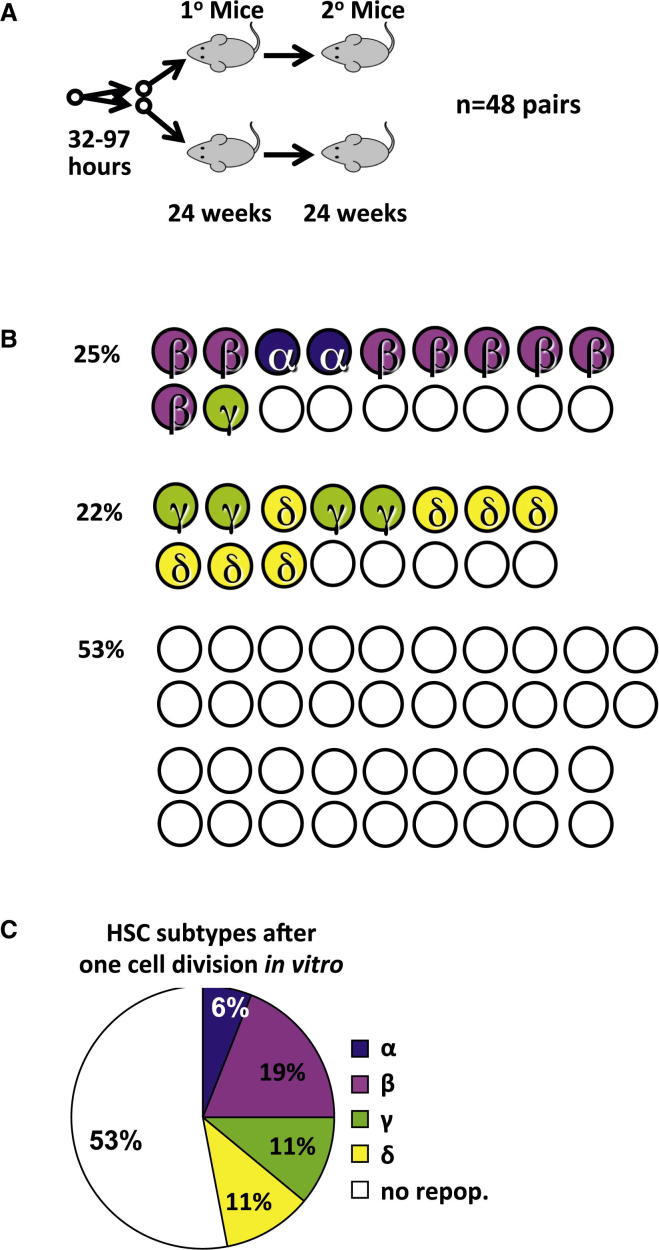
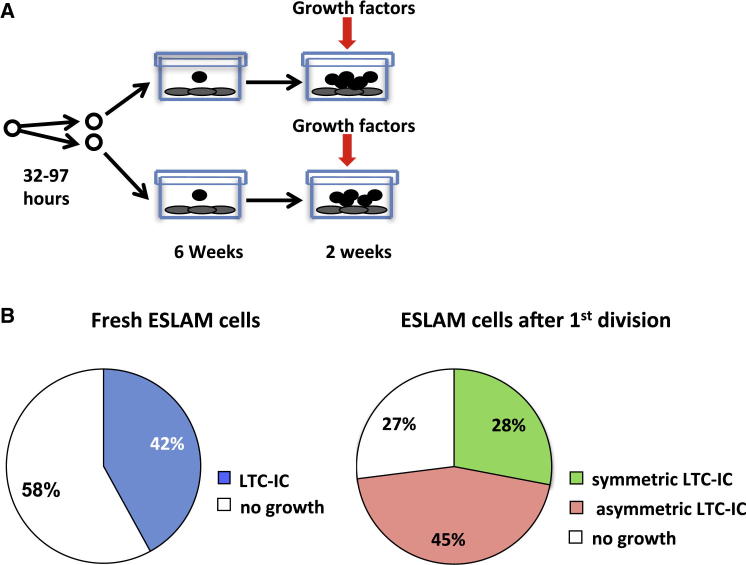
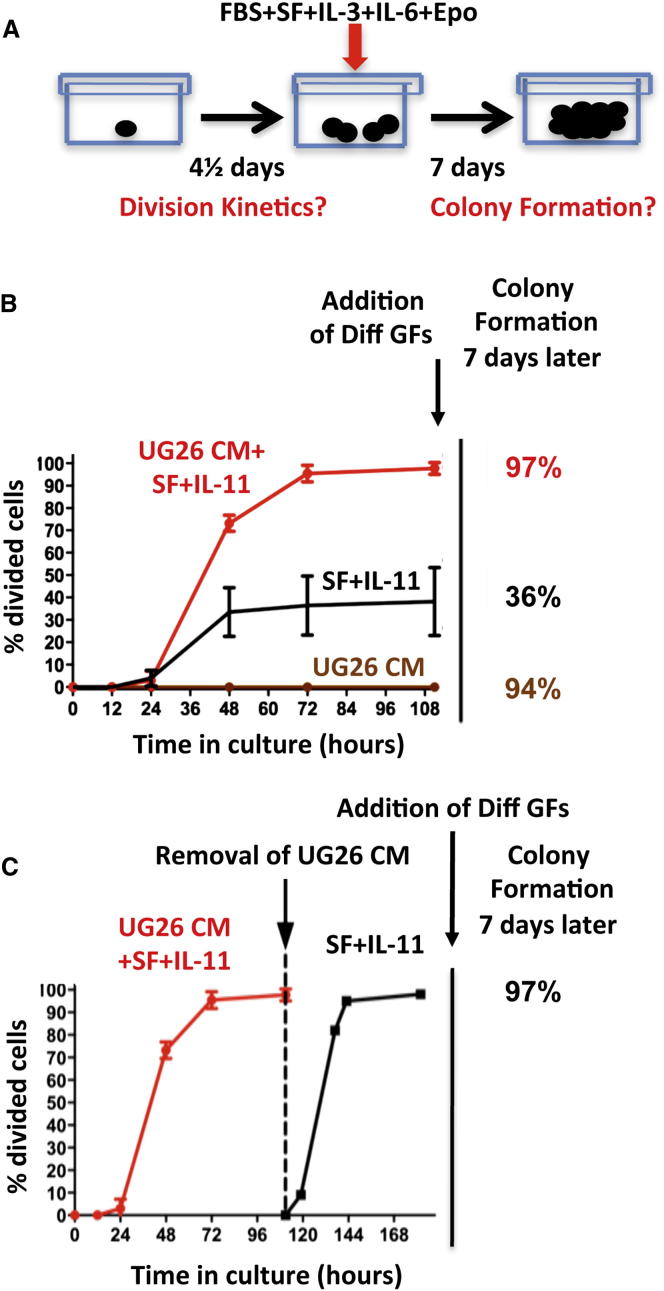
Hematopoietic stem cells (HSCs) are identified by their ability to sustain prolonged blood cell production in vivo, although recent evidence suggests that durable self-renewal (DSR) is shared by HSC subtypes with distinct self-perpetuating differentiation programs. Net expansions of DSR-HSCs occur in vivo, but molecularly defined conditions that support similar responses in vitro are lacking. We hypothesized that this might require a combination of factors that differentially promote HSC viability, proliferation, and self-renewal. We now demonstrate that HSC survival and maintenance of DSR potential are variably supported by different Steel factor (SF)-containing cocktails with similar HSC-mitogenic activities. In addition, stromal cells produce other factors, including nerve growth factor and collagen 1, that can antagonize the apoptosis of initially quiescent adult HSCs and, in combination with SF and interleukin-11, produce >15-fold net expansions of DSR-HSCs ex vivo within 7 days. These findings point to the molecular basis of HSC control and expansion.
造血干细胞(HSCs)是通过其在体内维持长期血细胞生成的能力来鉴定的,尽管最近的证据表明,具有不同自我维持分化程序的HSC亚型具有持久自我更新(DSR)能力。DSR-HSCs在体内会发生净扩增,但缺乏在体外支持类似反应的分子定义条件。我们推测,这可能需要多种因素的组合,这些因素以不同方式促进HSC的活力、增殖和自我更新。我们现在证明,具有相似HSC促有丝分裂活性的不同含Steel因子(SF)混合物对HSC存活和DSR潜能的维持具有不同程度的支持作用。此外,基质细胞会产生其他因子,包括神经生长因子和胶原蛋白1,这些因子可拮抗最初静止的成年HSCs的凋亡,并且与SF和白细胞介素-11联合使用时,可在7天内在体外使DSR-HSCs净扩增超过15倍。这些发现揭示了HSC控制和扩增的分子基础。