Zhen Junli, Qu Zhenzhen, Fang Haibo, Fu Lan, Wu Yupeng, Wang Hongchao, Zang Hongmin, Wang Weiping
Department of Neurology, Key Laboratory of Neurology of Hebei Province, The Second Hospital of Hebei Medical University, Shijiazhuang, Hebei 050000, P.R. China.
Int J Mol Med. 2014 Aug;34(2):391-8. doi: 10.3892/ijmm.2014.1796. Epub 2014 Jun 6.
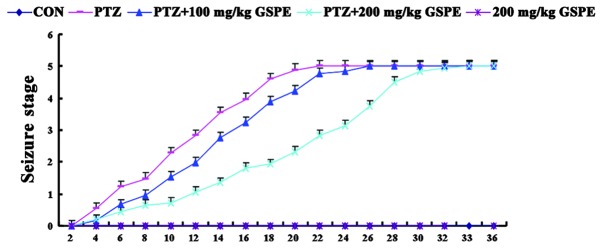
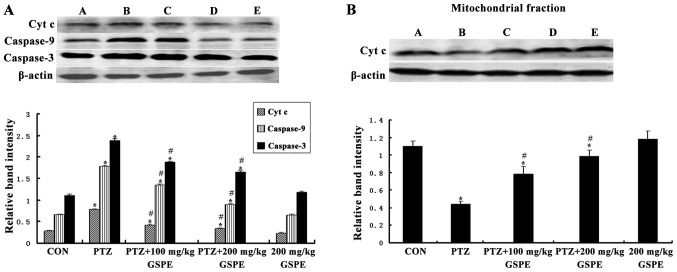
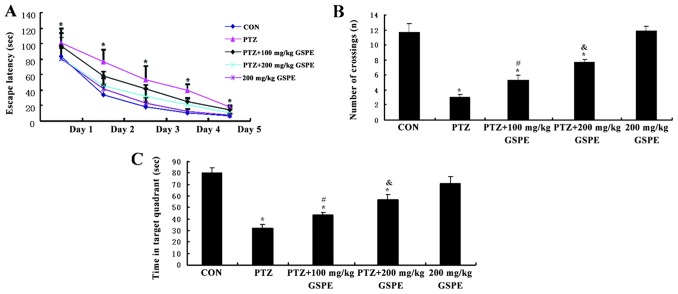
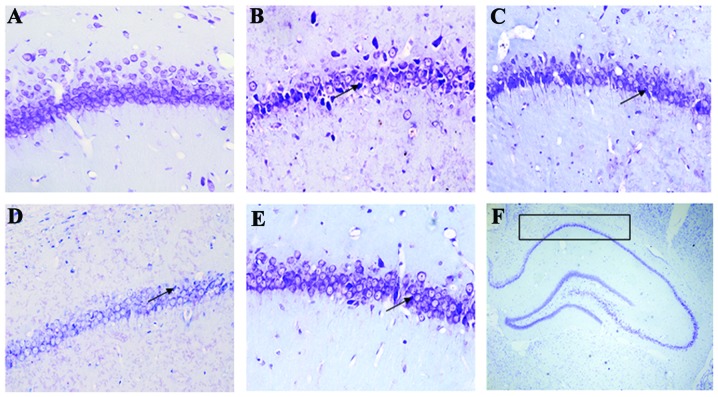
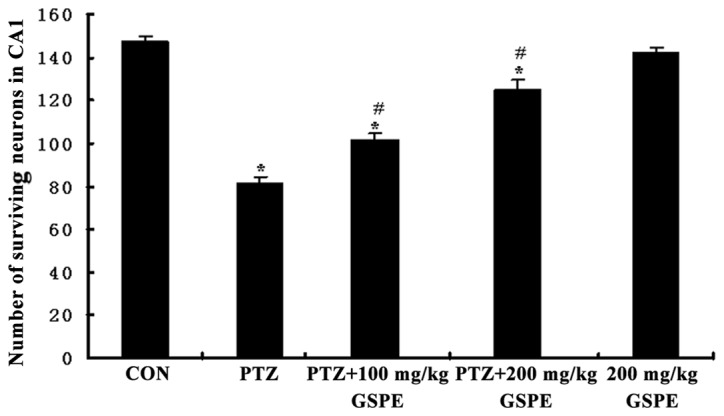
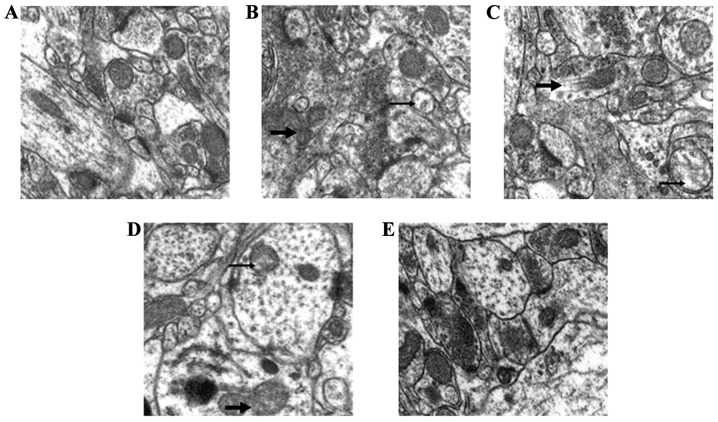
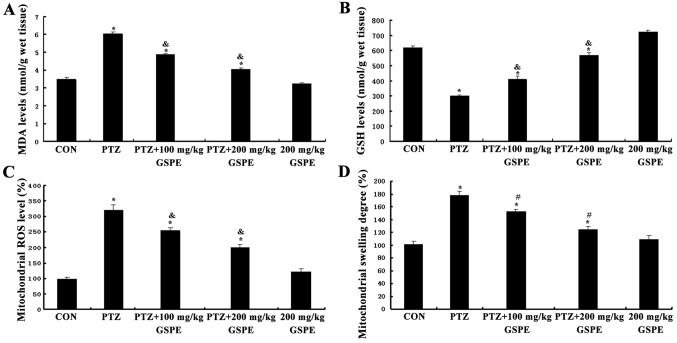
Numerous studies have demonstrated the antioxidant effects of grape seed proanthocyanidin extract (GSPE). The generation of free radicals and the ensuing apoptosis may contribute to the pathogenesis of epilepsy; therefore, in the present study, we examined the effects of GSPE on cognitive impairment and neuronal damage induced by chronic seizures in rats. Seizures were induced by a daily intraperitoneal (i.p.) injection of pentylenetetrazole (PTZ; 35 mg/kg/day, 36 days). Two other groups were treated with GSPE (100 or 200 mg/kg/day, orally) for 24 days and then for 36 days prior to each PTZ injection. After the final PTZ injection, hippocampus-dependent spatial learning was assessed using the Morris water maze (MWM). The rats were then sacrificed for the measurement of hippocampal malondialdehyde (MDA, a measure of lipid peroxidation) and glutathione (GSH, a measure of endogenous antioxidant capacity) levels, and for the expression of pro-apoptotic factors [cytochrome c (Cyt c), caspase‑9 and caspase‑3]. The mitochondrial generation of reactive oxygen species (ROS), degree of mitochondrial swelling, neuronal damage and mitochondrial ultrastructure were also examined. Performance in the MWM was markedly impaired by PTZ-induced seizures, as evidenced by longer escape latencies during training and fewer platform crossings during the probe trial. This cognitive decline was accompanied by oxidative stress (MDA accumulation, ROS generation, reduced GSH activity), an increased expression of pro-apoptotic proteins, as well as damage to CA1 pyramidal neurons and the mitochondria. Pre-treatment with GSPE dose‑dependently reversed PTZ-induced impaired performance in the MWM, oxidative stress, mitochondrial ROS generation, the expression of pro-apoptotic proteins and neuronal and mitochondrial damage. Thus, GSPE may reverse the hippocampal dysfunction induced by chronic seizures, by reducing oxidative stress and preserving mitochondrial function.
大量研究已证实葡萄籽原花青素提取物(GSPE)具有抗氧化作用。自由基的产生及随后的细胞凋亡可能与癫痫的发病机制有关;因此,在本研究中,我们检测了GSPE对大鼠慢性癫痫发作所致认知障碍和神经元损伤的影响。通过每日腹腔注射戊四氮(PTZ;35毫克/千克/天,共36天)诱导癫痫发作。另外两组先接受24天的GSPE治疗(口服,100或200毫克/千克/天),然后在每次PTZ注射前再治疗36天。在最后一次PTZ注射后,使用莫里斯水迷宫(MWM)评估海马依赖性空间学习能力。然后处死大鼠,测量海马丙二醛(MDA,脂质过氧化的指标)和谷胱甘肽(GSH,内源性抗氧化能力的指标)水平,以及促凋亡因子[细胞色素c(Cyt c)、半胱天冬酶-9和半胱天冬酶-3]的表达。还检测了线粒体活性氧(ROS)的产生、线粒体肿胀程度、神经元损伤和线粒体超微结构。PTZ诱导的癫痫发作显著损害了MWM中的表现,训练期间逃避潜伏期延长以及在探索试验中穿越平台的次数减少就证明了这一点。这种认知能力下降伴随着氧化应激(MDA积累、ROS产生、GSH活性降低)、促凋亡蛋白表达增加,以及CA1锥体神经元和线粒体损伤。GSPE预处理剂量依赖性地逆转了PTZ诱导的MWM中受损的表现、氧化应激、线粒体ROS产生、促凋亡蛋白表达以及神经元和线粒体损伤。因此,GSPE可能通过减轻氧化应激和保护线粒体功能来逆转慢性癫痫发作诱导的海马功能障碍。