Medical Plants Research Center, Basic Health Sciences Institute, Shahrekord University of Medical Sciences, Shahrekord, Iran.
Department of Biology, Shahrekord University, Shahrekord, Iran.
Behav Brain Funct. 2020 Oct 6;16(1):7. doi: 10.1186/s12993-020-00169-3.
Previous studies have shown that seizures can cause cognitive disorders. On the other hand, the Curcuma zedoaria (CZ) has beneficial effects on the nervous system. However, there is little information on the possible effects of the CZ extract on seizures. The aim of this study was to investigate the possible effects of CZ extract on cognitive impairment and oxidative stress induced by epilepsy in rats.
Rats were randomly divided into different groups. In all rats (except the sham group), kindling was performed by intraperitoneal injection of pentylenetetrazol (PTZ) at a dose of 35 mg/kg every 48 h for 14 days. Positive group received 2 mg/kg diazepam + PTZ; treatment groups received 100, 200 or 400 mg/kg CZ extract + PTZ; and one group received 0.5 mg/kg flumazenil and CZ extract + PTZ. Shuttle box and Morris Water Maze tests were used to measure memory and learning. On the last day of treatments PTZ injection was at dose of 60 mg/kg, tonic seizure threshold and mortality rate were recorded in each group. After deep anesthesia, blood was drawn from the rats' hearts and the hippocampus of all rats was removed.
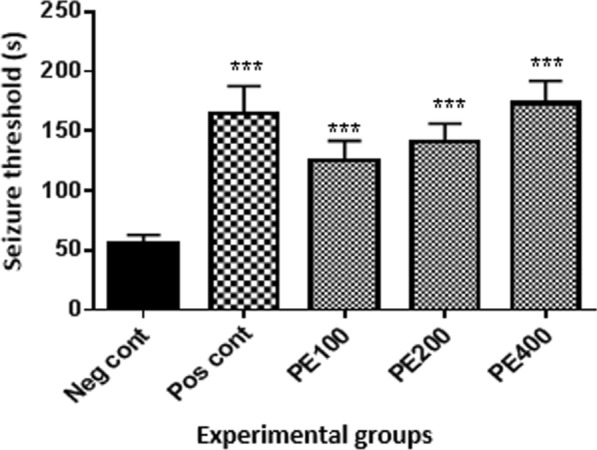
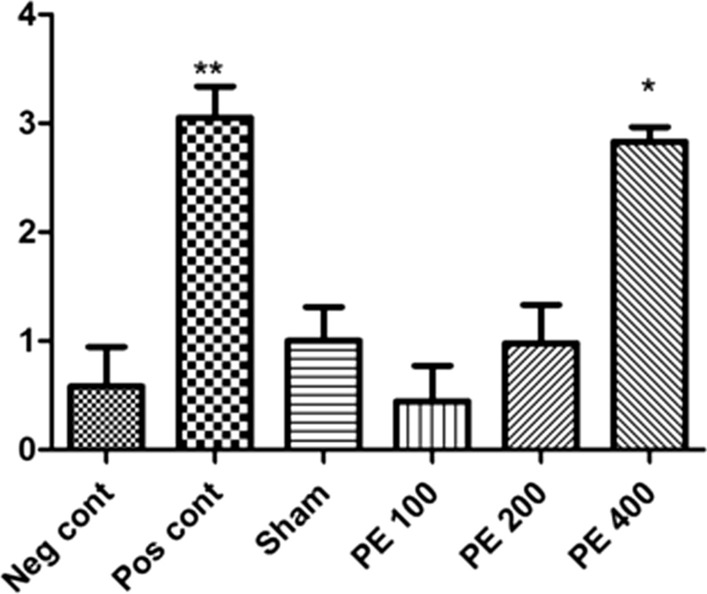
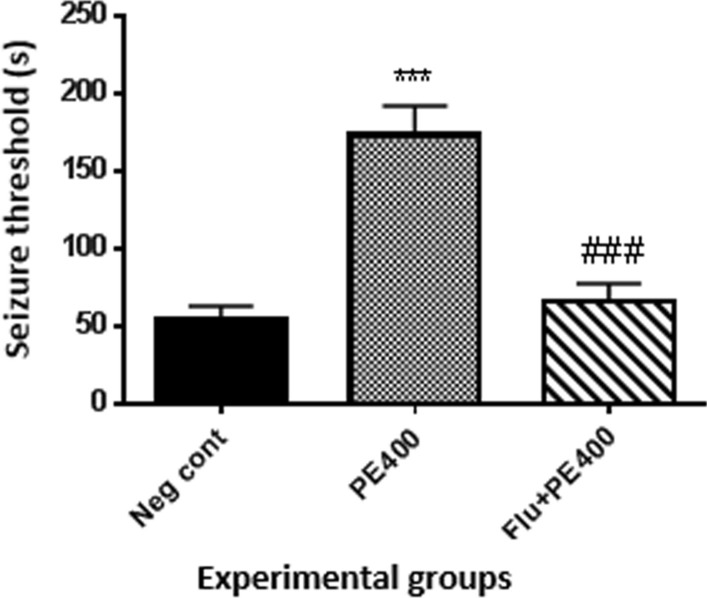
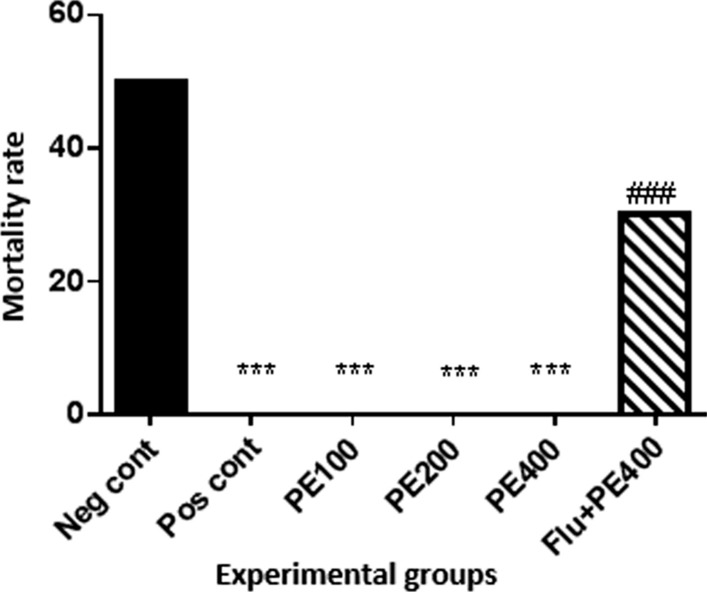
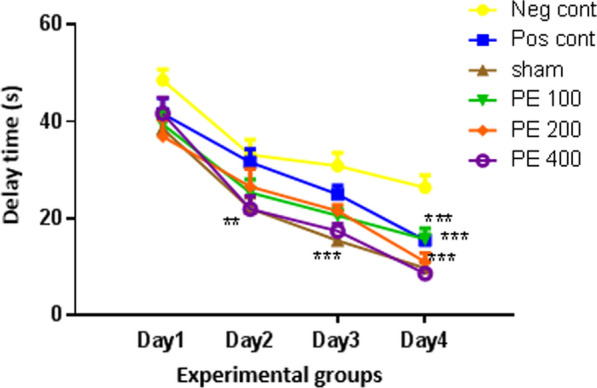
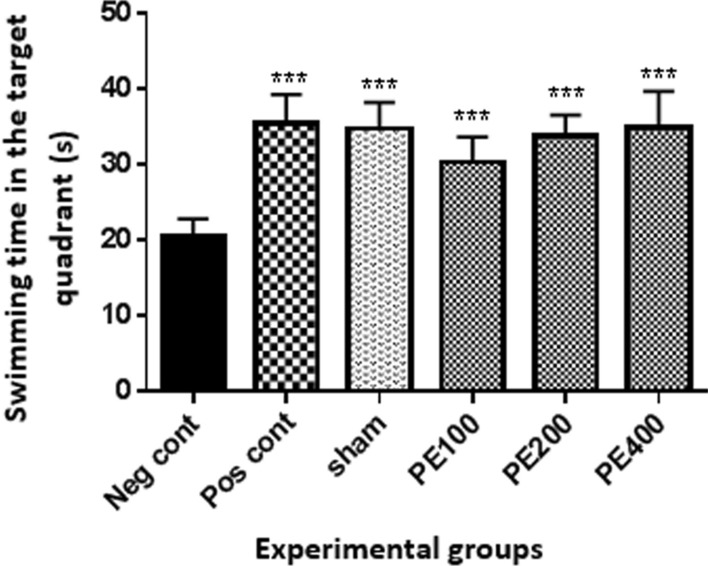
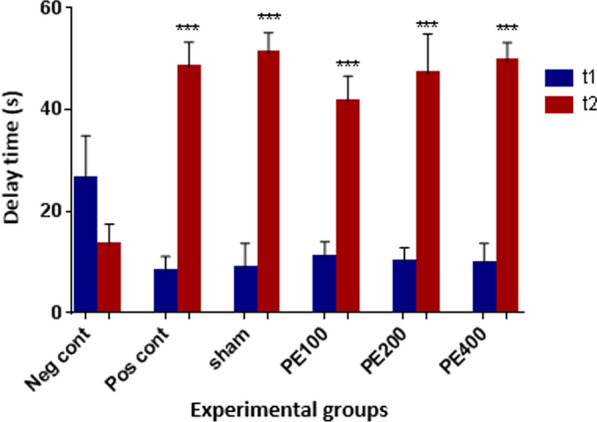
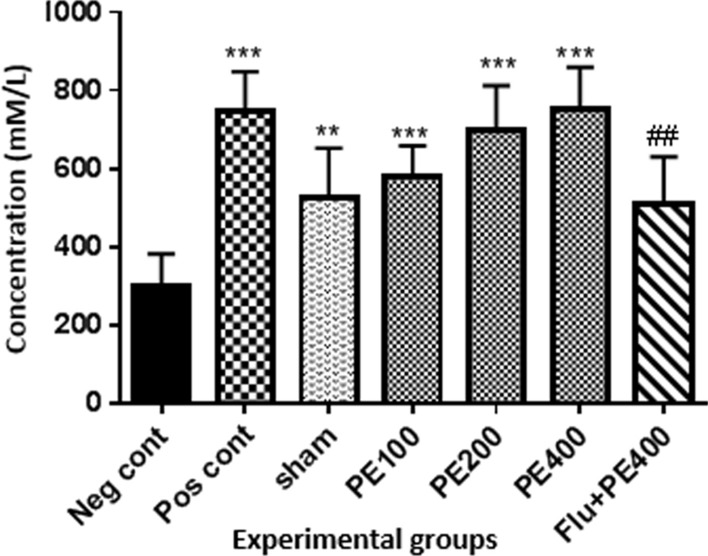
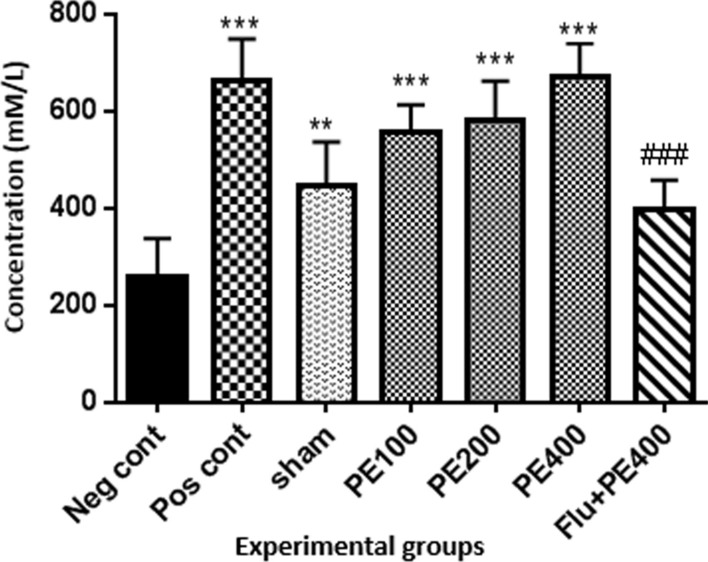
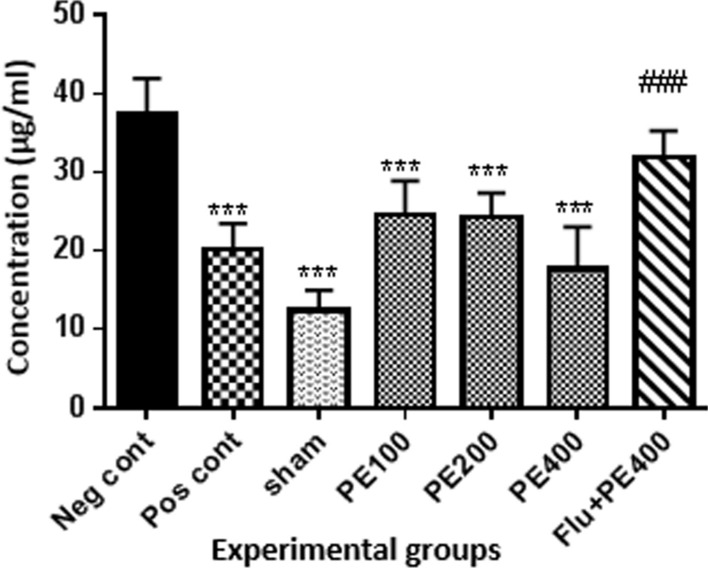
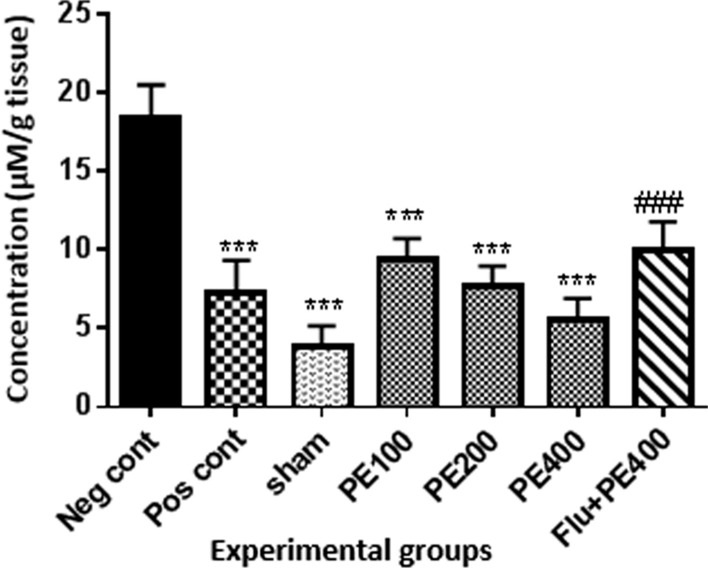
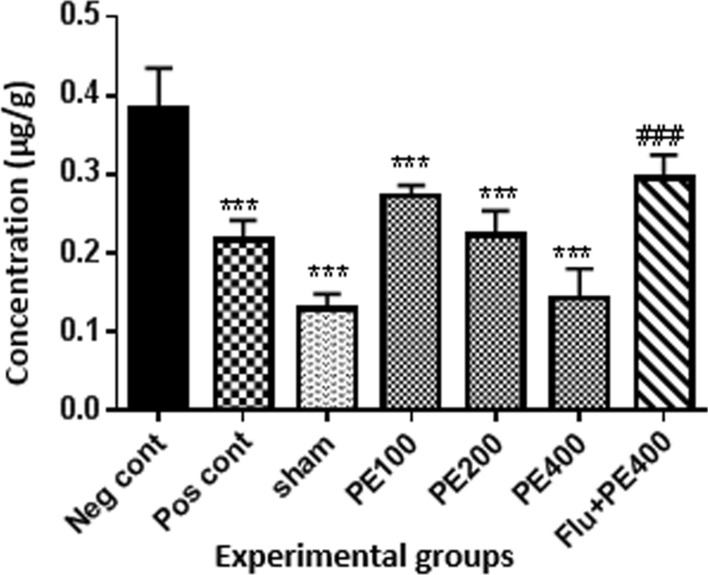
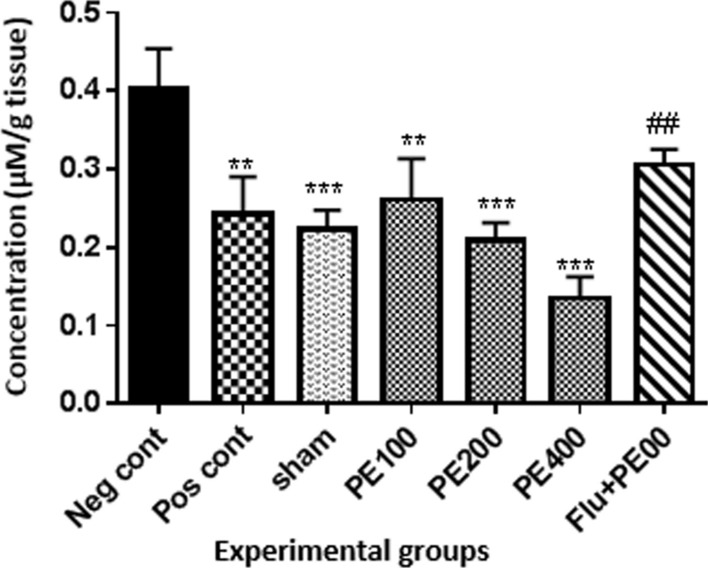
Statistical analysis of the data showed that the CZ extract significantly increased the tonic seizure threshold and reduced the pentylenetetrazol-induced mortality and the extract dose of 400 mg/kg was selected as the most effective dose compared to the other doses. It was also found that flumazenil (a GABA receptor antagonist) reduced the tonic seizure threshold compared to the effective dose of the extract. The results of shuttle box and Morris water maze behavioral tests showed that memory and learning decreased in the negative control group and the CZ extract treatment improved memory and learning in rats. The CZ extract also increased antioxidant capacity, decreased MDA and NO in the brain and serum of pre-treated groups in compared to the negative control group.
It is concluded that the CZ extract has beneficial effects on learning and memory impairment in PTZ-induced epilepsy model, which has been associated with antioxidant effects in the brain or possibly exerts its effects through the GABAergic system.
先前的研究表明,癫痫发作会导致认知障碍。另一方面,姜黄(CZ)对神经系统有有益的影响。然而,关于 CZ 提取物对癫痫发作的可能影响的信息很少。本研究旨在探讨 CZ 提取物对癫痫大鼠认知障碍和氧化应激的可能影响。
大鼠随机分为不同组。在所有大鼠(假手术组除外)中,通过腹腔注射戊四氮(PTZ)以 35mg/kg 的剂量每隔 48 小时进行 14 天的点燃。阳性组给予 2mg/kg 地西泮+PTZ;治疗组给予 100、200 或 400mg/kg CZ 提取物+PTZ;一组给予 0.5mg/kg 氟马西尼和 CZ 提取物+PTZ。穿梭箱和 Morris 水迷宫测试用于测量记忆和学习。在治疗的最后一天,以 60mg/kg 的剂量注射 PTZ,记录每组的强直发作阈值和死亡率。在深度麻醉后,从大鼠心脏抽血,取出所有大鼠的海马体。
数据的统计分析表明,CZ 提取物显著提高了强直发作阈值,降低了戊四氮诱导的死亡率,与其他剂量相比,400mg/kg 的提取物剂量被选为最有效剂量。还发现氟马西尼(GABA 受体拮抗剂)与提取物的有效剂量相比降低了强直发作阈值。穿梭箱和 Morris 水迷宫行为测试的结果表明,阴性对照组的记忆和学习能力下降,而 CZ 提取物治疗改善了大鼠的记忆和学习能力。CZ 提取物还增加了大脑和血清中的抗氧化能力,降低了 MDA 和 NO 在预处理组中的含量,与阴性对照组相比。
综上所述,CZ 提取物对 PTZ 诱导的癫痫模型中的学习和记忆障碍有有益的影响,这与大脑中的抗氧化作用有关,或者可能通过 GABA 能系统发挥作用。