De Moura Fabiana F, Miloff Alexander, Boy Erick
a HarvestPlus c/o International Food Policy Research Institute (IFPRI), Washington DC, USA and International Center for Tropical Agriculture (CIAT) , Cali , Colombia.
Crit Rev Food Sci Nutr. 2015;55(9):1246-69. doi: 10.1080/10408398.2012.724477.
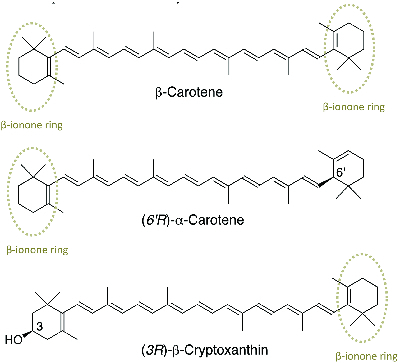
HarvestPlus, part of the Consultative Group on Internation Agriculture research (CGIAR) Program on Agriculture for Nutrition and Health (A4NH) uses conventional plant breeding techniques to develop staple food crops that are rich in micronutrients, a food-based approach to reduce micronutrient malnutrition known as biofortification. The nutritional breeding targets are established based on the food intake of target populations, nutrient losses during storage and processing and bioavailability. This review collates the evidence on the retention of provitamin A carotenoid (pVAC) after processing, cooking, and storing of the staple crops targeted for pVAC biofortification: cassava, maize, and sweet potato. Sun drying was more detrimental to the pVAC levels (27-56% retention) in cassava than shade (59%) or oven (55-91%) drying, while the pVAC retention levels (66-96%) in sweet potato were not significantly different among the various drying methods. Overall, boiling and steaming had higher pVAC retention (80-98%) compared to baking (30-70%) and frying (18-54%). Gari, the most frequently consumed form of cassava in West Africa had the lowest pVAC retention (10-30%). The pVAC retention of maize grain and cassava and sweet potato flour reached levels as low as 20% after 1-4 months of storage and was highly dependent on genotype. Therefore, we recommend that an evaluation of the pVAC degradation rate among different genotypes be performed before a high pVAC crop is promoted.
“收获增强计划”是国际农业研究磋商组织(CGIAR)营养与健康农业计划(A4NH)的一部分,该计划利用传统植物育种技术培育富含微量营养素的主食作物,这是一种基于食物的减少微量营养素营养不良的方法,称为生物强化。营养育种目标是根据目标人群的食物摄入量、储存和加工过程中的营养损失以及生物可利用性来确定的。本综述整理了关于以原维生素A类胡萝卜素(pVAC)生物强化为目标的主食作物(木薯、玉米和甘薯)在加工、烹饪和储存后pVAC保留情况的证据。日晒对木薯中pVAC水平的损害(保留率27 - 56%)大于阴干(59%)或烘干(55 - 91%),而甘薯在各种干燥方法下的pVAC保留水平(66 - 96%)差异不显著。总体而言,与烘焙(30 - 70%)和油炸(18 - 54%)相比,水煮和蒸煮的pVAC保留率更高(80 - 98%)。加里是西非最常食用的木薯形式,其pVAC保留率最低(10 - 30%)。玉米籽粒以及木薯和甘薯粉在储存1 - 4个月后的pVAC保留率低至20%,且高度依赖基因型。因此,我们建议在推广高pVAC作物之前,对不同基因型的pVAC降解率进行评估。