UCL Cancer Institute, Paul O'Gorman Building, University College London, 72 Huntley Street London WC1E 6DD, UK.
Laboratory of Lymphocyte Signalling and Development, The Babraham Institute, Babraham Research Campus, Cambridge CB22 3AT, UK.
Nature. 2014 Jun 19;510(7505):407-411. doi: 10.1038/nature13444. Epub 2014 Jun 11.
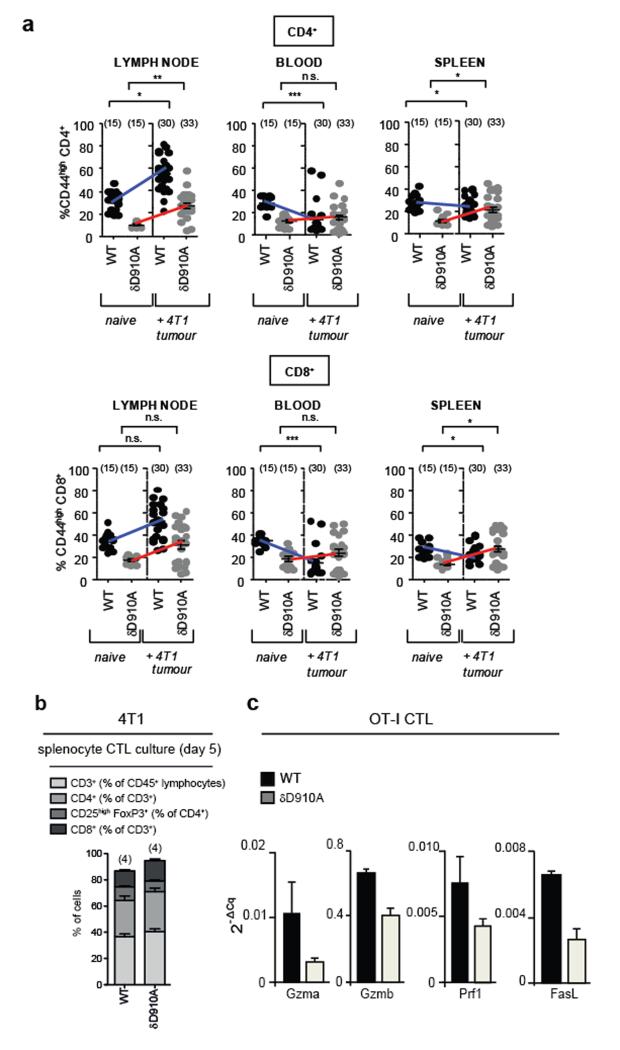
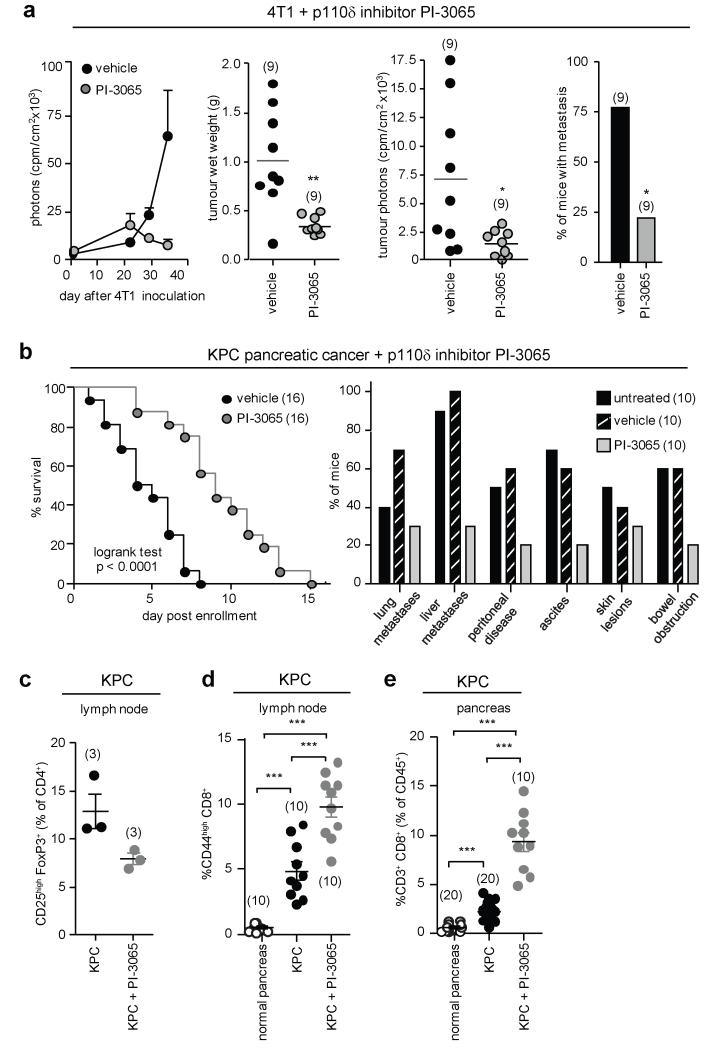
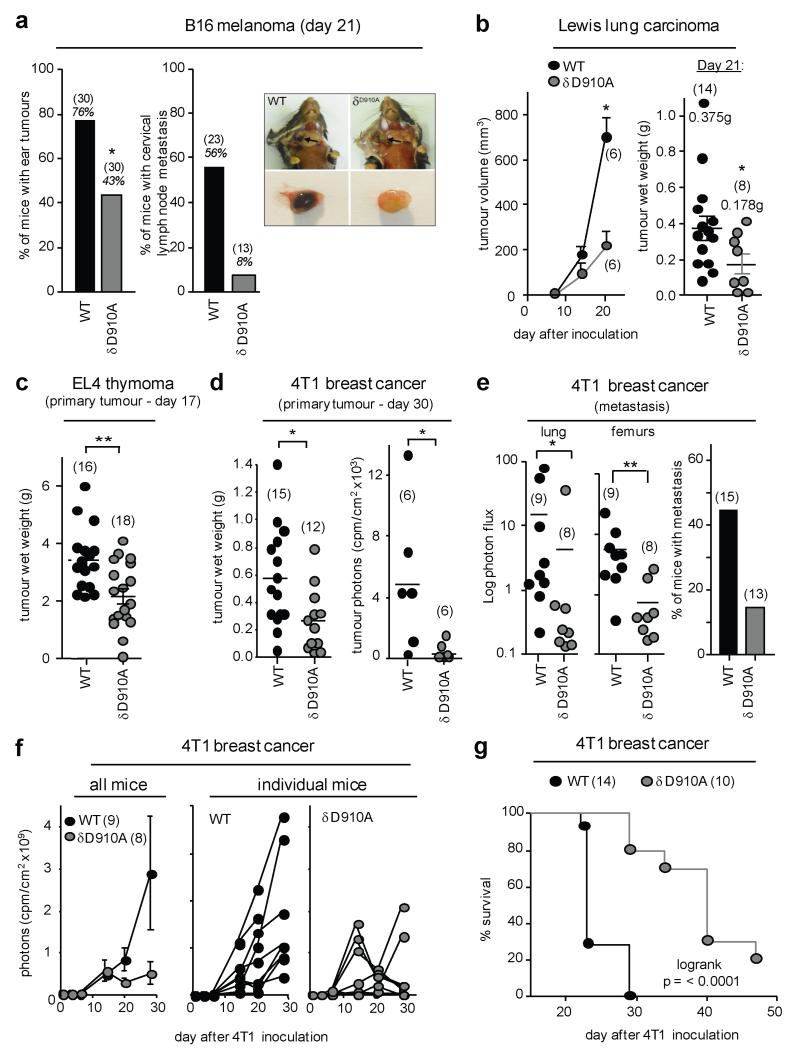
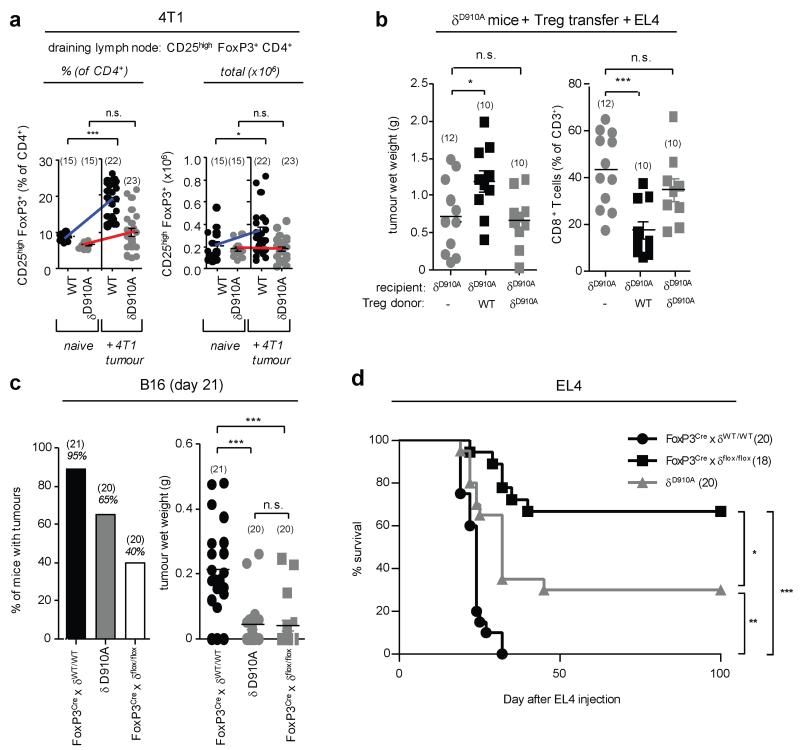
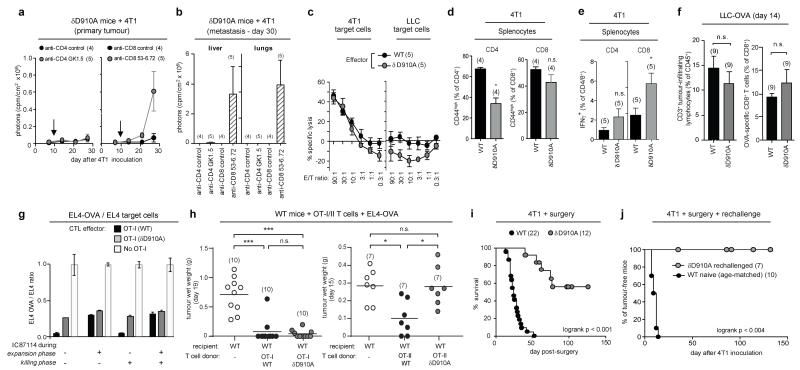
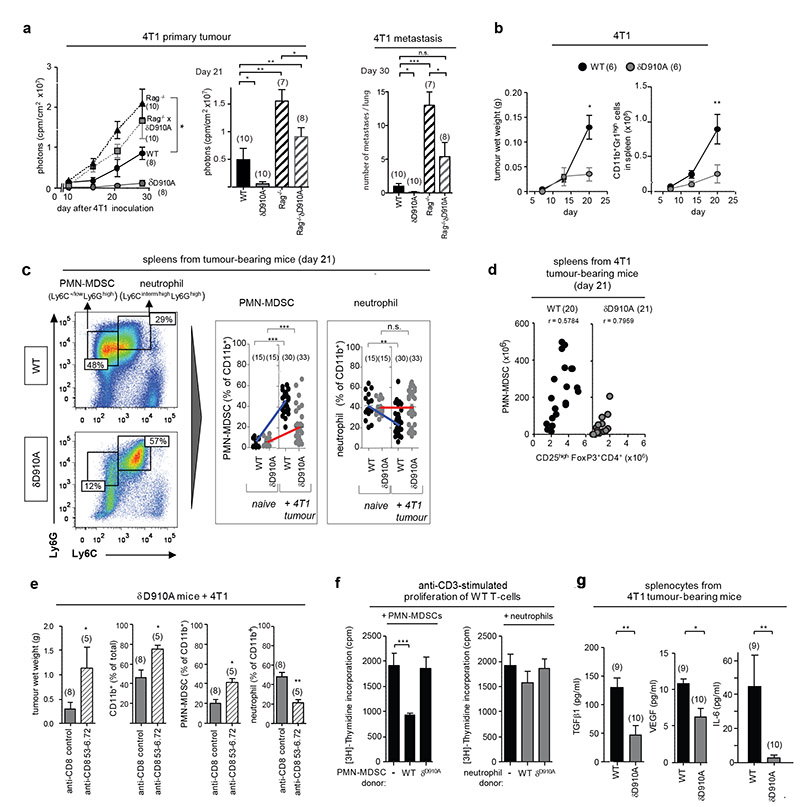
Inhibitors against the p110δ isoform of phosphoinositide-3-OH kinase (PI(3)K) have shown remarkable therapeutic efficacy in some human leukaemias. As p110δ is primarily expressed in leukocytes, drugs against p110δ have not been considered for the treatment of solid tumours. Here we report that p110δ inactivation in mice protects against a broad range of cancers, including non-haematological solid tumours. We demonstrate that p110δ inactivation in regulatory T cells unleashes CD8(+) cytotoxic T cells and induces tumour regression. Thus, p110δ inhibitors can break tumour-induced immune tolerance and should be considered for wider use in oncology.
针对磷酸肌醇-3-激酶(PI(3)K)的 p110δ 同工型的抑制剂在一些人类白血病中显示出显著的治疗效果。由于 p110δ 主要在白细胞中表达,因此针对 p110δ 的药物并未被考虑用于治疗实体瘤。在这里,我们报告说,在小鼠中失活 p110δ 可以预防广泛的癌症,包括非血液学的实体瘤。我们证明,调节性 T 细胞中 p110δ 的失活会释放 CD8(+)细胞毒性 T 细胞并诱导肿瘤消退。因此,p110δ 抑制剂可以打破肿瘤诱导的免疫耐受,应该考虑在肿瘤学中更广泛地使用。