McLeod Brenna A, Frasier Timothy R, Lucas Zoe
Biology Department, Saint Mary's University, Halifax, Nova Scotia, Canada; Nova Scotia Museum of Natural History, Halifax, Nova Scotia, Canada.
Biology Department, Saint Mary's University, Halifax, Nova Scotia, Canada.
PLoS One. 2014 Jun 12;9(6):e99569. doi: 10.1371/journal.pone.0099569. eCollection 2014.
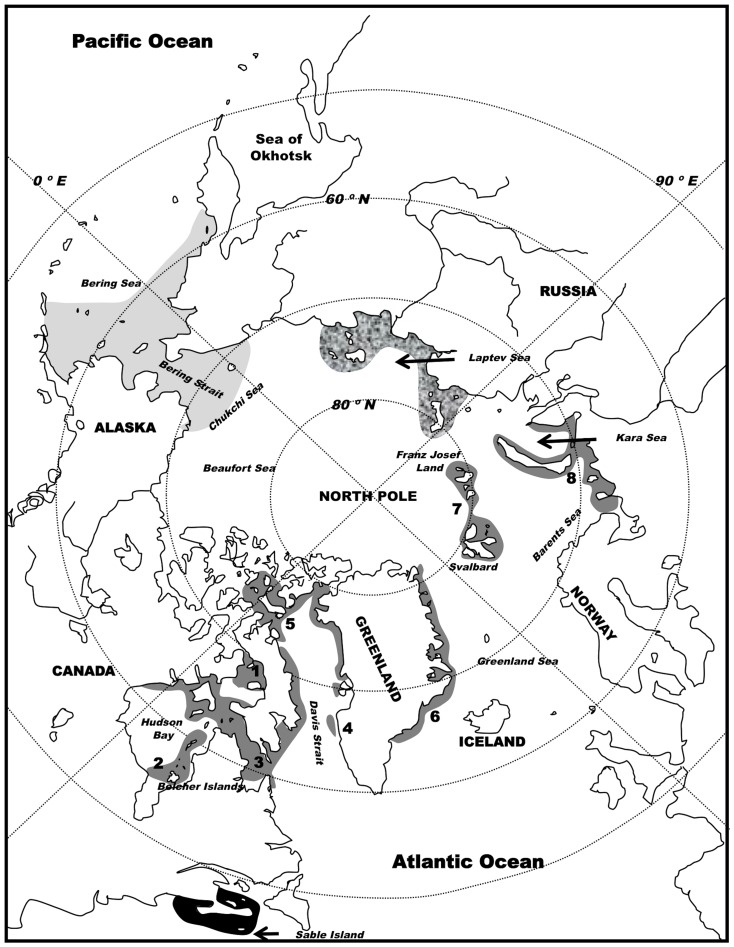
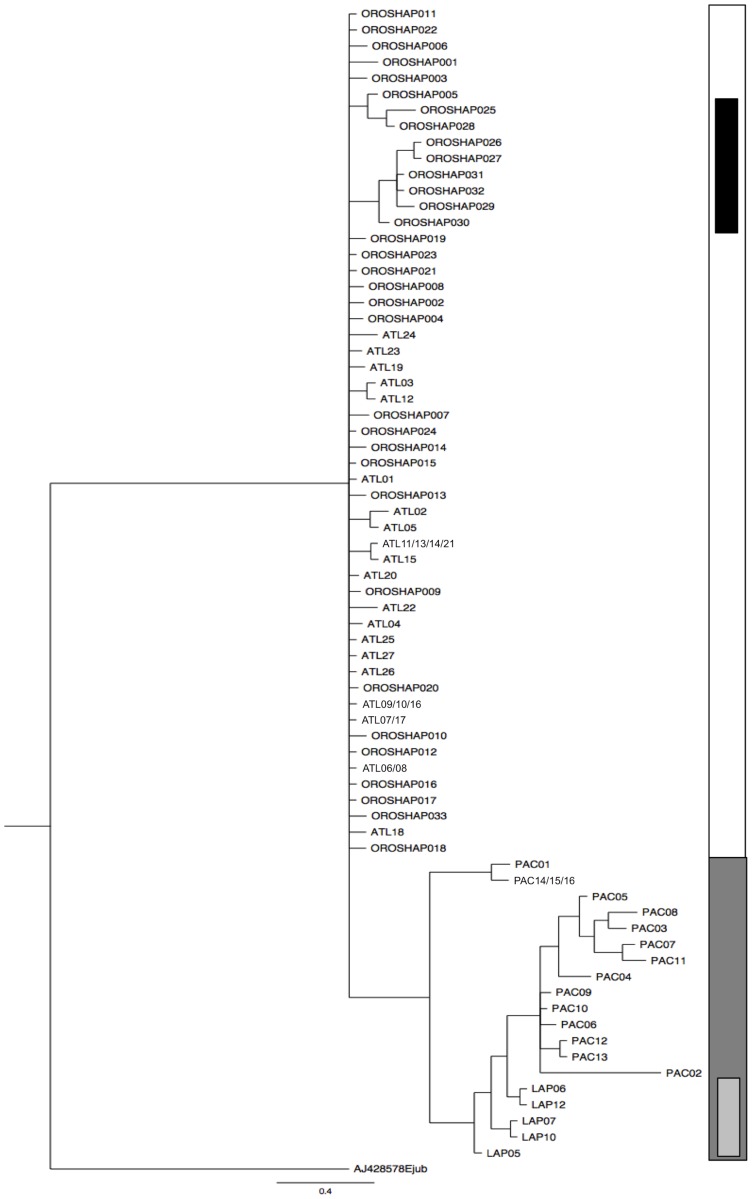
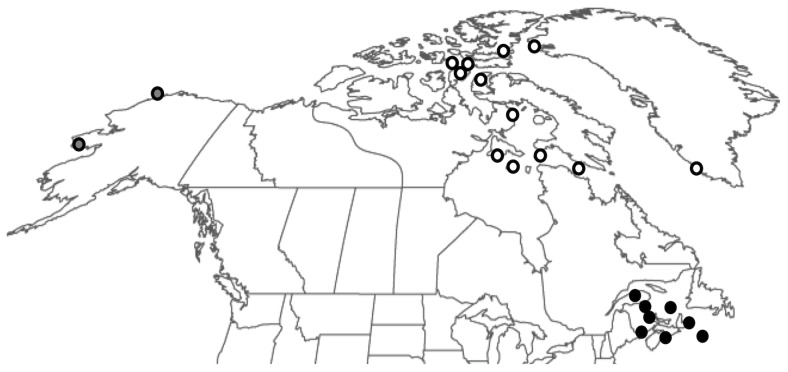
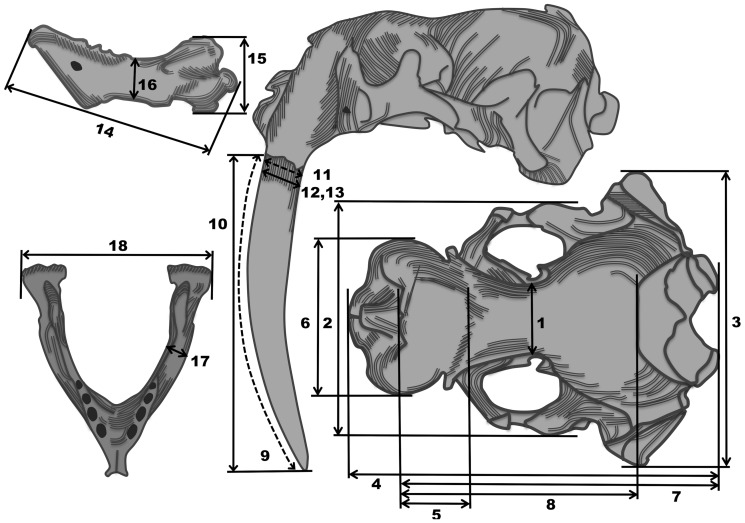
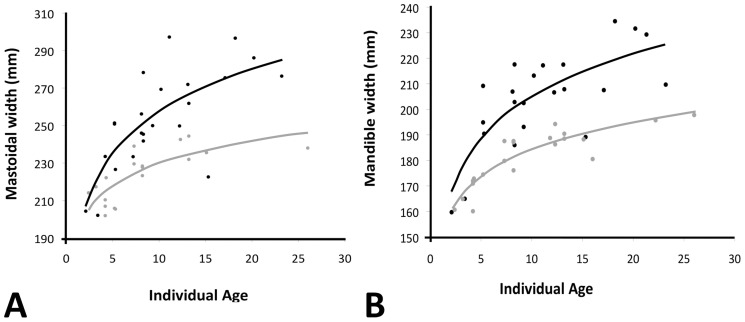
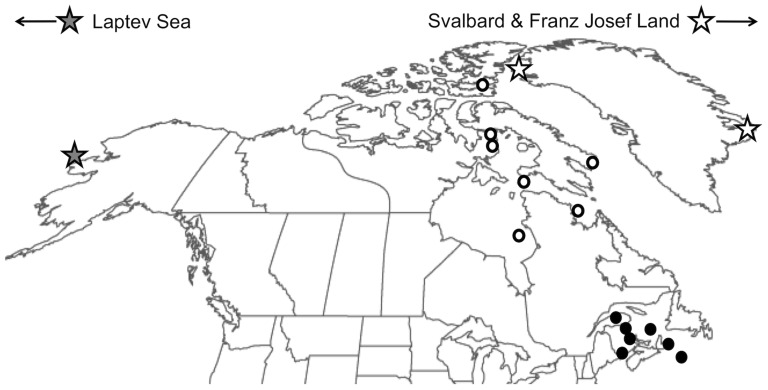
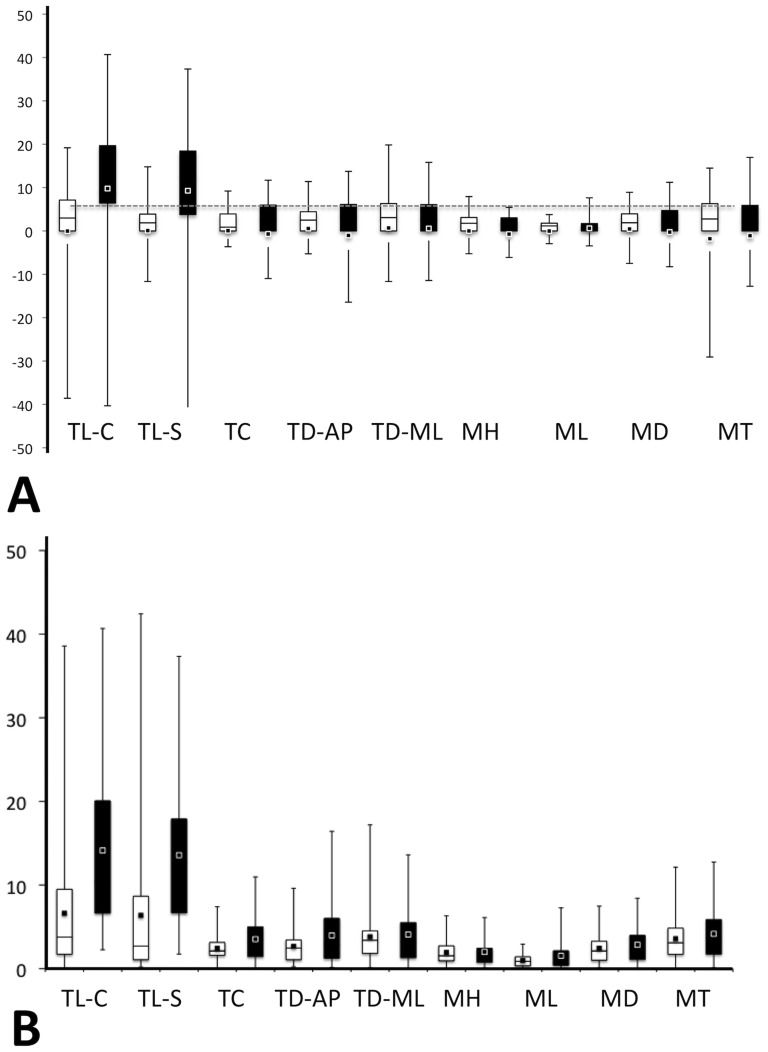
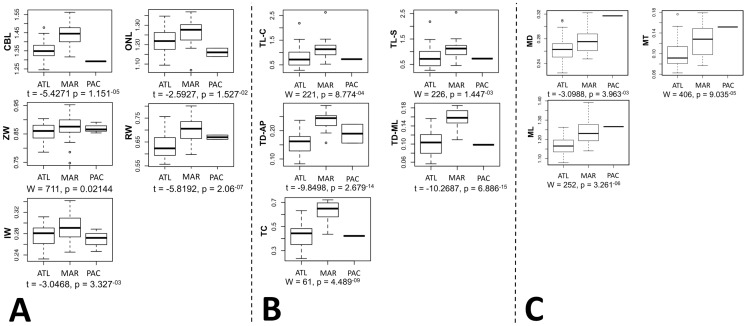
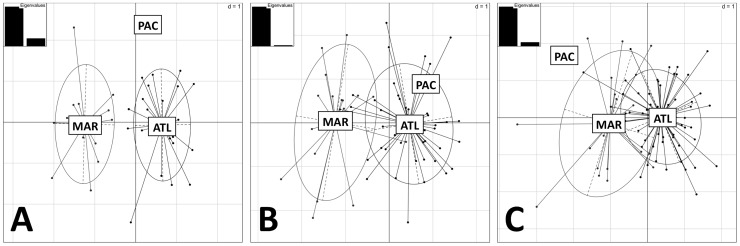
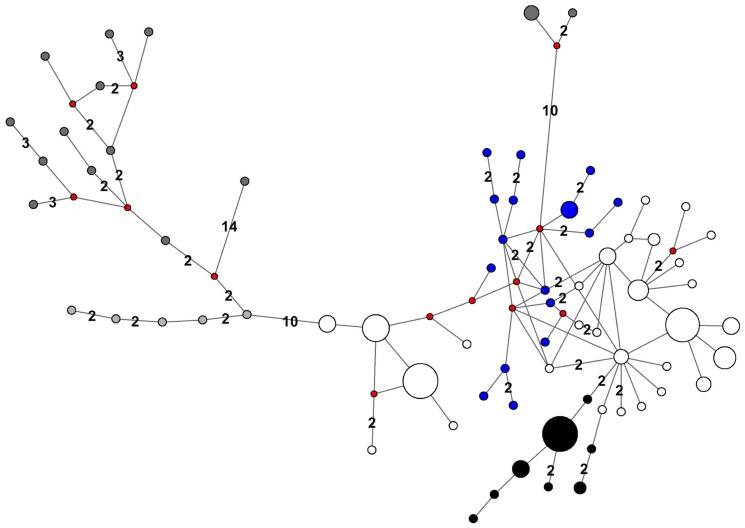
Species biogeography is a result of complex events and factors associated with climate change, ecological interactions, anthropogenic impacts, physical geography, and evolution. To understand the contemporary biogeography of a species, it is necessary to understand its history. Specimens from areas of localized extinction are important, as extirpation of species from these areas may represent the loss of unique adaptations and a distinctive evolutionary trajectory. The walrus (Odobenus rosmarus) has a discontinuous circumpolar distribution in the arctic and subarctic that once included the southeastern Canadian Maritimes region. However, exploitation of the Maritimes population during the 16th-18th centuries led to extirpation, and the species has not inhabited areas south of 55°N for ∼250 years. We examined genetic and morphological characteristics of specimens from the Maritimes, Atlantic (O. r. rosmarus) and Pacific (O. r. divergens) populations to test the hypothesis that the first group was distinctive. Analysis of Atlantic and Maritimes specimens indicated that most skull and mandibular measurements were significantly different between the Maritimes and Atlantic groups and discriminant analysis of principal components confirmed them as distinctive groups, with complete isolation of skull features. The Maritimes walrus appear to have been larger animals, with larger and more robust tusks, skulls and mandibles. The mtDNA control region haplotypes identified in Maritimes specimens were unique to the region and a greater average number of nucleotide differences were found between the regions (Atlantic and Maritimes) than within either group. Levels of diversity (h and π) were lower in the Maritimes, consistent with other studies of species at range margins. Our data suggest that the Maritimes walrus was a morphologically and genetically distinctive group that was on a different evolutionary path from other walrus found in the north Atlantic.
物种生物地理学是与气候变化、生态相互作用、人为影响、自然地理和进化相关的复杂事件和因素的结果。要了解一个物种的当代生物地理学,有必要了解其历史。来自局部灭绝地区的标本很重要,因为这些地区物种的灭绝可能代表着独特适应性和独特进化轨迹的丧失。海象(Odobenus rosmarus)在北极和亚北极地区呈不连续的环极分布,其分布范围曾经包括加拿大东南部的沿海地区。然而,16至18世纪对沿海地区海象种群的开发导致了其灭绝,并且该物种在约250年的时间里没有栖息在北纬55°以南的地区。我们研究了来自沿海地区、大西洋(O. r. rosmarus)和太平洋(O. r. divergens)种群的标本的遗传和形态特征,以检验第一个群体具有独特性这一假设。对大西洋和沿海地区标本的分析表明,沿海地区和大西洋群体之间的大多数头骨和下颌测量值存在显著差异,主成分判别分析证实它们是不同的群体,头骨特征完全分离。沿海地区的海象似乎体型更大,有更大、更粗壮的獠牙、头骨和下颌。在沿海地区标本中鉴定出的线粒体DNA控制区单倍型是该地区特有的,并且在两个地区(大西洋和沿海地区)之间发现的平均核苷酸差异数量比任何一个群体内部都多。沿海地区的多样性水平(h和π)较低,这与其他对分布范围边缘物种的研究结果一致。我们的数据表明,沿海地区的海象是一个在形态和遗传上独特的群体,其进化路径与北大西洋其他海象不同。