McKee Ann C, Robinson Meghan E
VA Boston Healthcare System, Boston, MA, USA; Department of Neurology, Boston University School of Medicine, Boston, MA, USA; Department of Pathology and Laboratory Medicine, Boston University School of Medicine, Boston, MA, USA; Alzheimer Disease Center, Boston University School of Medicine, Boston, MA, USA.
VA Boston Healthcare System, Boston, MA, USA.
Alzheimers Dement. 2014 Jun;10(3 Suppl):S242-53. doi: 10.1016/j.jalz.2014.04.003.
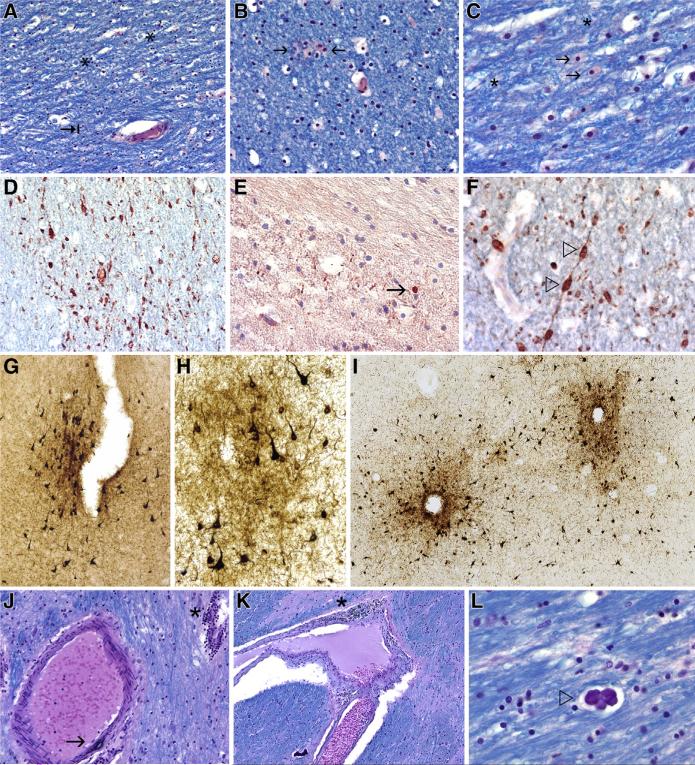
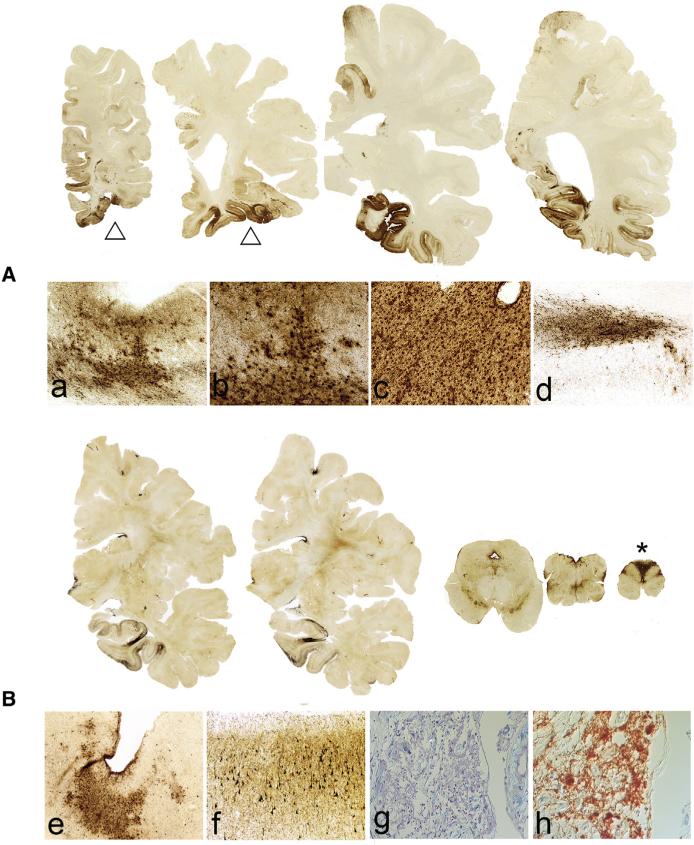
Mild traumatic brain injury (mTBI) includes concussion, subconcussion, and most exposures to explosive blast from improvised explosive devices. mTBI is the most common traumatic brain injury affecting military personnel; however, it is the most difficult to diagnose and the least well understood. It is also recognized that some mTBIs have persistent, and sometimes progressive, long-term debilitating effects. Increasing evidence suggests that a single traumatic brain injury can produce long-term gray and white matter atrophy, precipitate or accelerate age-related neurodegeneration, and increase the risk of developing Alzheimer's disease, Parkinson's disease, and motor neuron disease. In addition, repetitive mTBIs can provoke the development of a tauopathy, chronic traumatic encephalopathy. We found early changes of chronic traumatic encephalopathy in four young veterans of the Iraq and Afghanistan conflict who were exposed to explosive blast and in another young veteran who was repetitively concussed. Four of the five veterans with early-stage chronic traumatic encephalopathy were also diagnosed with posttraumatic stress disorder. Advanced chronic traumatic encephalopathy has been found in veterans who experienced repetitive neurotrauma while in service and in others who were accomplished athletes. Clinically, chronic traumatic encephalopathy is associated with behavioral changes, executive dysfunction, memory loss, and cognitive impairments that begin insidiously and progress slowly over decades. Pathologically, chronic traumatic encephalopathy produces atrophy of the frontal and temporal lobes, thalamus, and hypothalamus; septal abnormalities; and abnormal deposits of hyperphosphorylated tau as neurofibrillary tangles and disordered neurites throughout the brain. The incidence and prevalence of chronic traumatic encephalopathy and the genetic risk factors critical to its development are currently unknown. Chronic traumatic encephalopathy has clinical and pathological features that overlap with postconcussion syndrome and posttraumatic stress disorder, suggesting that the three disorders might share some biological underpinnings.
轻度创伤性脑损伤(mTBI)包括脑震荡、亚脑震荡以及大多数因简易爆炸装置爆炸所致的暴露。mTBI是影响军事人员的最常见创伤性脑损伤;然而,它却是最难诊断且了解最少的。人们还认识到,一些mTBI具有持续的,有时甚至是进行性的长期衰弱影响。越来越多的证据表明,单次创伤性脑损伤可导致长期的灰质和白质萎缩,引发或加速与年龄相关的神经退行性变,并增加患阿尔茨海默病、帕金森病和运动神经元病的风险。此外,重复性mTBI可引发tau蛋白病——慢性创伤性脑病的发展。我们在4名暴露于爆炸的伊拉克和阿富汗冲突年轻退伍军人以及另一名反复发生脑震荡的年轻退伍军人中发现了慢性创伤性脑病的早期变化。5名患有早期慢性创伤性脑病的退伍军人中有4人还被诊断患有创伤后应激障碍。在服役期间经历重复性神经创伤的退伍军人以及一些优秀运动员中发现了晚期慢性创伤性脑病。临床上,慢性创伤性脑病与行为改变、执行功能障碍、记忆力减退和认知障碍有关,这些症状隐匿起病,在数十年间缓慢进展。病理上,慢性创伤性脑病会导致额叶、颞叶、丘脑和下丘脑萎缩;间隔异常;以及过度磷酸化tau蛋白作为神经原纤维缠结和全脑神经突紊乱的异常沉积。目前尚不清楚慢性创伤性脑病的发病率和患病率以及对其发展至关重要的遗传风险因素。慢性创伤性脑病具有与脑震荡后综合征和创伤后应激障碍重叠的临床和病理特征,这表明这三种疾病可能有一些共同的生物学基础。